













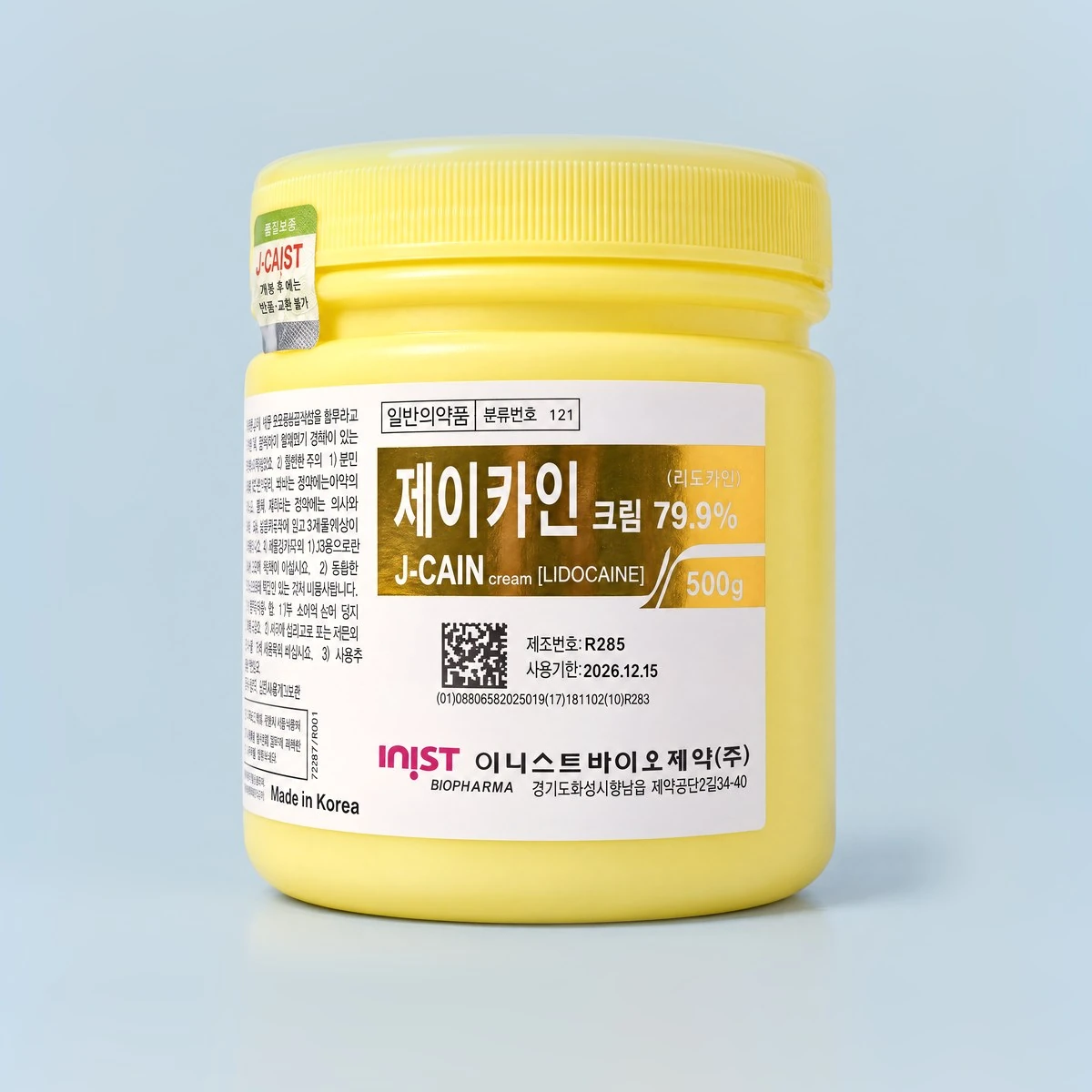
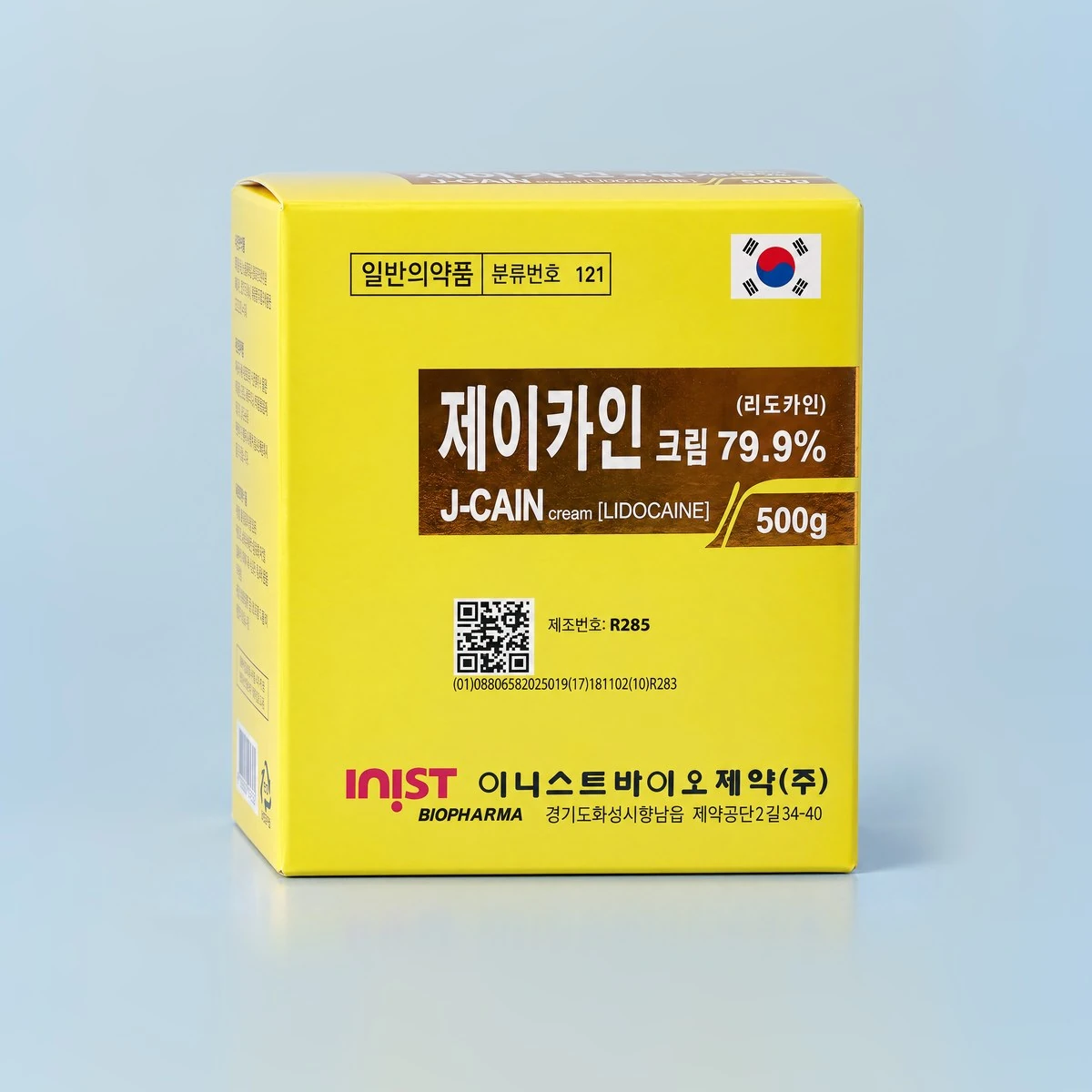

J-Cain yellow jar (Korea 🇰🇷)
FromTHB 1,100
 Juvelook (PDLLA): What It Is, What the Studies Show and Its Approval Status
 Skin Booster Results and Aftercare: How Long Until You See Results, and What to Avoid After Injection
 Exosome Facial and Exosome Skincare: What They Are, What the Studies Show and Approval Status
 Meso Fat vs Masseter Botox: How to Slim the Face
 Fat Dissolving Injections for Belly and Arms: The Facts
 Collagen Stimulators Explained: PLLA, PDLLA, PN, Profhilo and Exosomes Compared
 What Are Fat Dissolving Injections (Meso Fat)? A Guide
 Double Chin Injections: Kybella vs Meso-Fat Blends

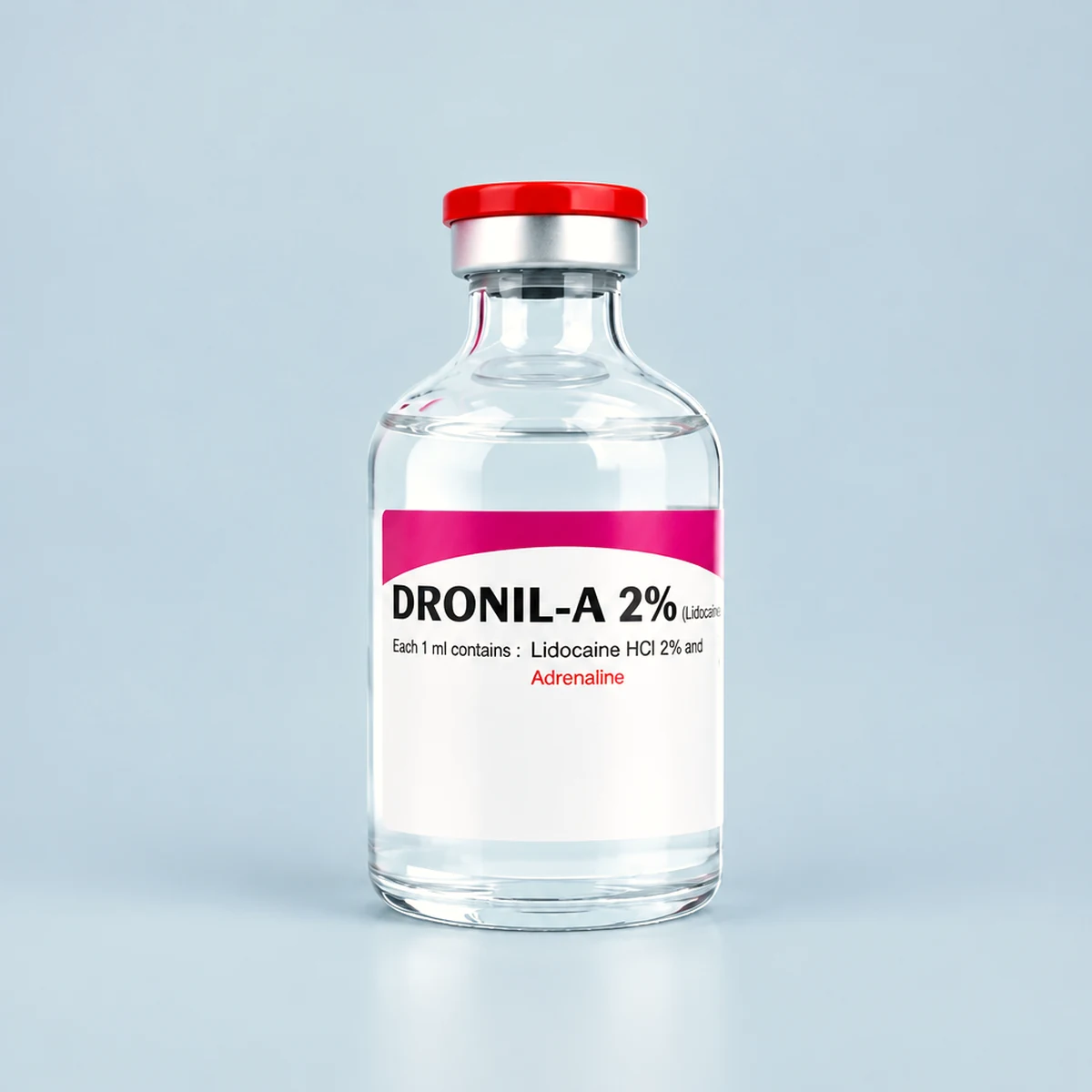
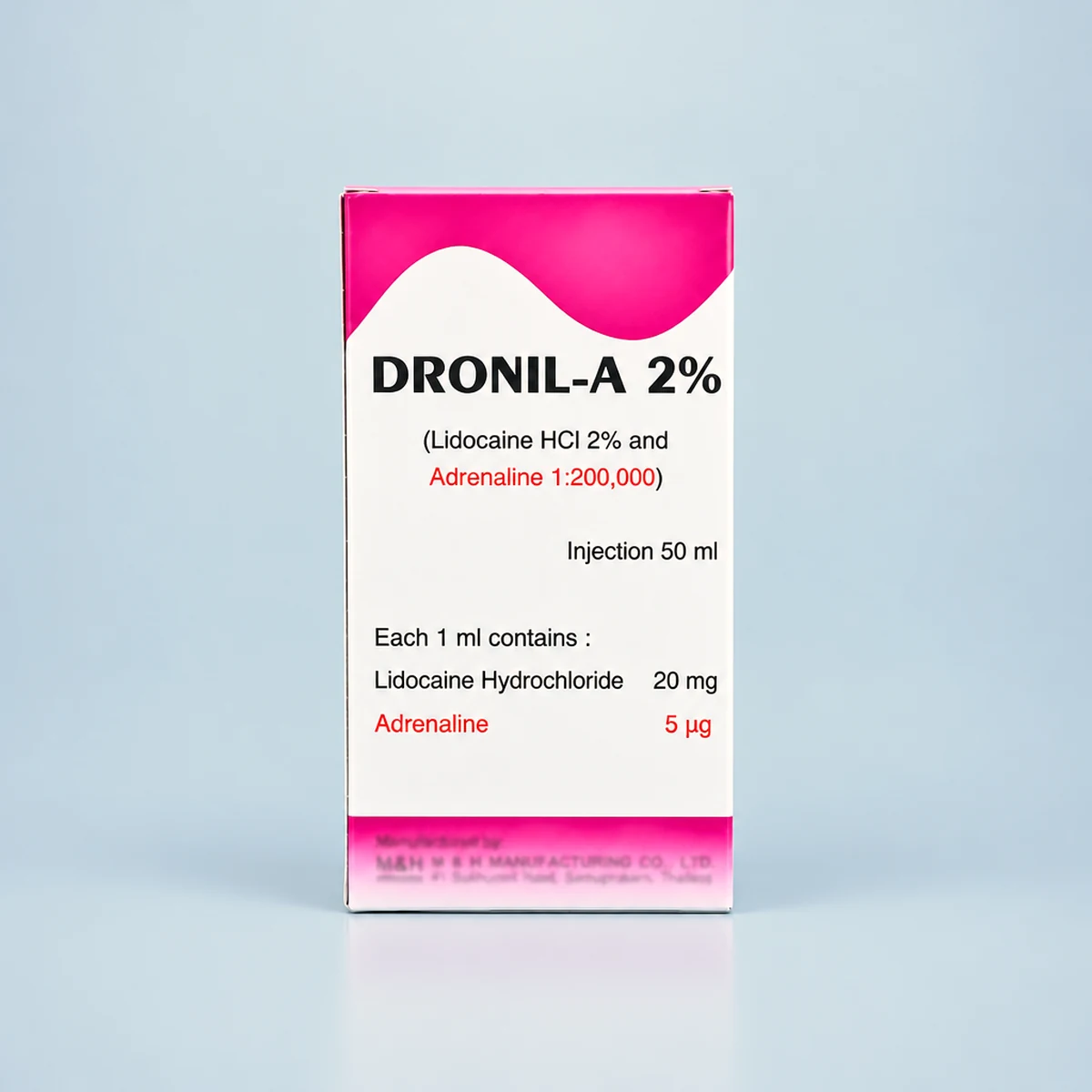
An anesthetic numbs part of the body while the patient stays awake. This category covers local anesthetics doctors use in clinic procedures: lidocaine injection 2% (Dronil-A) and a lidocaine cream (J-Cain 10.56%). It is for readers who want to understand the ingredient, strength and form before speaking with a doctor.
Start with how a local anesthetic differs from general anesthesia, then see how the injection and the topical differ, read the strength and ingredients on the label, and note how a topical can be absorbed through the skin.

References
Per MedlinePlus, local anesthesia numbs a small area and you stay awake. Regional anesthesia numbs a larger area such as an arm or a leg, while general anesthesia affects the whole body and produces a state like deep sleep with no sensation.
This category is local anesthesia, not general anesthesia. A dentist, nurse or doctor may give some anesthetics, while others need an anesthesiologist. Who gives the medicine and how it is prepared are matters for the clinic, not something a category name can tell you.
Lidocaine (also lignocaine, brand name Xylocaine) is an amino amide local anesthetic, synthesised in 1943, marketed in 1948 and listed on the WHO Essential Medicines List, according to Wikipedia. MedlinePlus describes it as a medicine that blocks the nerve signals that carry pain.
It is usually the hydrochloride salt, supplied as injectable solutions, topical preparations and patches. Some preparations add epinephrine to prolong the effect and reduce bleeding, so check which preparation the label describes.
Per the lidocaine hydrochloride injection label, the injection is used for local or regional anesthesia by infiltration, for peripheral nerve blocks and, in some cases, central neural blocks. The label says it must be used by clinicians trained in managing toxicity and emergencies, with oxygen and resuscitative equipment at hand.
A topical anesthetic acts at the skin, so absorption through the skin into the bloodstream has to be considered. Both forms in this category are doctors' medicines, and they are not interchangeable, because the site and method of use for each are set by the doctor.
The percentage is the share of lidocaine in the product. In this category the Dronil-A injection is labelled 2% and the J-Cain cream 10.56%. The example injection label opened for this page is 1%, so injection strengths differ by product, and a higher number does not mean better or interchangeable.
In a warning letter to a company, the FDA states that over-the-counter external lidocaine products fall between 0.5% and 4%, and that another brand's products for cosmetic procedures at 5% and 10.56% are above that range. That concerns the products the FDA named, so read strength together with the conditions of use on the label of the item you care about.
The FDA warns that numbing products of the -caine type applied over large areas, on irritated or broken skin, for long periods or under a covering after application can increase absorption into the bloodstream, which may cause serious injury if used improperly. Covering the skin after application is something the FDA singles out.
The FDA also notes that use before a procedure may not be supervised by trained health professionals, so large amounts may be applied. That is why a higher-strength topical is something a doctor sets and supervises, rather than something a user decides from the category name.
The label lists hypersensitivity to amide-type local anesthetics as a contraindication and warns about methemoglobinemia and severe allergic reactions. Wikipedia says adverse effects are rare when it is given correctly, while too much systemic exposure affects the central nervous system and the cardiovascular system, which is why emergency readiness matters.
Doctors also tell plain solutions from those with epinephrine. The label says solutions with preservatives such as methylparaben are not used for epidural or spinal anesthesia, and solutions with epinephrine are not used for intravenous regional anesthesia. Read which preparation the label states.
Wikipedia advises caution with lidocaine in liver impairment and in older people, and lists second- or third-degree heart block without a pacemaker as a contraindication. People taking class I antiarrhythmics should tell the doctor, along with any history of allergy to local anesthetics.
An anesthetic is a medicine a doctor uses to support a procedure, unlike a tissue-filling material such as Filler or a product from the Botox group, which are different types. Other supplies sit in Supplies & Equipment; read each category separately and check each item's label.