











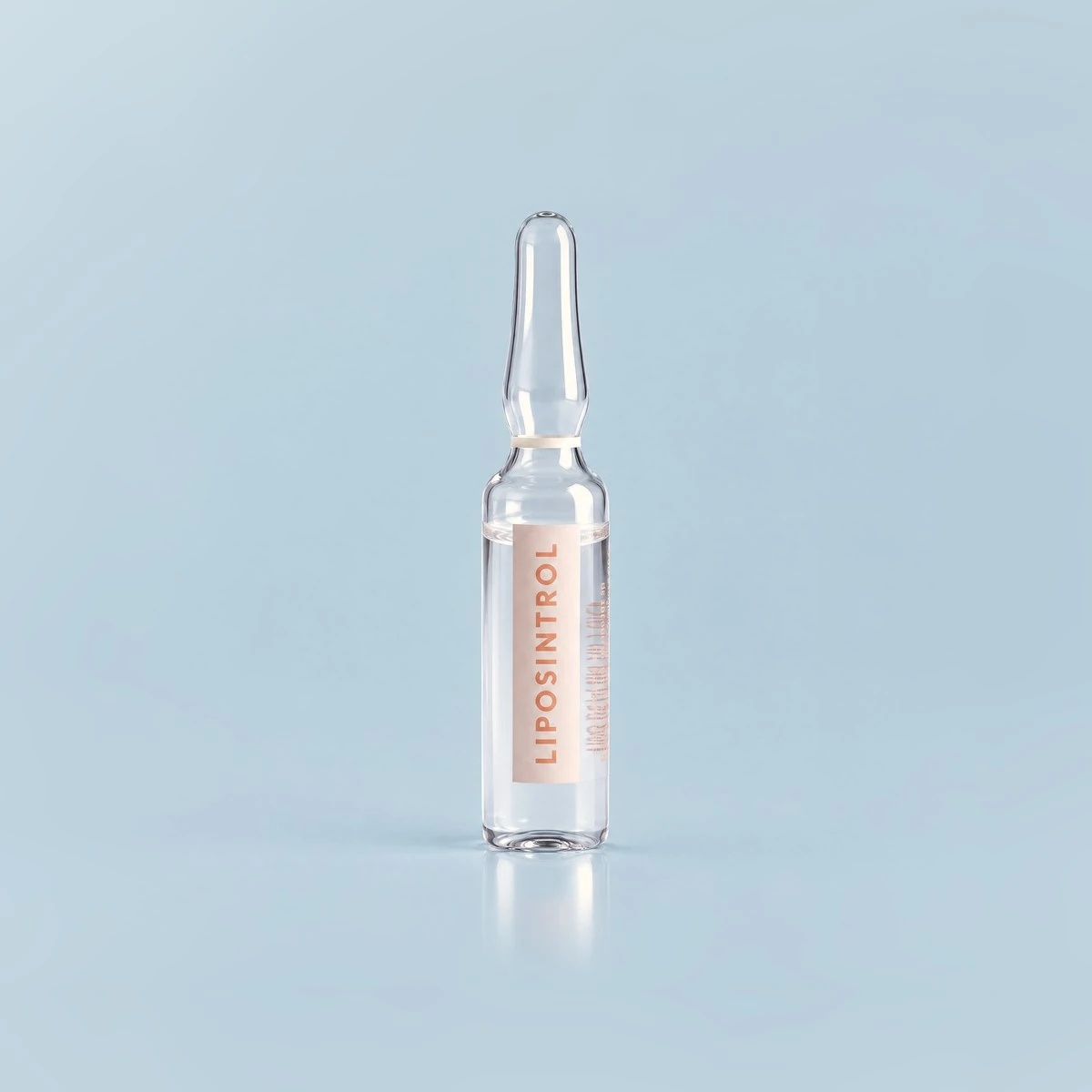
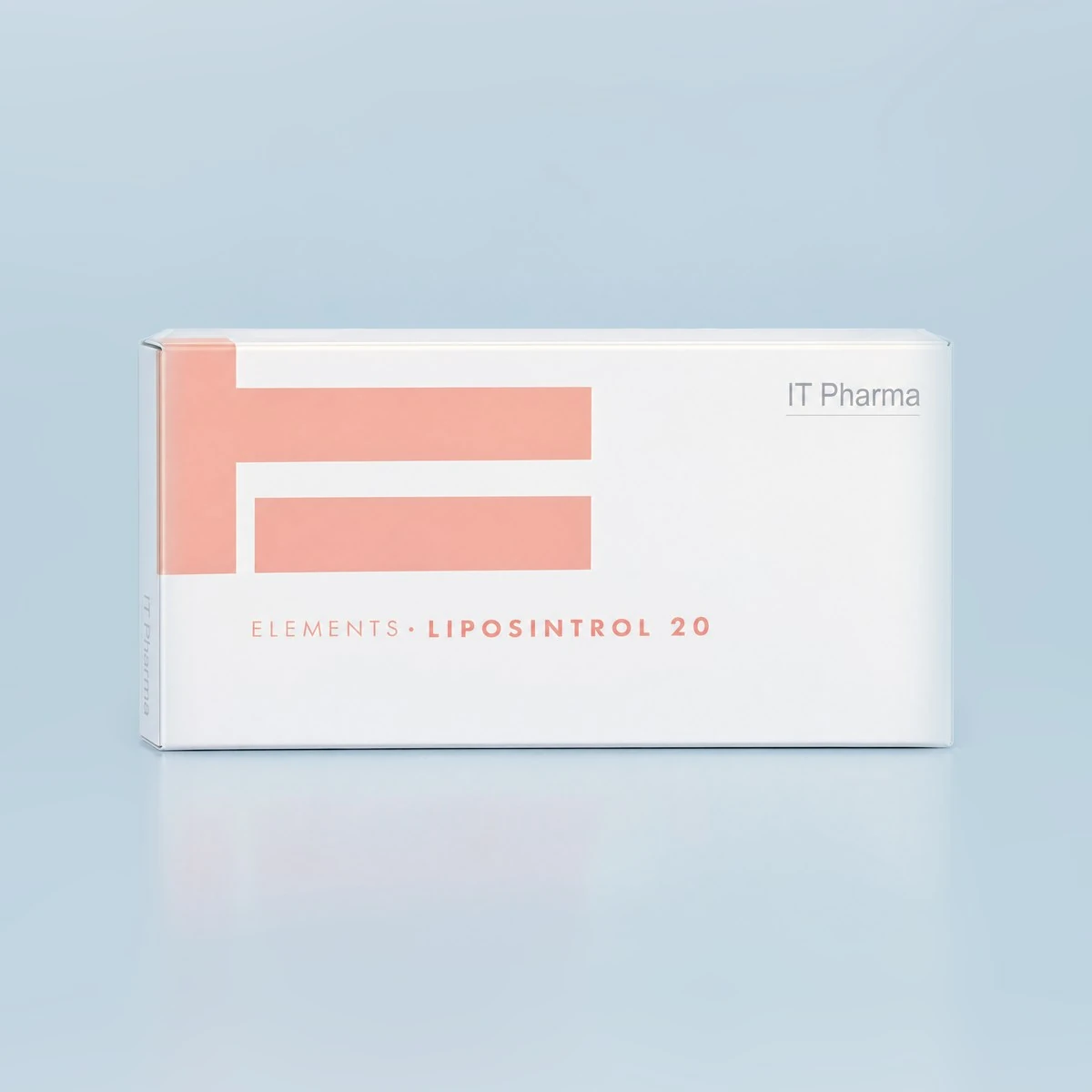

Liposintrol Body (1 box, 100 vials)
THB 7,200
 Juvelook (PDLLA): What It Is, What the Studies Show and Its Approval Status
 Skin Booster Results and Aftercare: How Long Until You See Results, and What to Avoid After Injection
 Exosome Facial and Exosome Skincare: What They Are, What the Studies Show and Approval Status
 Meso Fat vs Masseter Botox: How to Slim the Face
 Fat Dissolving Injections for Belly and Arms: The Facts
 Collagen Stimulators Explained: PLLA, PDLLA, PN, Profhilo and Exosomes Compared
 What Are Fat Dissolving Injections (Meso Fat)? A Guide
 Double Chin Injections: Kybella vs Meso-Fat Blends

Meso Fat is a category for shoppers exploring contour and firmness concerns or comparing products before buying. It includes mesotherapy solutions, serums, lotions, enzymes and imported beauty products. Each type has its own details and use instructions.
Start with the form, then check ingredients, origin and label wording. The range includes products from South Korea, Spain and Germany. The tabs explain the types; the questions below cover choices and plans to discuss with a doctor.
 Thai label

 Thai label
 Thai label
 Thai label
 Thai label
 Thai label
 Thai label
 Thai label
 Thai label
References
Meso Fat groups products for shoppers interested in contours and firmness. The category helps you find listings; individual product details are the starting point for comparison. Separate solutions from serums, lotions and enzyme powders before reading ingredients and use instructions.
Hyalase and Liporase list hyaluronidase; the latter is a powder from South Korea. This enzyme acts on hyaluronic acid and may feature in a doctor’s assessment of Filler concerns. It has a different role from mesotherapy solutions.
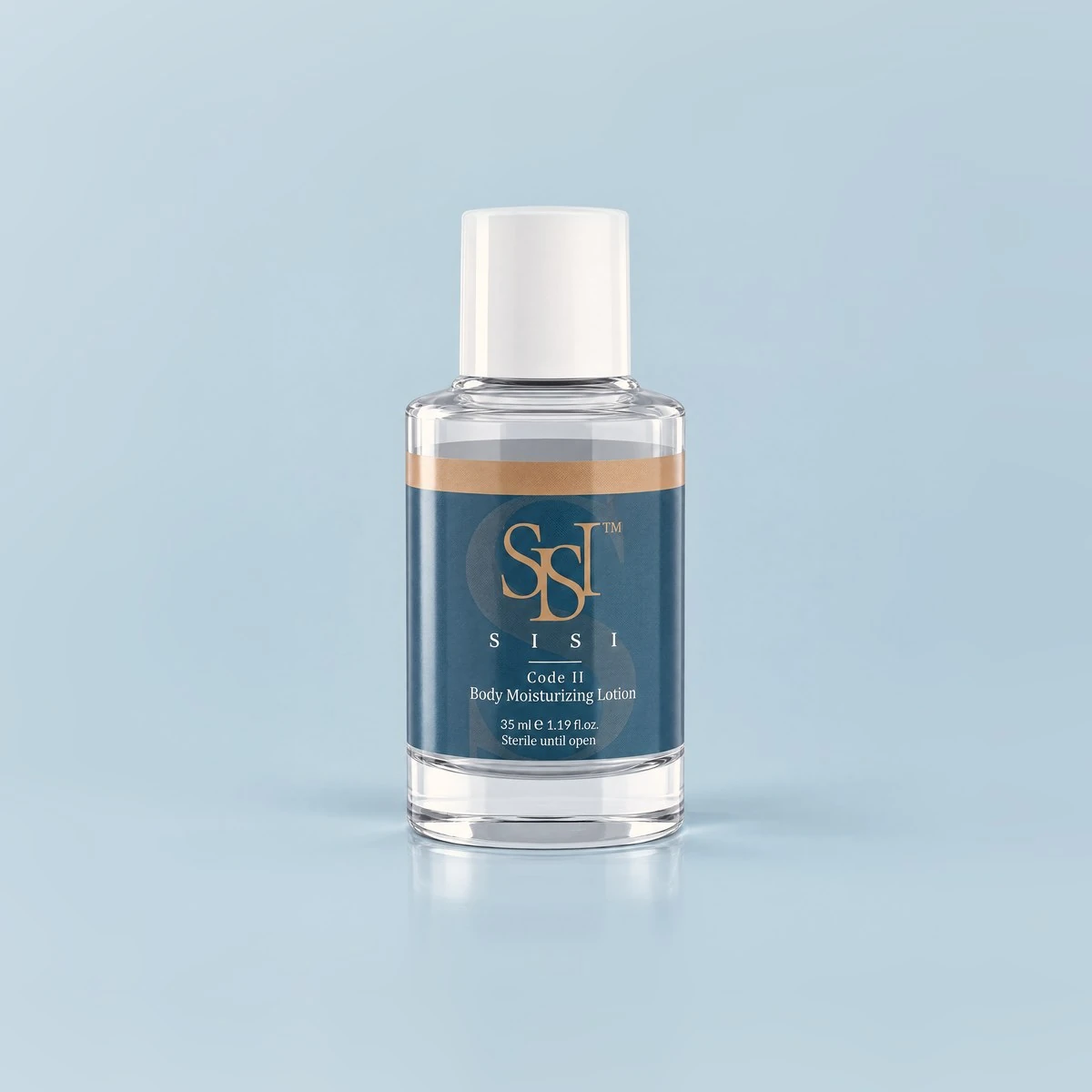
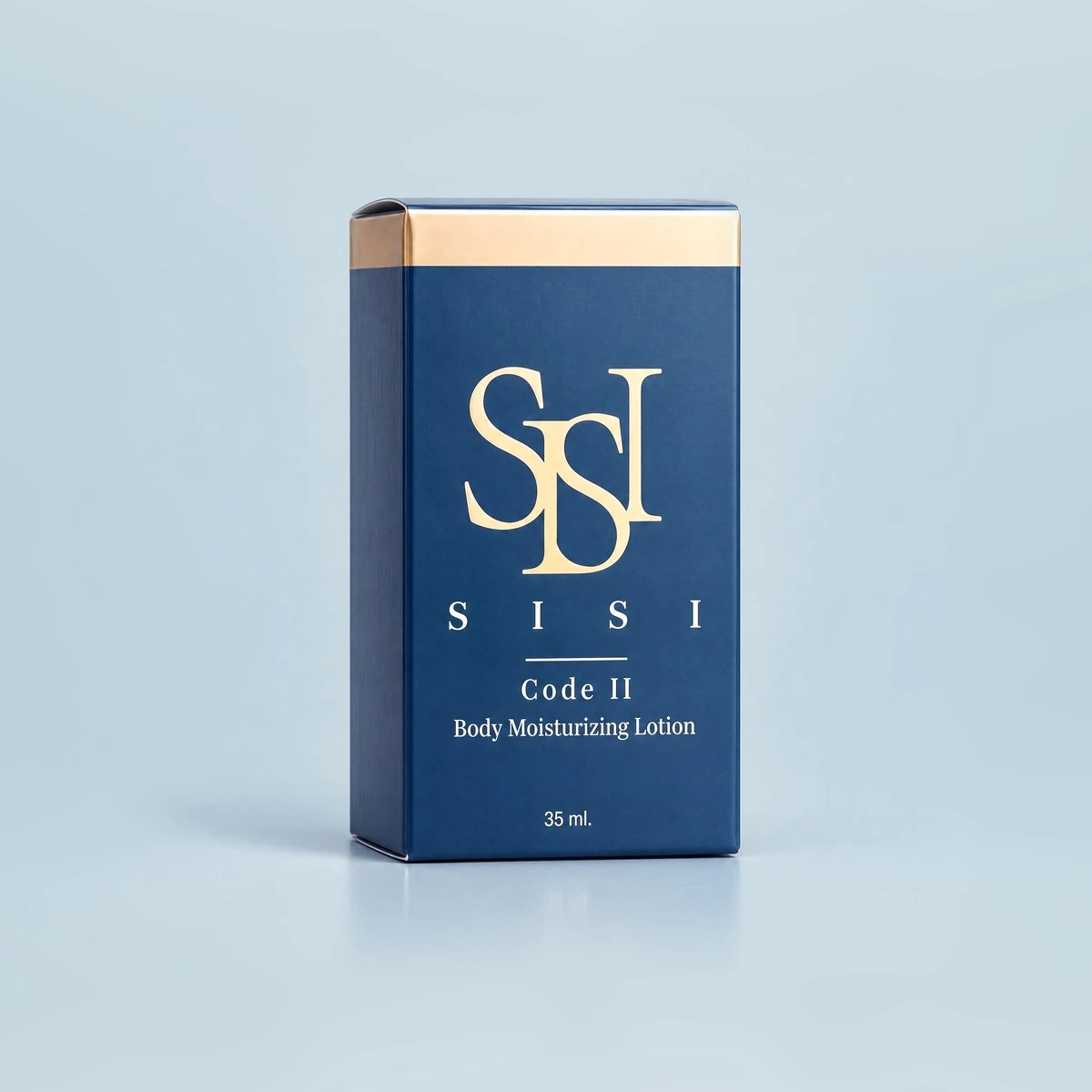
Form and use instructions tell you more than bottle shape. Bromi Line Ultra is a topical facial serum with a gold label. Sisi is a Korean lotion with face and body versions. Both are topical products, but each listing has its own details.
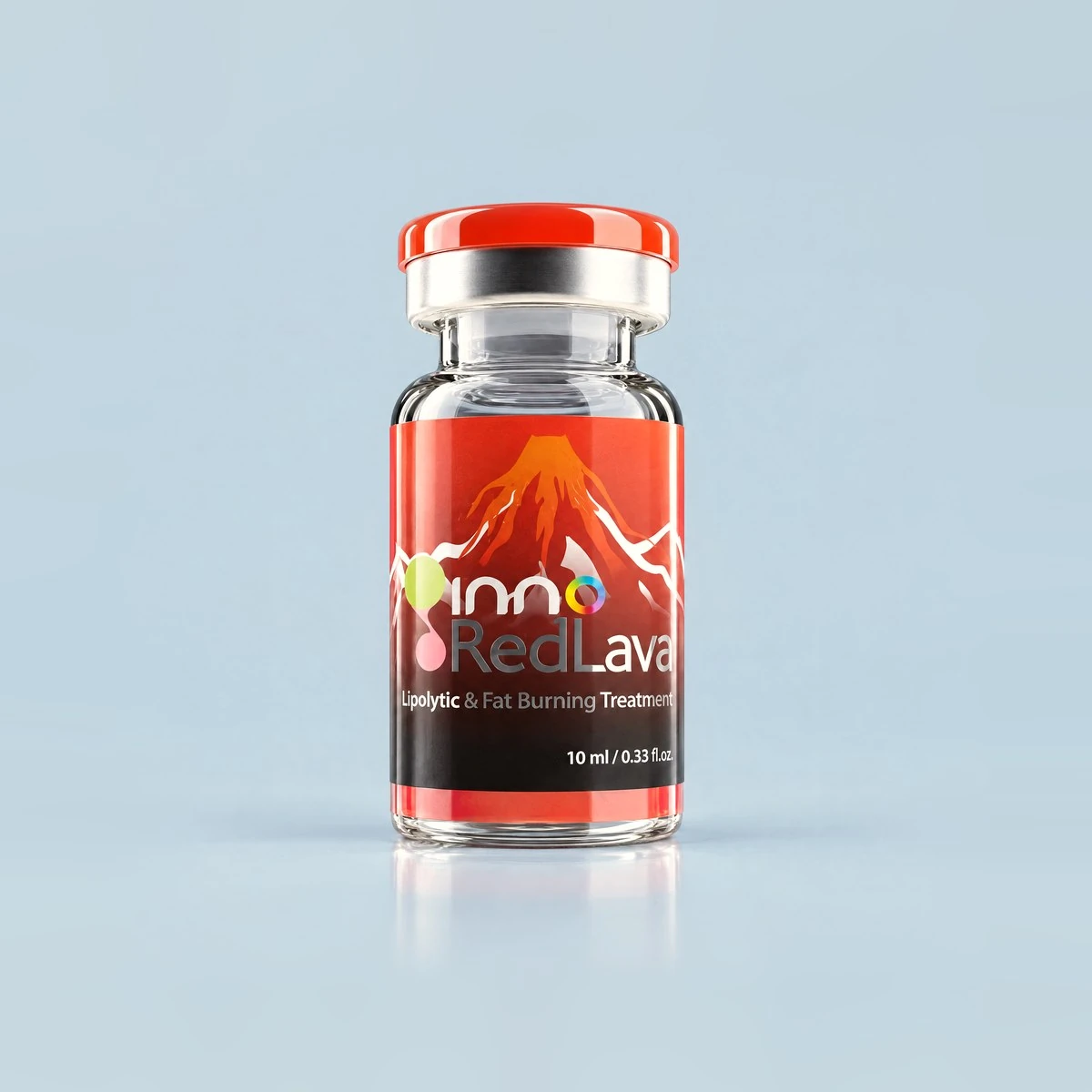
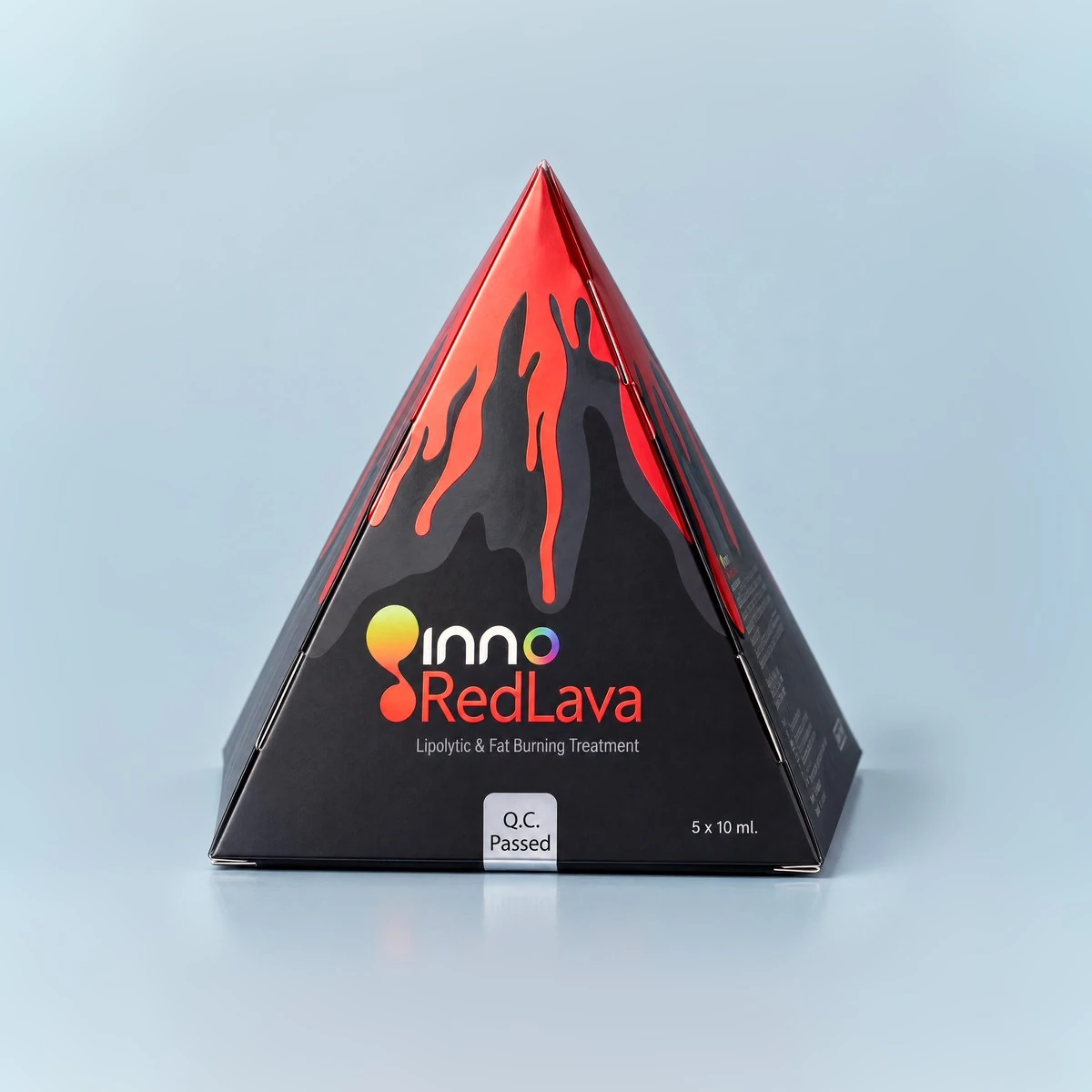
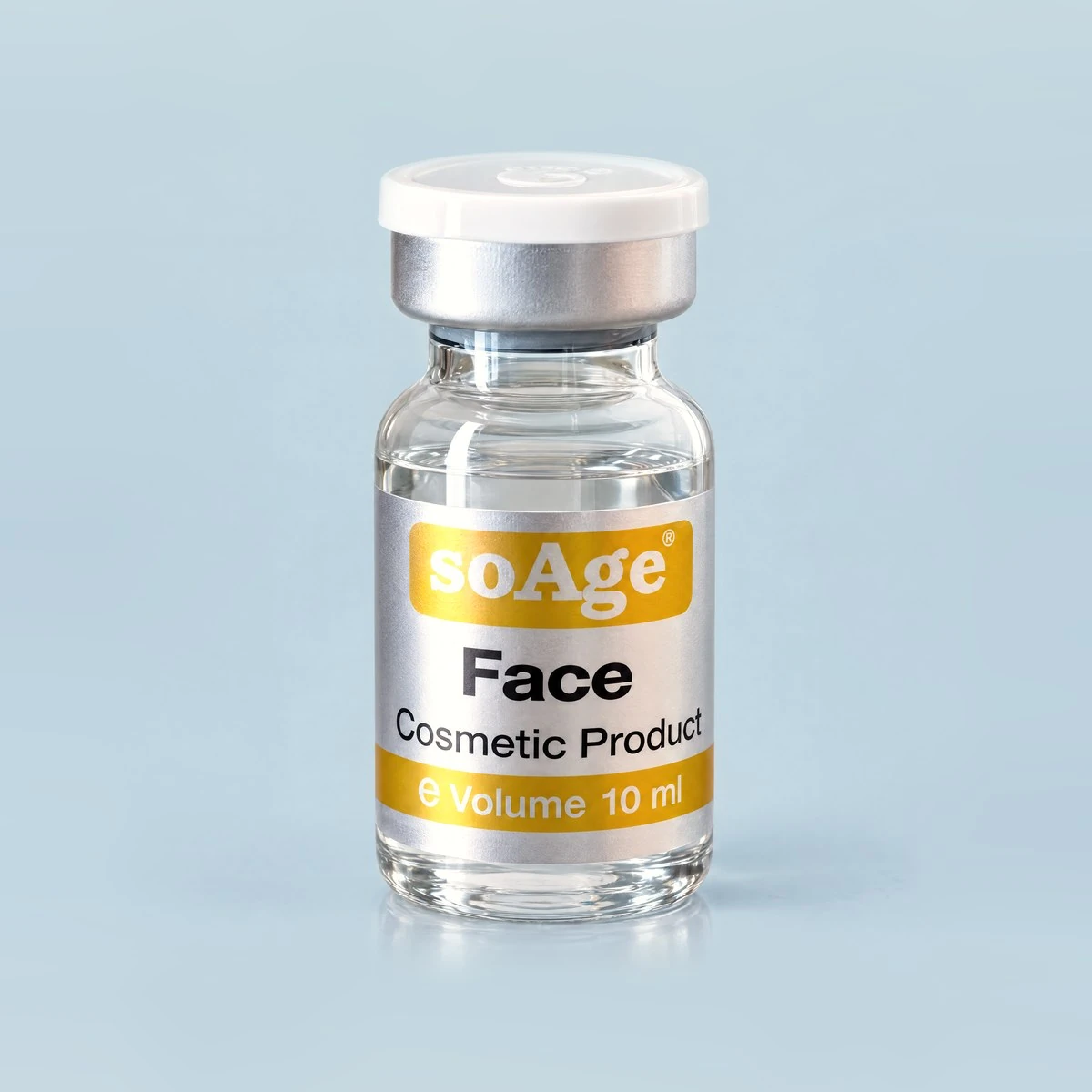
soAge FACE is described as a cosmetic product; INNO RedLava is an external-use solution from Spain. “Solution” describes a form, rather than a complete method of use. Read the external-use wording too. The Serum category offers related facial skin care information.
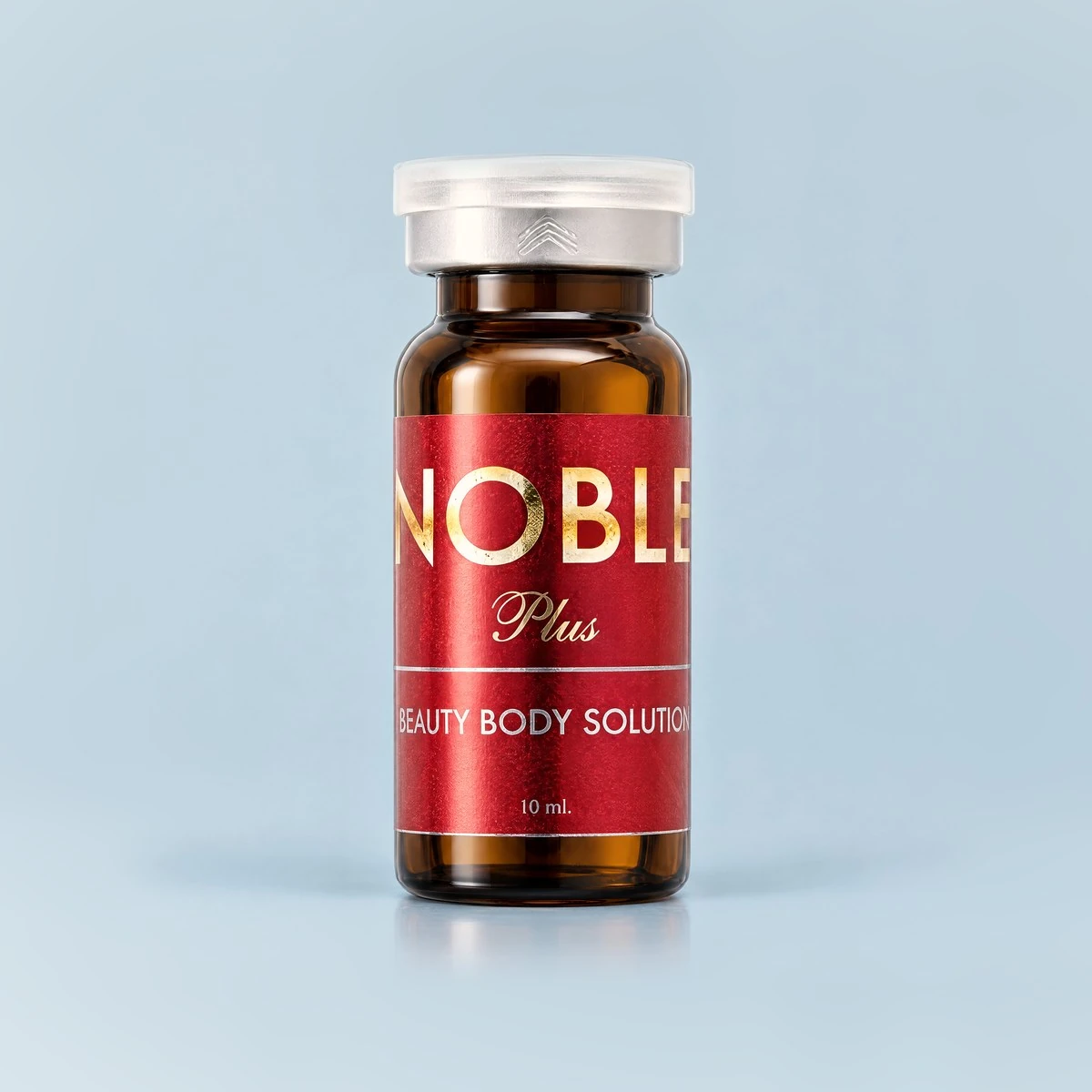
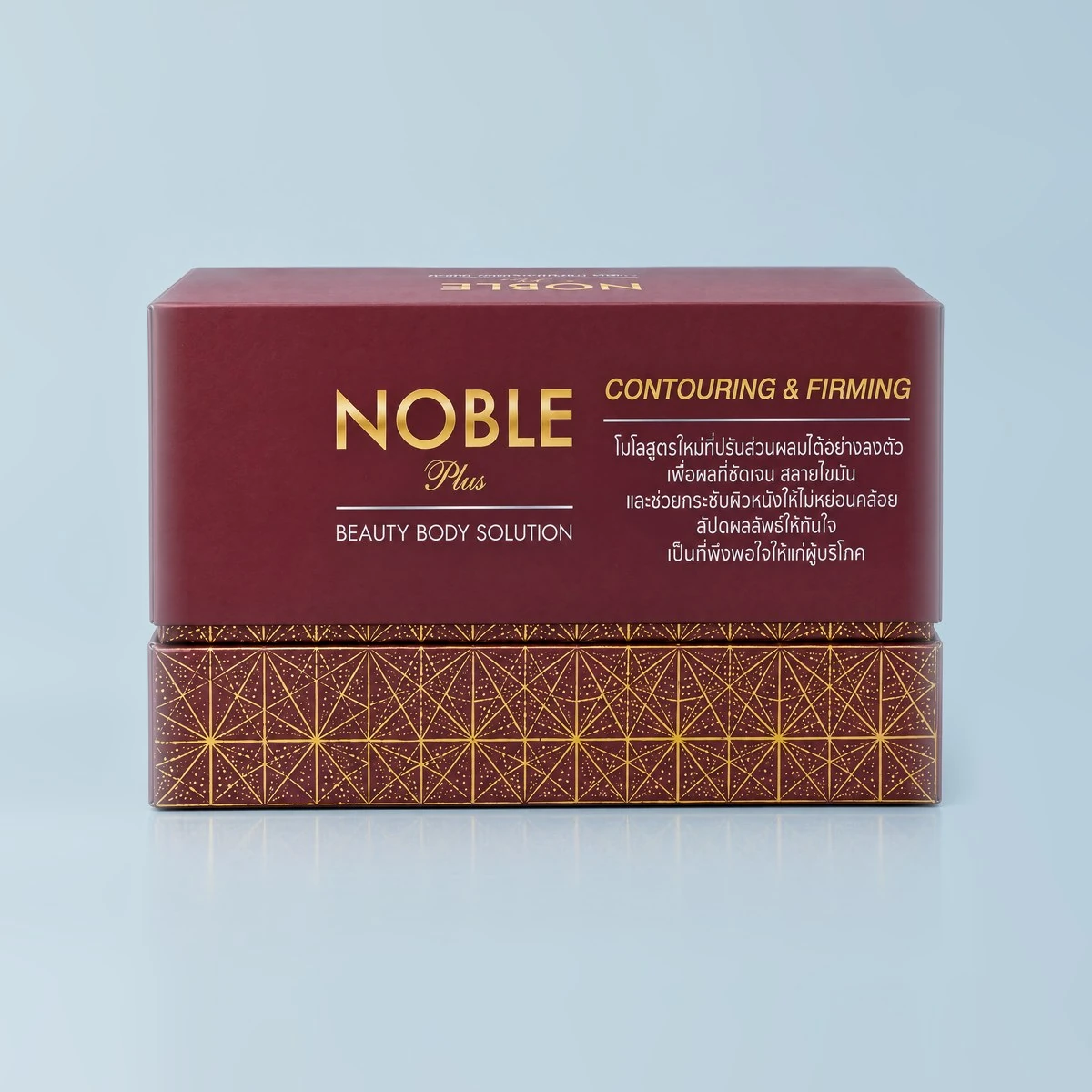
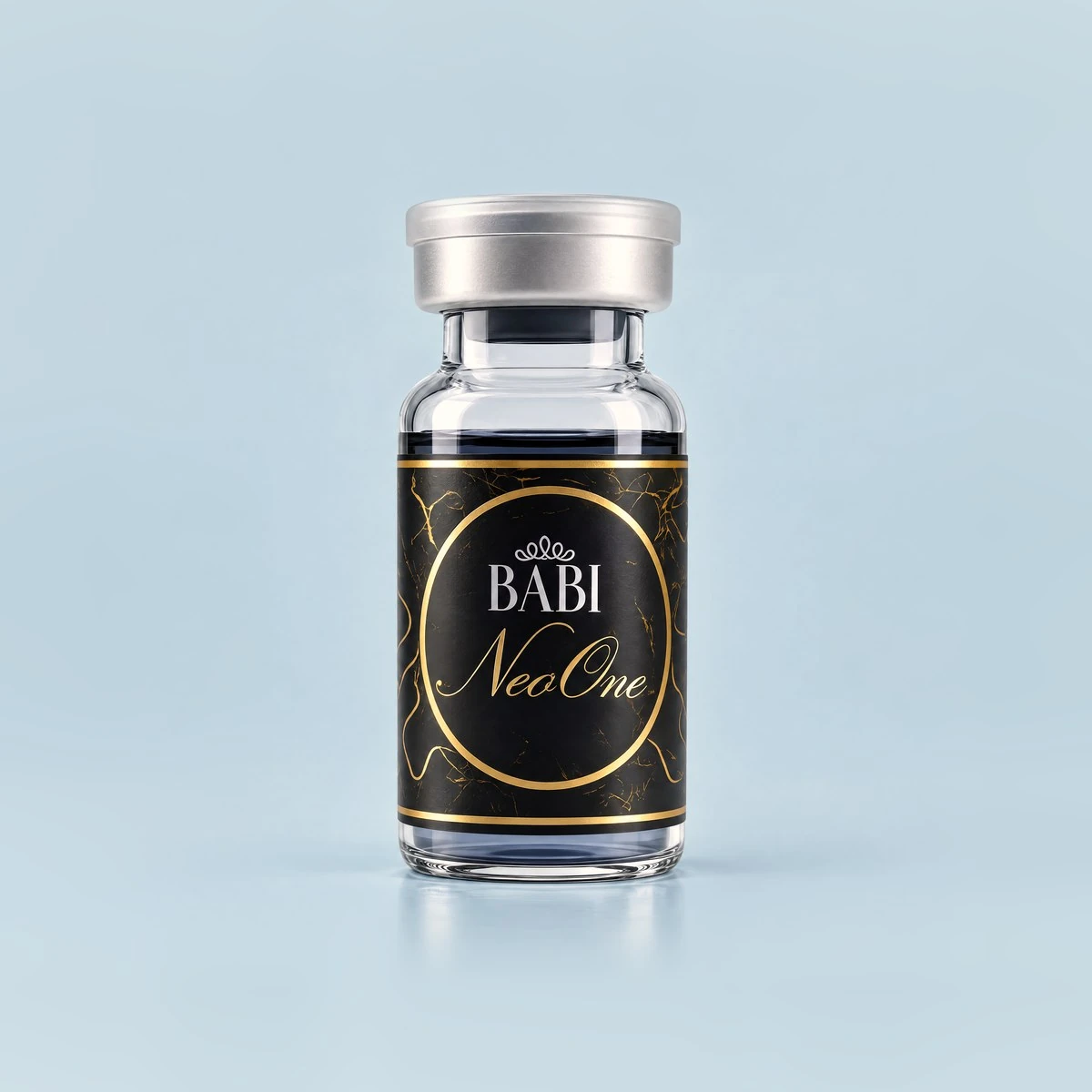
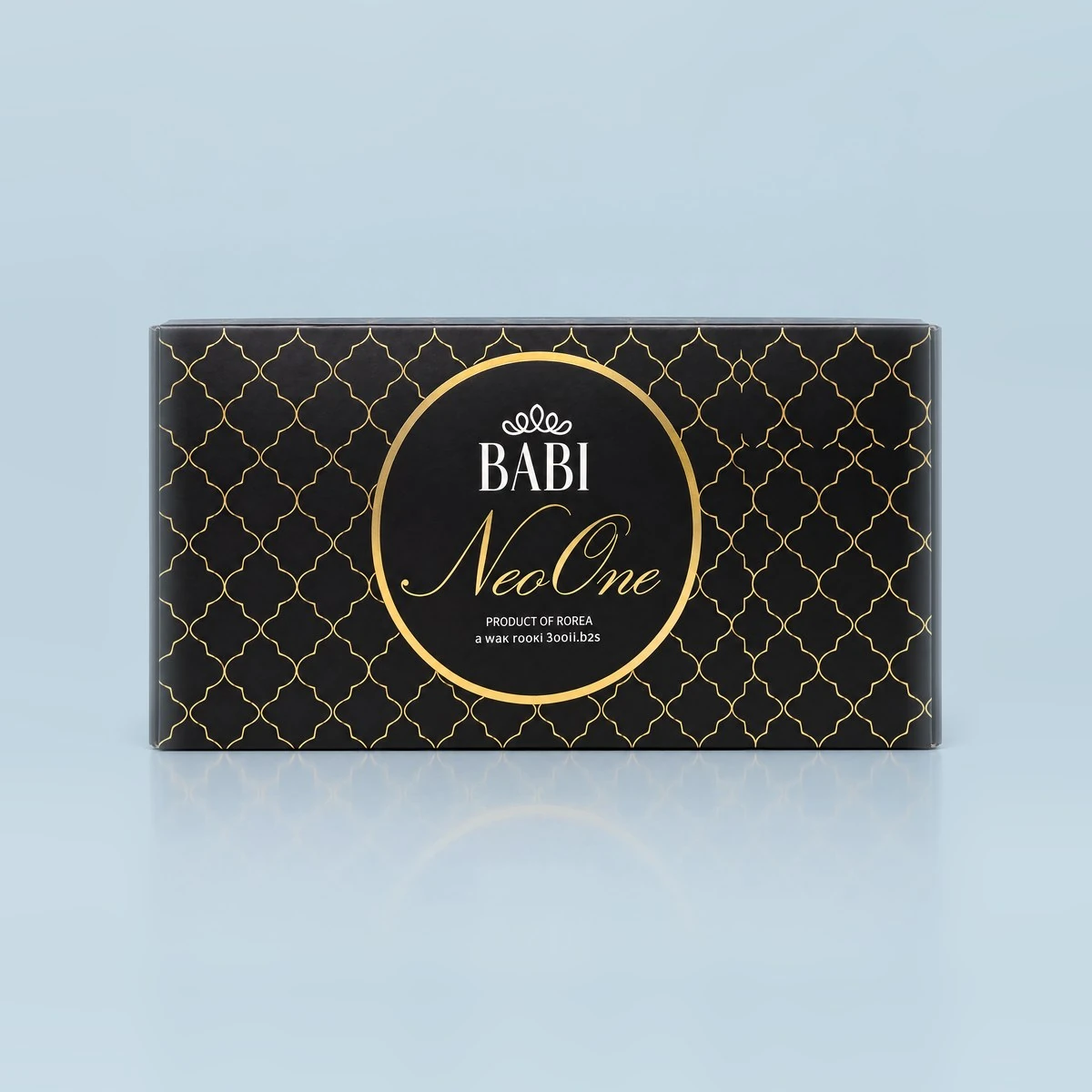
Korean solutions include Babi Neo One, Noble Plus and Super V-Line Sol.; the first has a Thai-label option. Liposintrol Body comes from Spain in glass ampoules. German L-B Five Complex lists separate L-carnitine and pantothenic acid vials. Compare form as well as origin.
Another group comprises imported peptide products, imported peptide products, imported peptide products, imported peptide products, imported peptide products and imported peptide products. A doctor should review the specific details of each listing before selection.
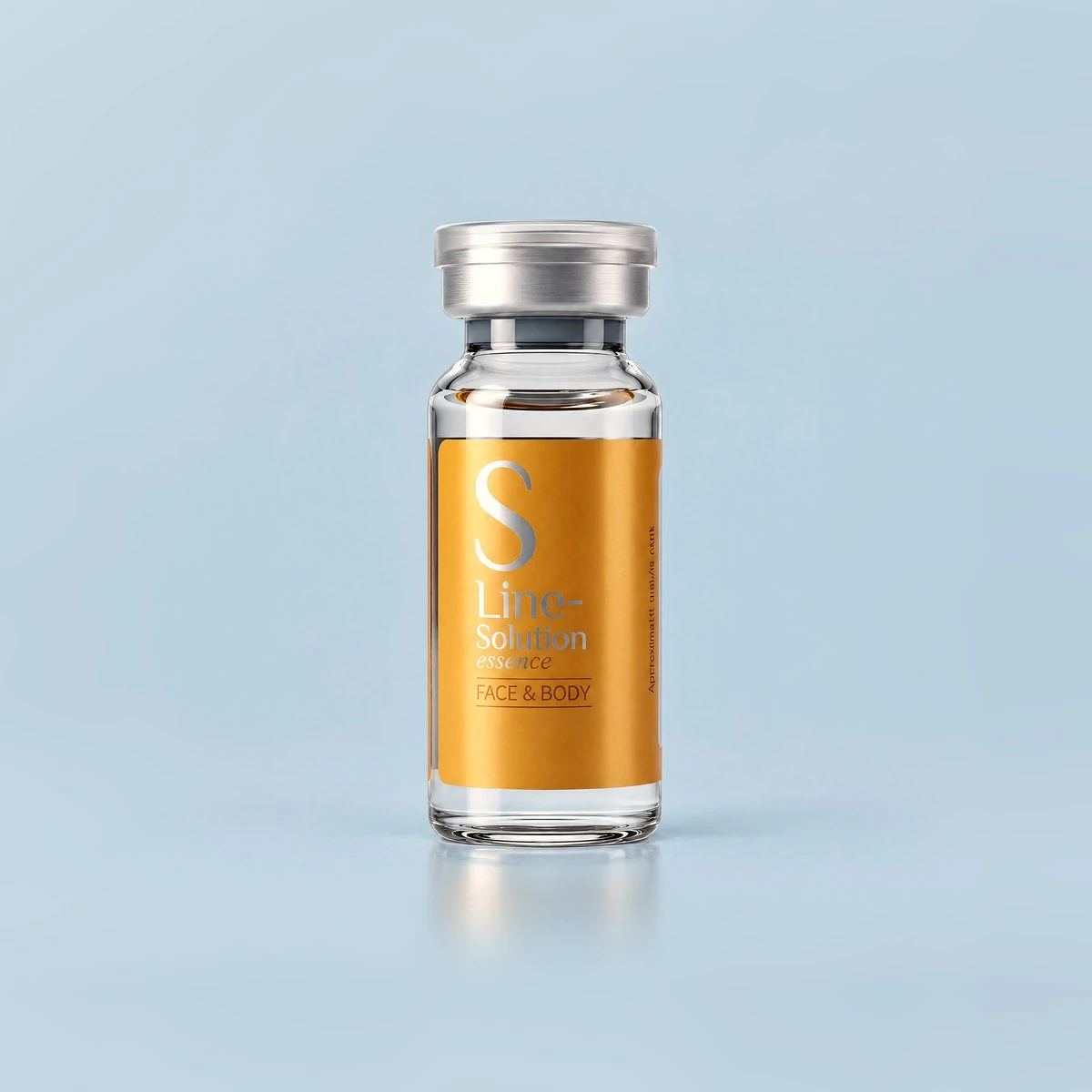
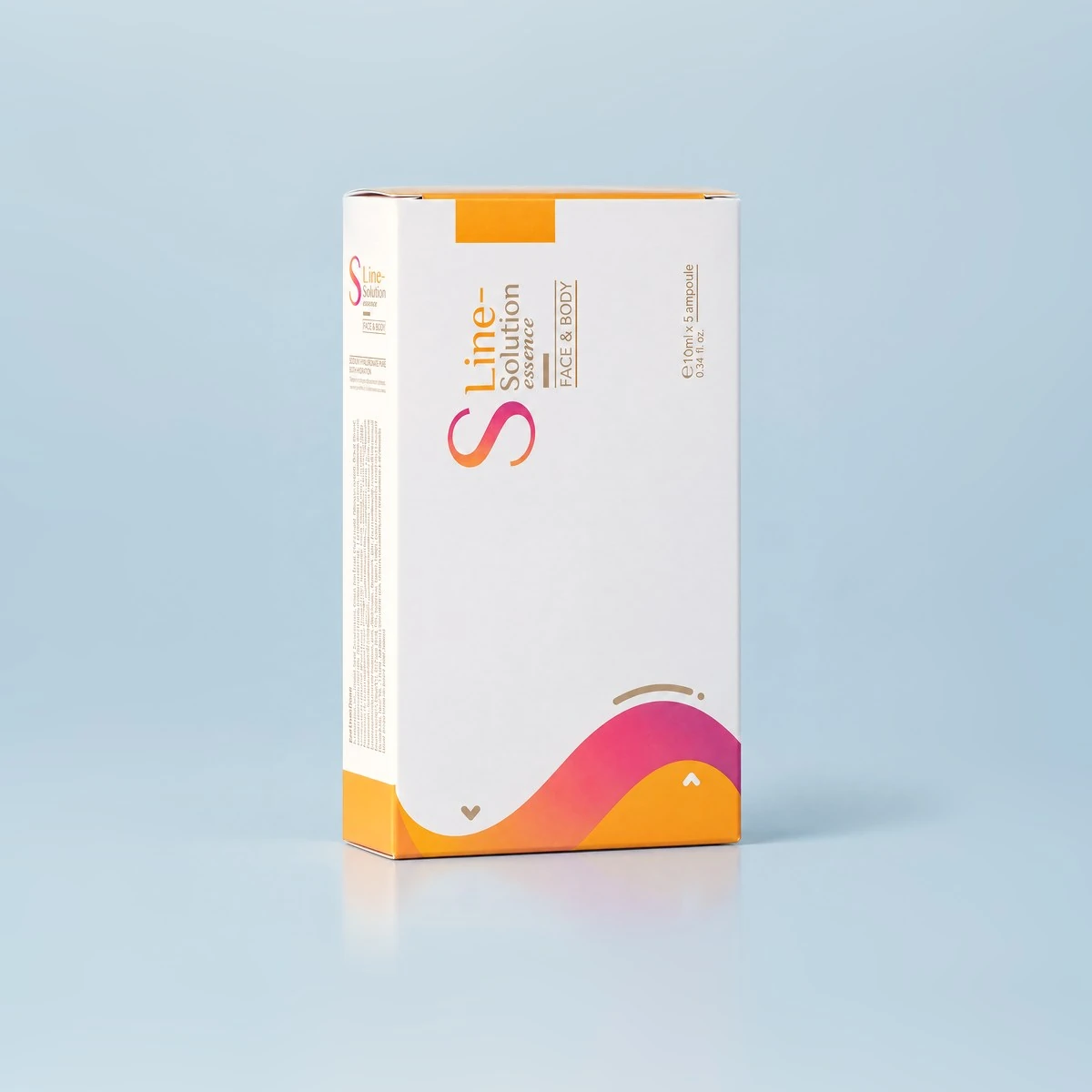
Ingredients help distinguish solutions, but a single name does not describe a whole formula. Korean S-Line lists centella and lecithin, while Line S Up Plus is a Korean plant-and-peptide solution. Plant-derived ingredients are a description, not evidence of suitability for every skin type.
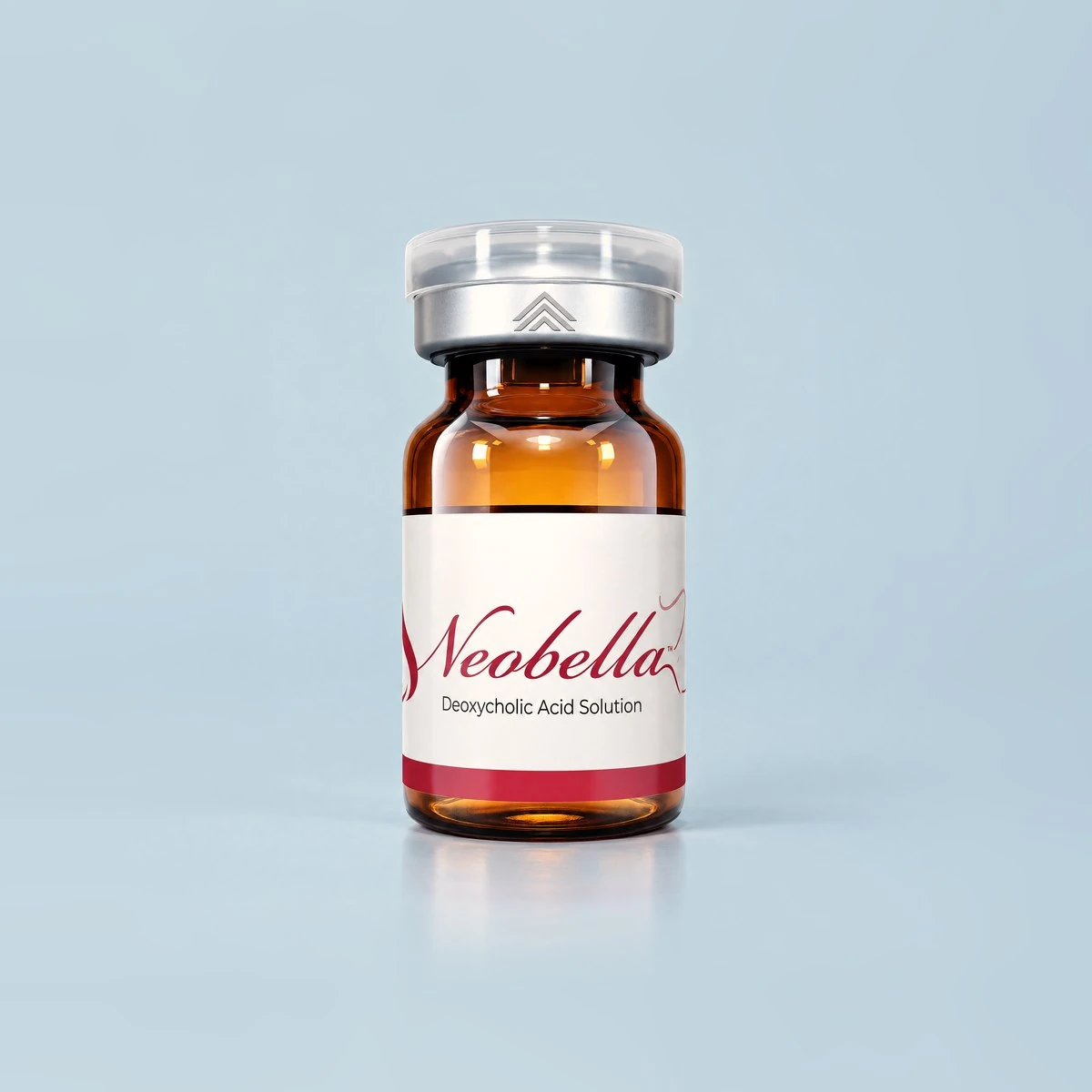
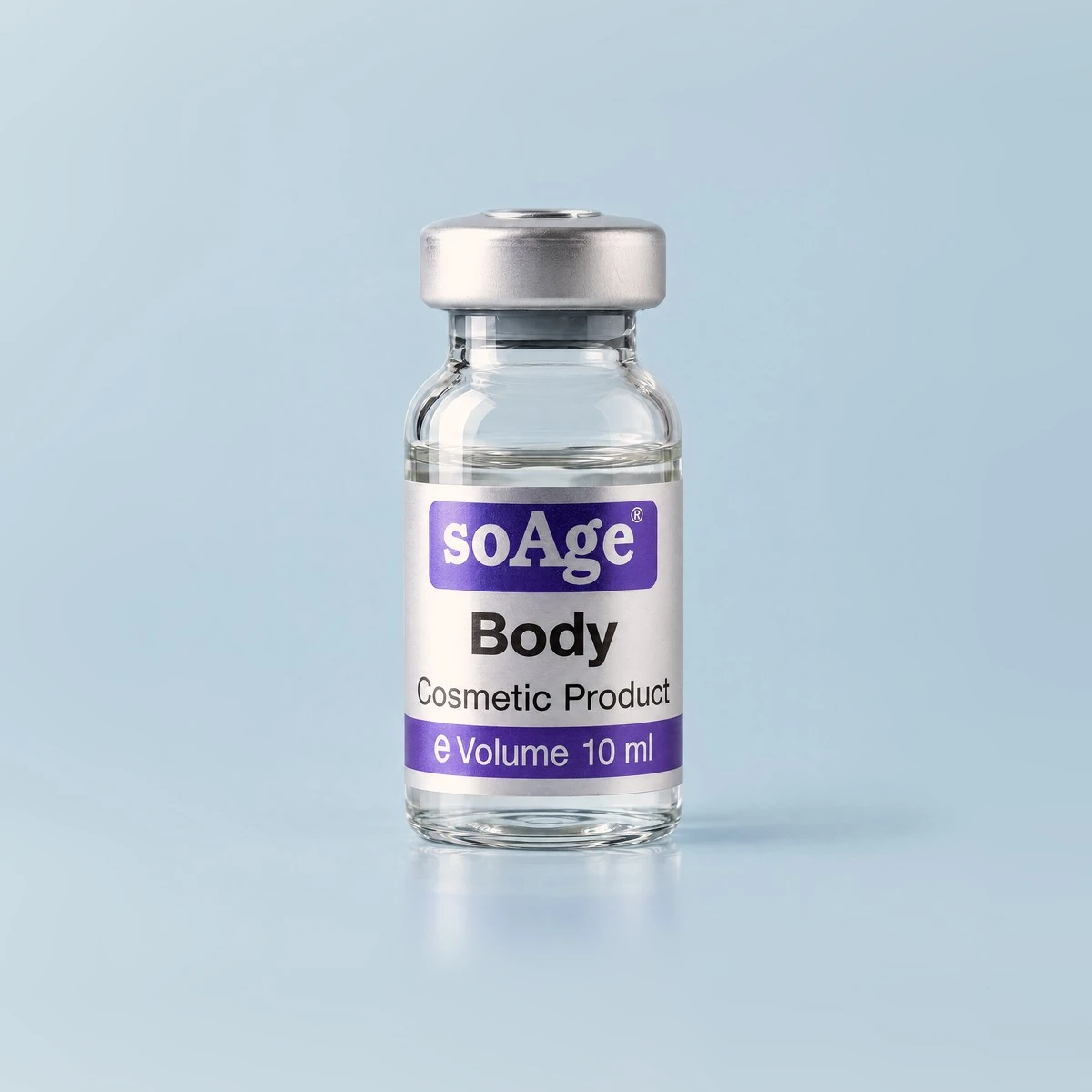
Korean Lipo Lab lists PPC; Neobella lists deoxycholic acid and L-carnitine. soAge Body lists L-carnitine and artichoke extract. A shared ingredient does not replace reading each formula’s form and use instructions. Distinguish stated details from missing information.
Read identity, form, ingredients and use instructions before packaging colour. Babi is a bottled product. Diamond Fat Ultra Firming Solution lists a DermAesthetic solution, while Mesoestetic also lists a solution. These details help separate products in similar containers.
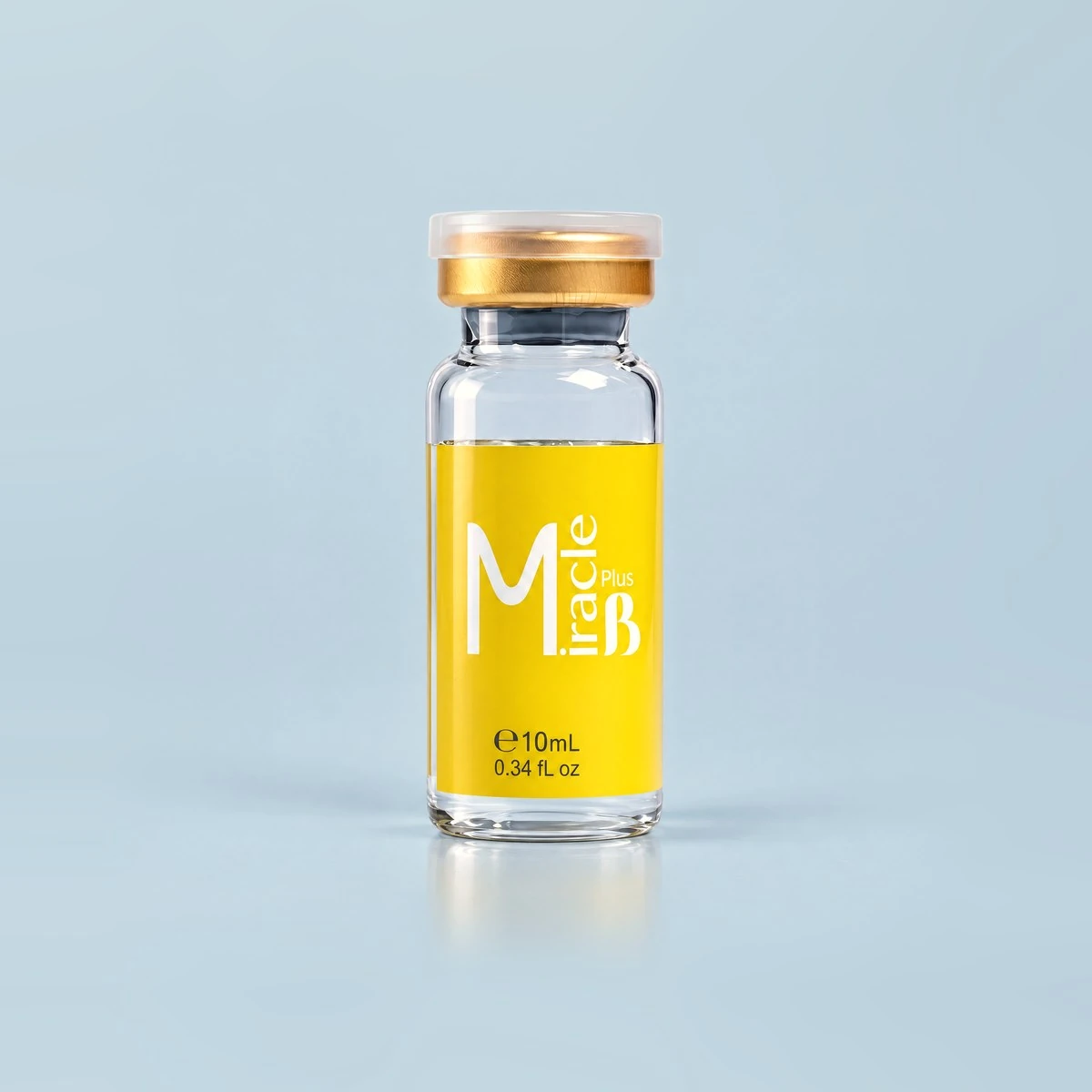
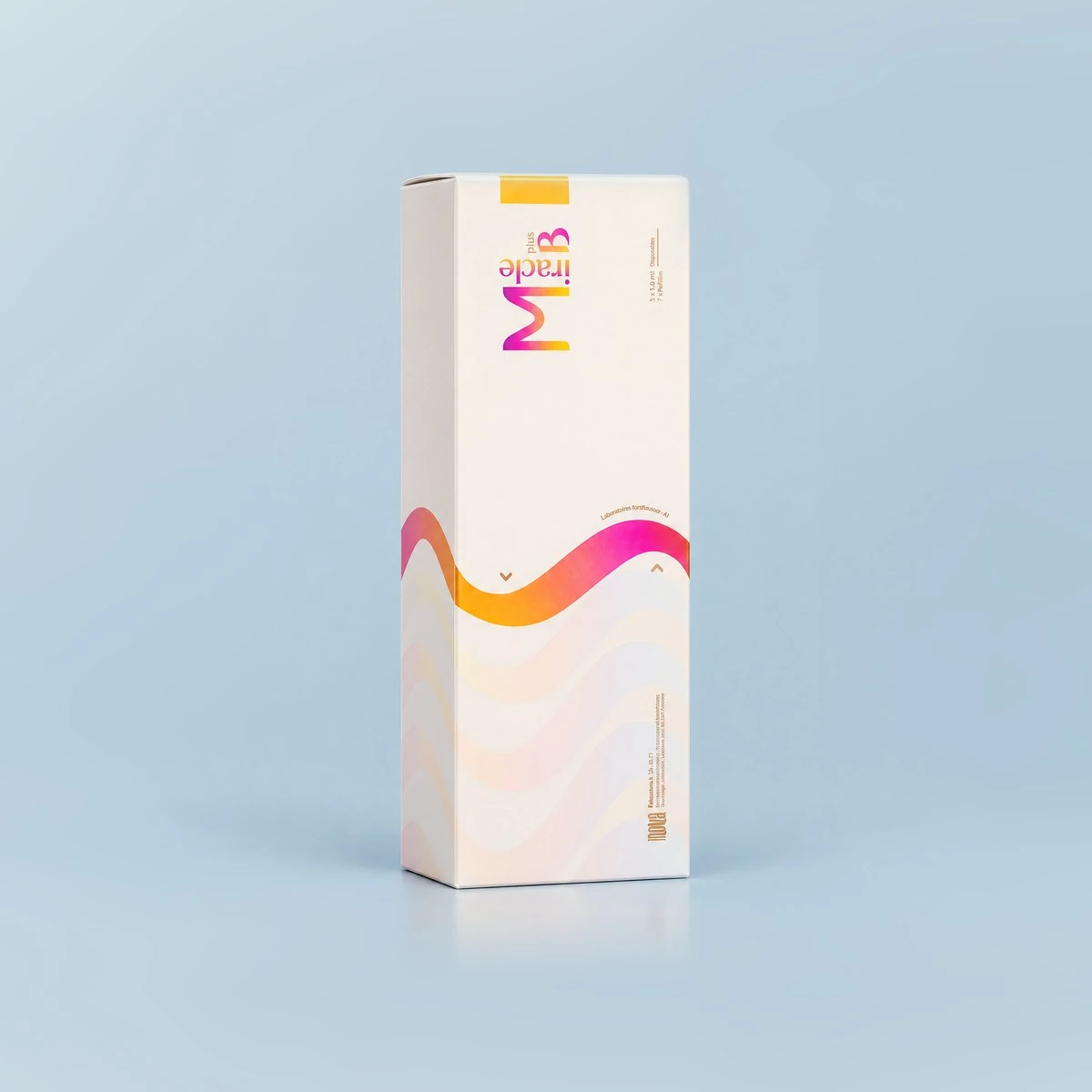
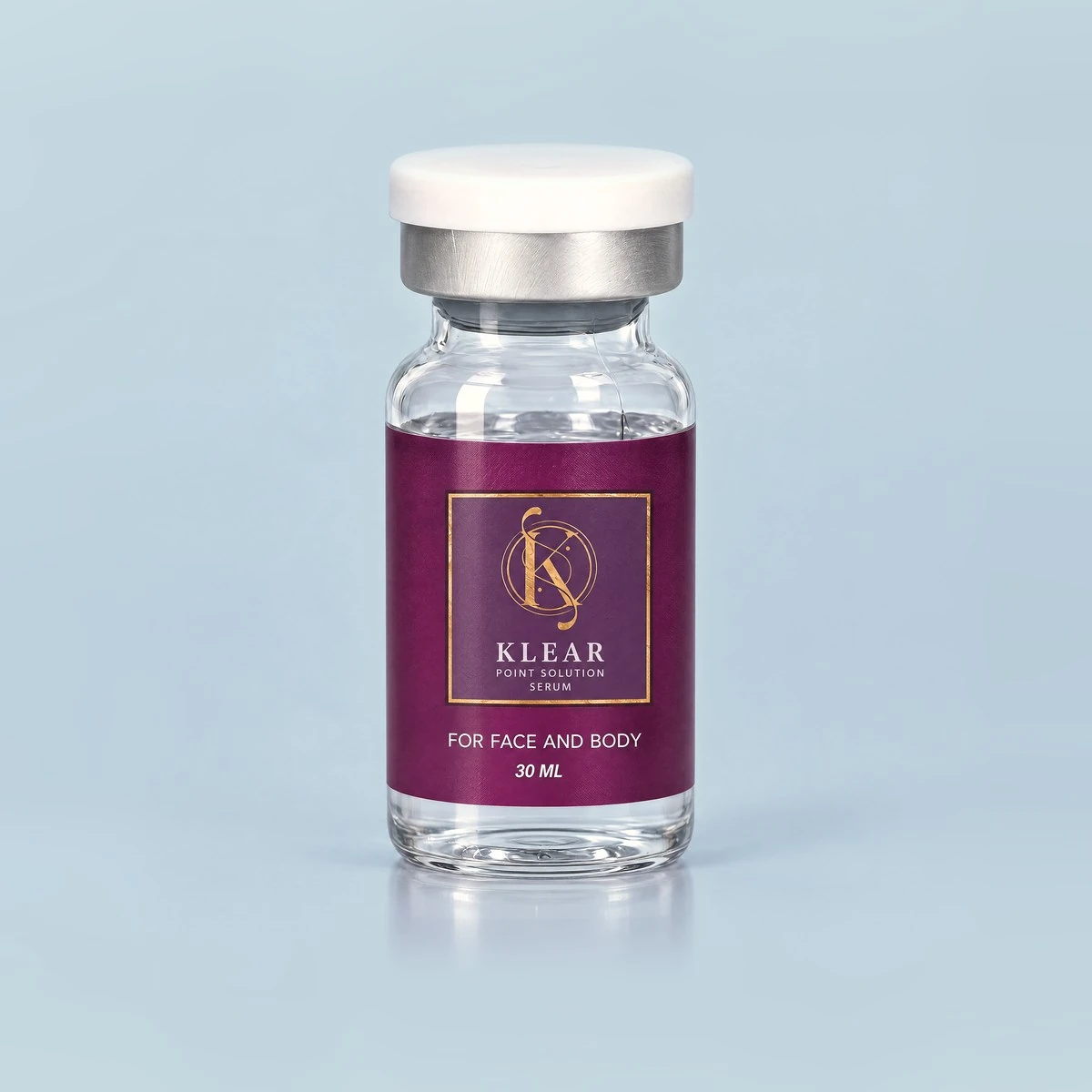
Klear Point has a purple label and Thai labelling; มิราเคิล บี พลัส has a yellow label. Colour helps identify packaging; written instructions explain use. Check expiry dates and container condition, and resolve differences between the listing and label before selection.
Speak to a doctor before choosing Meso Fat for a procedure, especially after cosmetic allergies, irritation or unusual product reactions. Mention medical conditions, medicines and earlier procedures, alongside your area of concern and previous products, to explain the relevant history.
Cheek and body contour concerns may involve different tissues and skin conditions. A doctor assesses whether to consider a product type or seek more details. Bring the listing and a clear label image, identifying its form to make the question more precise than a category name alone.
Store products according to their labels. Solutions, enzyme powders, serums and lotions may differ in requirements for temperature, light and container closure. Sharing a category does not mean sharing storage instructions. Resolve unclear or incomplete wording before use.
Check bottles, ampoules, closures and expiry dates. Keep labels visible to separate topical products from those for procedures. Containers can hold different types; shape cannot explain opening, mixing or use. A doctor sets handling for procedures; external-use solutions follow their own labels.