









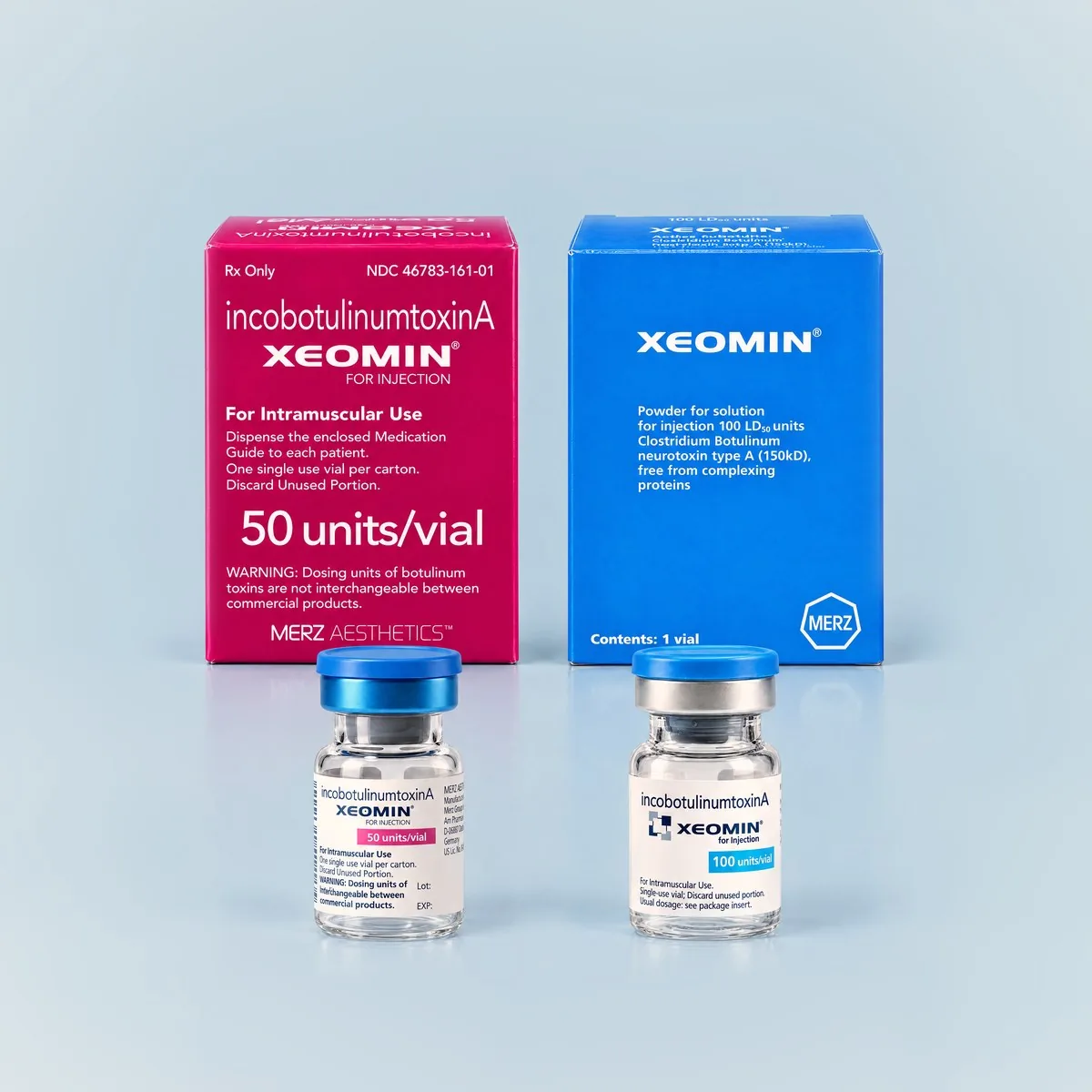
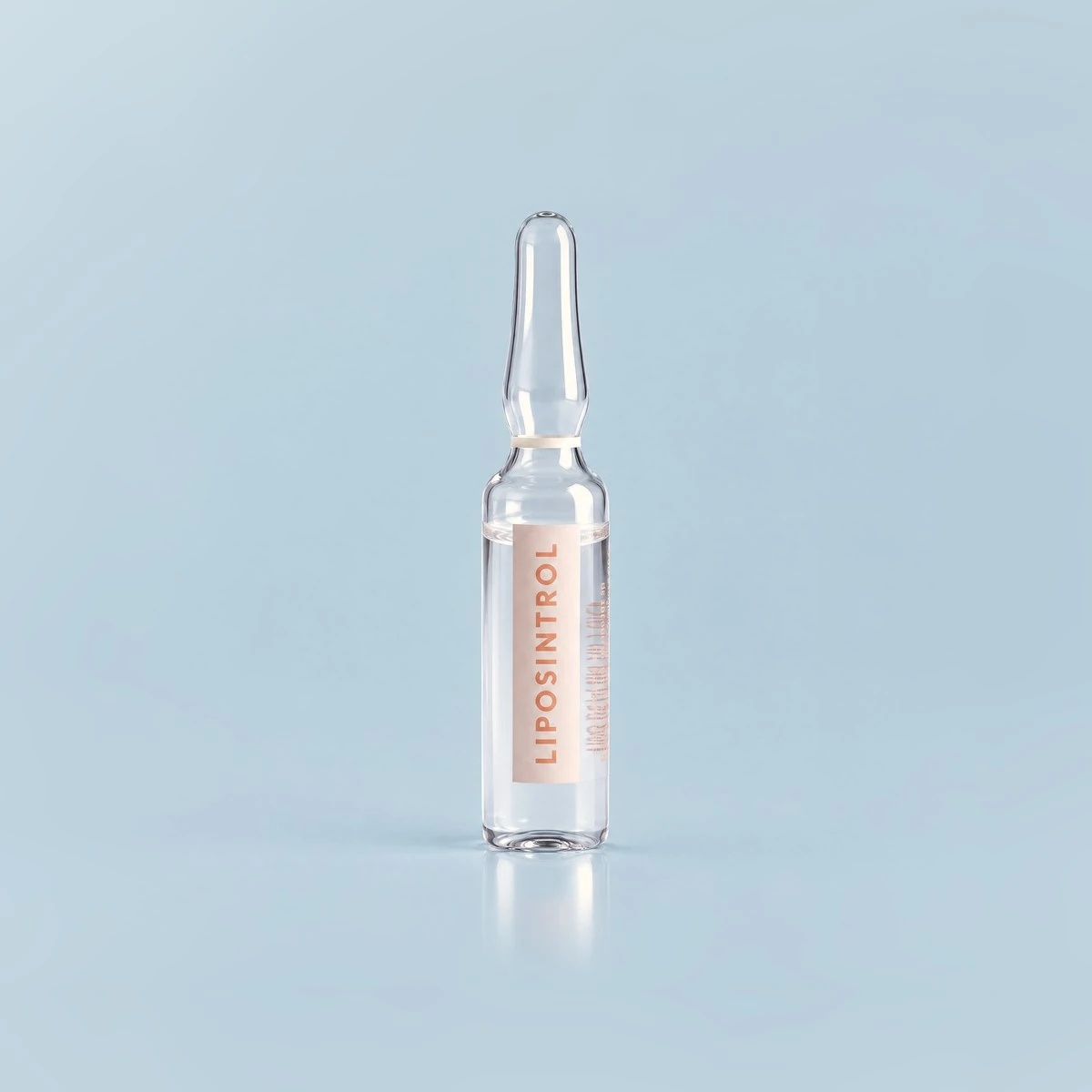
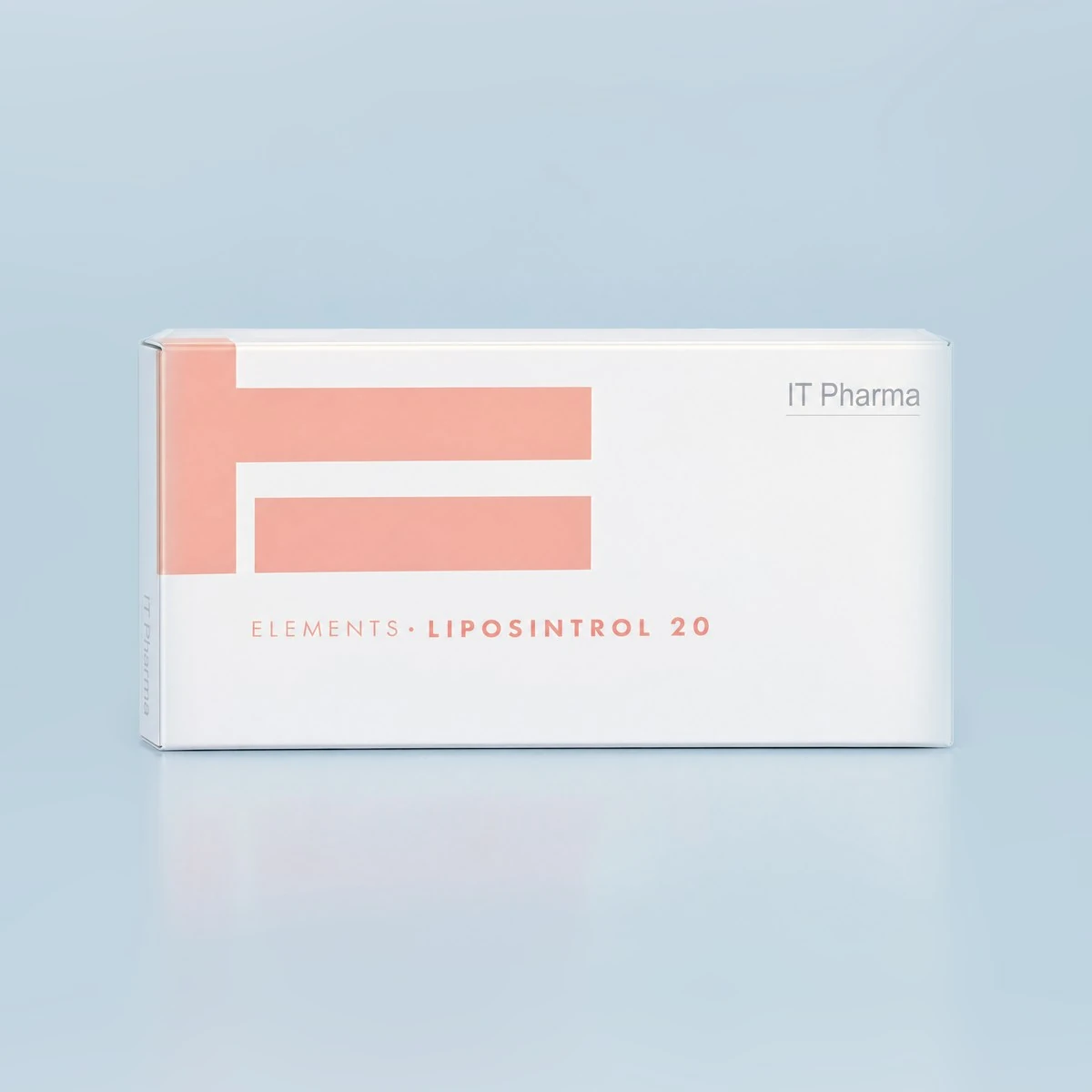

Liposintrol Body (1 box, 100 vials)
THB 7,200
 Juvelook (PDLLA): What It Is, What the Studies Show and Its Approval Status
 Skin Booster Results and Aftercare: How Long Until You See Results, and What to Avoid After Injection
 Exosome Facial and Exosome Skincare: What They Are, What the Studies Show and Approval Status
 Meso Fat vs Masseter Botox: How to Slim the Face
 Fat Dissolving Injections for Belly and Arms: The Facts
 Collagen Stimulators Explained: PLLA, PDLLA, PN, Profhilo and Exosomes Compared
 What Are Fat Dissolving Injections (Meso Fat)? A Guide
 Double Chin Injections: Kybella vs Meso-Fat Blends
Korean plant-based solution with centella and lecithin
Record an unboxing video every time, from before you open the parcel until it is unpacked, in one uncut take. Without the video, no claim can be accepted.
You can claim
No claim
Results vary from person to person
S-Line Solution Essence (S-Line Plant-Based Solution) is a face-and-body solution from South Korea, made and distributed by DAEJIN MEDICINE Co., Ltd. It comes five 10 ml vials to a box.
Lecithin is the name for a group of glycerophospholipids that bind both water and fat. It occurs in soybeans, sunflower seeds and egg yolk, and its main component is phosphatidylcholine. In food and medicine it is used as an emulsifier.
Centella asiatica, or gotu kola, is a perennial herb of the Apiaceae family found in the tropics of Africa, Asia and Australia. The leaves are the part used, and the key compounds are triterpenoids such as asiaticoside. Traditional medicine has used it for skin conditions and minor wounds. Wikipedia states that clinical research has not proven its efficacy and safety, and that it can cause contact dermatitis.
Scutellaria baicalensis, or Baikal skullcap, belongs to the mint family and is native to China, Korea, Mongolia and Russia. The dried root is used, and traditional Chinese medicine calls it huangqin (黄芩). Its main compounds are baicalin, baicalein and wogonin. Liver injury has been reported with oral supplements containing the plant, so tell the doctor about any medical conditions and the medicines you take.
The substances used in meso vary: plant extracts, vitamins, enzymes or medicines. DermNet gives lecithin as one commonly used example.
DermNet states that there is no standard for the choice of substance, the dose or the frequency of injection. Choose a clinic or hospital with a licensed doctor, bring the box to the consultation, and mention any medicines or products you already use before a plan is made.
DermNet lists several side effects of mesotherapy: allergic reactions, inflammation, swelling, skin infection, bruising and changes in skin colour. More serious ones are ulceration, scarring, deformity at the injection site and inflammation of the fat layer (panniculitis).
Before treatment, ask the doctor how to care for the area afterwards, which symptoms need a return visit, and how to contact the clinic.
Meso, or mesotherapy, is a method in which a doctor injects a mixture into the fat layer under the skin at chosen sites with very fine needles, as DermNet describes it. The mixtures vary, for example plant extracts, vitamins and enzymes.
There is no single timetable that fits every formula. Follow-up and the number of sessions are set by the treating doctor for each person, so ask before starting.
The doctor who injects will explain aftercare for the formula and method actually used, and should be told about your medicines and supplements. If anything unusual appears after the injection, contact the clinic that treated you.
The formula contains soy lecithin. Wikipedia notes that soy lecithin lacks enough allergenic protein for most people with a soy allergy, but the decision belongs to the doctor. Bring your allergy history to the doctor before use.
The price depends on the model and the quantity.
This information is for general knowledge and does not replace a doctor's advice. Every procedure should be performed by a licensed doctor in a medical facility.
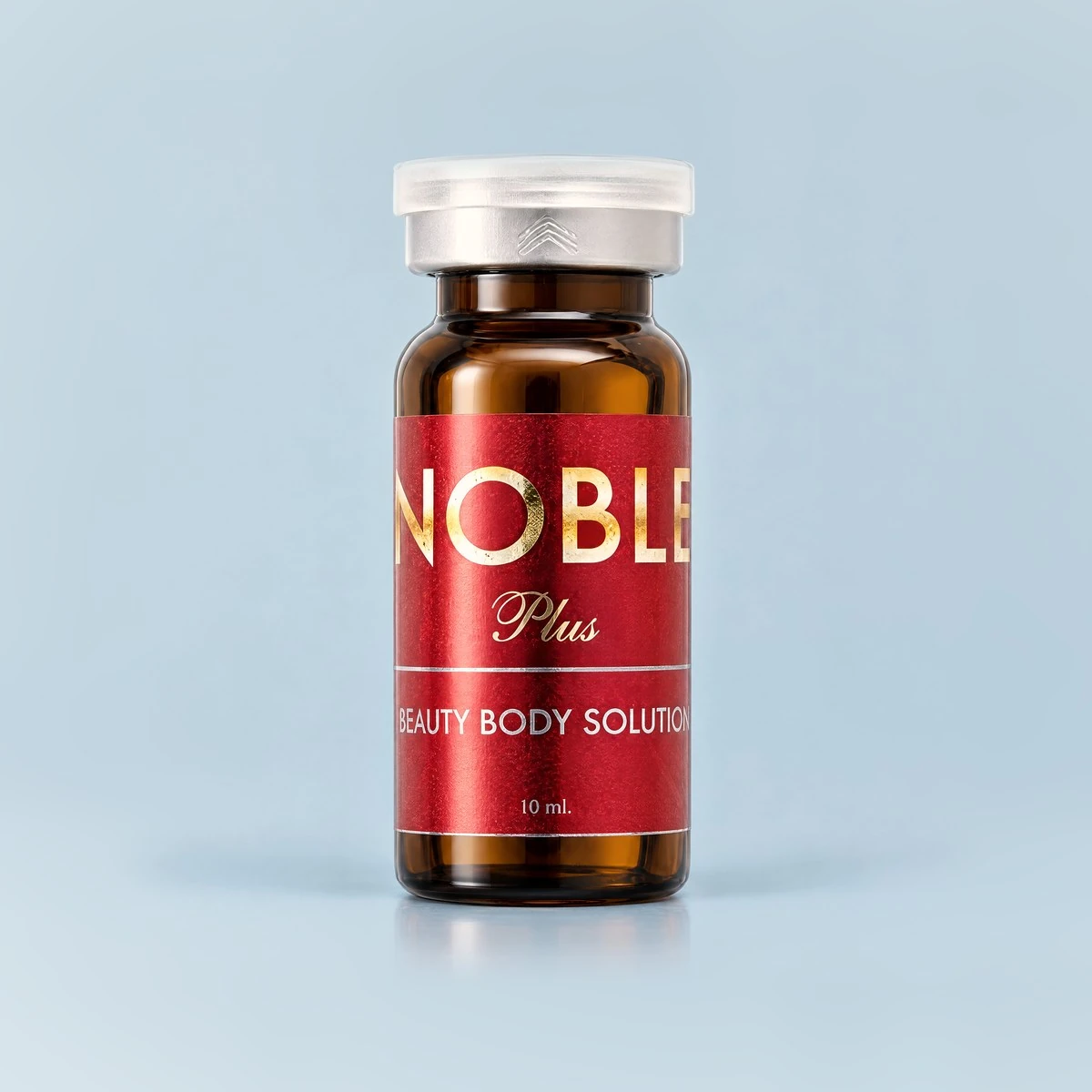
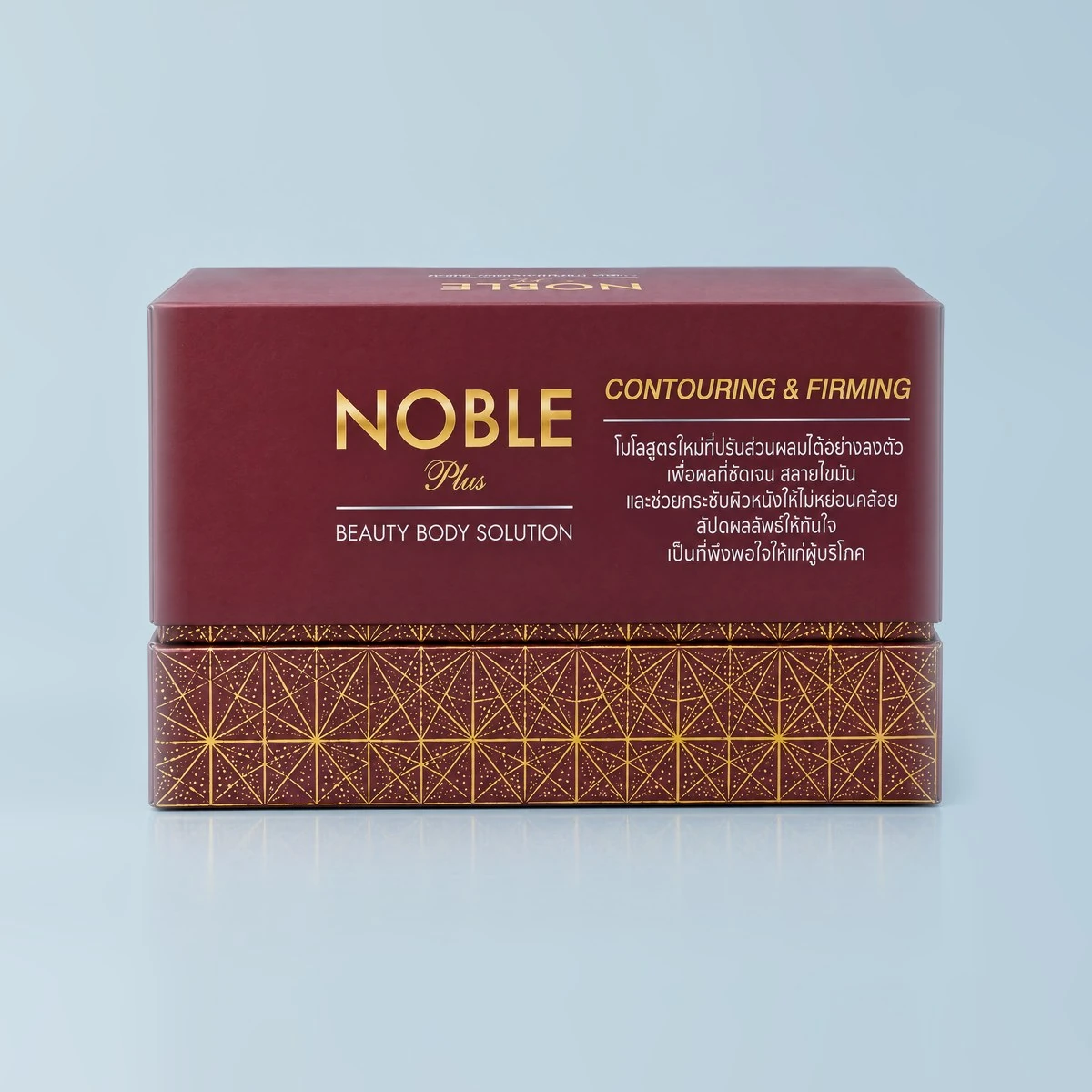 Thai label

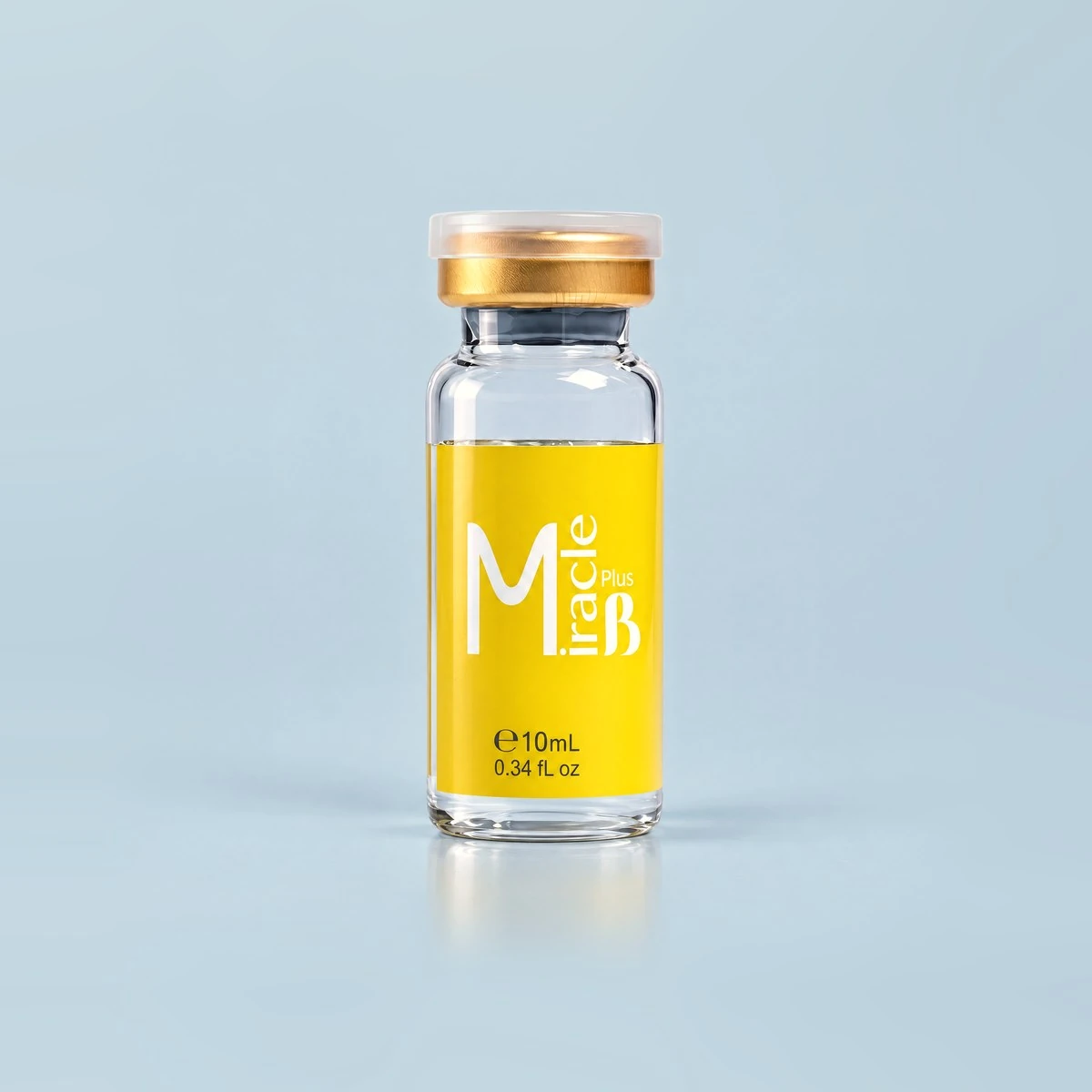
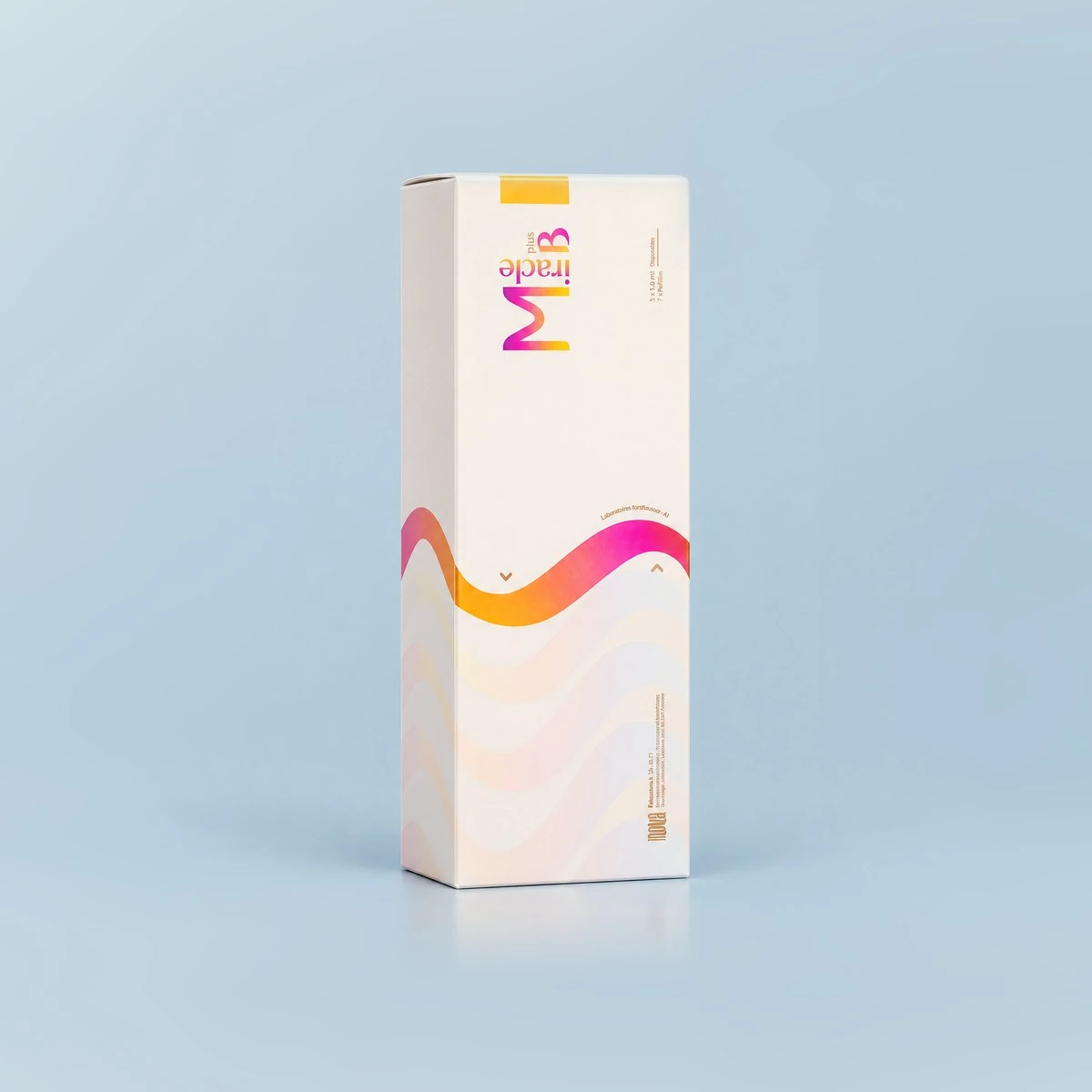 Thai label
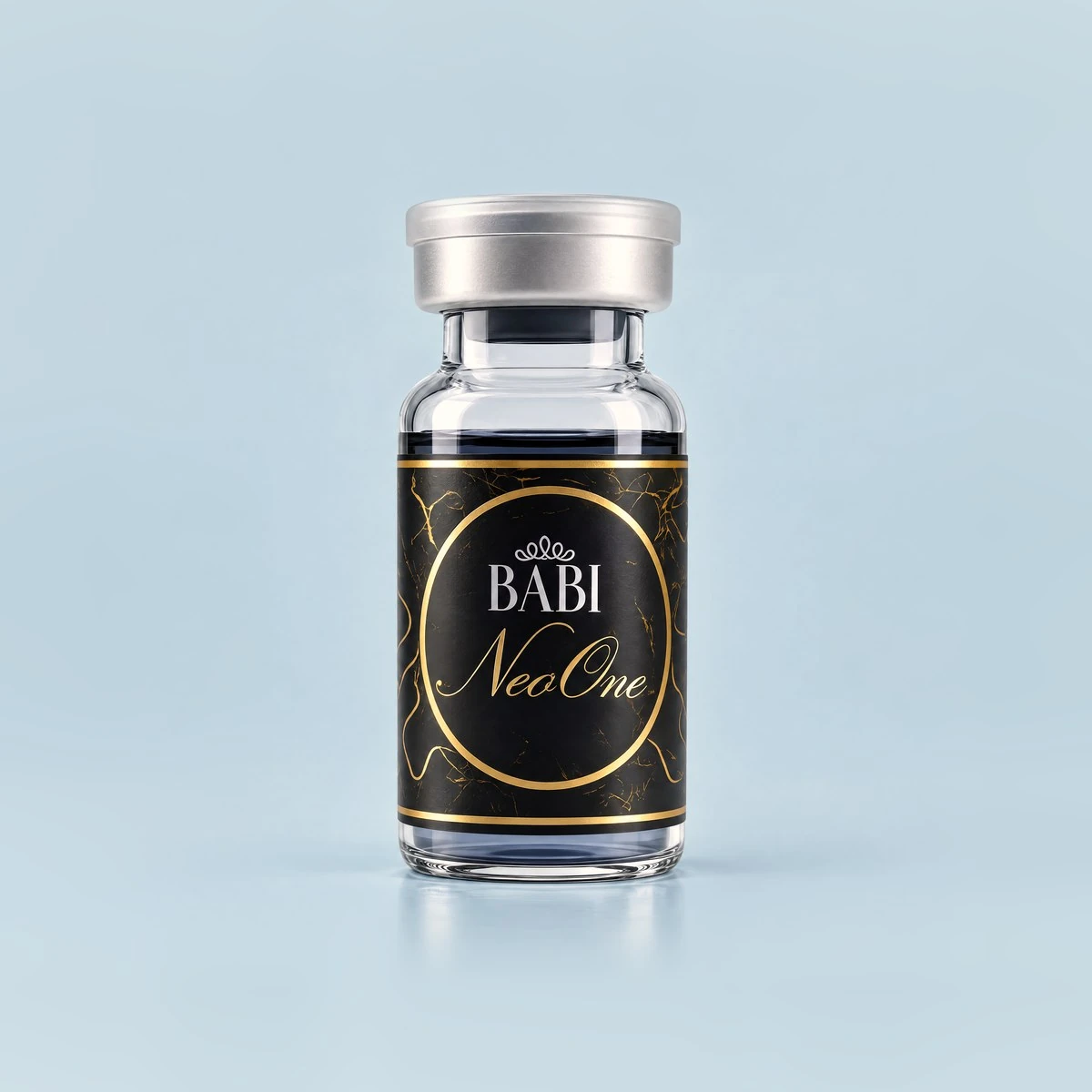
 Thai label