













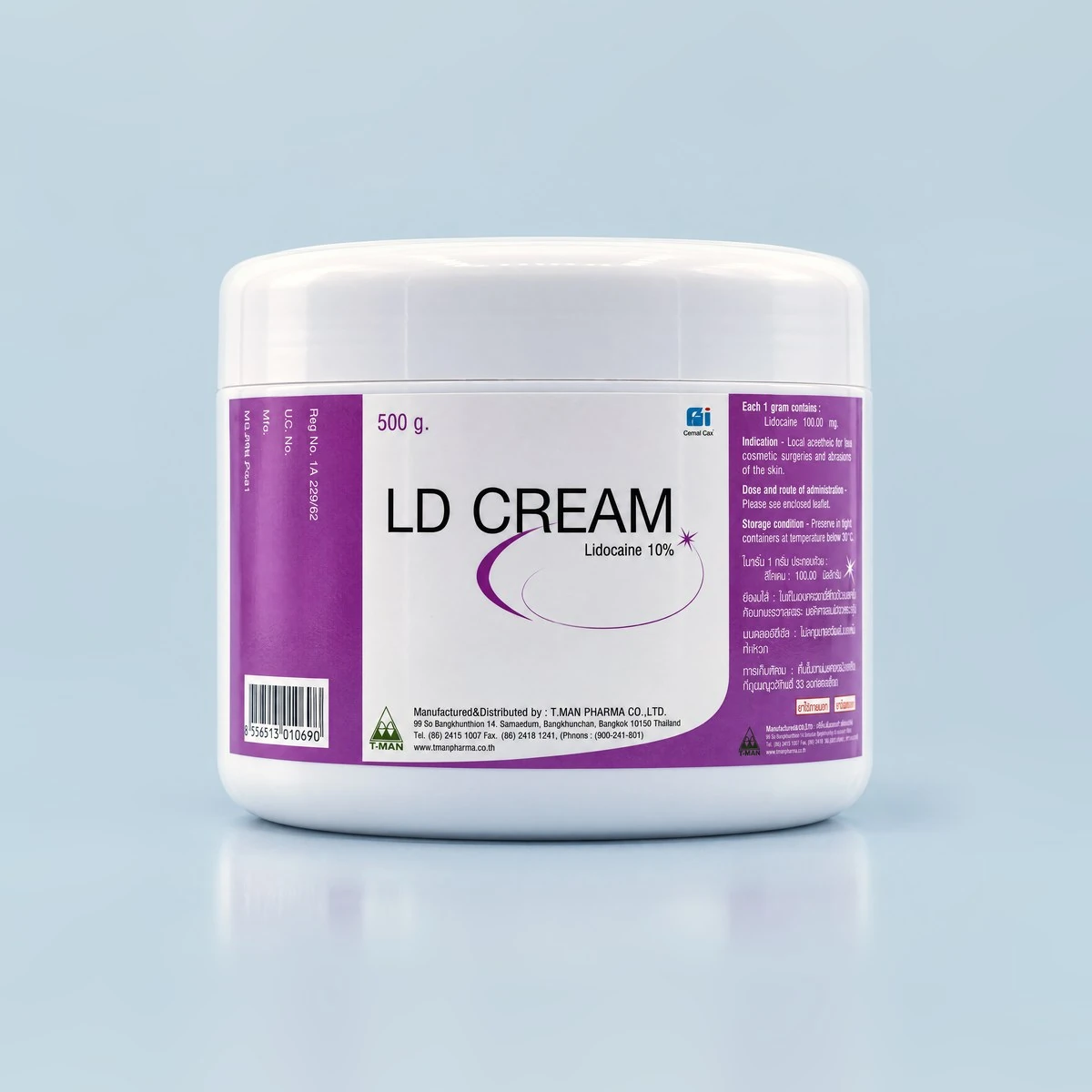
 Thai label
LD Cream 500g
THB 3,420
 Juvelook (PDLLA): What It Is, What the Studies Show and Its Approval Status
 Skin Booster Results and Aftercare: How Long Until You See Results, and What to Avoid After Injection
 Exosome Facial and Exosome Skincare: What They Are, What the Studies Show and Approval Status
 Meso Fat vs Masseter Botox: How to Slim the Face
 Fat Dissolving Injections for Belly and Arms: The Facts
 Collagen Stimulators Explained: PLLA, PDLLA, PN, Profhilo and Exosomes Compared
 What Are Fat Dissolving Injections (Meso Fat)? A Guide
 Double Chin Injections: Kybella vs Meso-Fat Blends

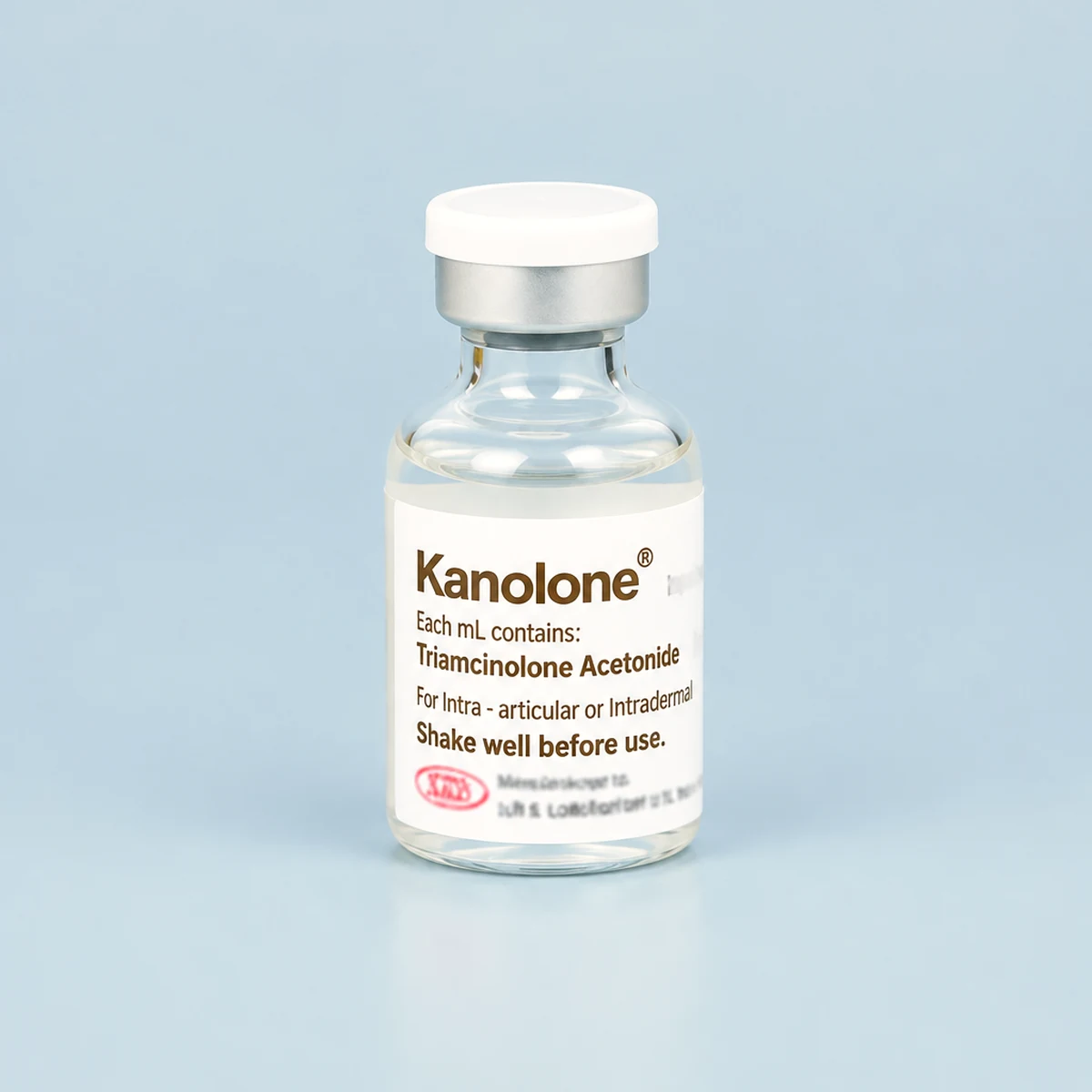
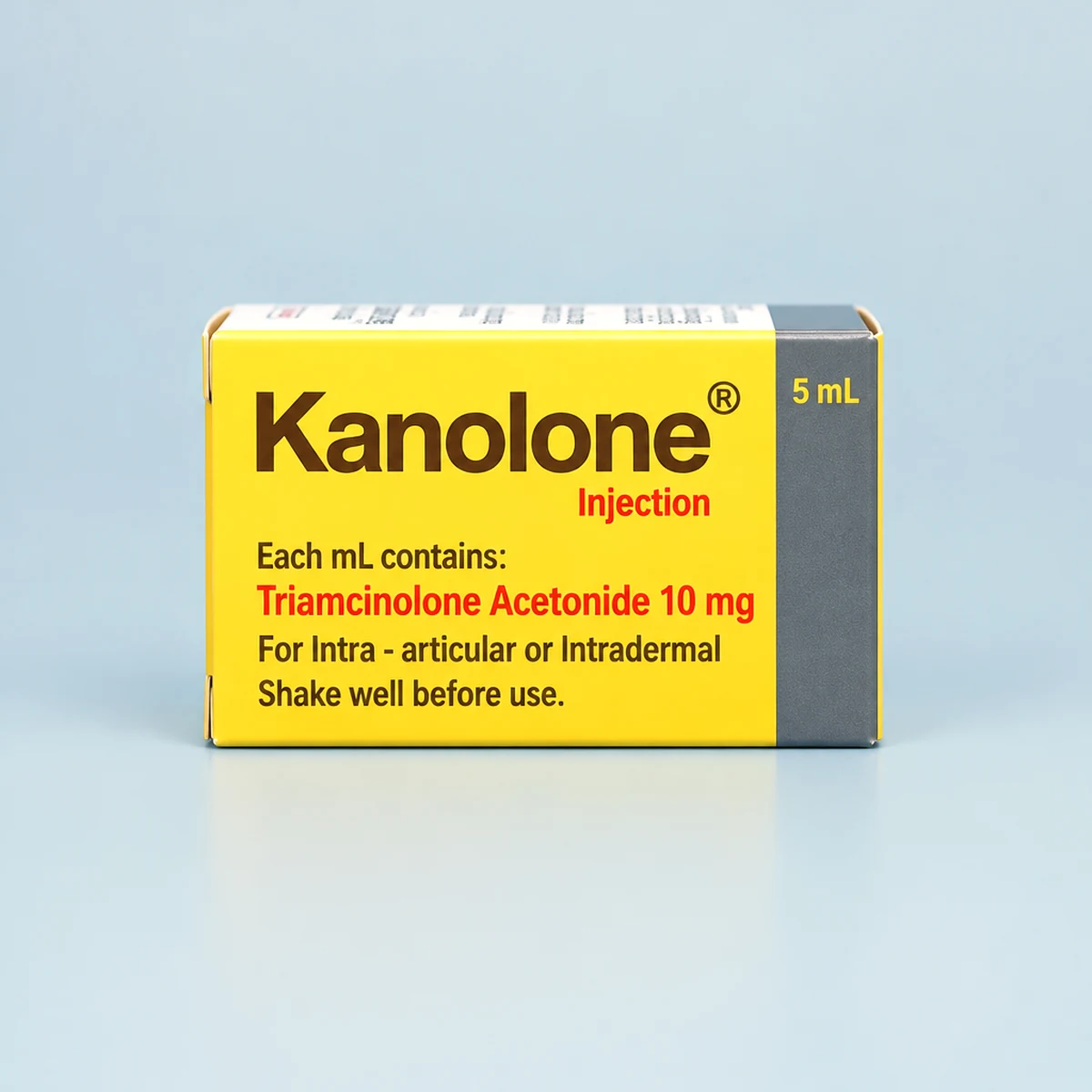
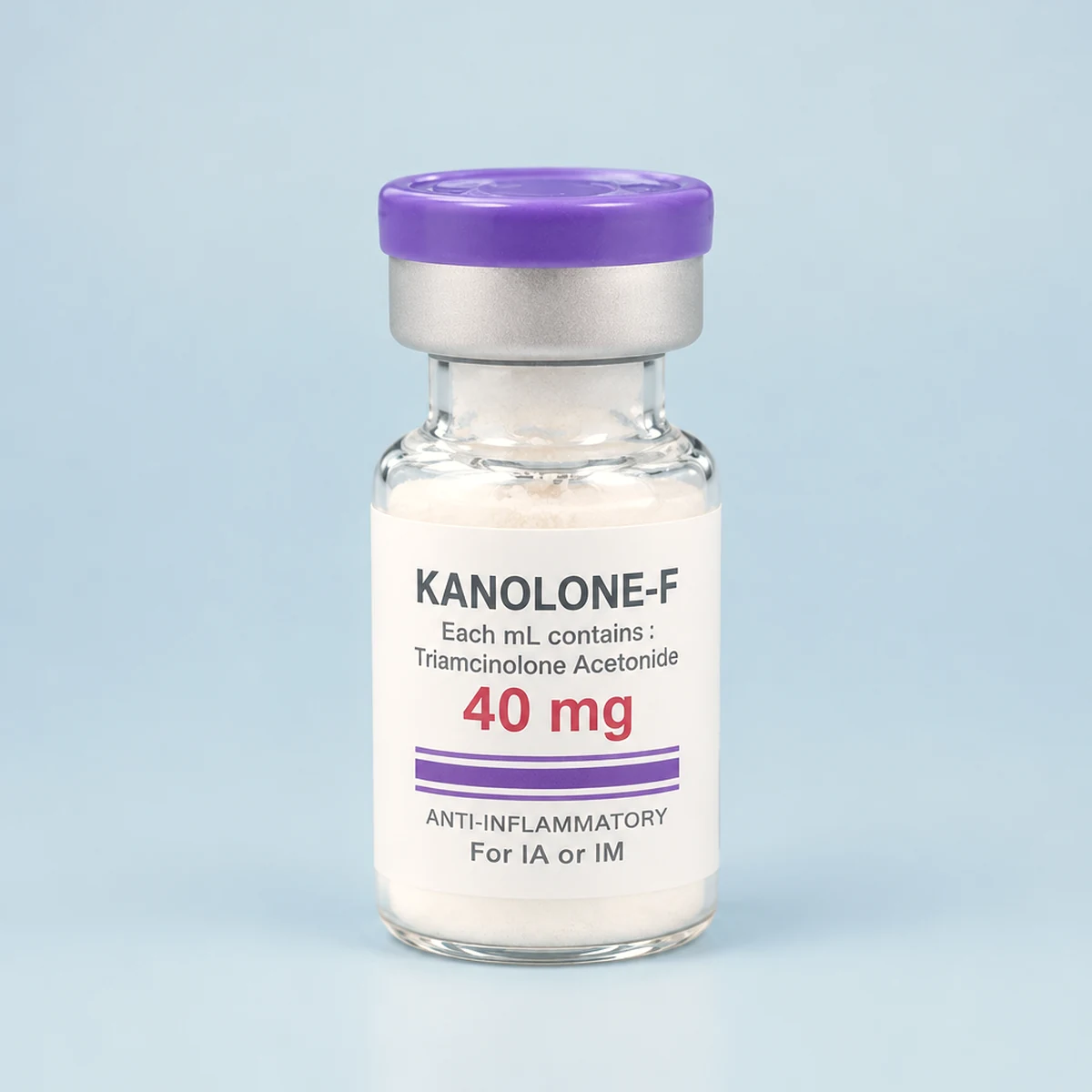
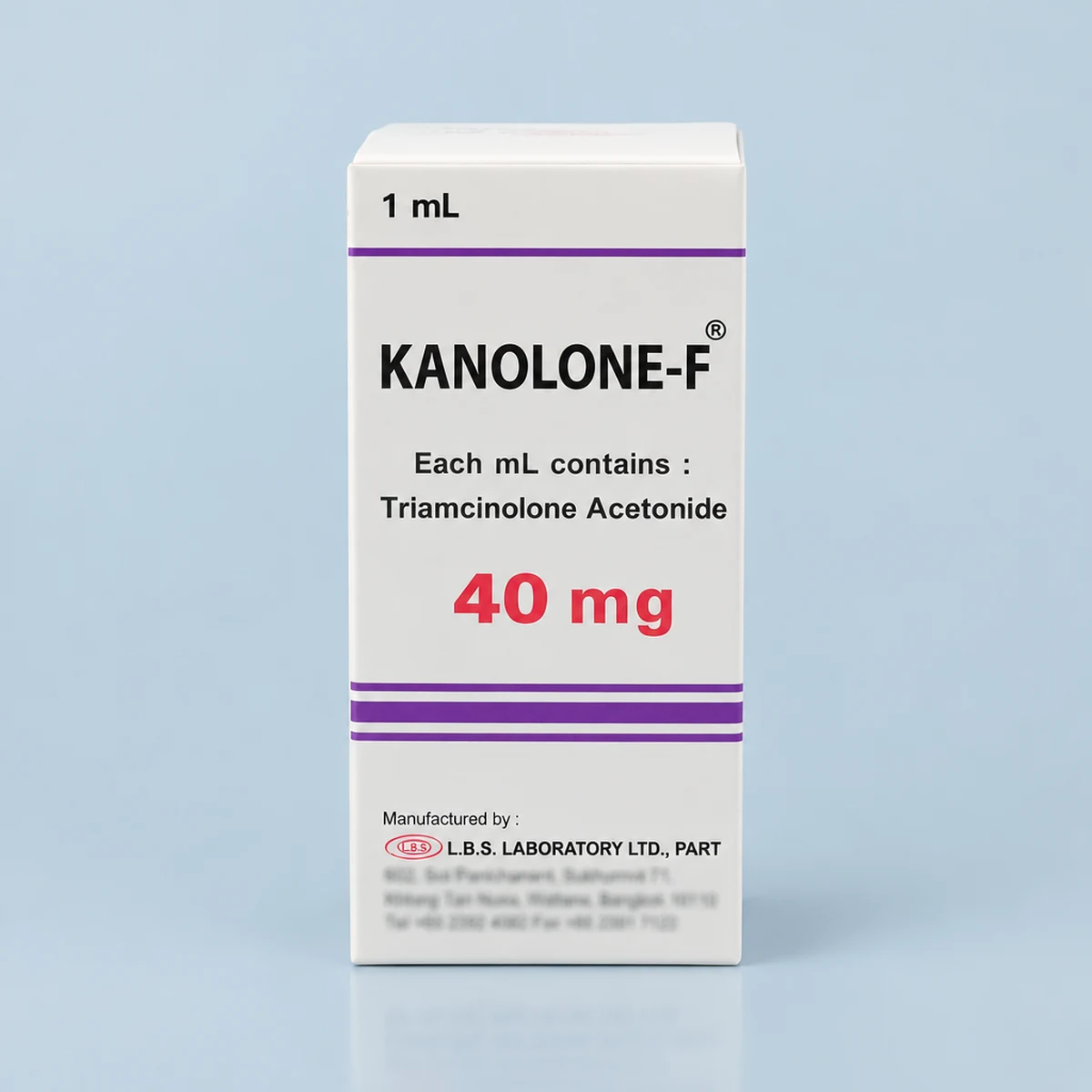
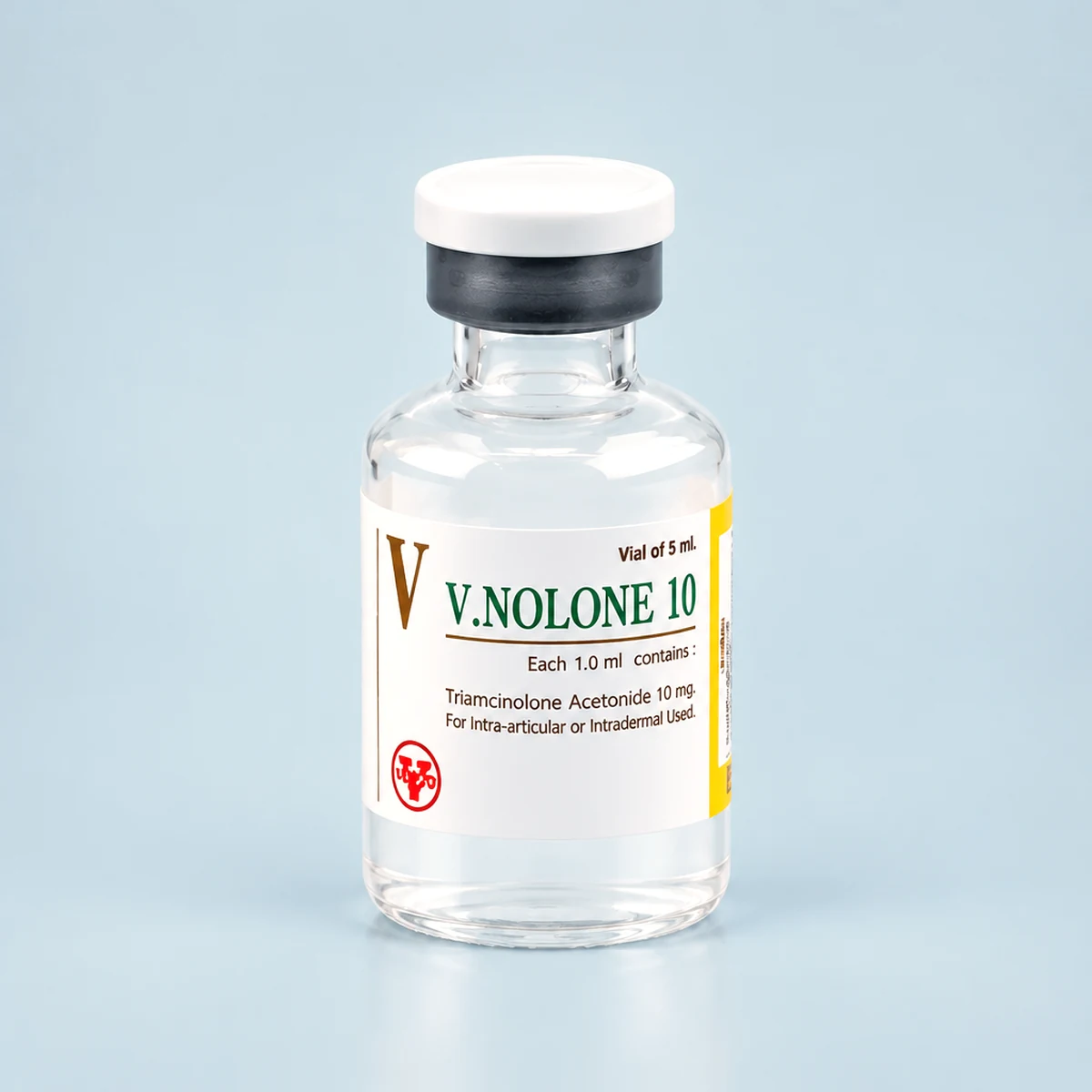
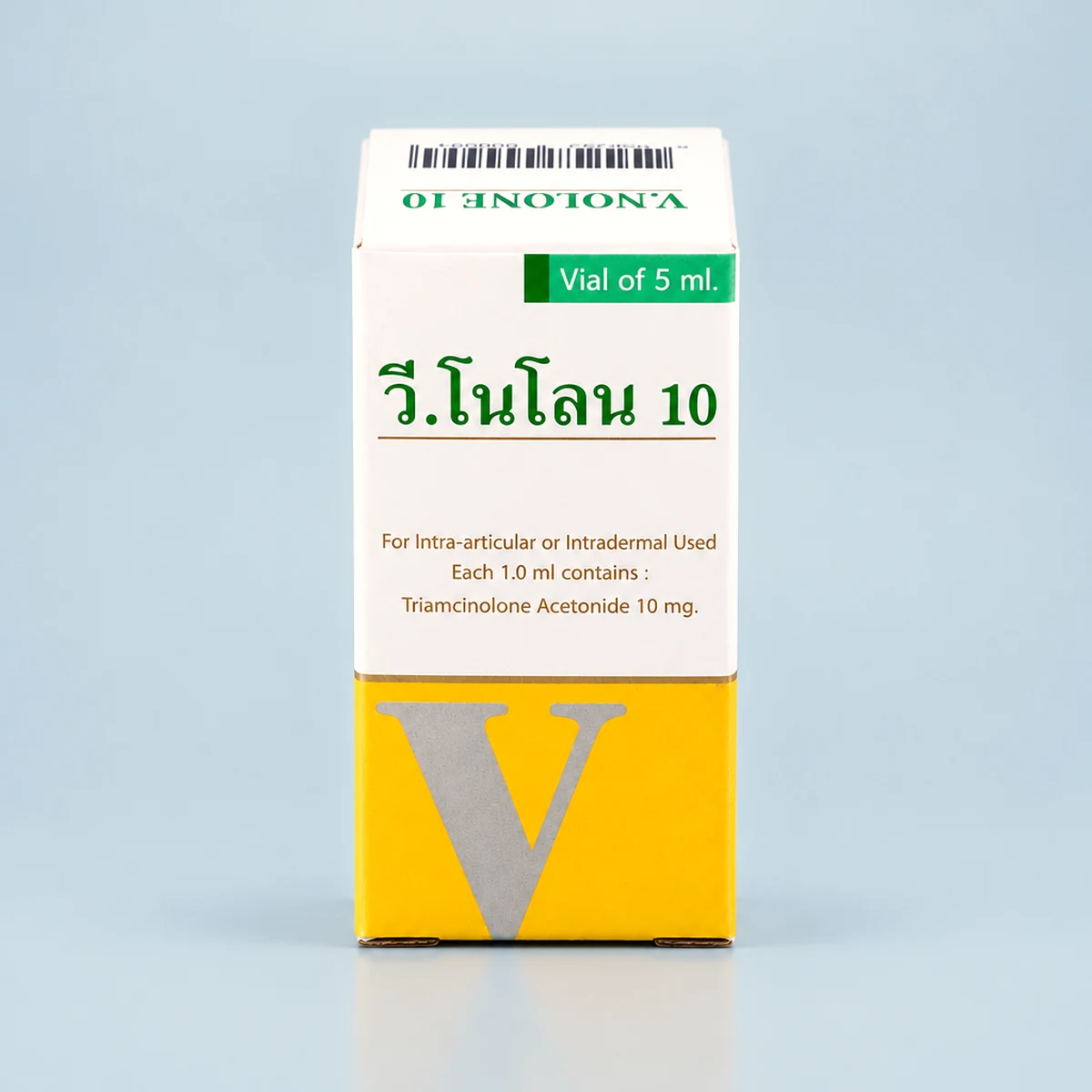
Other supplies in this category fall into two groups. The first is topical anaesthetic creams: LD Cream, a 10% lidocaine cream in a 500 g size, and Wells Pharm, a Korean topical anaesthetic cream in 450 g jars sold as a pack. The second is triamcinolone acetonide injections such as Kanolone, Kanolone-F and V-nolone, which doctors inject into skin lesions.
The creams go on the skin surface; triamcinolone is an injected corticosteroid. They are different kinds of product, so read the box name, active substance, strength and pack size on each label. Choosing how to use them is for a doctor or pharmacist.
Thai label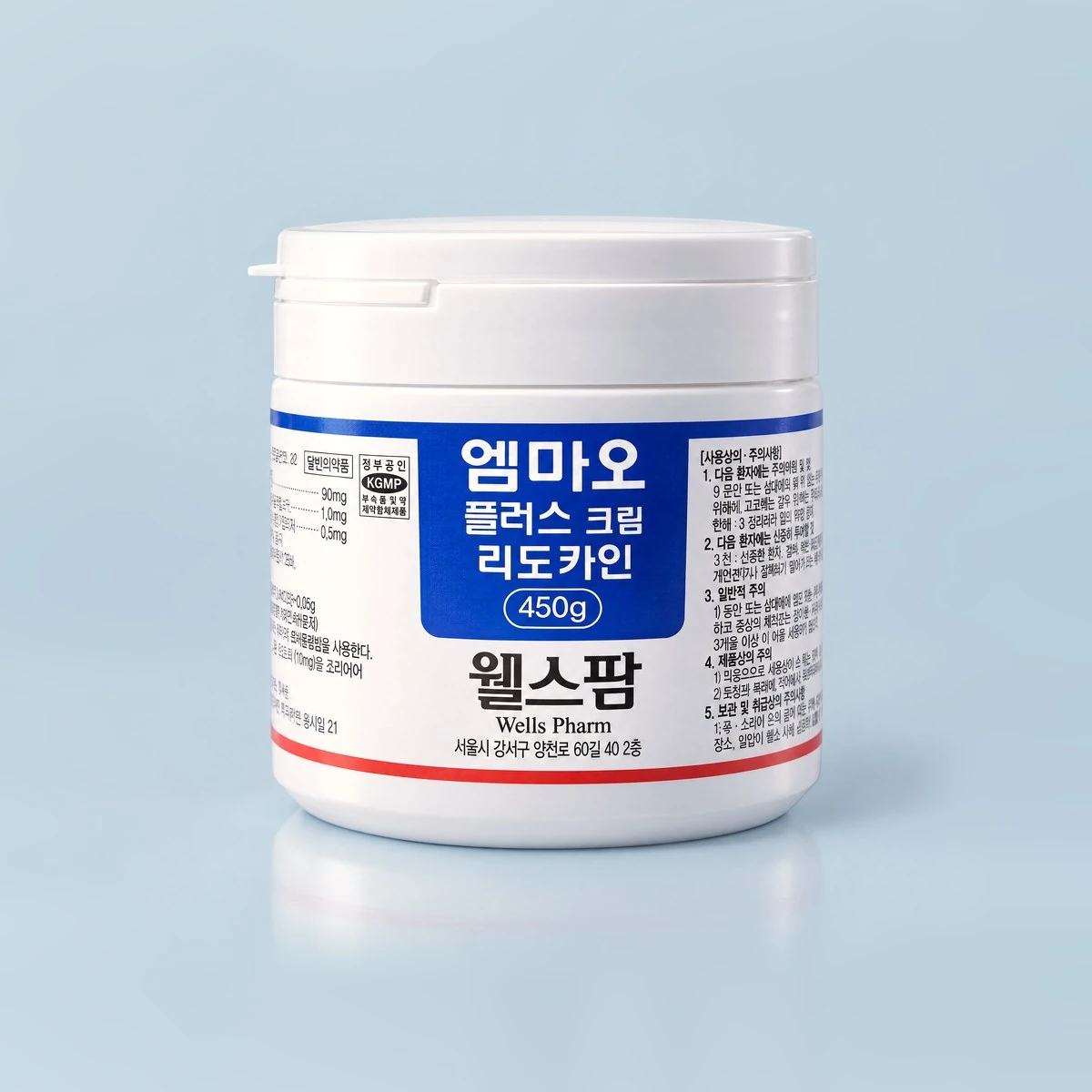


References
This category holds what fits none of Botox or Filler, in two groups: topical anaesthetic creams (LD Cream and Wells Pharm) and triamcinolone acetonide injections (Kanolone, Kanolone-F and V-nolone).
Injectable anaesthetics and some lidocaine creams are in Anesthetic. A category name alone does not say what a medicine is for, so the active substance and indications come from each item's label.
A topical anaesthetic, searched for in Thai as ยาชาแบบทา or ครีมชา, is a cream applied to the skin surface with a local anaesthetic as its active substance. Lidocaine is an amide-type local anaesthetic, as a lidocaine cream label on DailyMed classes it. LD Cream here is a 10% lidocaine cream with a Thai label in a 500 g size. Wells Pharm is a Korean topical anaesthetic cream in 450 g jars sold as a pack; its active substance should be read from the box label.
A 4% lidocaine cream label on DailyMed says to use it on normal skin, not on raw or blistered areas, not over large areas of the body, and to avoid the eyes. An FDA warning letter says applying it over large areas, on irritated or broken skin, or covering the skin afterwards lets more of the active ingredient reach the bloodstream and can cause serious injury.
Start with the box name, active substance and strength in percent; 4% means 4 g of drug in 100 g of cream, as the DailyMed label writes it. Then check the pack size (such as 500 g, or a 450 g jar), manufacturer, batch number and expiry date. Pack size says how much cream is in the container, not how strong it is; strength comes from the percentage.
The FDA warning letter gives 0.5% to 4% as the lidocaine range for over-the-counter pain relievers. A cream stronger than that, such as LD Cream at 10%, is a supply for which a doctor or pharmacist decides who uses it, where and how. Anyone who has had an allergy to amide-type anaesthetics should tell the doctor first, since the DailyMed label lists it as a contraindication.
Triamcinolone acetonide is a synthetic corticosteroid that acts as a glucocorticoid, as Wikipedia summarises. It comes in several forms: topical, injected into joints, injected into lesions and as a nasal spray. Most forms are prescription medicines.
MedlinePlus describes triamcinolone injection as used to reduce inflammation and to treat allergic reactions and low corticosteroid production, given by a healthcare provider into a muscle, a joint or a lesion, meaning an area of damaged skin. The name on the box identifies the substance; where it may be used depends on the concentration and the label of that product.
An acne injection means a doctor injects a steroid such as triamcinolone into individual inflamed acne lesions. A paper in the Journal of Clinical and Aesthetic Dermatology reports that cysts and inflammatory papules are the lesions injected most often, and describes intralesional steroids as a way of reducing inflammation in individual acne lesions.
Acne is not on the list of intralesional uses on the manufacturer's Kenalog-10 information page, so using it for acne is a dermatologist's judgment case by case. The same paper lists skin atrophy, capillary dilation and hypopigmentation as associated effects, worth raising with the doctor.
Keloids are among the intralesional uses listed on the manufacturer's Kenalog-10 page, alongside alopecia areata, discoid lupus erythematosus and localised inflamed plaques of conditions such as lichen planus and psoriasis. A keloid injection means the doctor injects the medicine directly into that lesion.
A JAAD Case Reports article describes a patient who received triamcinolone into a keloid above the navel and developed thinning skin, loss of the fat beneath it, lighter skin and visible fine vessels. It states that injected corticosteroids can cause atrophy and pigment change and, infrequently, infection, bleeding and hypersensitivity, so these are points to discuss first.
The Kenalog information page says the site and volume of an intralesional injection should be considered carefully because of possible cutaneous atrophy, and that injecting more sites or a larger total volume increases systemic absorption and effects.
MedlinePlus lists itching, rash and hives as reactions to report to the doctor, and asks patients to mention allergies, infection, diabetes, high blood pressure or osteoporosis before treatment.
Start with the box name and active substance, the concentration per millilitre, the manufacturer, batch number, expiry date and the section naming the routes. In the Kenalog range, the manufacturer's page says Kenalog-10 is not for intramuscular use and Kenalog-40 and Kenalog-80 are not for intradermal use, so the number in the name matters for the route.
No Kenalog injection is for intravenous, intraocular, epidural or intrathecal use, and they contain benzyl alcohol, so they are not for neonates. Kanolone, Kanolone-F and V-nolone are other trade names: routes, concentrations and contraindications must come from each item's own label, not from Kenalog's.
Wikipedia says most forms of triamcinolone are prescription drugs, and MedlinePlus says the injection is given by a healthcare provider, so these are supplies for doctors and clinics, not for self-injection. For the topical creams, the prescription status of each item is read from its label and confirmed with a pharmacist.
Whether to use a cream or an injection, where, at what strength and with what follow-up is for the doctor or pharmacist. This category only describes the products. Tell the doctor about drug allergies, health conditions and current medicines.