













Tationil 600mg
THB 1,980
 Juvelook (PDLLA): What It Is, What the Studies Show and Its Approval Status
 Skin Booster Results and Aftercare: How Long Until You See Results, and What to Avoid After Injection
 Exosome Facial and Exosome Skincare: What They Are, What the Studies Show and Approval Status
 Meso Fat vs Masseter Botox: How to Slim the Face
 Fat Dissolving Injections for Belly and Arms: The Facts
 Collagen Stimulators Explained: PLLA, PDLLA, PN, Profhilo and Exosomes Compared
 What Are Fat Dissolving Injections (Meso Fat)? A Guide
 Double Chin Injections: Kybella vs Meso-Fat Blends

Glutathione occurs naturally in the body and has an antioxidant role. This collection includes glutathione powders, alpha-lipoic acid products, sets with vitamin C and serum sets. Ingredients and forms vary across the range.
Clinic buyers and people preparing to speak with a doctor can start with the ingredient and packaging details. The sections below cover the basics, origins, labels and storage, helping you compare what each product listing says.
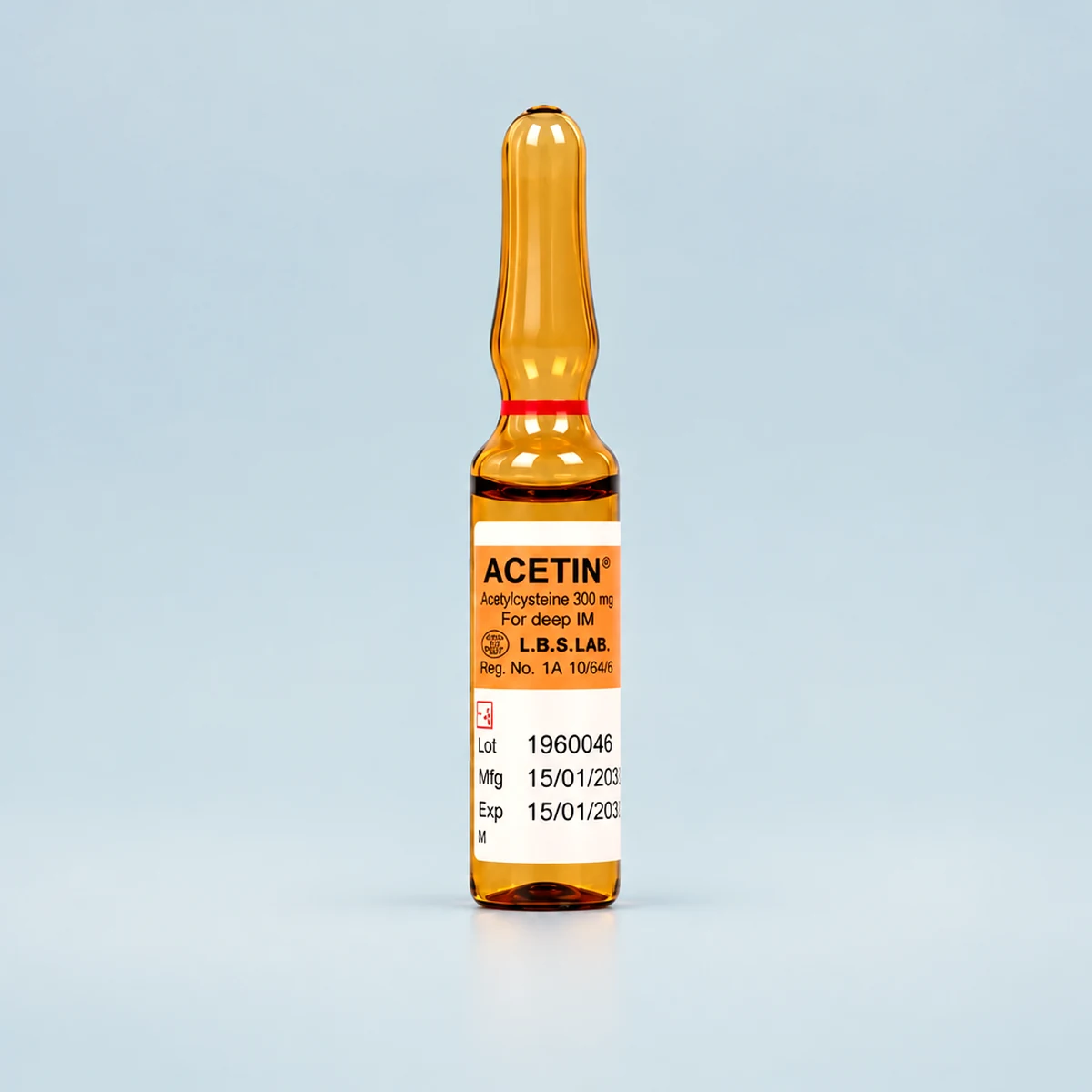
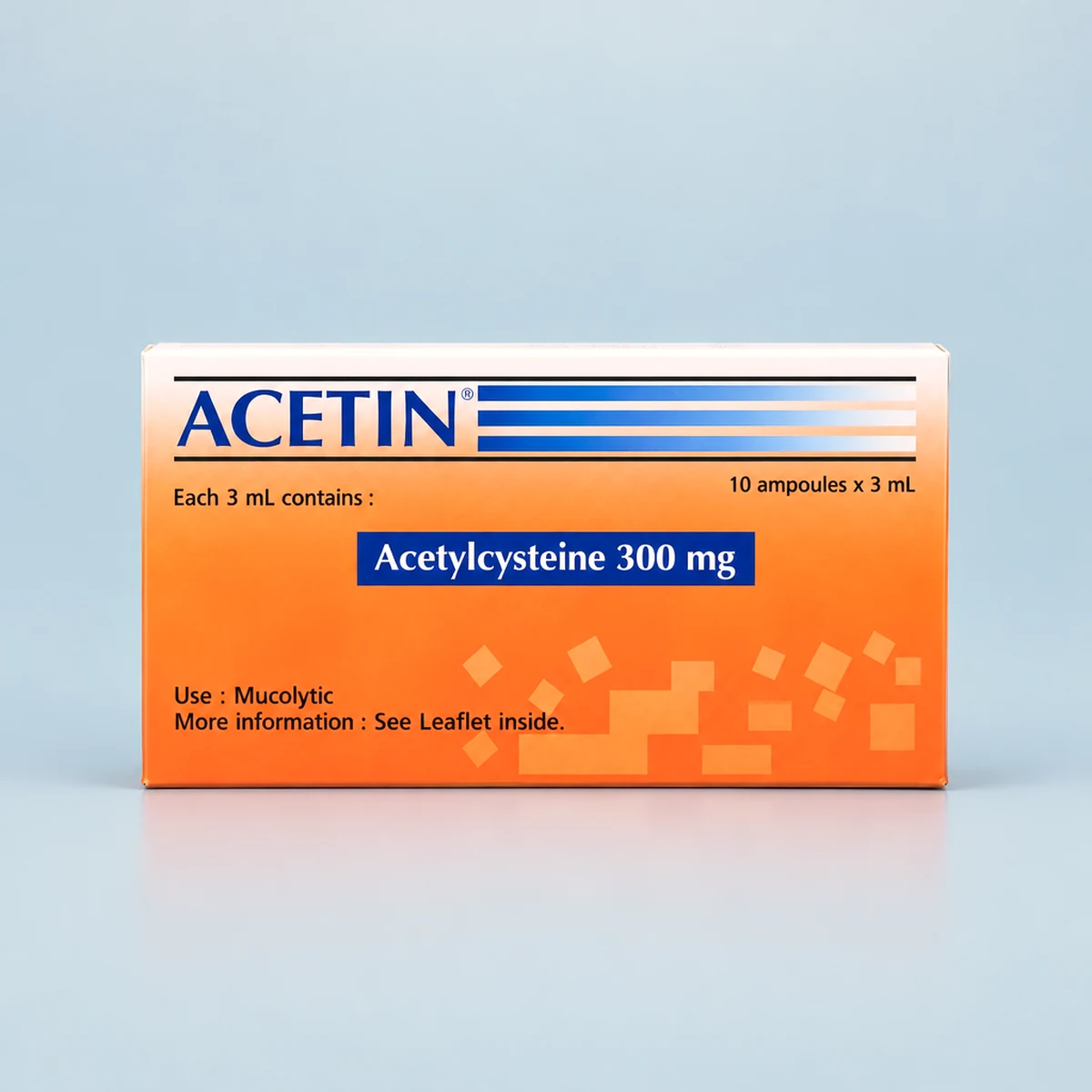
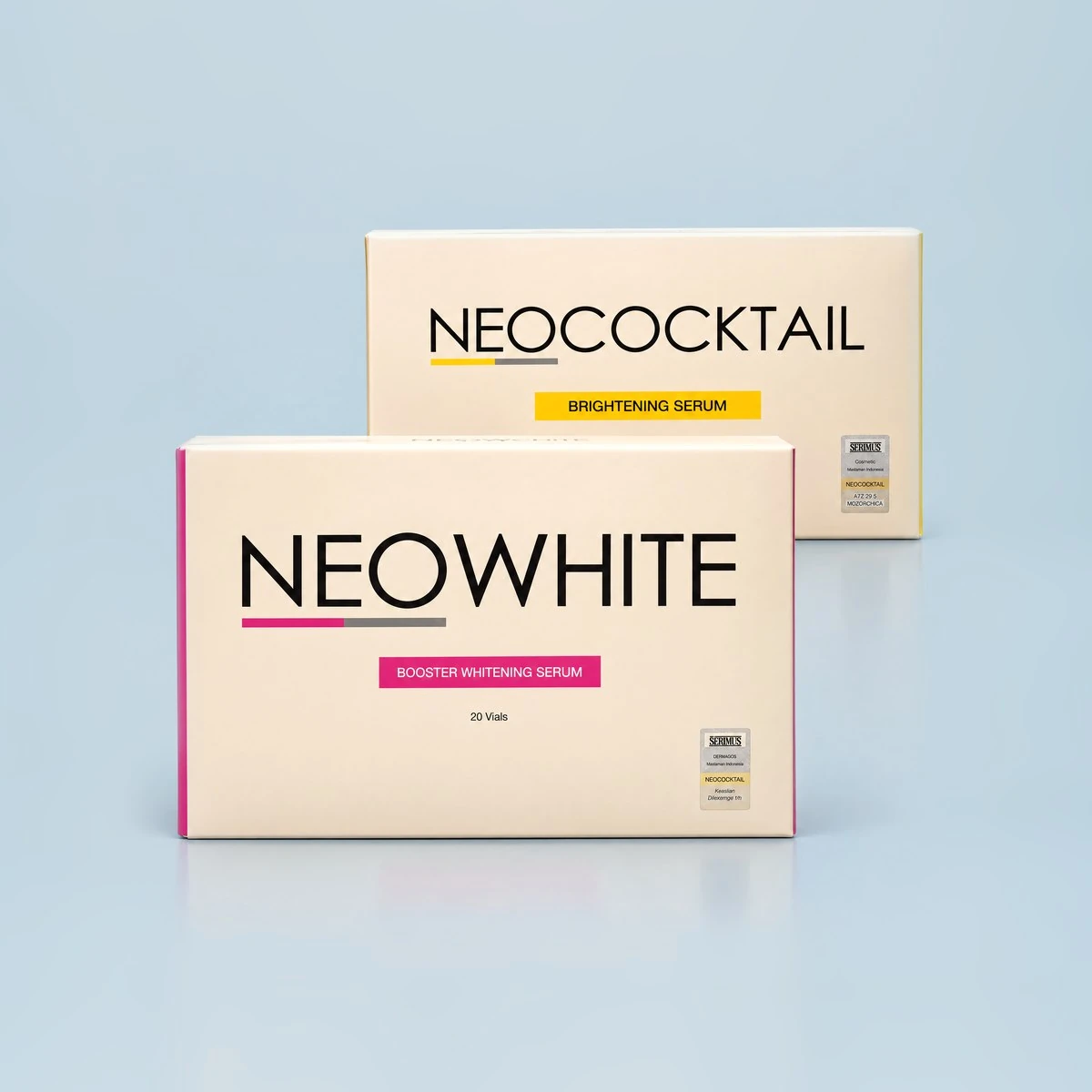 Thai label

References
Glutathione occurs naturally in the body and has an antioxidant role. When reading about skin care, distinguish that role from the details of a particular product. A category name helps you find related items, but it does not describe all their ingredients or purposes.
Here, glutathione comes as dry powder, alpha-lipoic acid as a solution, and vitamin C as part of a set. Serum sets have separate listings too. Distinguish ingredient, product and set names to see what you are comparing, without treating the category as a prediction of skin changes.
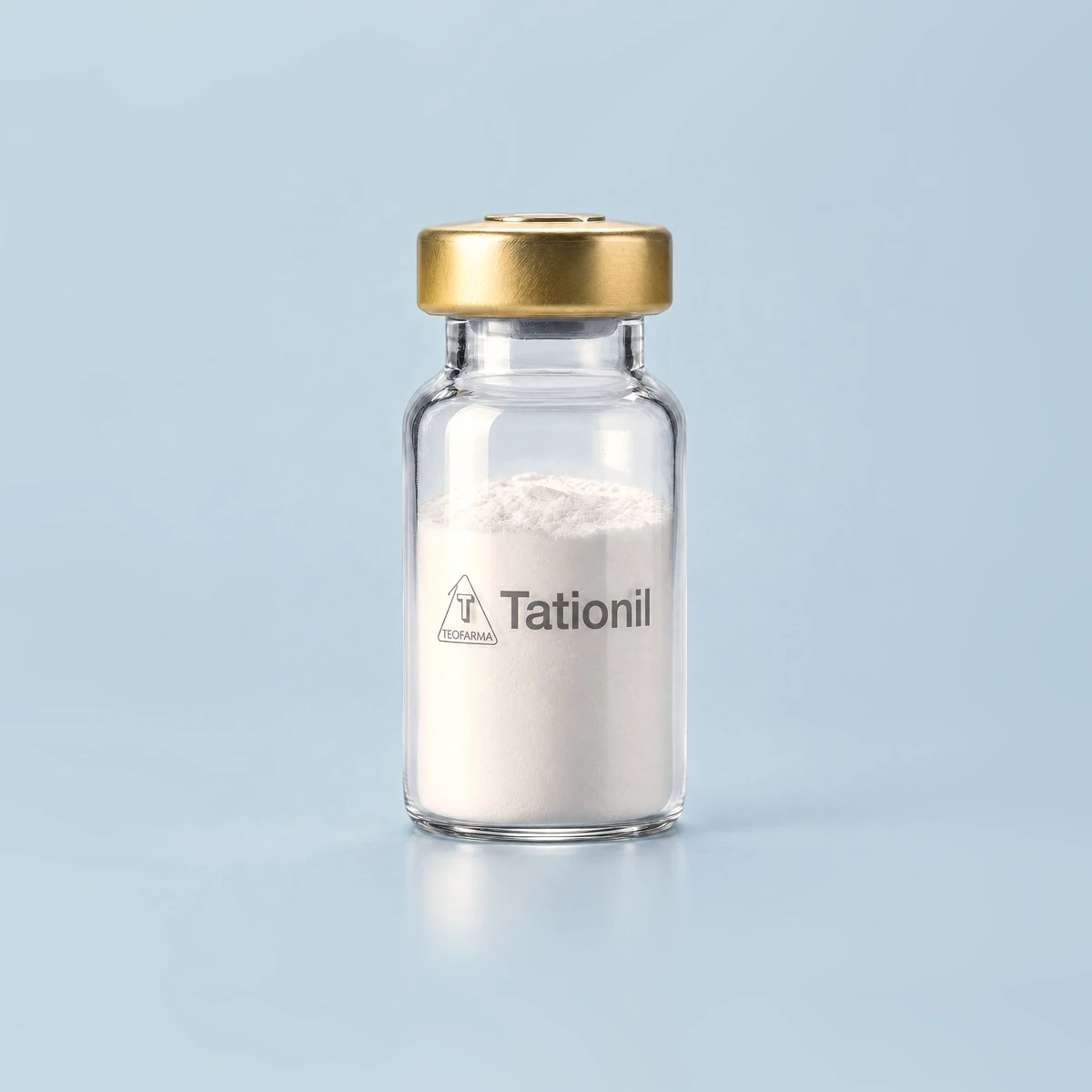
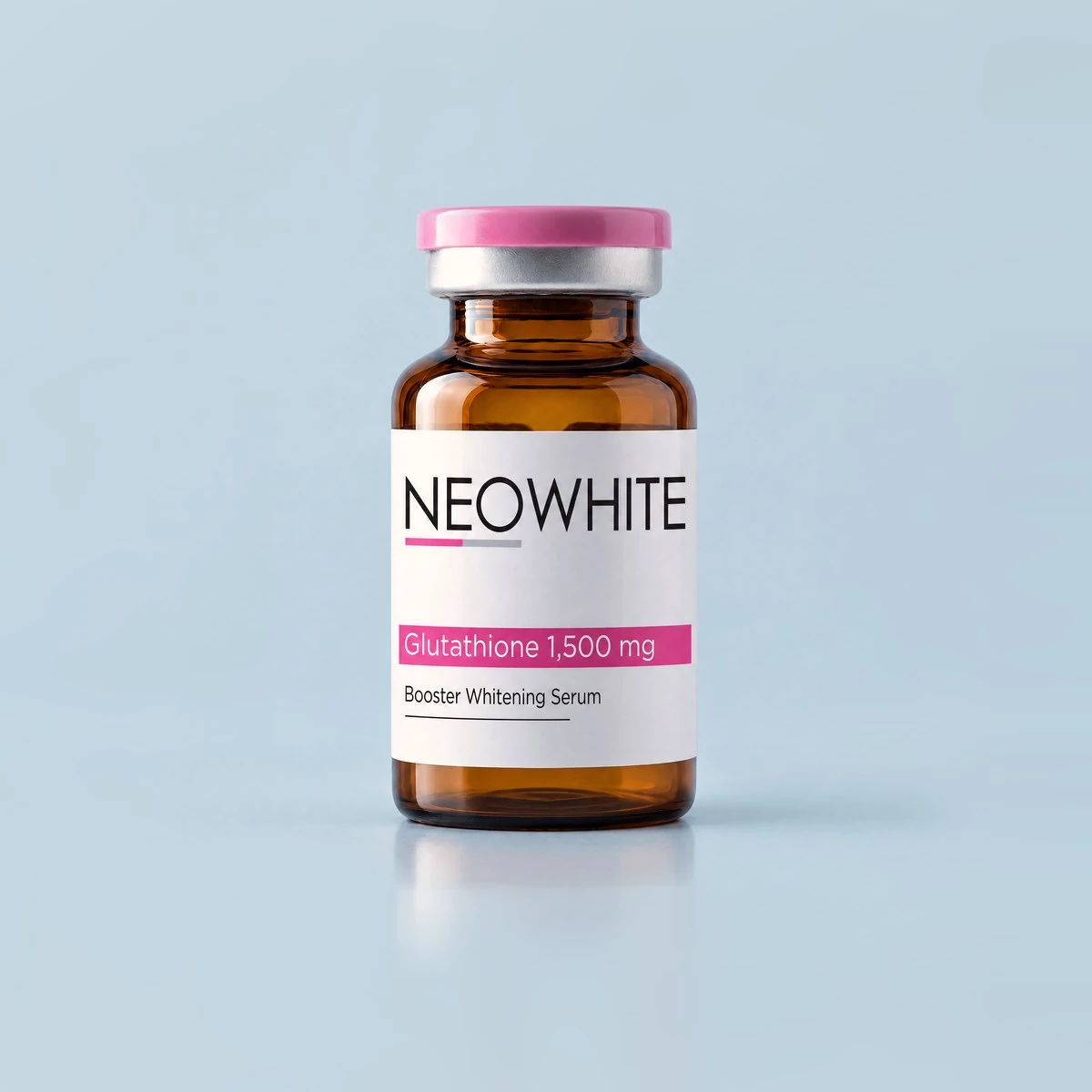
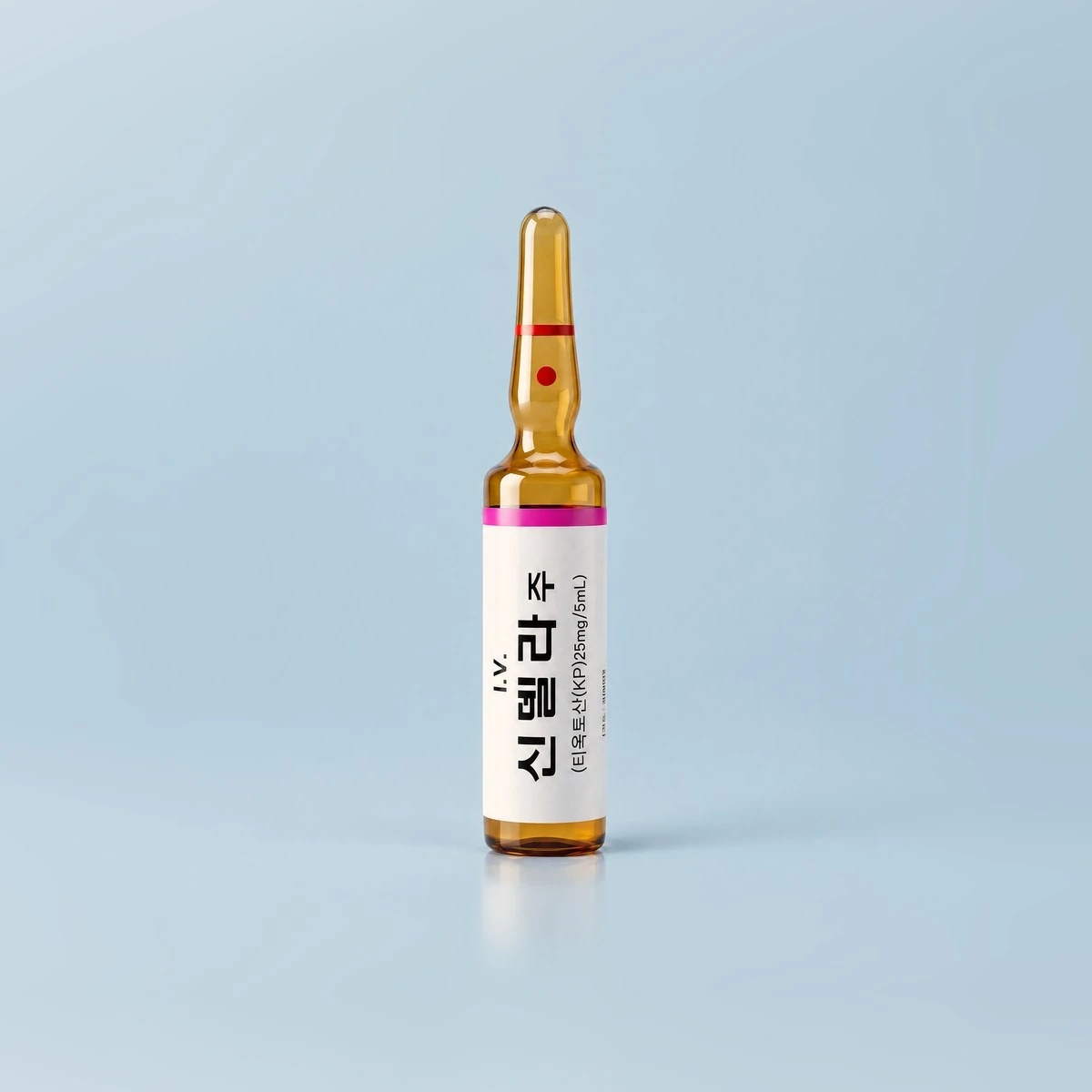
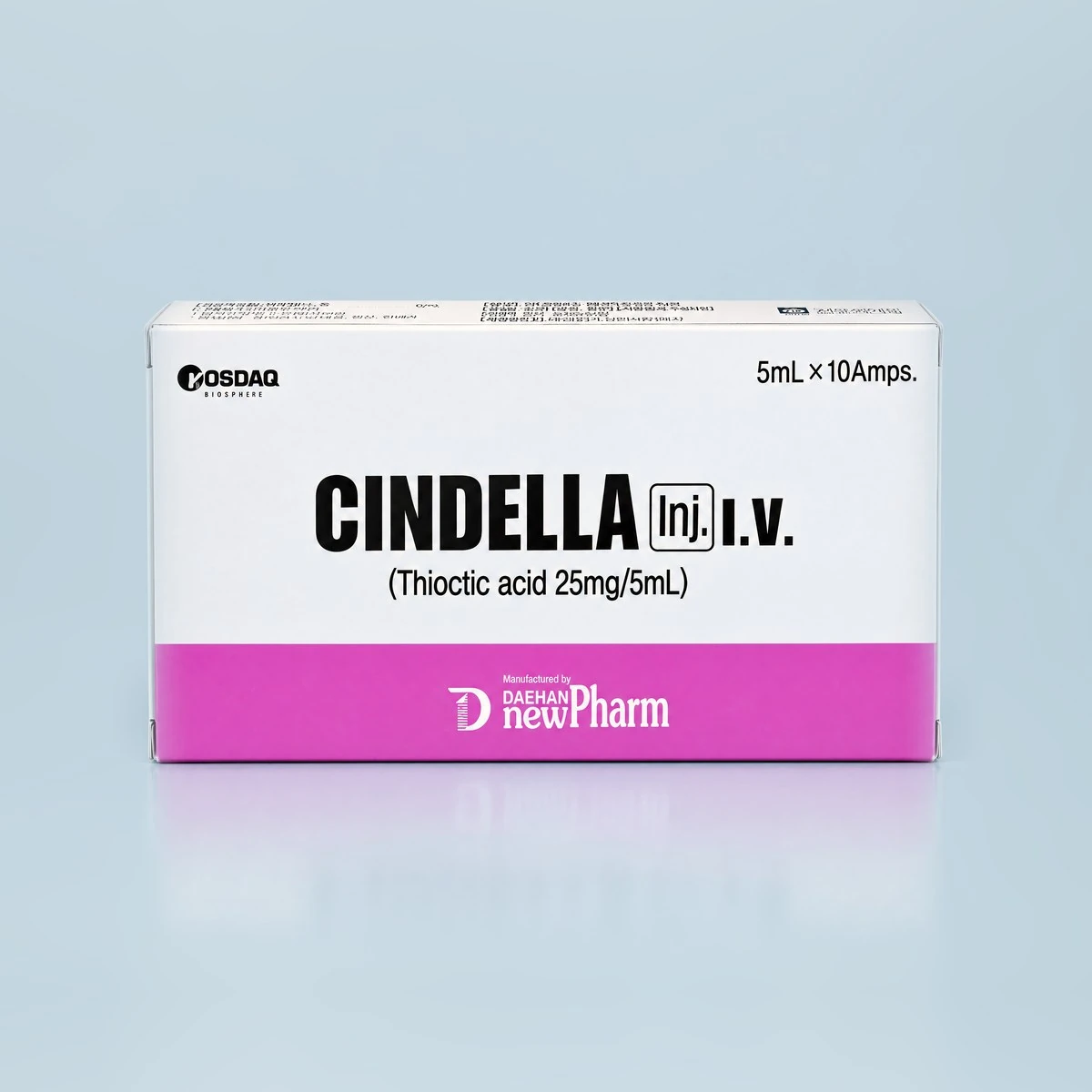
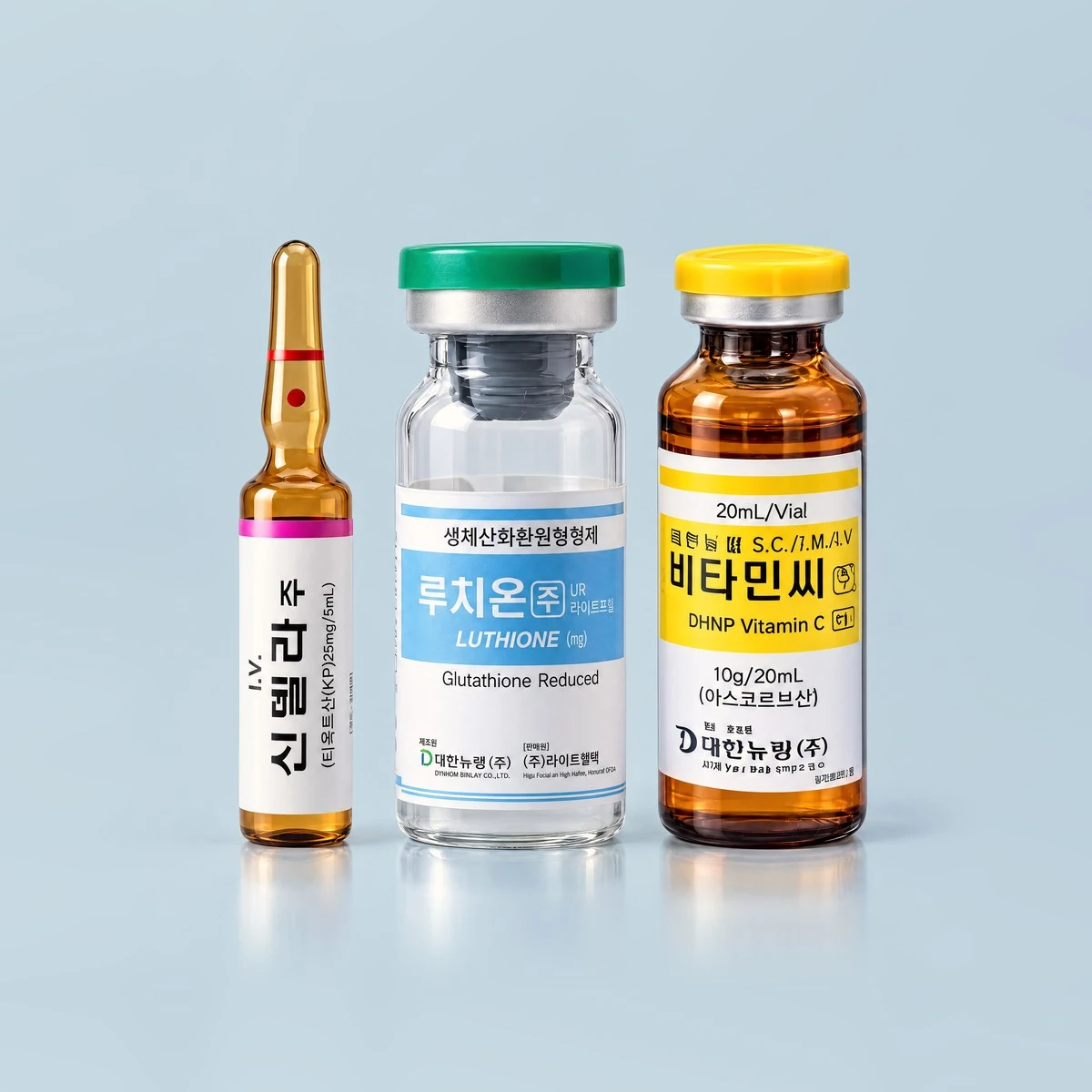
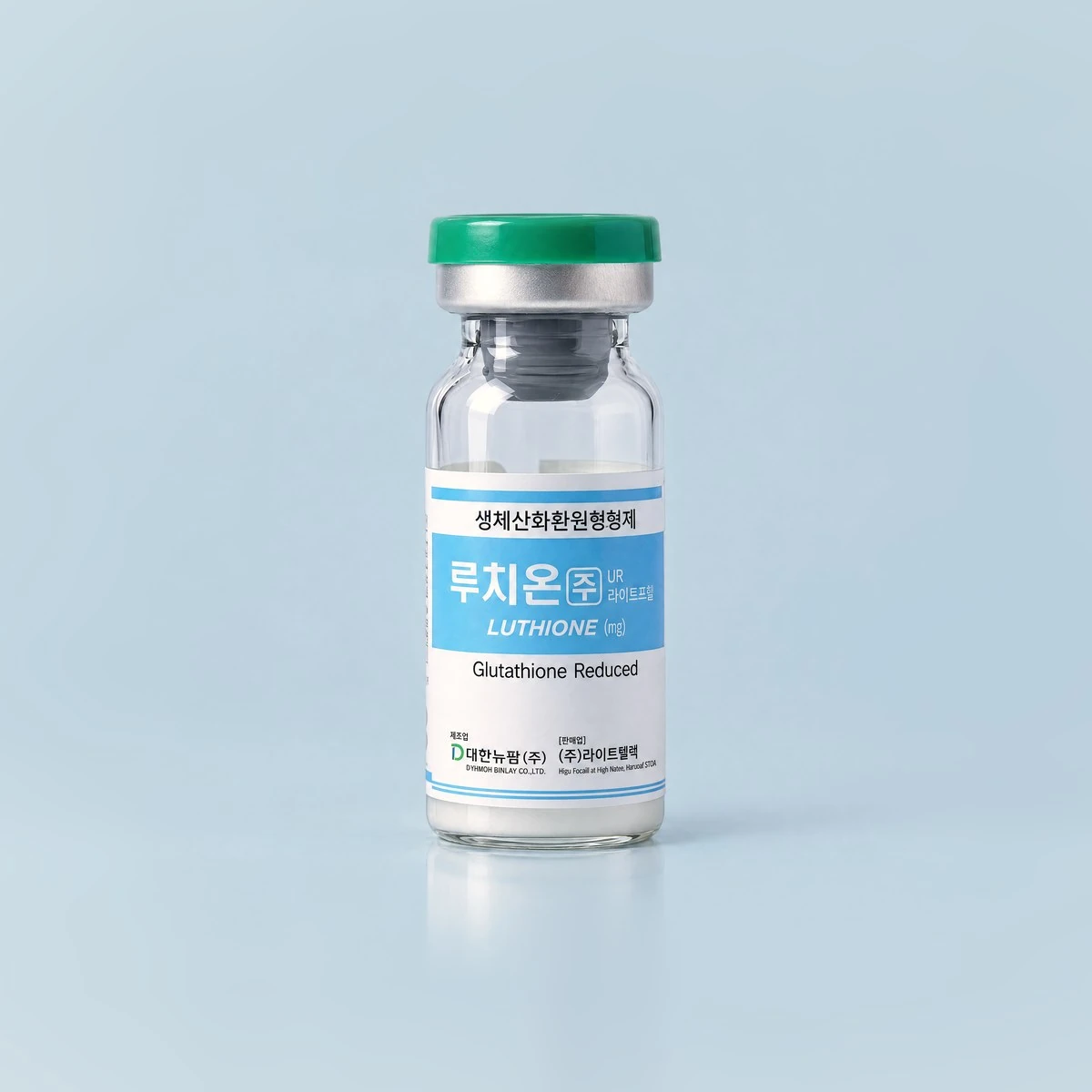
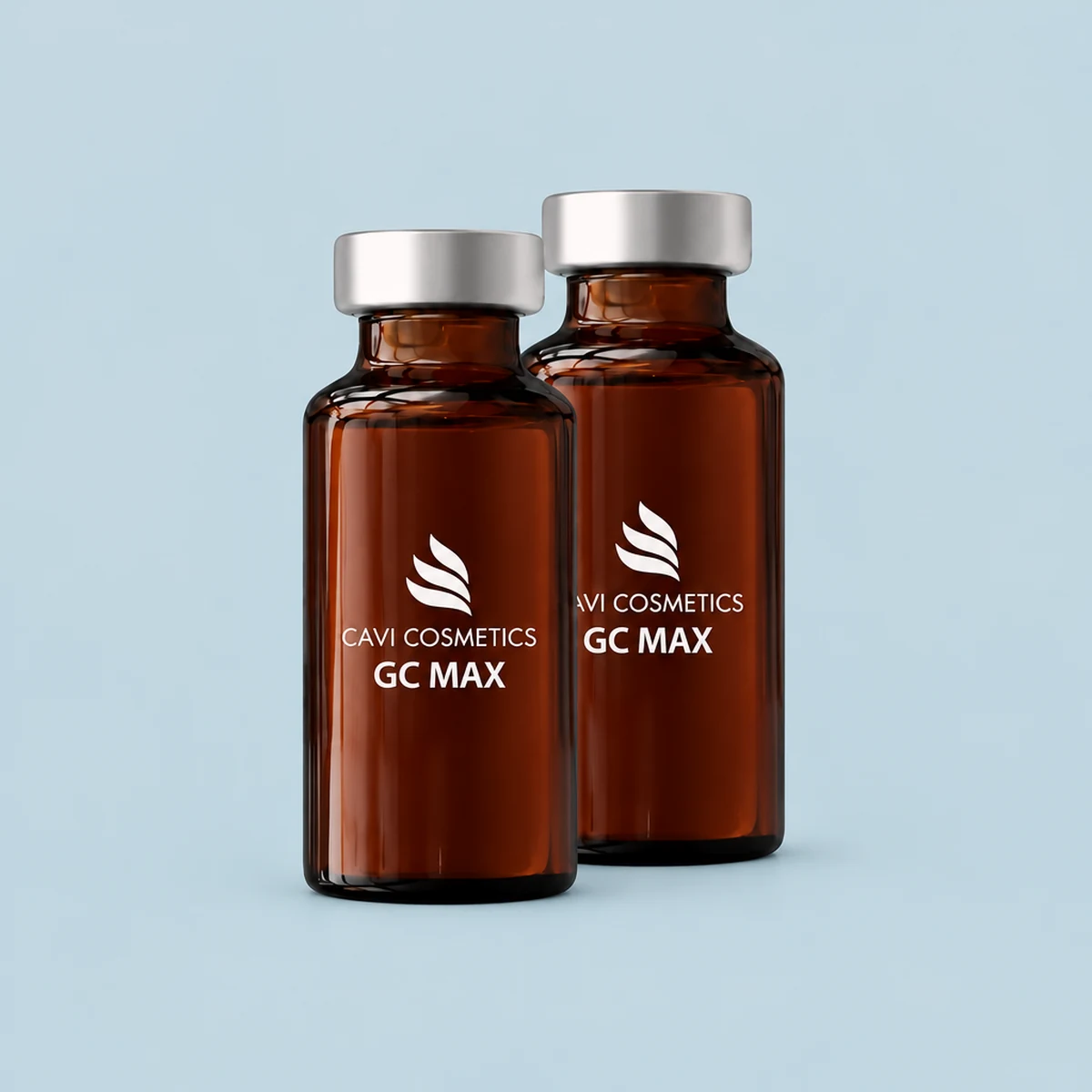
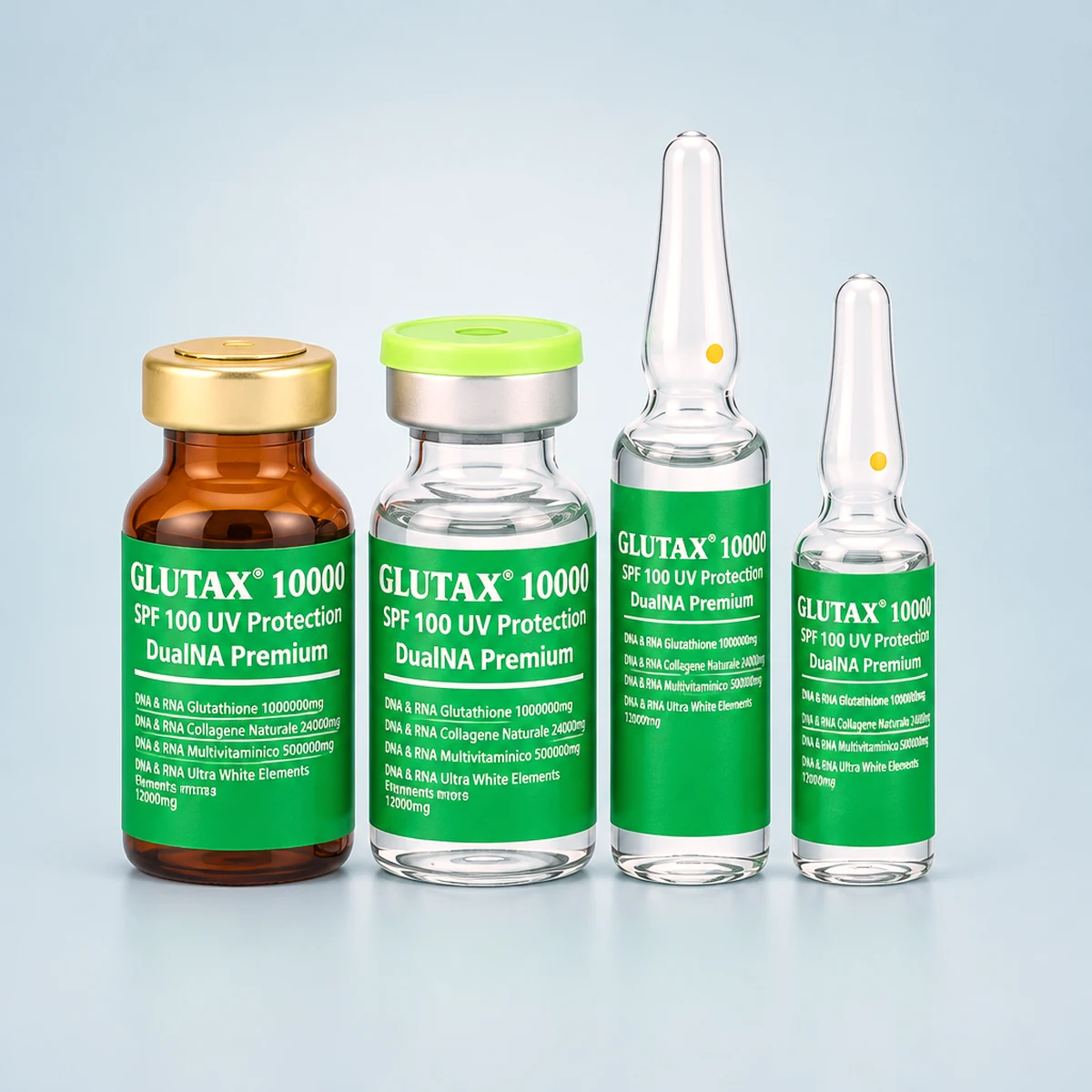
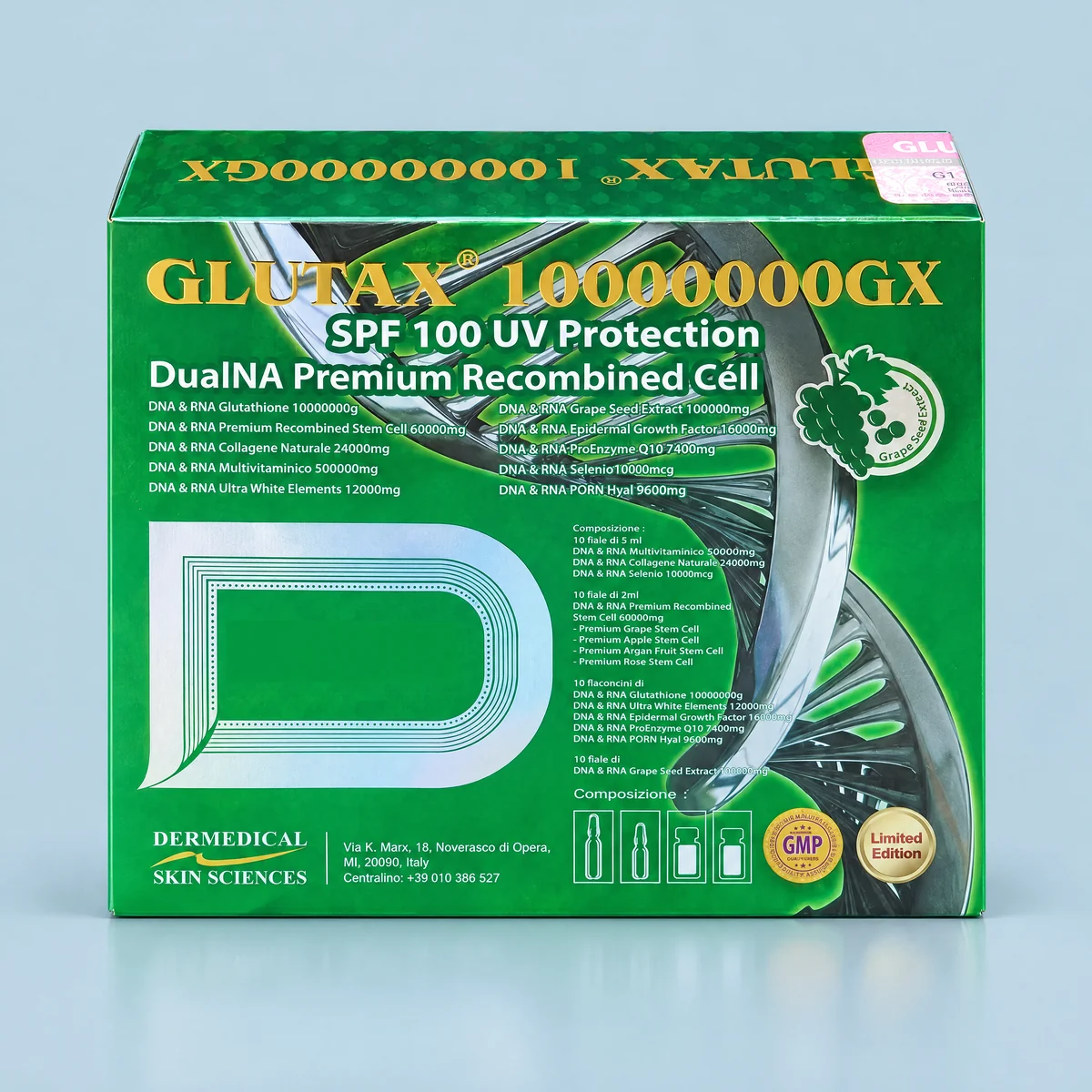
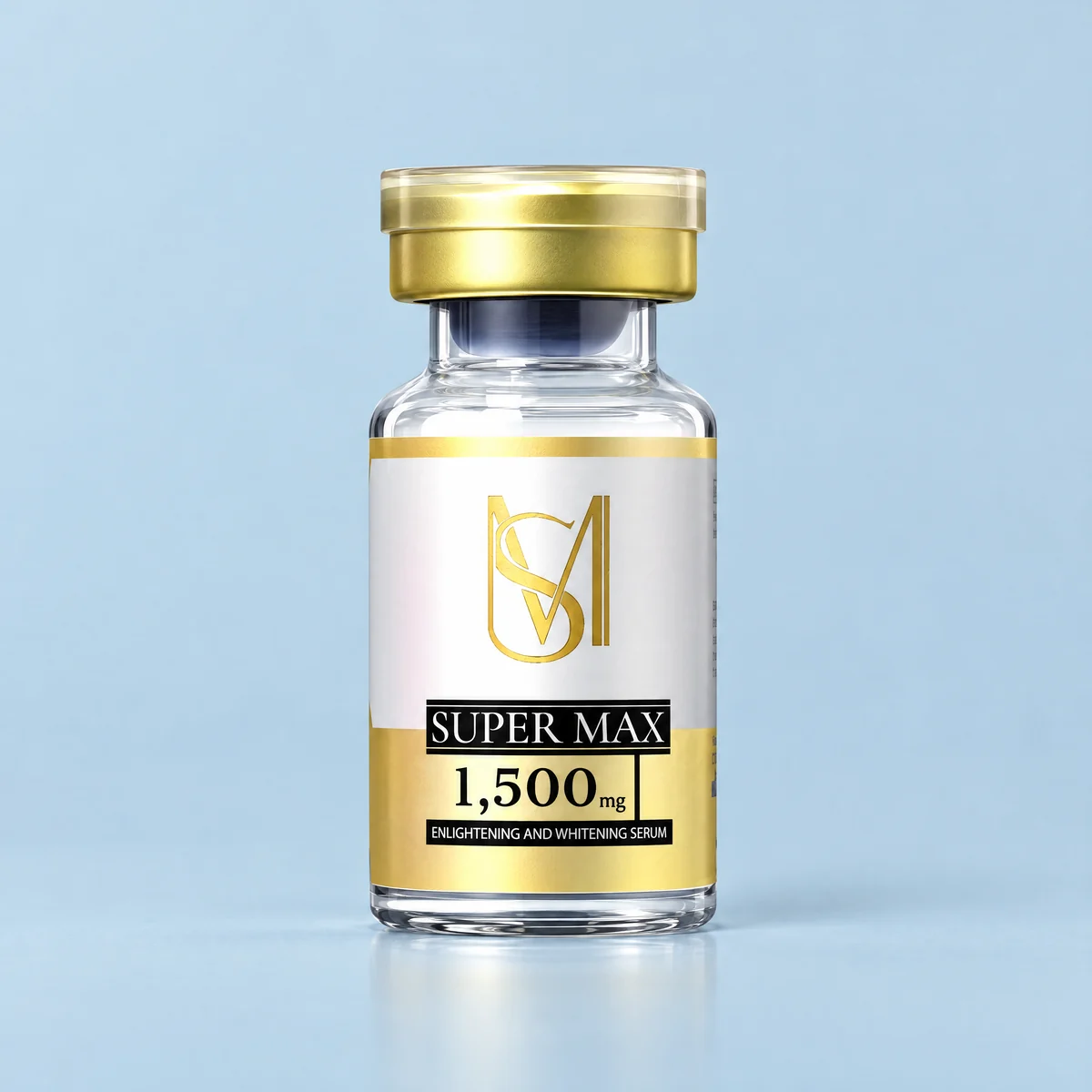
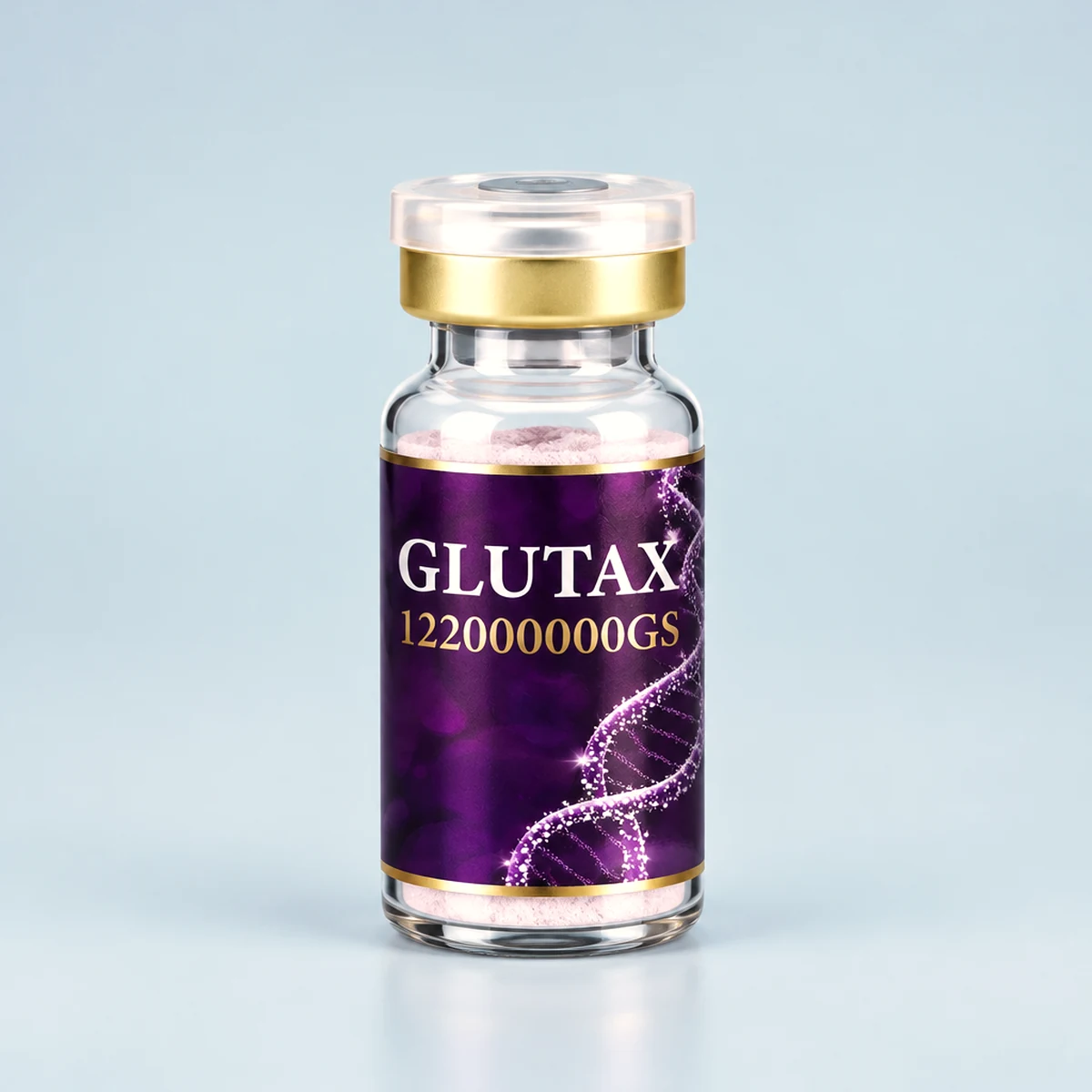
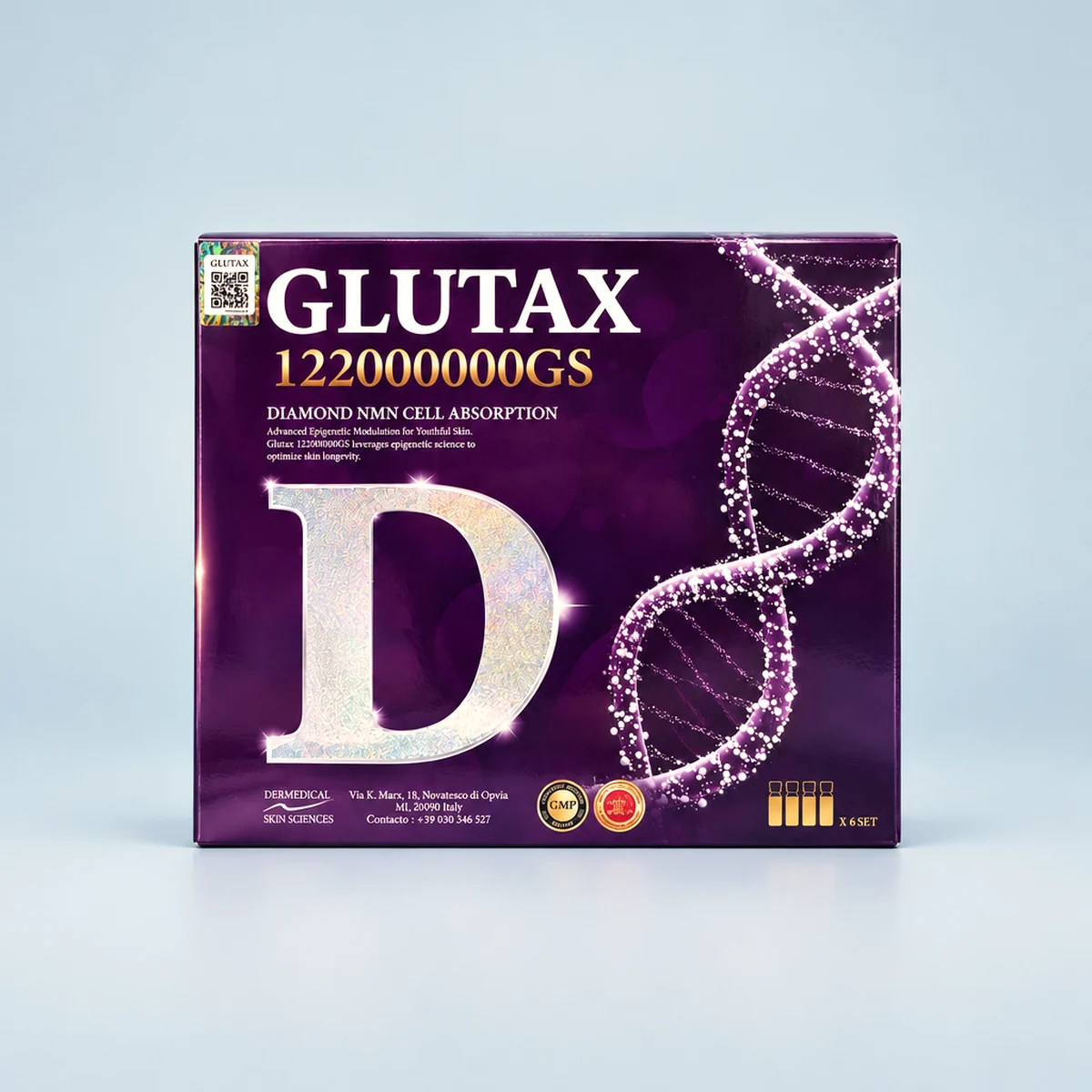
Glutathione is listed as dry powder, sometimes supplied with solvent. Alpha-lipoic acid comes as a solution in brown glass ampoules, described as clear and light yellow. The serum set comes in vials. These details distinguish forms more clearly than a set name or package image alone.
Powder, solution and serum describe different forms. A supplied solvent is part of the contents; a set name groups products. Packaging items together does not provide instructions for mixing them yourself. A medical professional should check the instructions before preparation.
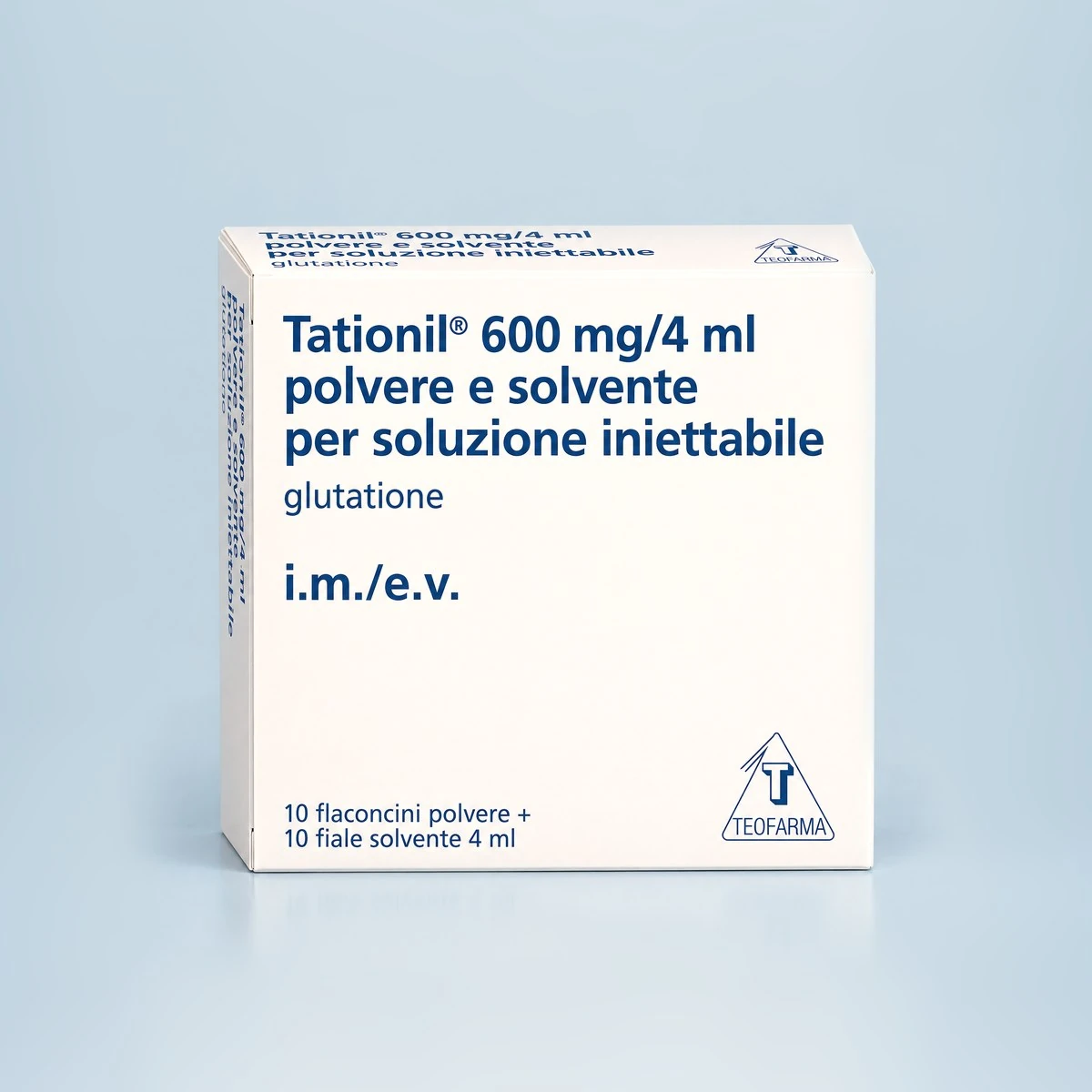
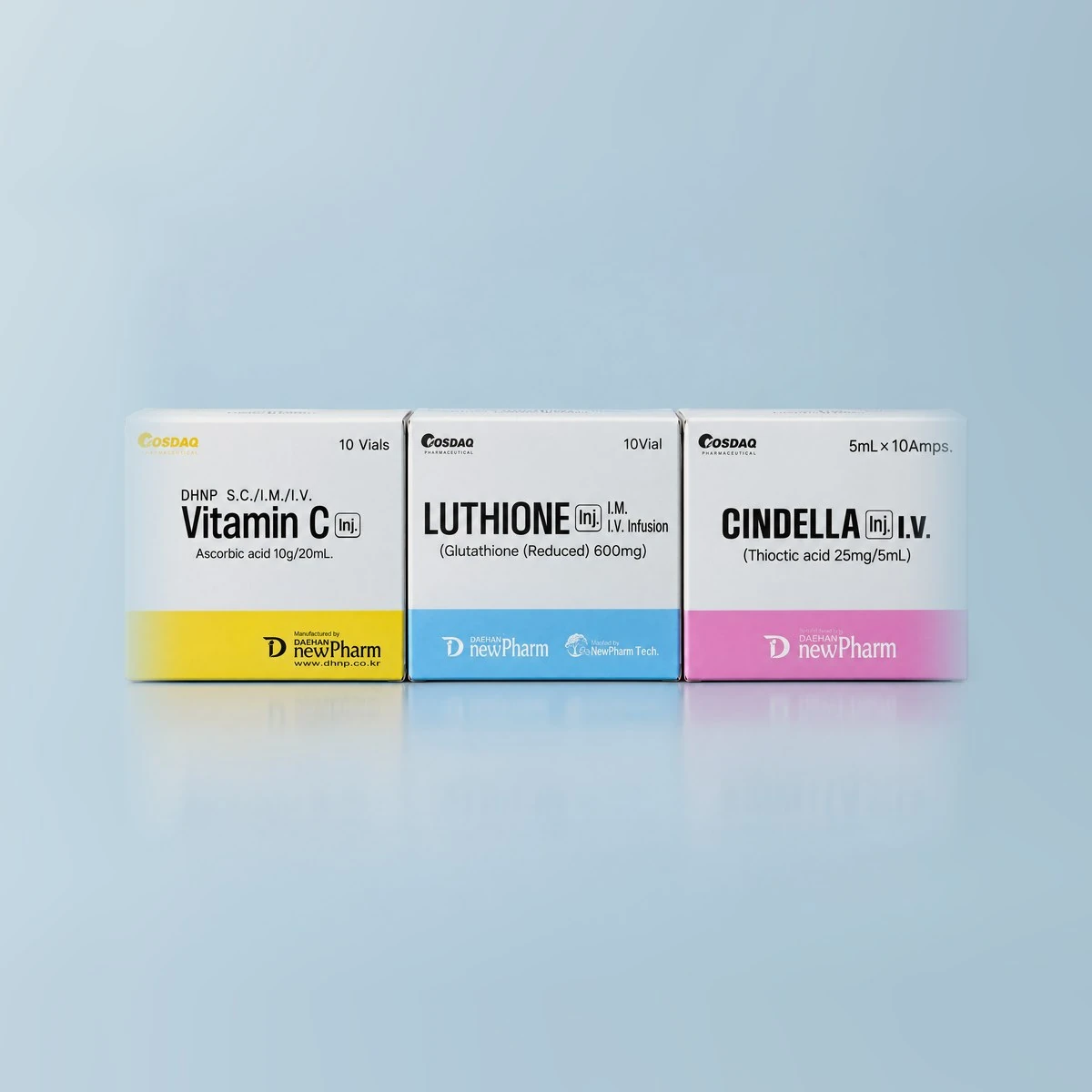
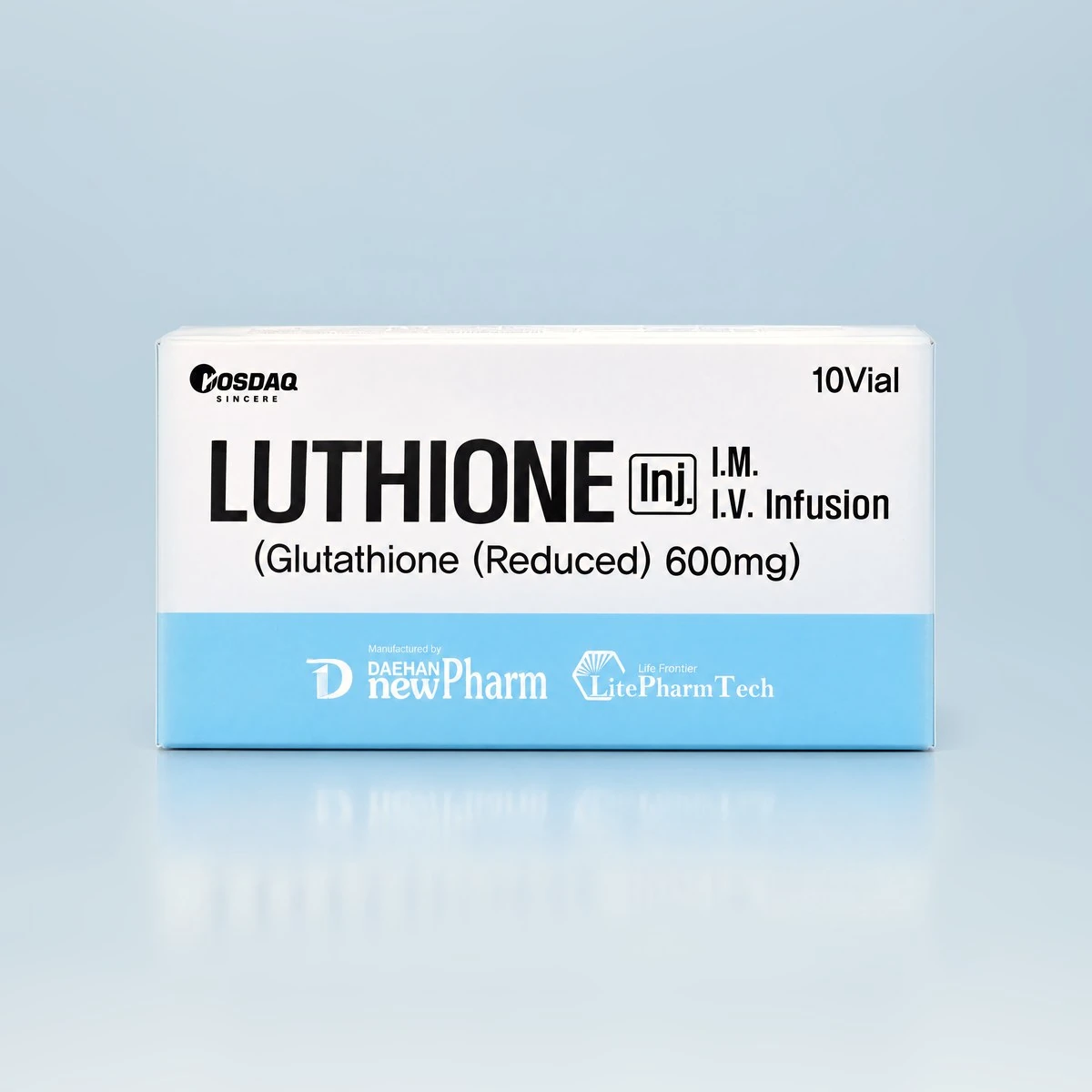
From Italy, Tationil is a glutathione powder supplied with its own solvent. Korean listings include Luthione, a reduced glutathione powder, and Cindella, an alpha-lipoic acid solution. Their ingredients and forms differ within this category.
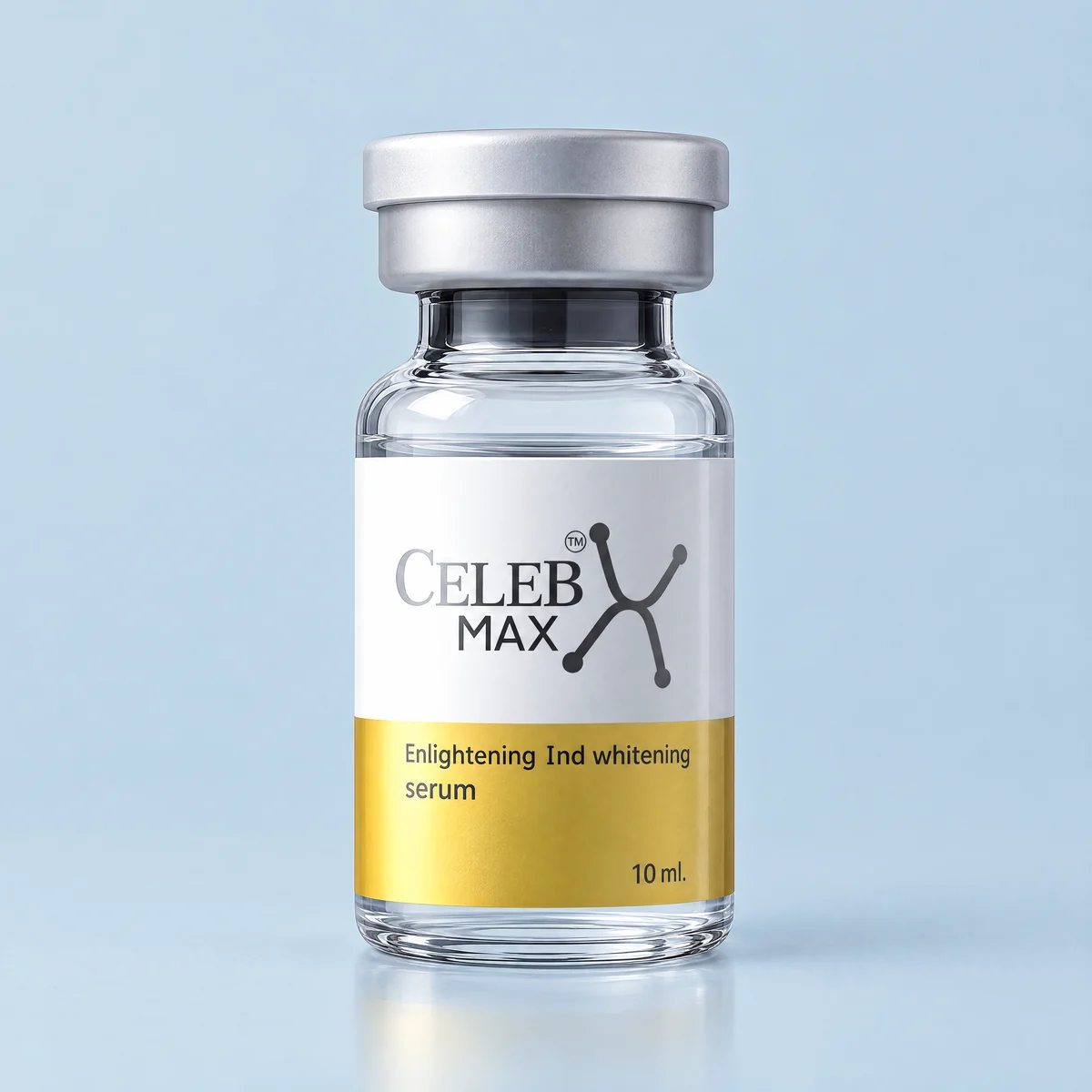
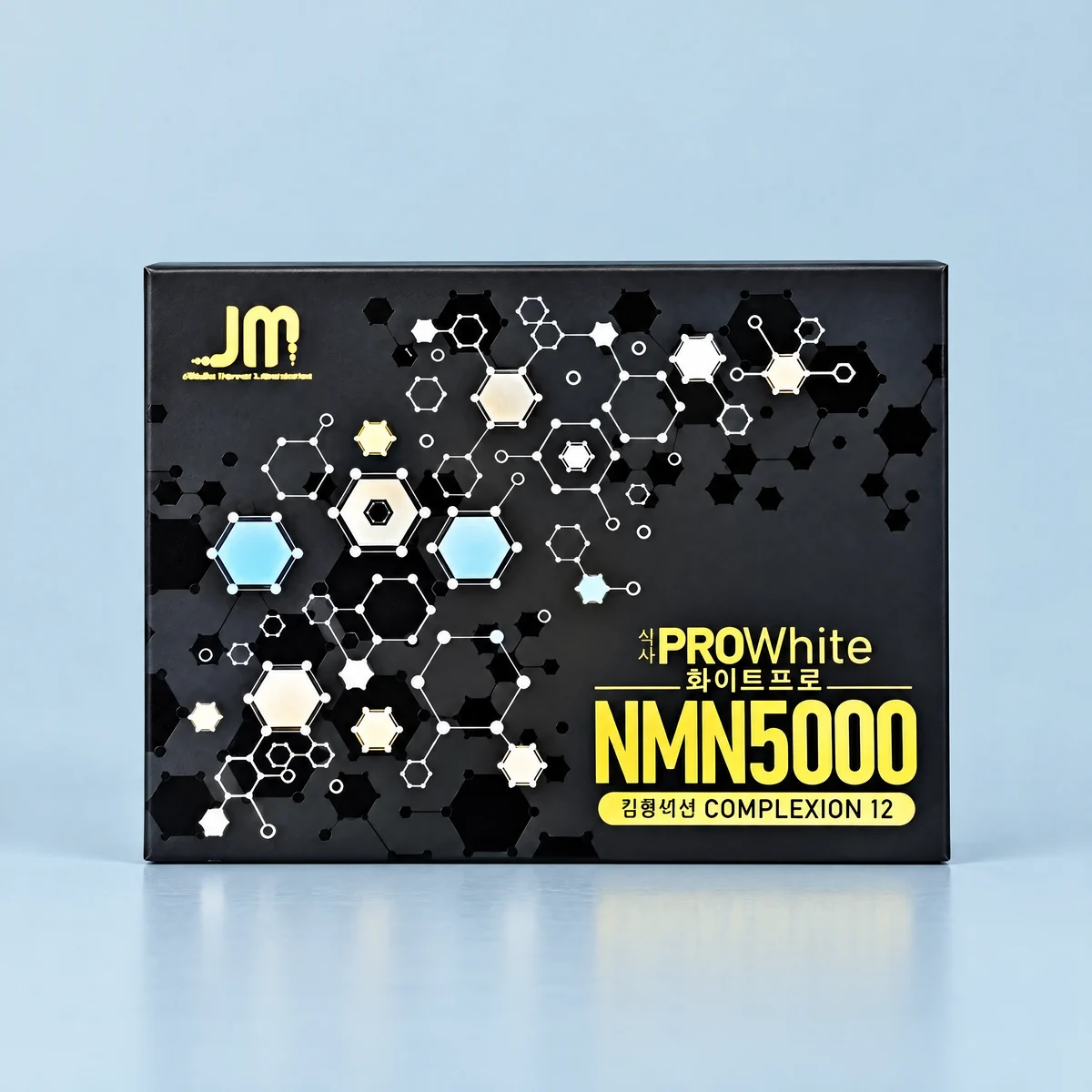
The Korean Luthione set contains glutathione, vitamin C and alpha-lipoic acid. Neowhite / NeoCocktail is a serum set with Thai labeling and no stated country. Individual items and sets need different comparisons: check what each set contains, since its name alone does not identify every ingredient.
Compare the ingredient and form on the label with the listing. Reduced glutathione, alpha-lipoic acid and vitamin C are different substances. For a set, check which items are powders, solvents, solutions or serums. The product name identifies the item; its ingredients describe the contents.
Read the origin, batch, expiry and package instructions together. Label language and origin are separate details. Resolve any mismatch with the listing before choosing. The Serum collection offers related forms to explore; check each item’s ingredients and use separately.
Speak with a doctor before choosing glutathione products, especially if you have a health condition, an allergy history or use other medicines and products. Bring a list, naming substances that caused problems and symptoms you remember. This helps the doctor review your history alongside the ingredients.
Mention pregnancy or breastfeeding. Bring the label, ingredient name and form for review of that item. Familiar names or origins alone cannot guide the choice. The doctor can consider a product or another approach and explain precautions for your circumstances.
Read each item’s storage guidance. The range includes dry powders, powders with solvent and solutions, so check all set components. Keep packaging and labels with products to check ingredients, batch and expiry. Storage advice is specific to each item.
Check containers are sealed and labels readable. Have a medical professional assess leaks, cracks or an unexpected appearance before use. A solution’s described form and color help identify it but cannot confirm its condition. Opening, powder preparation and handling after opening need item-specific instructions.
This page groups glutathione with related products; Skin Booster is another skin care collection. A category may cover several ingredients or forms, so compare products rather than category names. Including a serum set here does not make every item a serum.
Check ingredients, set contents and packaging. Dry powder, powder with solvent and solution are different forms. Origins distinguish Italian and Korean groups. Note when a country is missing rather than guessing from a name or label language. Instructions for one product cannot be transferred to another.