








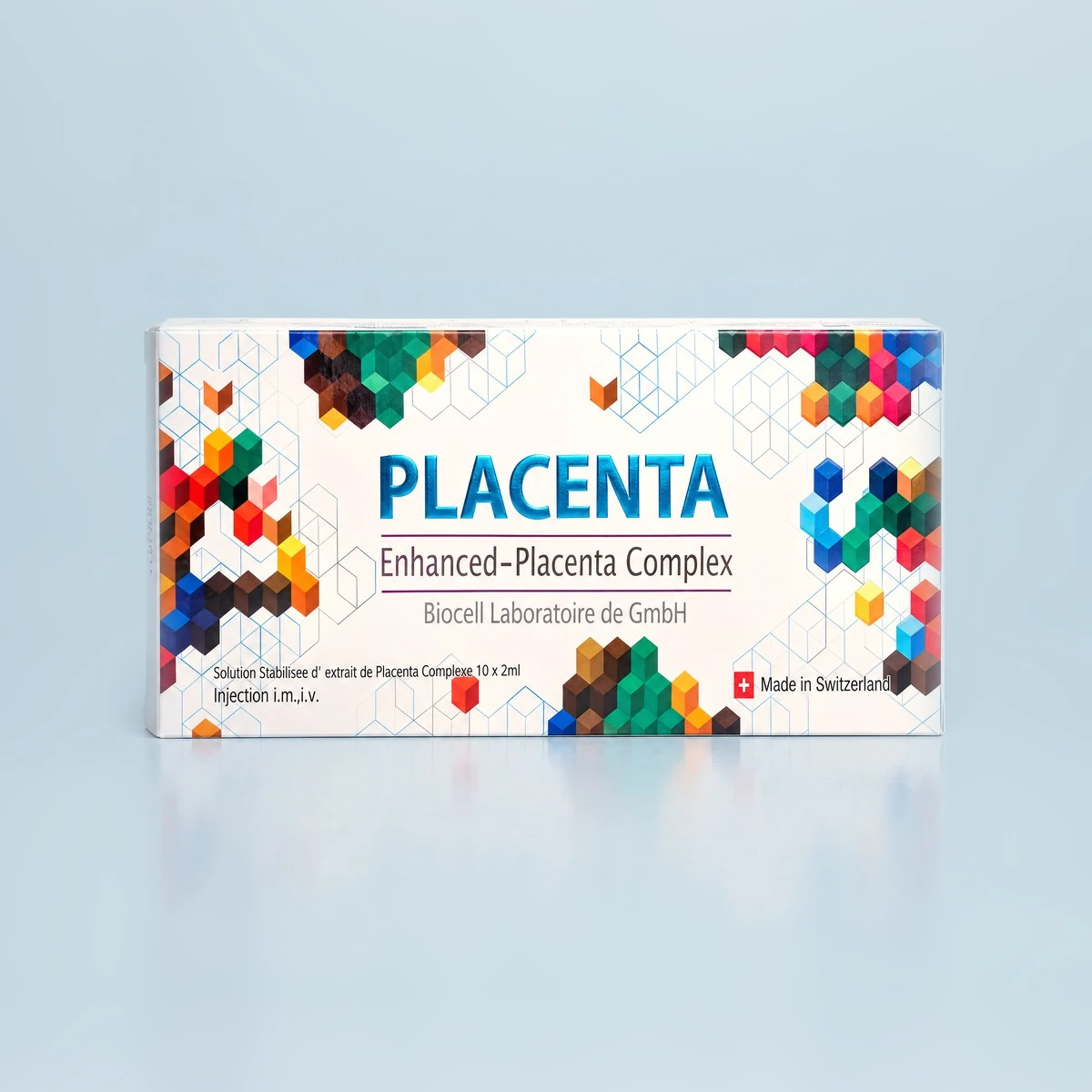

Biocell Placenta Enhanced-Placenta Complex
THB 610
 Juvelook (PDLLA): What It Is, What the Studies Show and Its Approval Status
 Skin Booster Results and Aftercare: How Long Until You See Results, and What to Avoid After Injection
 Exosome Facial and Exosome Skincare: What They Are, What the Studies Show and Approval Status
 Meso Fat vs Masseter Botox: How to Slim the Face
 Fat Dissolving Injections for Belly and Arms: The Facts
 Collagen Stimulators Explained: PLLA, PDLLA, PN, Profhilo and Exosomes Compared
 What Are Fat Dissolving Injections (Meso Fat)? A Guide
 Double Chin Injections: Kybella vs Meso-Fat Blends

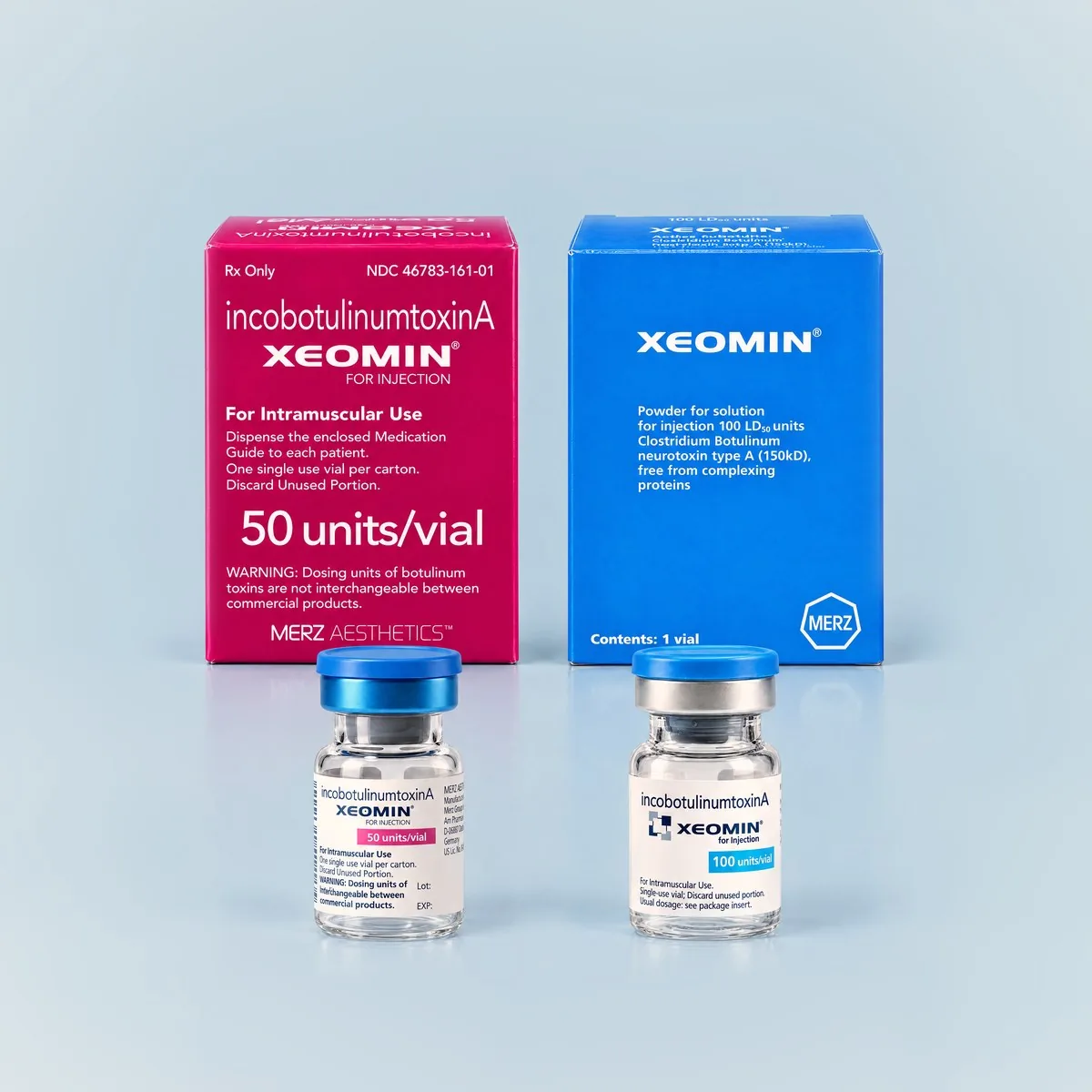
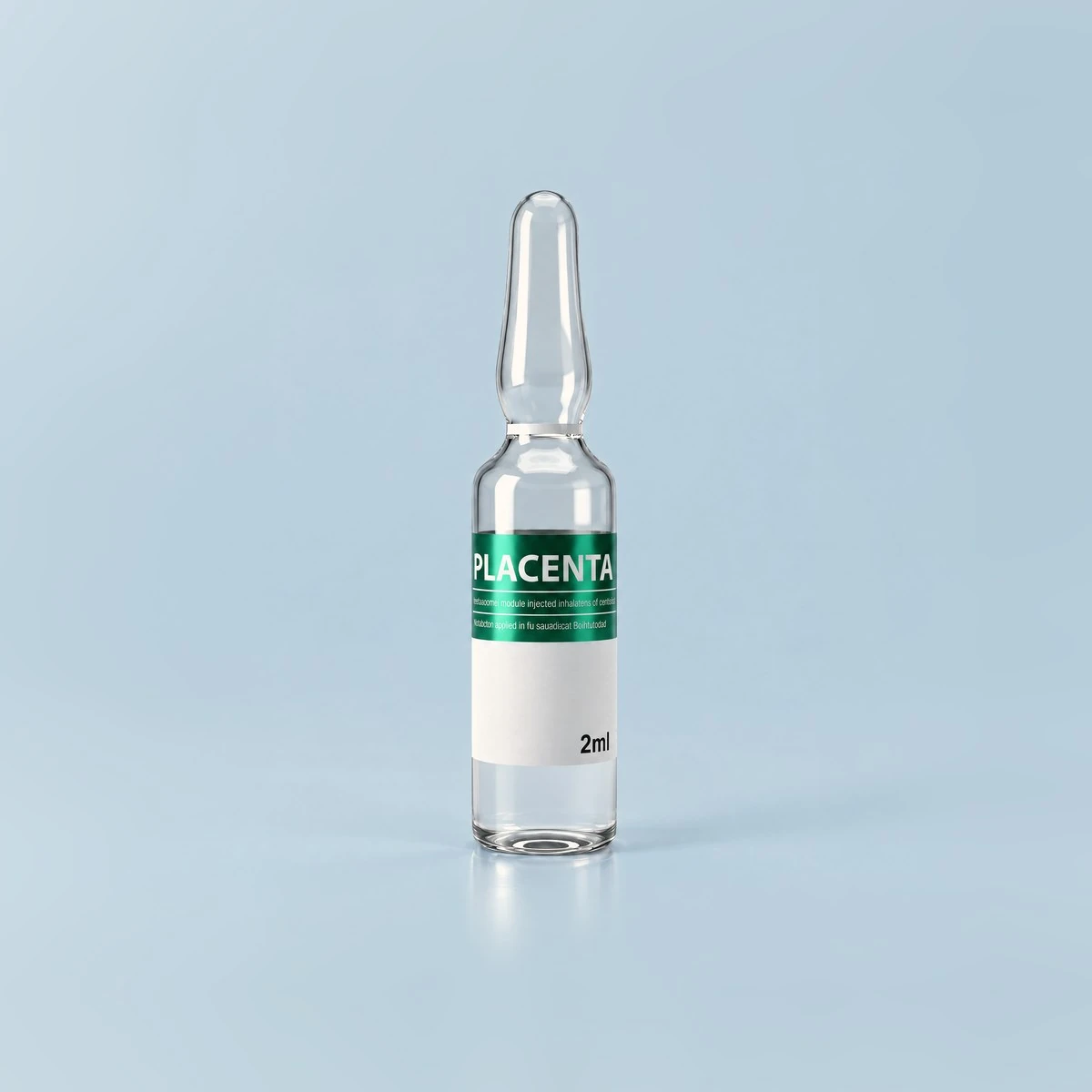
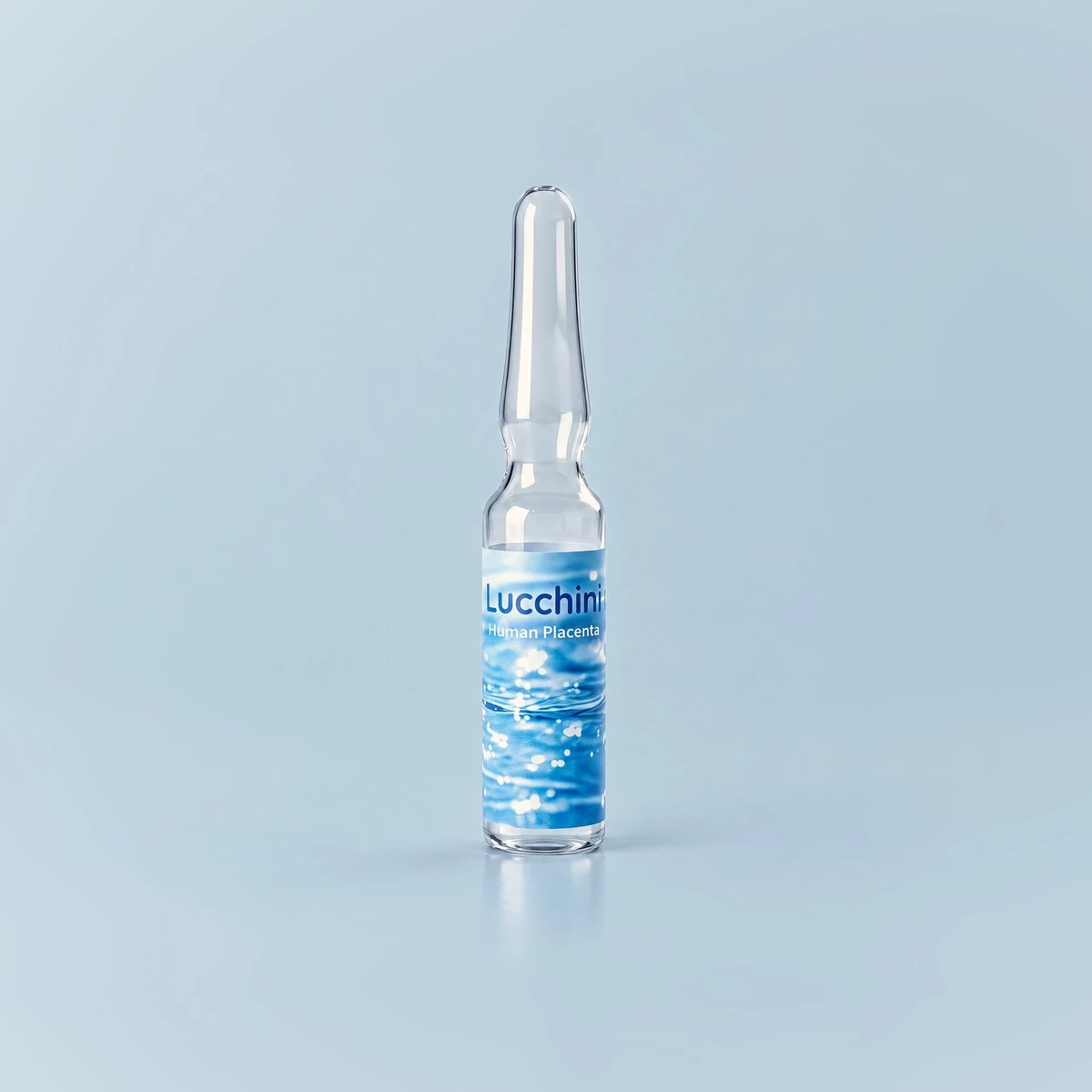
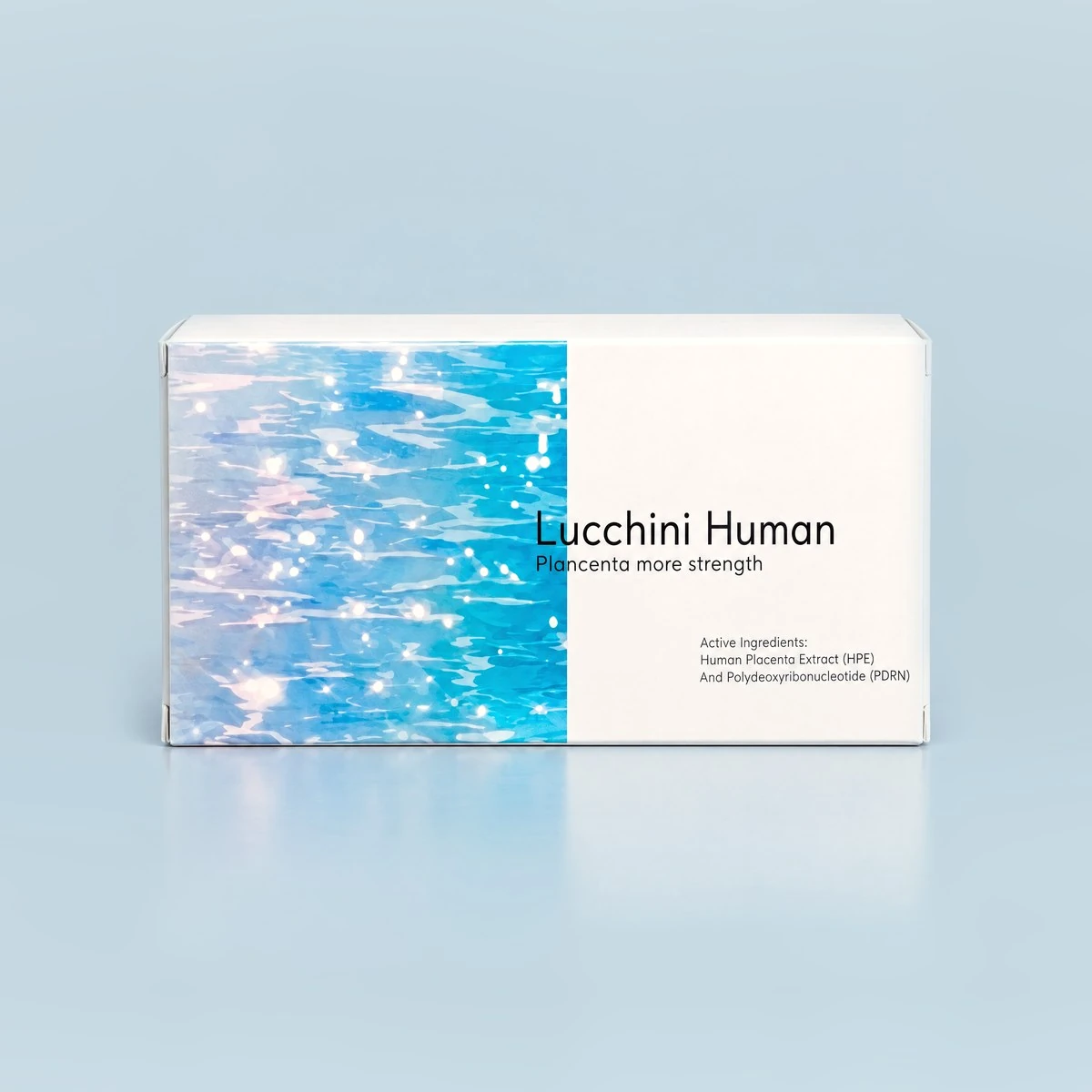
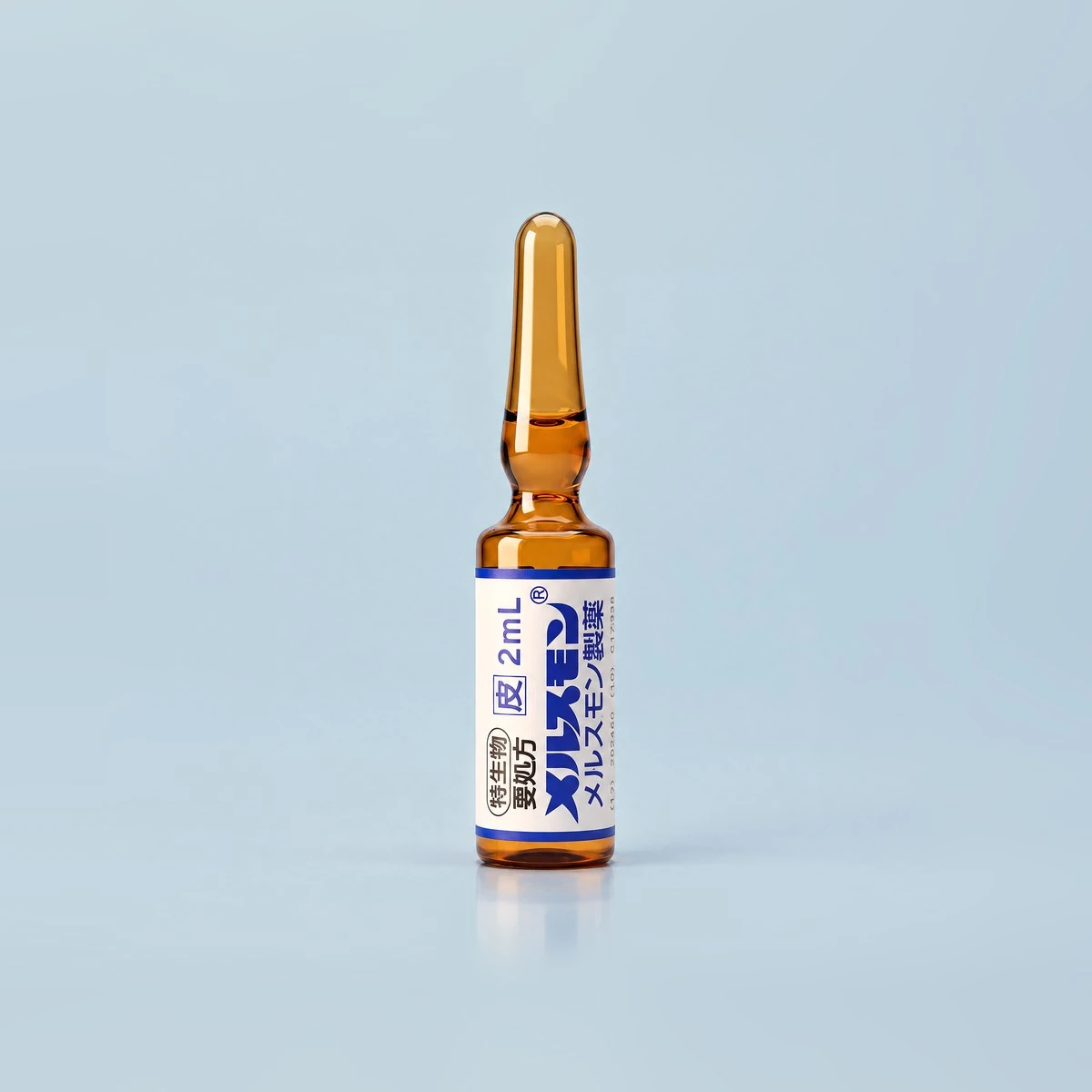
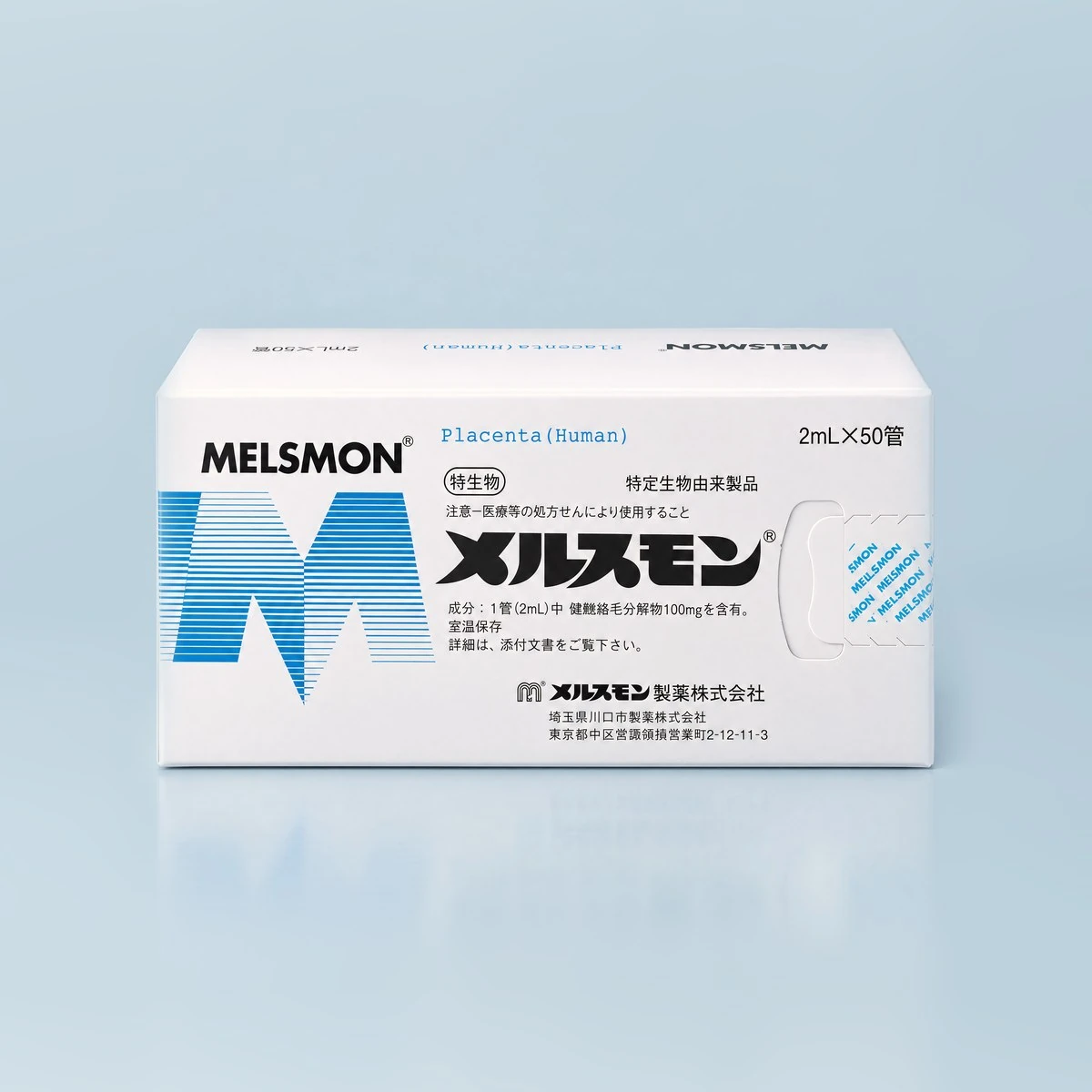
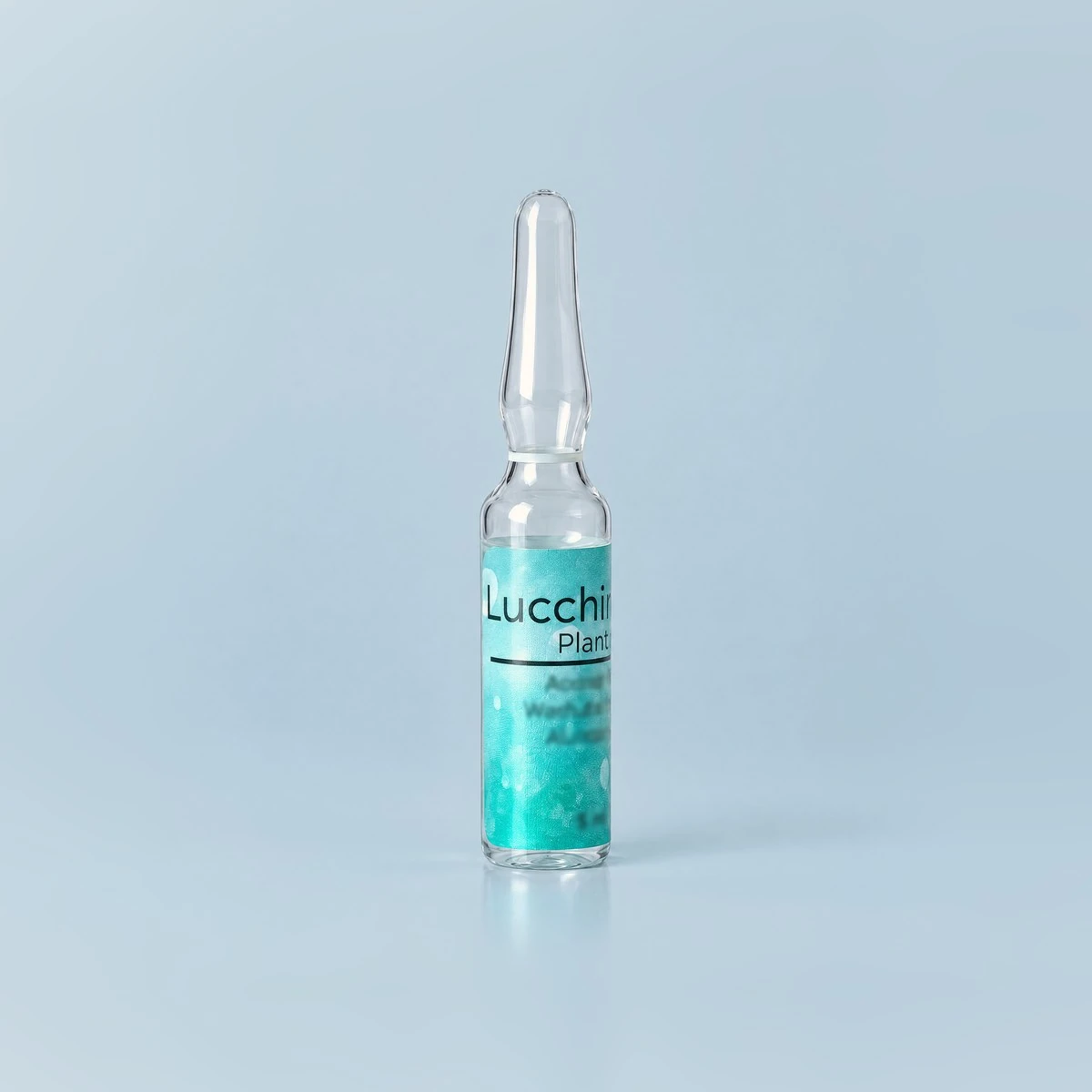
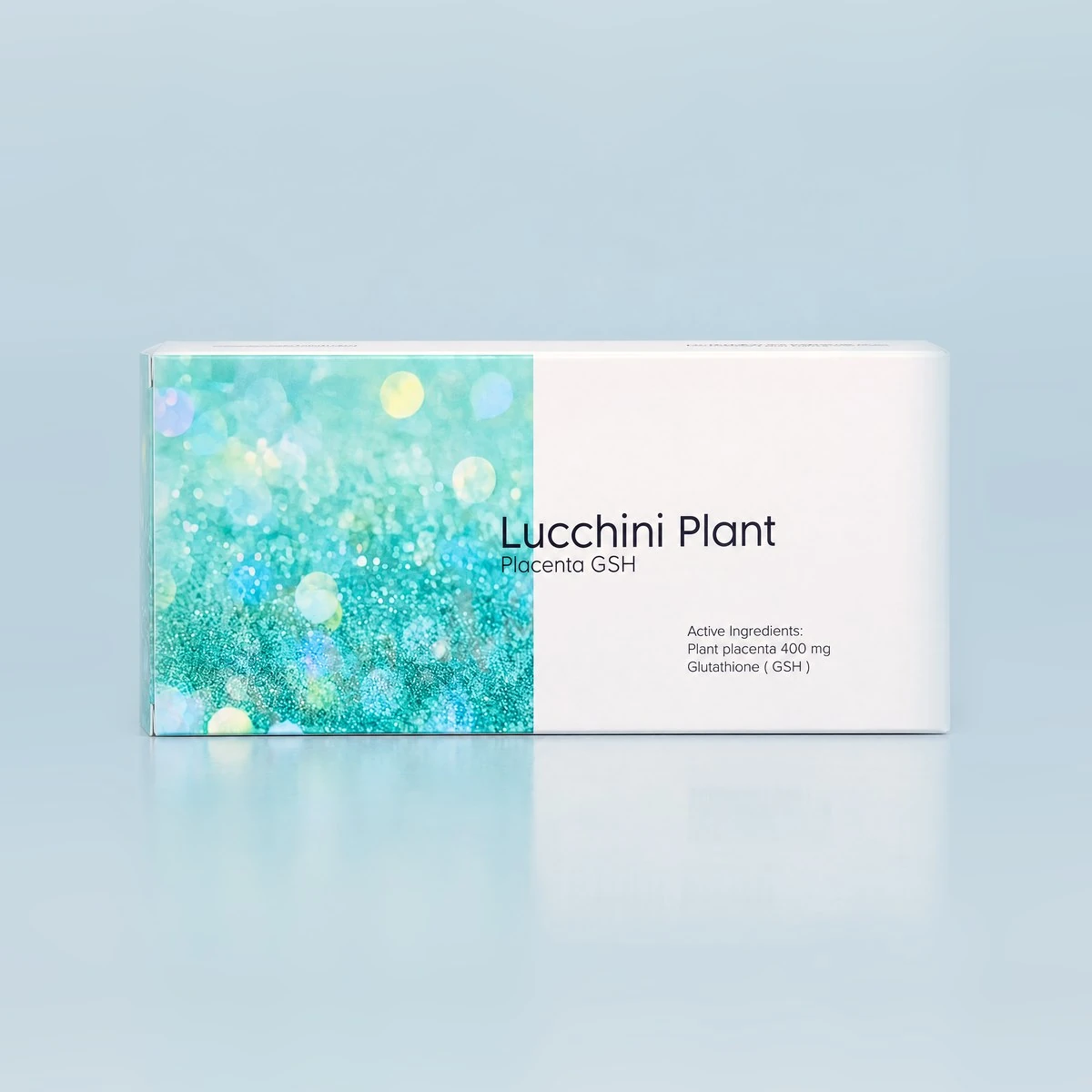
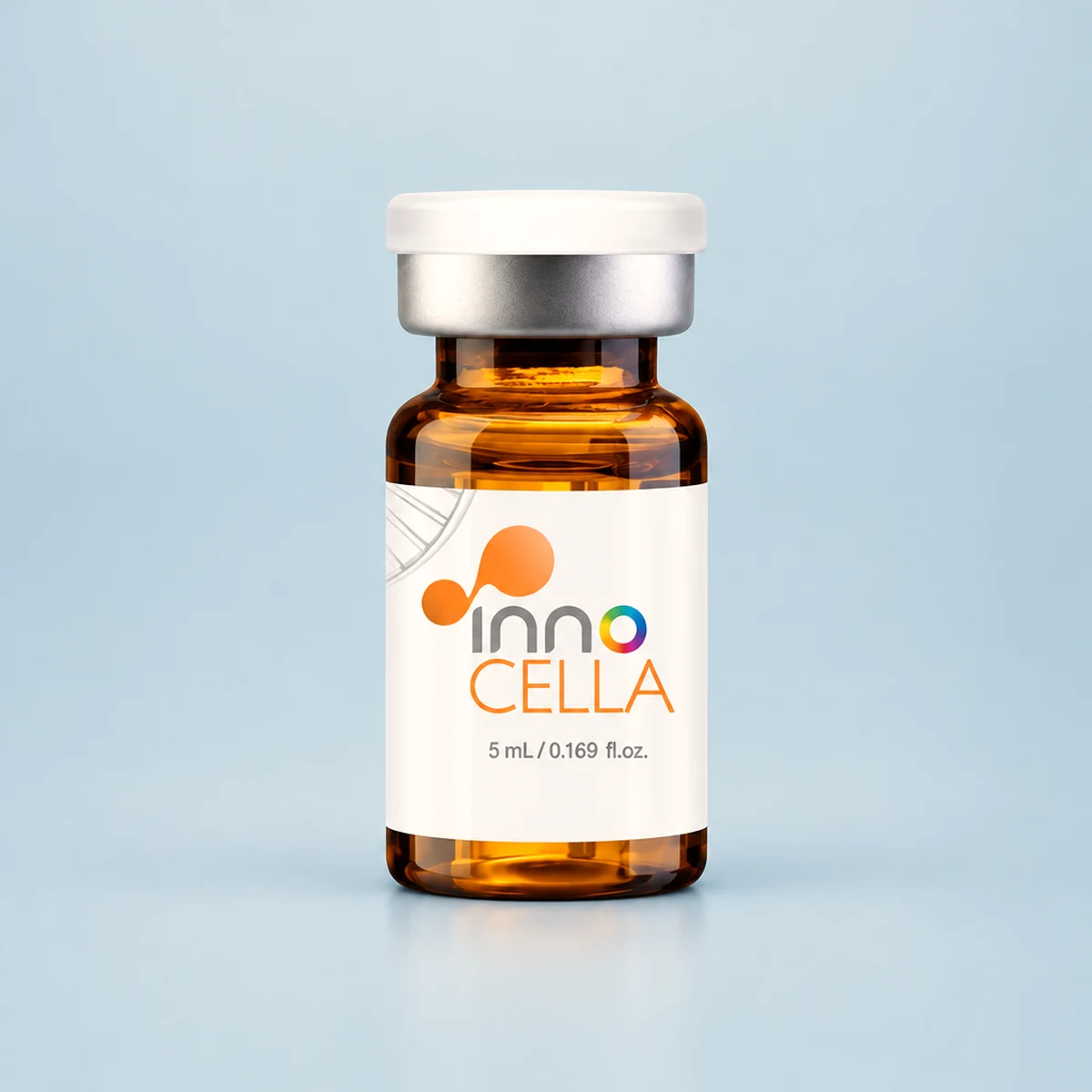
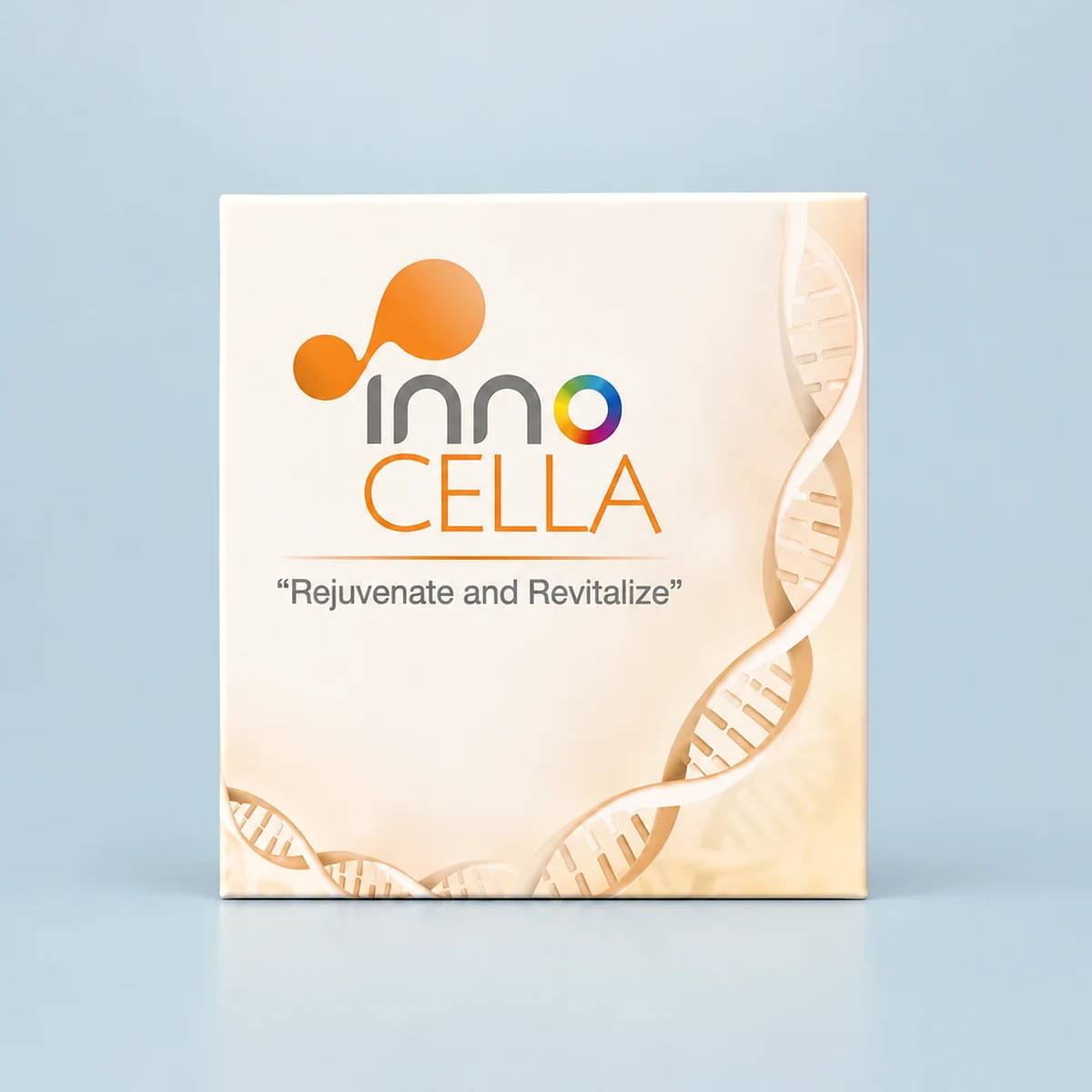
Placenta extract is a material made by breaking down or extracting placental tissue. This category holds injectable ampoules used in clinics: human placenta products such as Melsmon, made in Japan, and Lucchini Human Placenta; plant placenta such as Lucchini Plant Placenta; and Biocell Placenta and Inno Cella. Each name has its own source material and method, to be read from its label.
Start with the source, which may be human, animal or plant, then the method of manufacture, the approved uses in the country of origin and the safety information, and only then the box name and label. These are injectable products used by doctors in clinics.

References
Placenta extract is made by digesting or extracting placental tissue, and the result differs from name to name, so the label and documents of each product matter. A review in Frontiers in Pharmacology covers three human extracts, Melsmon, Laennec and Placentrex, all made from human placentas, and notes that animal extracts from pigs, horses, goats and cattle are also widely used.
The term placenta extract is therefore a group name. It does not say which placenta a product comes from or how it was made. Two names can differ in contents and in the effects studied, because the review argues that manufacturing differences likely change composition and that the link between contents and effects is poorly understood.
Human placenta extracts such as Melsmon, listed here, are made from human placentas. Animal placenta, sheep placenta in particular, is common in skin and hair care; Wikipedia says sheep is the most common source in products containing animal placenta extract.
Lucchini Plant Placenta is listed as plant-derived, which differs from human and animal placenta in its source material. The word placenta in a name therefore does not say where it comes from, so read the label, and do not carry information on human extracts over to plant or animal products.
The review says Melsmon is made by hydrochloric acid hydrolysis, Laennec by pepsin and hydrochloric acid digestion, and Placentrex without hydrolysis, by hot and cold water extraction. Different steps give different materials.
How Lucchini, Biocell Placenta and Inno Cella are made has to be read in each manufacturer's own documents; do not assume they follow the Melsmon method. To compare names, look at the source material, the method and the sterilisation each document states.
According to the Japanese Ministry of Health, Labour and Welfare, Melsmon is approved for menopausal disorders and insufficient lactation. The review adds that Melsmon has been registered in Russia since 2011 for use in menopause, and that Laennec in Japan is now indicated for improving liver function in chronic liver disease.
Those approved uses do not concern the appearance of skin. Using placenta ampoules in an aesthetic clinic is a doctor's decision, and Japan's approvals neither cover products with other names nor stand in for approval in another country.
The review says most of the skin evidence for Melsmon comes from cultured cells, where fibroblasts showed higher collagen and antioxidant gene expression, plus one small clinical report in 40 premenopausal women, randomised and placebo-controlled.
The same review presents no large or long-term trials for cosmetic use; the evidence is mostly small, laboratory or animal work, and two of its three authors are employed by the maker of Melsmon, as the paper discloses. Wikipedia says the purpose of animal placenta extract in cosmetics is poorly documented, so marketing statements are best kept apart from studied findings.
The review says human placental extracts are generally considered safe. Mild, temporary injection-site reactions are the most common effect; systemic hypersensitivity is rare, though isolated severe reactions including anaphylaxis have been described. Because they come from humans, transmission of infection is a theoretical risk despite donor screening and sterilisation, and the review reports no such cases.
Japan banned anyone who had received a human placenta extract injection from donating blood, with no time limit, from 2006, as a precaution against variant Creutzfeldt-Jakob disease (vCJD). From 1 October 2026 Japan's health ministry lifted the permanent ban; donors are now deferred for three months after an injection under Japanese Red Cross rules.
Start with the box name, source material, manufacturer, country of origin, batch number and expiry date. Melsmon, Lucchini Human Placenta, Lucchini Plant Placenta, Biocell Placenta and Inno Cella are different products, each with its own documents; information on one should not be applied to another.
These are injectable ampoules used in clinics. Readers often compare them with Skin Booster and Anti-Aging, which are grouped by ingredients and purpose. Having Placenta in the name does not make two products the same, and storage conditions come from the label of the item itself.