












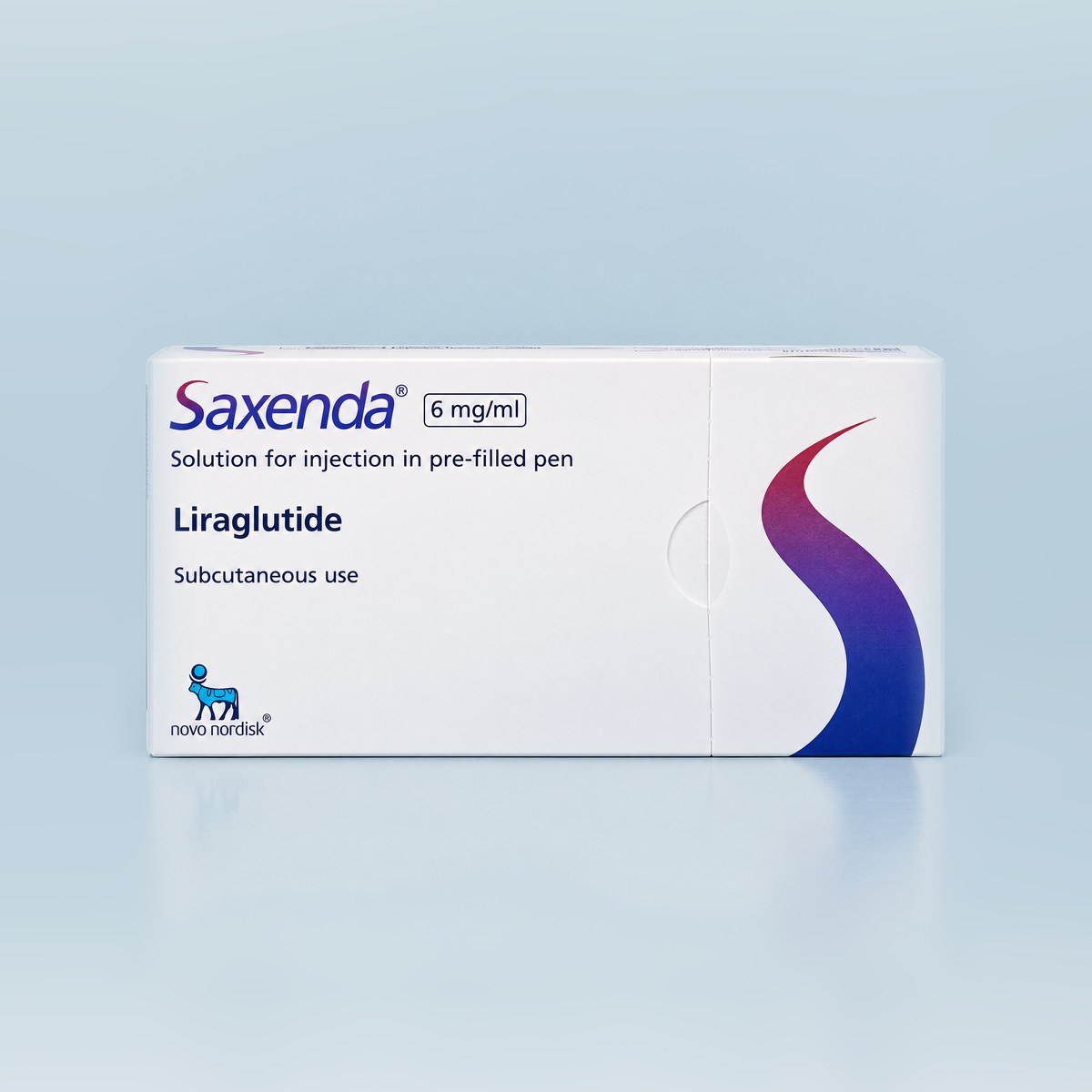
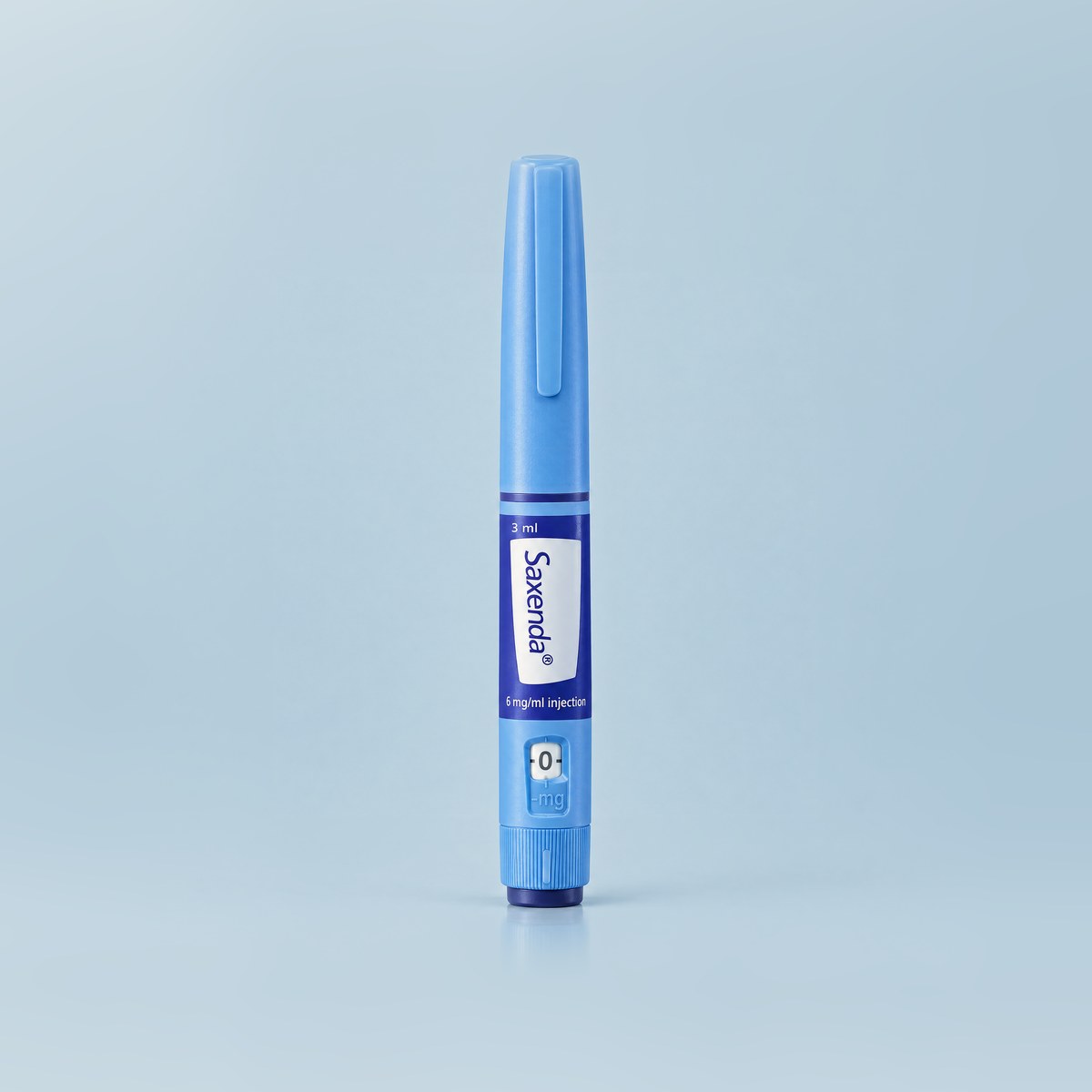

Saxenda Pen
FromTHB 3,190
 Juvelook (PDLLA): What It Is, What the Studies Show and Its Approval Status
 Skin Booster Results and Aftercare: How Long Until You See Results, and What to Avoid After Injection
 Exosome Facial and Exosome Skincare: What They Are, What the Studies Show and Approval Status
 Meso Fat vs Masseter Botox: How to Slim the Face
 Fat Dissolving Injections for Belly and Arms: The Facts
 Collagen Stimulators Explained: PLLA, PDLLA, PN, Profhilo and Exosomes Compared
 What Are Fat Dissolving Injections (Meso Fat)? A Guide
 Double Chin Injections: Kybella vs Meso-Fat Blends

Weight-loss pen is the everyday name for GLP-1 injection medicines supplied in a pre-filled pen. This category covers originator pens with semaglutide, liraglutide and dulaglutide, all prescription medicines, for readers who want to understand the names, active ingredients and storage before speaking with a doctor.
Start with what pen and active ingredient each mean, then see what each brand name is approved for, and read the notes on refrigeration and the thyroid and pancreas warnings. The name, ingredient and maker on the box show which medicine you are looking at.
References
Weight-loss pen is not a drug name; it describes the form, an injection supplied in a pre-filled pen. The medicines here are GLP-1 receptor agonists, which MedlinePlus groups as incretin mimetics. They help the pancreas release insulin when blood sugar is high, slow how fast the stomach empties and may reduce appetite.
GLP-1 is a human hormone, and these medicines are designed to act like it. The word pen only tells you how the medicine is packed; the active ingredient on the label tells you what it actually is, so read the two together.
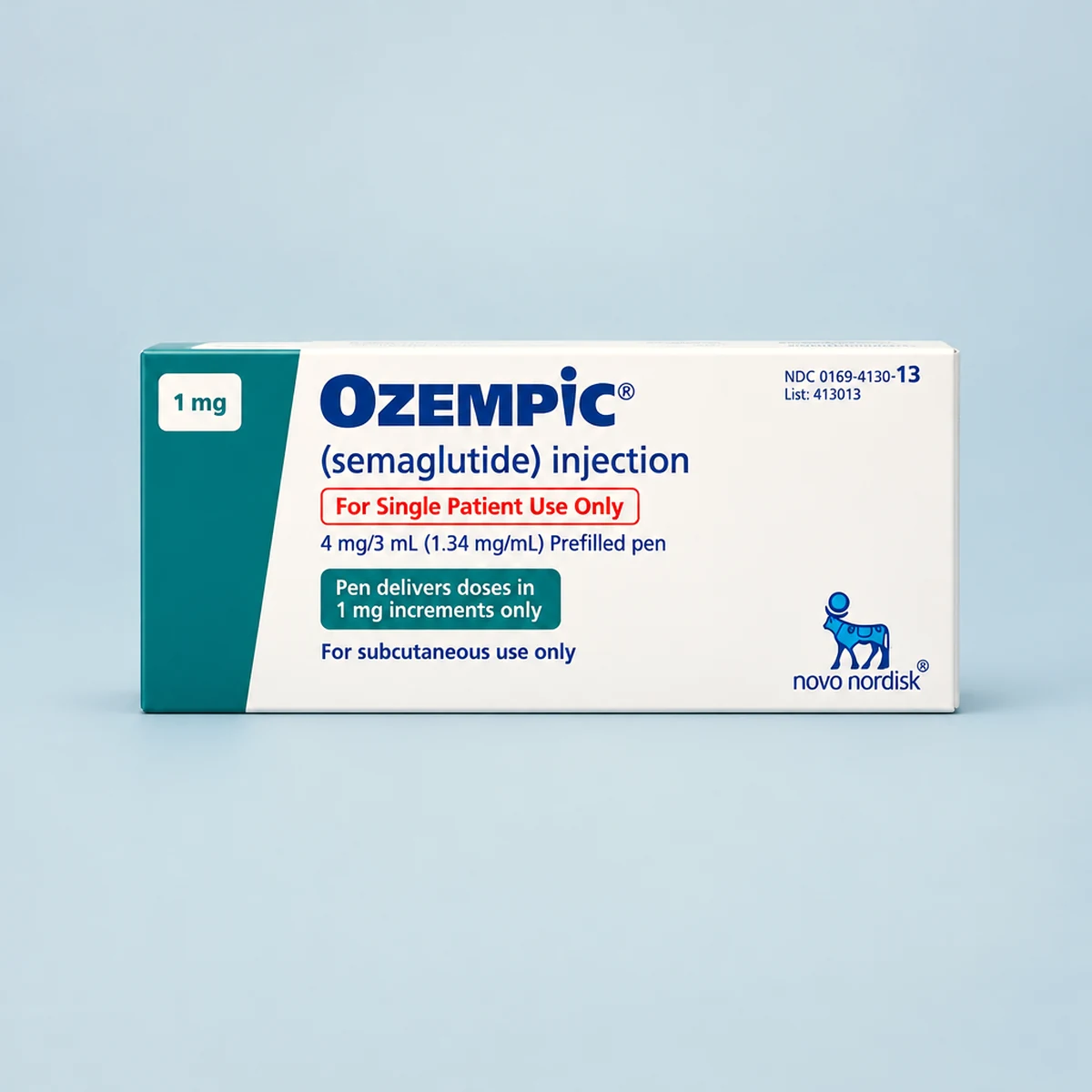
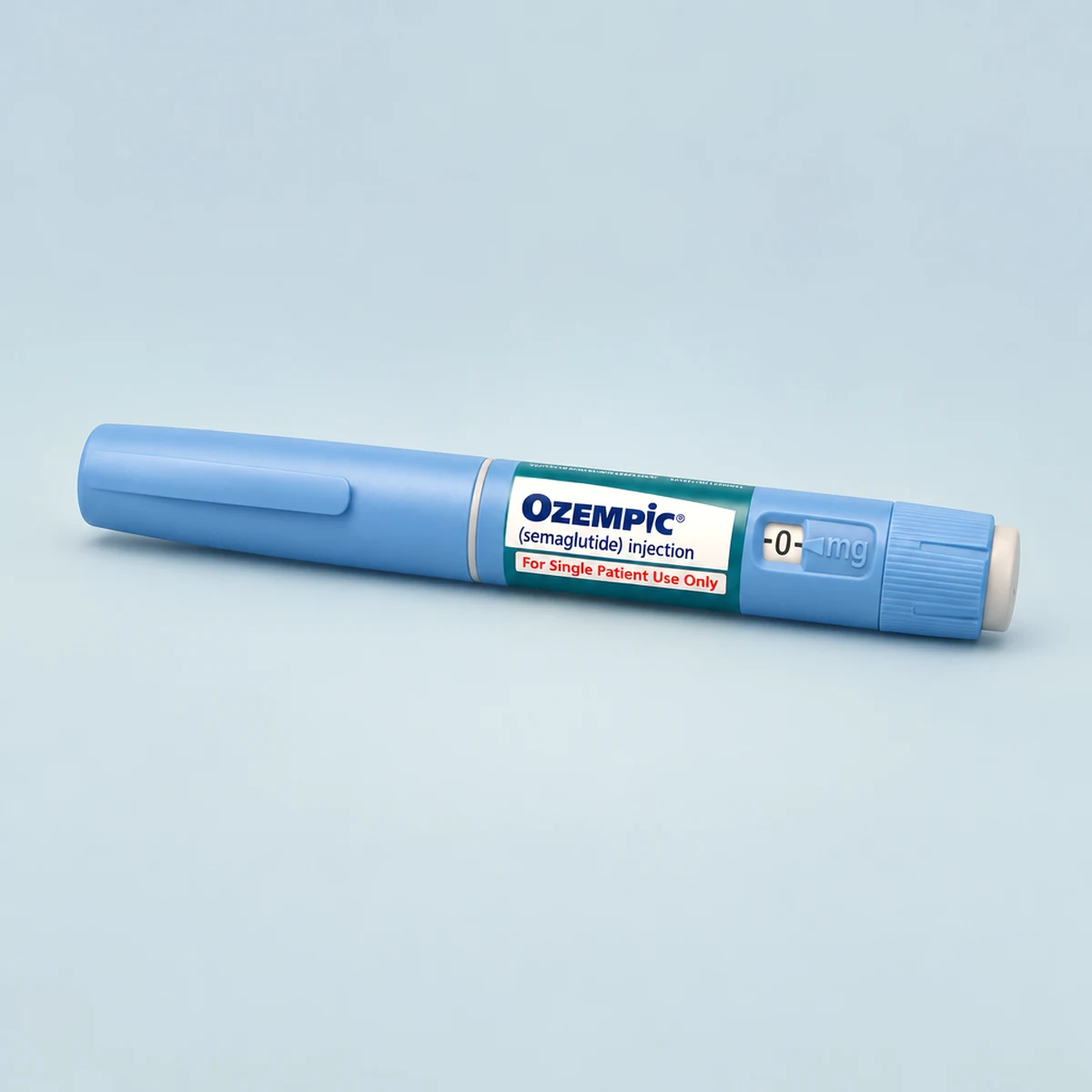
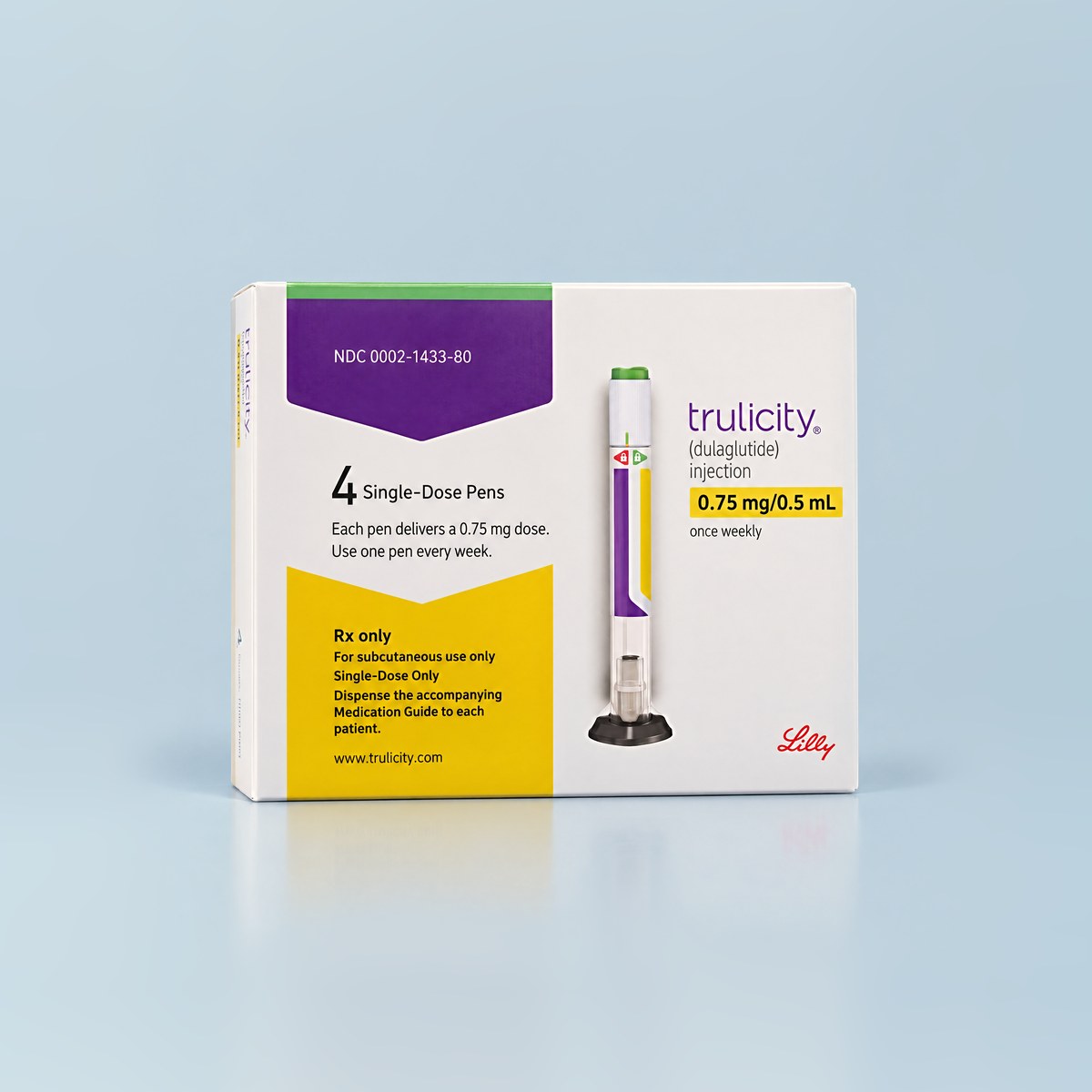
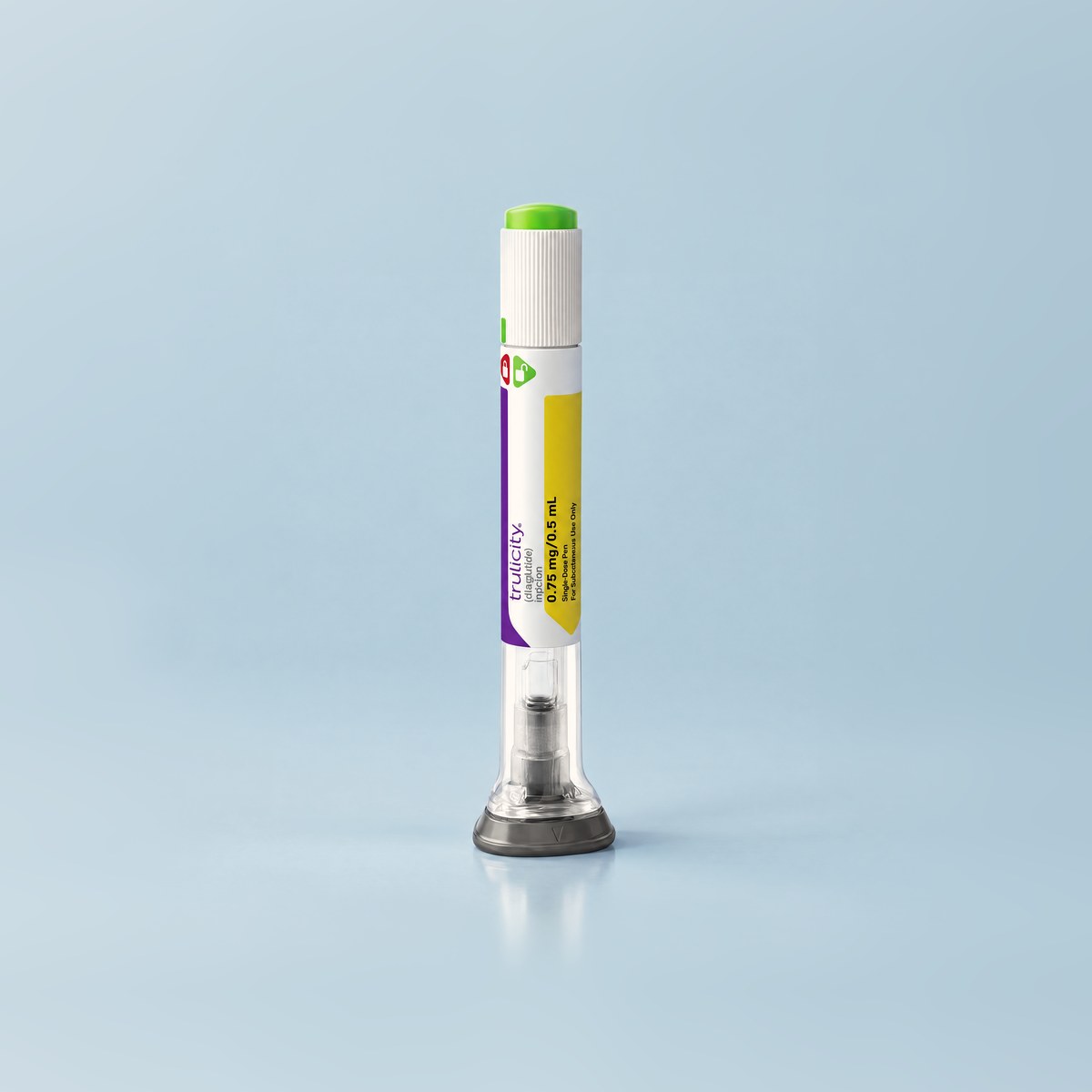
Semaglutide and liraglutide were developed by Novo Nordisk. Semaglutide is sold as Ozempic and Wegovy, liraglutide as Victoza and Saxenda. Dulaglutide is an Eli Lilly medicine sold as Trulicity. All three are injected under the skin and supplied in pens.
One ingredient is split into several brand names according to the condition each is approved for, so the ingredient name alone is not enough. Check the brand name and the approved use in the product information for the item.
According to the sources cited, Ozempic was first approved by the US FDA for type 2 diabetes, while the semaglutide brand for weight management is Wegovy. Of the liraglutide brands, Victoza is for diabetes and Saxenda is for weight management alongside a reduced-calorie diet and more physical activity.
The US FDA label for Trulicity lists type 2 diabetes and lowering cardiovascular risk in some adults, and does not list weight loss as an indication. The category name is a search term and does not mean every item is approved for the same purpose.
The pens in this category are originator medicines supplied pre-filled. The Weight-Loss Peptide category holds vial products, which include an approved ingredient such as tirzepatide and an investigational one such as retatrutide.
The two categories share search terms but differ in ingredient, form and the status of each item. Read them separately and check the label of the item you care about, rather than inferring from the phrase weight-loss injection.
MedlinePlus says semaglutide pens are kept in a refrigerator at 2 to 8 degrees Celsius, never frozen, with the cap on and away from light and heat. Unused liraglutide pens are also refrigerated, away from the cooling element.
A pen in use is stored under different conditions from an unopened one, and each product sets its own limits, so read the product information of the medicine itself. The category name and country of origin do not describe storage.
The labels of semaglutide, liraglutide and dulaglutide warn that the medicine caused thyroid tumours in rats and that it is not known whether this happens in people. People with a personal or family history of medullary thyroid cancer or MEN 2 are usually told not to use it. A neck lump, hoarseness, trouble swallowing or shortness of breath must be reported.
For liraglutide, MedlinePlus also lists pancreatitis: ongoing upper stomach pain that may spread to the back is a serious effect that calls for stopping the medicine and contacting the doctor at once. Whether a medicine suits a particular person is for the prescribing doctor to judge.
Start with the active ingredient, then the brand name, maker, approved use, expiry date, batch number and the condition of the box and pen. Different names on a box can mean the same ingredient or different ones, so compare the active ingredient first and use the box you will actually use.
These are prescription medicines. MedlinePlus says a doctor or nurse shows how to use the pen, needles are bought separately, and pens or needles must never be shared or reused. Before the visit, prepare your medical history, especially thyroid, pancreas and diabetes history, and the other medicines you take.