












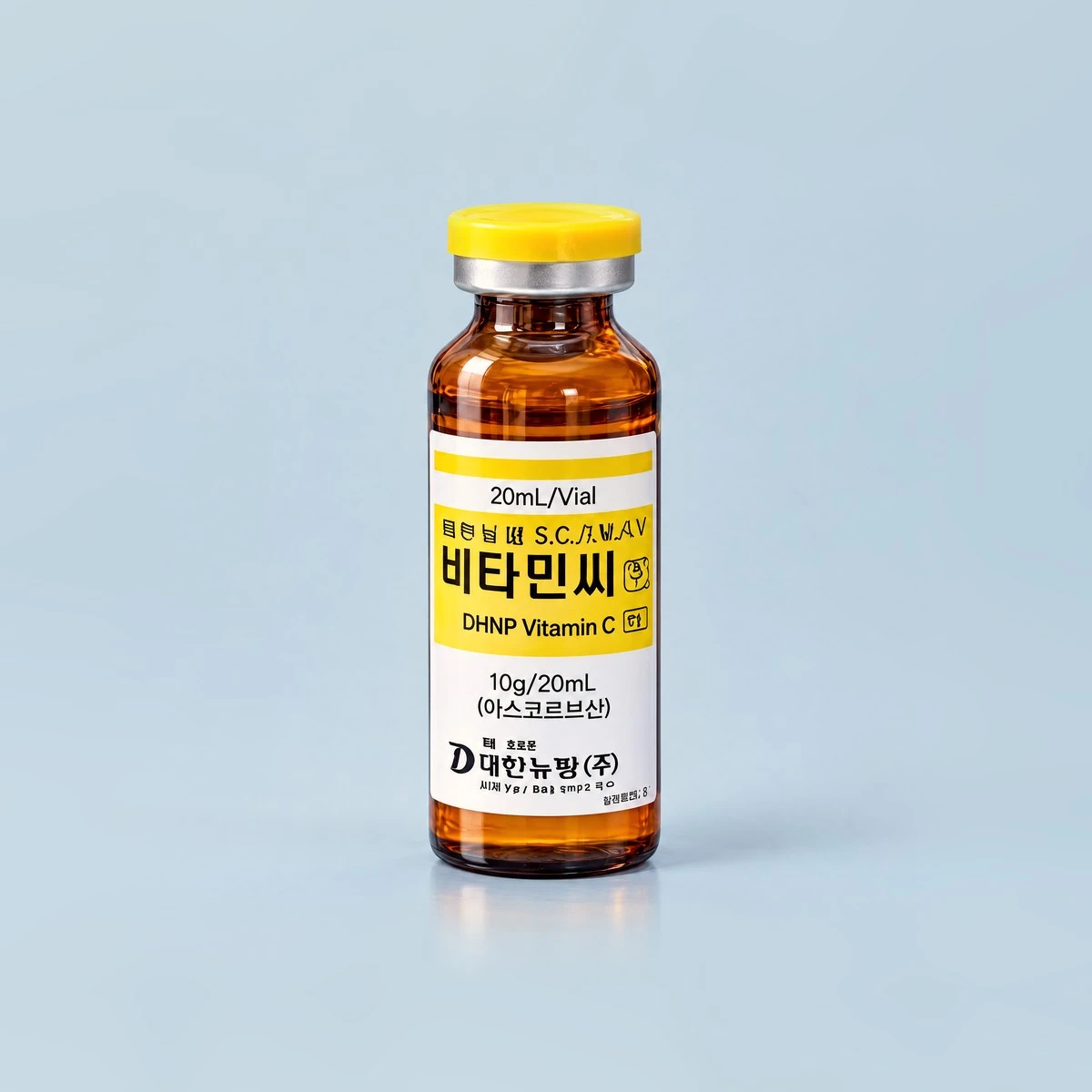
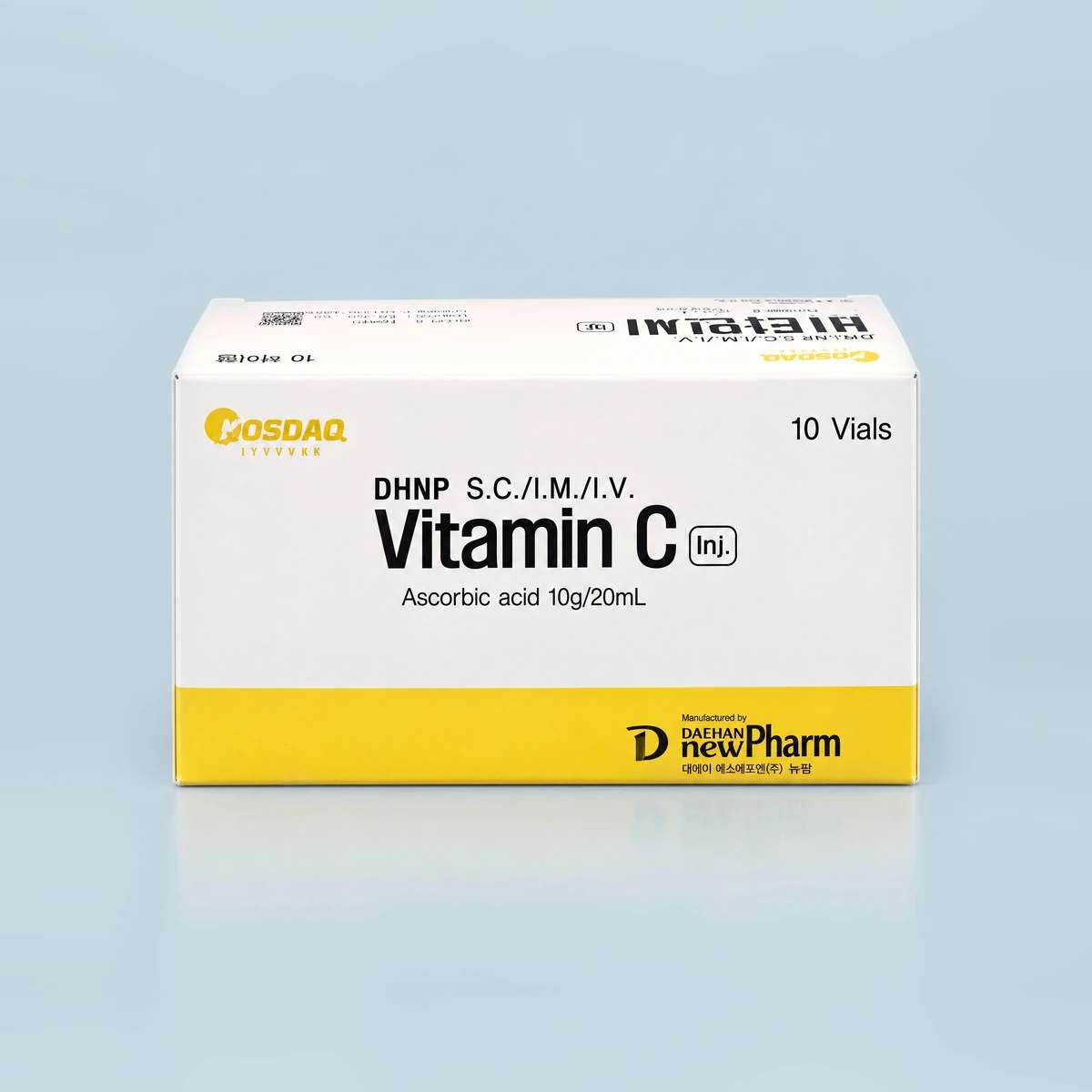

Kosdao Vitamin C Ascorbic Acid (for brightness)
THB 1,890
 Juvelook (PDLLA): What It Is, What the Studies Show and Its Approval Status
 Skin Booster Results and Aftercare: How Long Until You See Results, and What to Avoid After Injection
 Exosome Facial and Exosome Skincare: What They Are, What the Studies Show and Approval Status
 Meso Fat vs Masseter Botox: How to Slim the Face
 Fat Dissolving Injections for Belly and Arms: The Facts
 Collagen Stimulators Explained: PLLA, PDLLA, PN, Profhilo and Exosomes Compared
 What Are Fat Dissolving Injections (Meso Fat)? A Guide
 Double Chin Injections: Kybella vs Meso-Fat Blends

Skin vitamins is a popular term for vitamins linked to skin health, most often vitamin C and the B vitamins such as B12, B-complex and B6. It is not the name of a drug or an official class of substances. They come as oral products, injections and drips given into a vein. Injections and drips are given by medical staff, and the doctor decides whether they are used.
References
An injectable skin vitamin product is a sterile solution supplied in an ampoule or vial. The main ingredient is usually vitamin C or one group of B vitamins. Vitamin C is typically ascorbic acid. The B group includes single-ingredient B12, B-complex products that combine several B vitamins, and B6.
Most of these vitamins dissolve in water, and what the body does not need leaves mostly through urine. That does not make any amount safe. A label should state the active ingredient, the manufacturer, the packaging and that the product is for injection, so read the ingredient name first. A popular name such as skin vitamins does not say what is inside.
Collagen is the fibrous protein that forms the framework of skin. The body needs vitamin C to help make collagen fibres firm and stable. Severe deficiency causes scurvy, with swollen gums, easy bleeding and slow wound healing.
Vitamin C is also an antioxidant that protects cells from damage by reactive oxygen, and it helps the body absorb iron from plants. People who eat fruit and vegetables regularly usually get enough, and an injection does not replace sunscreen or skin care. Collagen the body makes itself is different from the imported products in the Collagen collection, which are for injection or for eating. Whether to use injectable vitamin C is the doctor's call.
There are eight B vitamins. They work together to turn food into energy and each has its own job. Vitamin B12 is involved in making red blood cells, in nerve function and in building genetic material. It is found in animal foods, so strict vegetarians and vegans are the group to watch for deficiency.
B-complex is a product that combines several B vitamins, used when a doctor wants to give more than one at a time. Vitamin B6 relates to how the body uses protein, makes chemical messengers in the nerves and builds haemoglobin. It is found in fish, chicken, potatoes and bananas. Large amounts from supplements over a long period can affect nerves, so nobody should raise their intake without asking a doctor. None of these is a vitamin for the skin alone.
Oral vitamins are digested and absorbed in the gut, which suits topping up from daily food. The body absorbs less vitamin C as the amount eaten goes up. Vitamin B12 needs a substance made in the stomach to be absorbed, so people with trouble in that process can fall short even on a complete diet.
An injection means medical staff place a solution into the body directly, bypassing digestion, and the site and method depend on the product and the doctor. A drip is a diluted solution given into a vein in a medical facility, with someone watching throughout. Giving through a vein involves more steps and more risk than eating. No route is better in every case, so the doctor decides whether an injection or drip is needed.
Talk to a doctor every time before an injection, especially if you are pregnant or breastfeeding, have kidney disease or a history of kidney stones, have certain blood disorders, take regular medicines, have had an allergy to a drug or vitamin, or have inflamed or infected skin where the injection would go. High-dose vitamin C needs care in some conditions, so each person has to be assessed.
Common reactions are redness, swelling, soreness or slight bruising at the site. Some people feel flushed, queasy or dizzy. Severe allergy, with a rash across the body, swelling of the face or lips, trouble breathing or chest tightness, is rare but needs medical care without delay. Tell the doctor about any reaction and name the product used.
An ampoule is a sealed glass tube holding a sterile solution. Before use, read the storage directions on the label of that product, because conditions differ. Many vitamins are sensitive to light and heat, which is why they often come in amber glass or an opaque box, and they should not sit in strong sunlight.
Check that the product name, expiry date and lot number match the box. Do not use an ampoule that is cracked, has a loose cap, or holds a cloudy solution, sediment or a colour that differs from the label. Vitamin C that has degraded can turn yellow or brown. Never keep an opened ampoule for later, and keep the box and label until the product is used up.
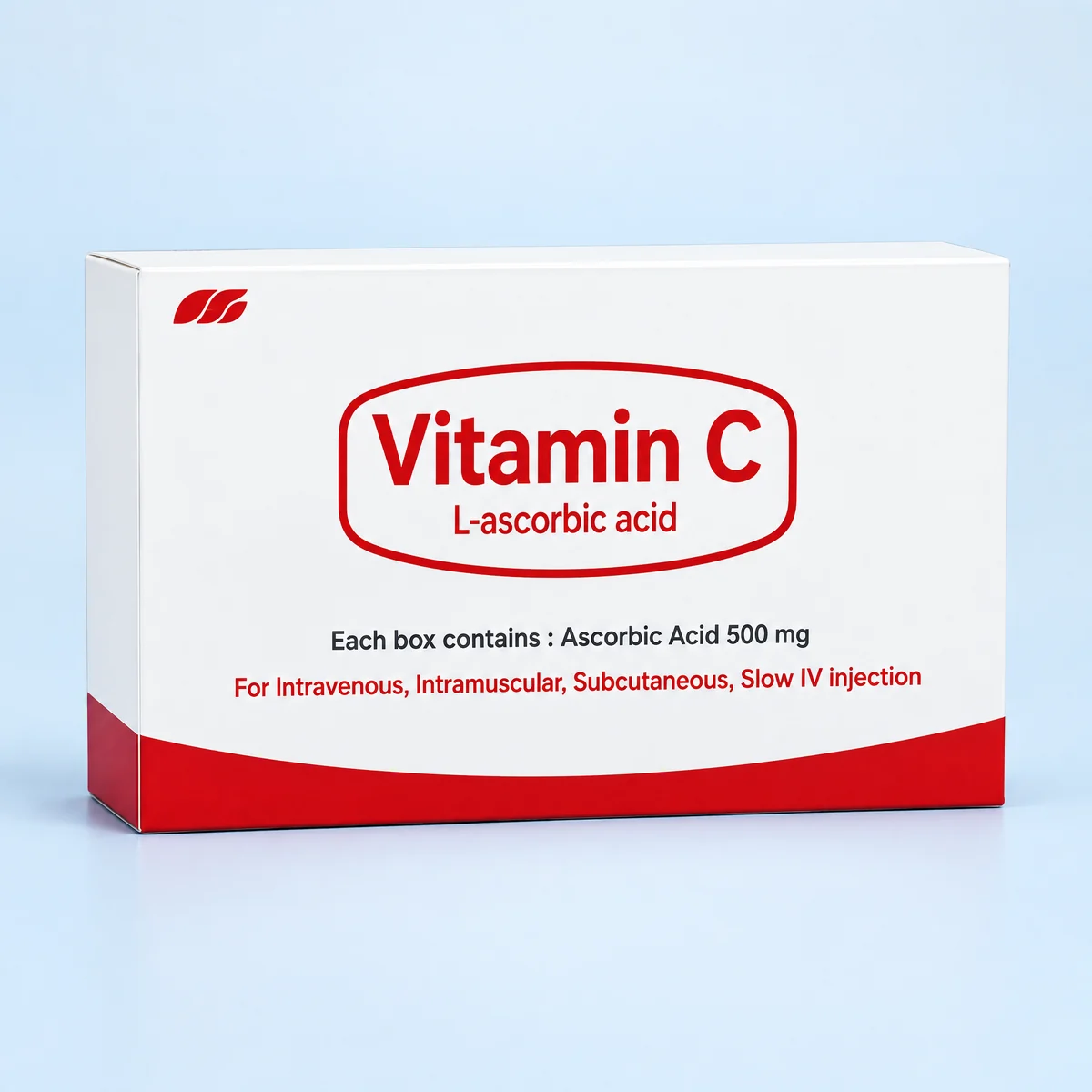
Injectables and ampoules for clinics fall into a vitamin C group and a B vitamin group. The vitamin C group includes Kosdao, vitamin C from Daehan New Pharm, a Korean manufacturer, and L-ascorbic acid, another injectable vitamin C. For every vitamin C product, the label should state the active ingredient, the manufacturer and that it is for injection.
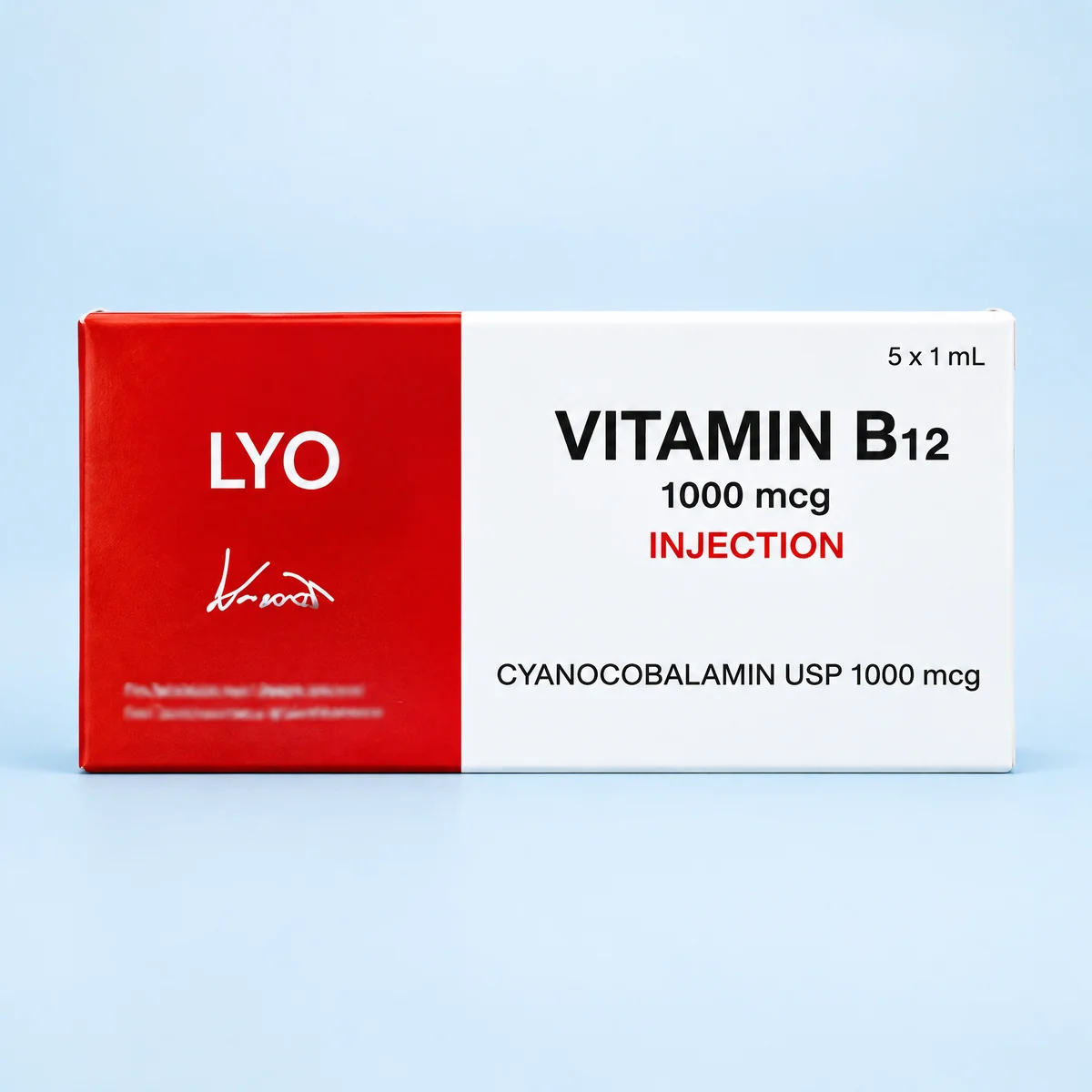
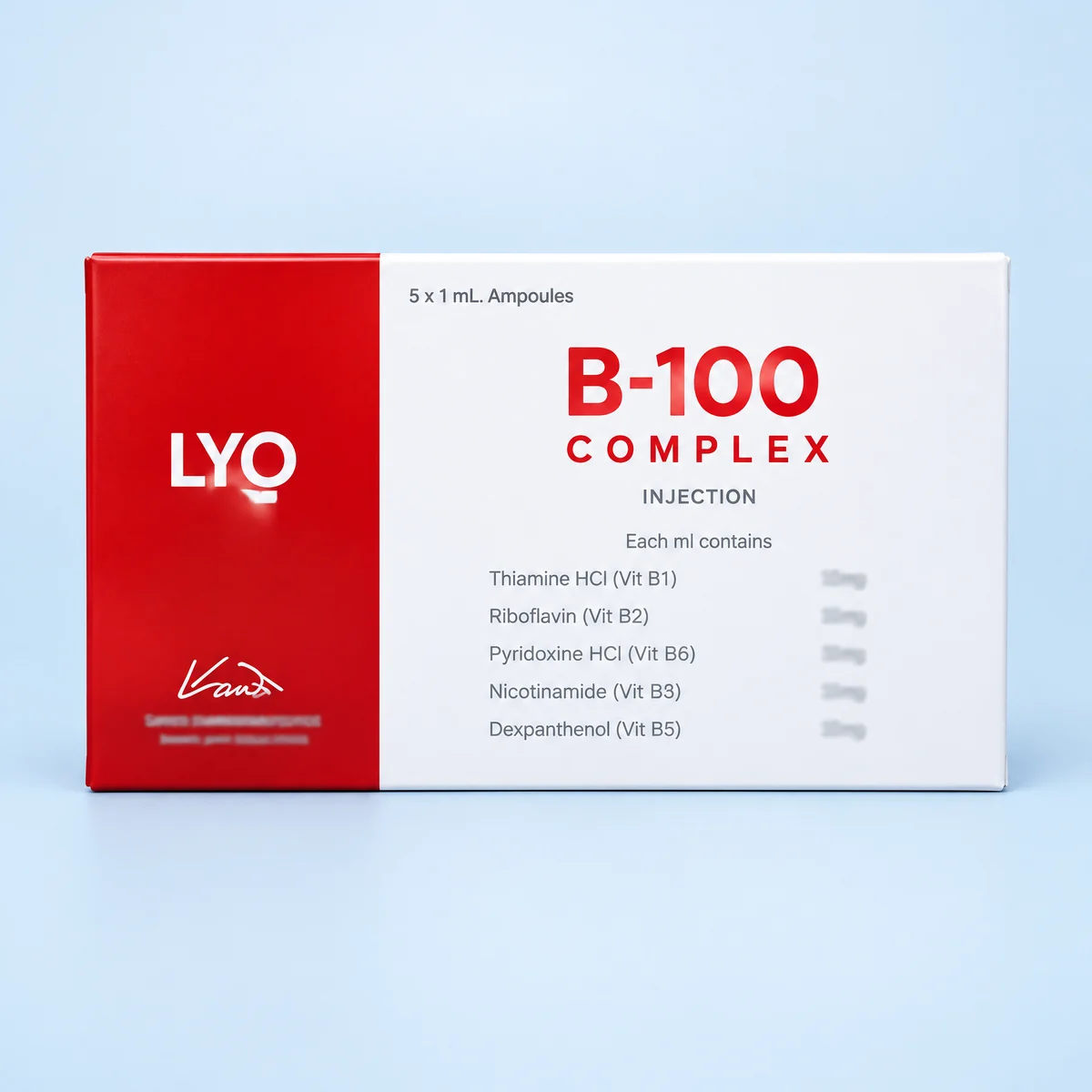
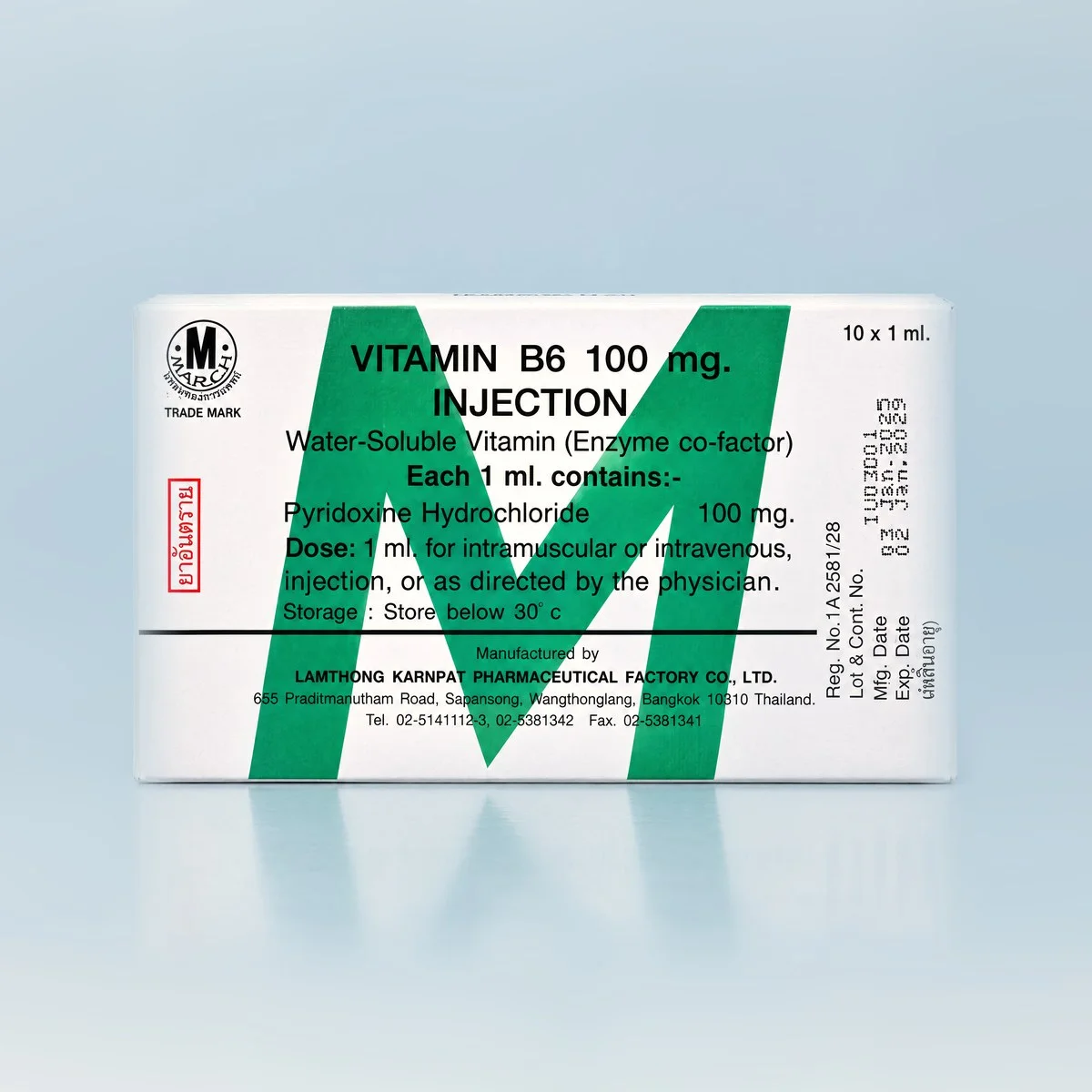
The B vitamin group includes LYO Vitamin B12, an injectable vitamin B12, LYO B-100 Complex, an injectable B-complex, and Lamthong, an injectable vitamin B6 made in Thailand. All are used under a doctor's care. Compare the active ingredient, the manufacturer and the packaging on each label before choosing.