













 Sale
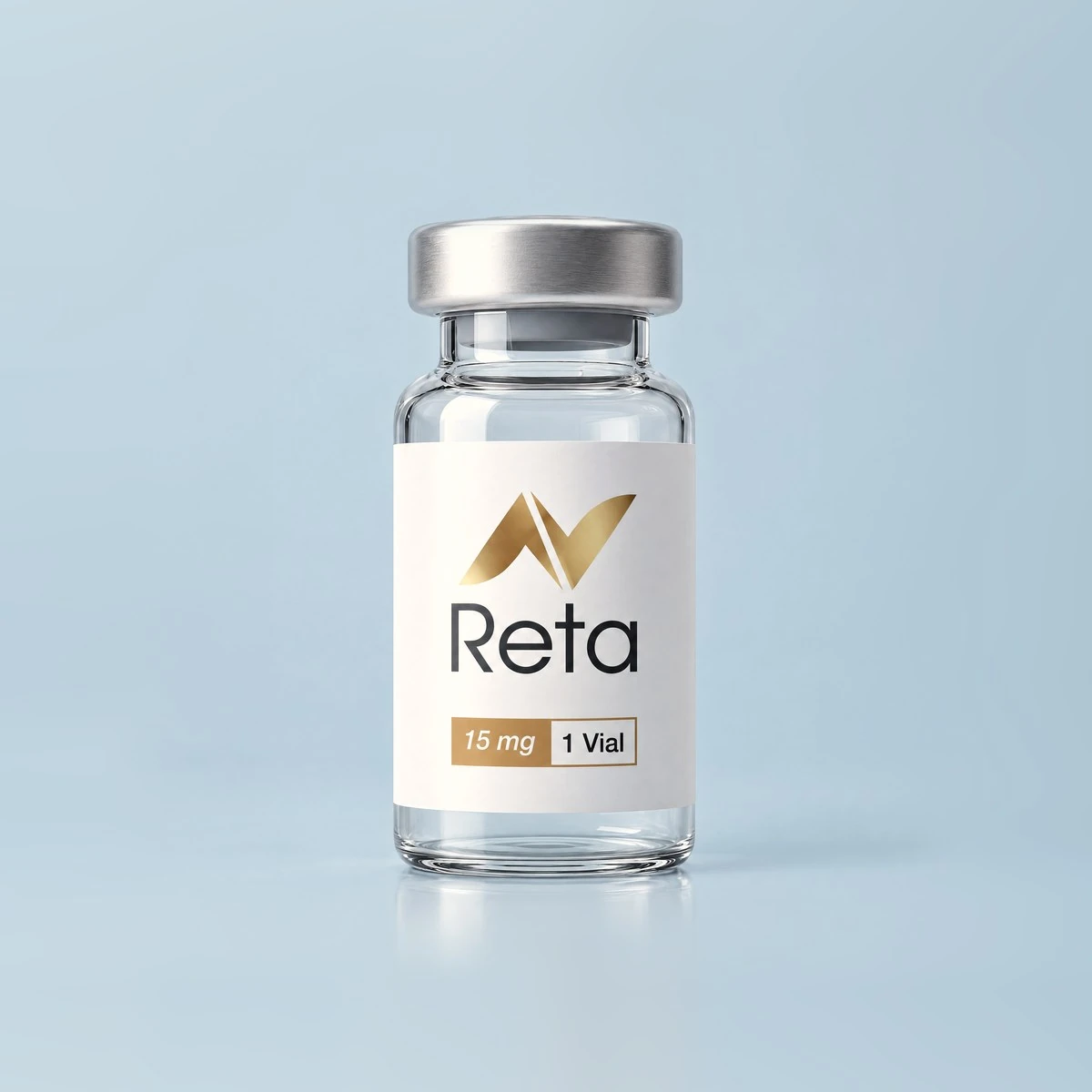
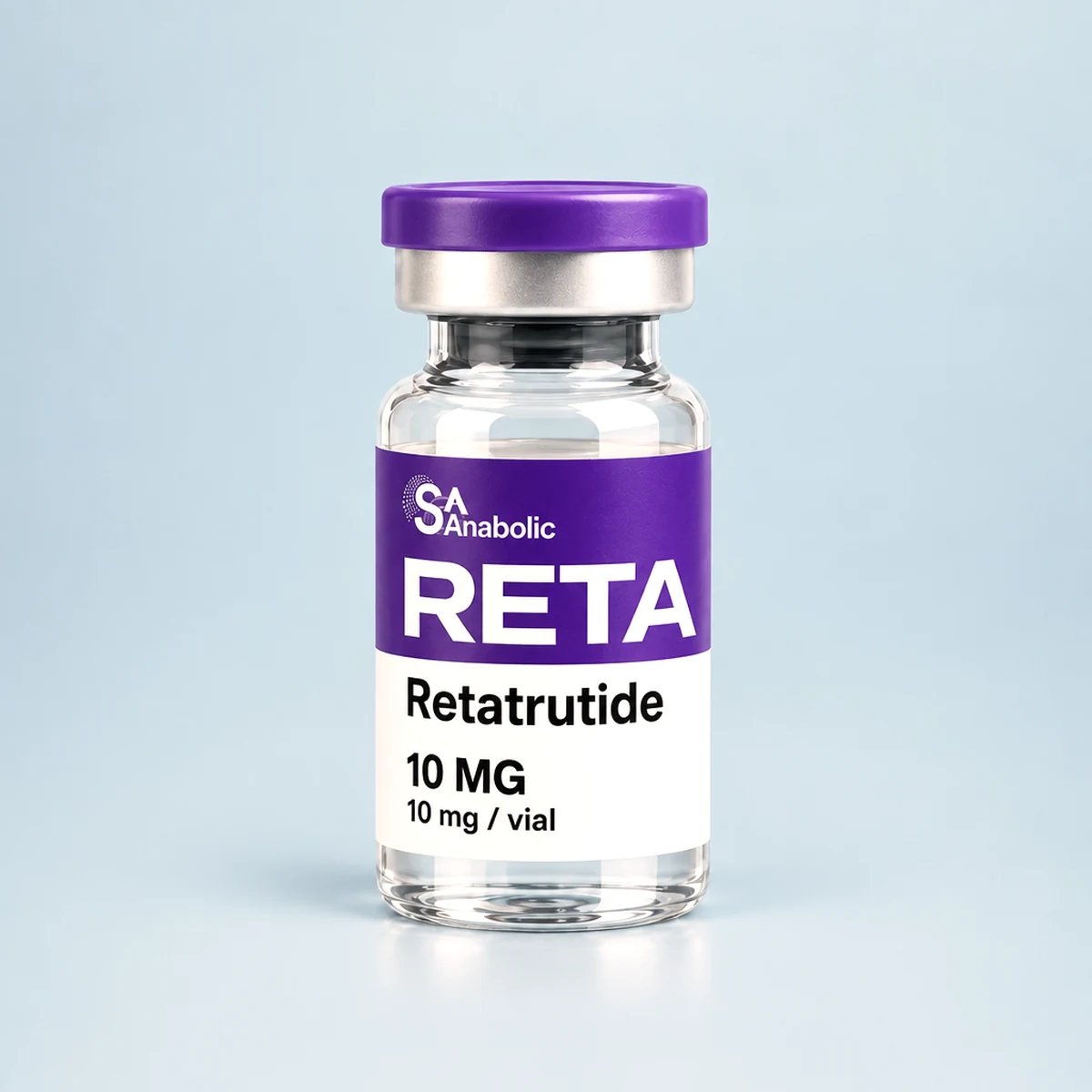
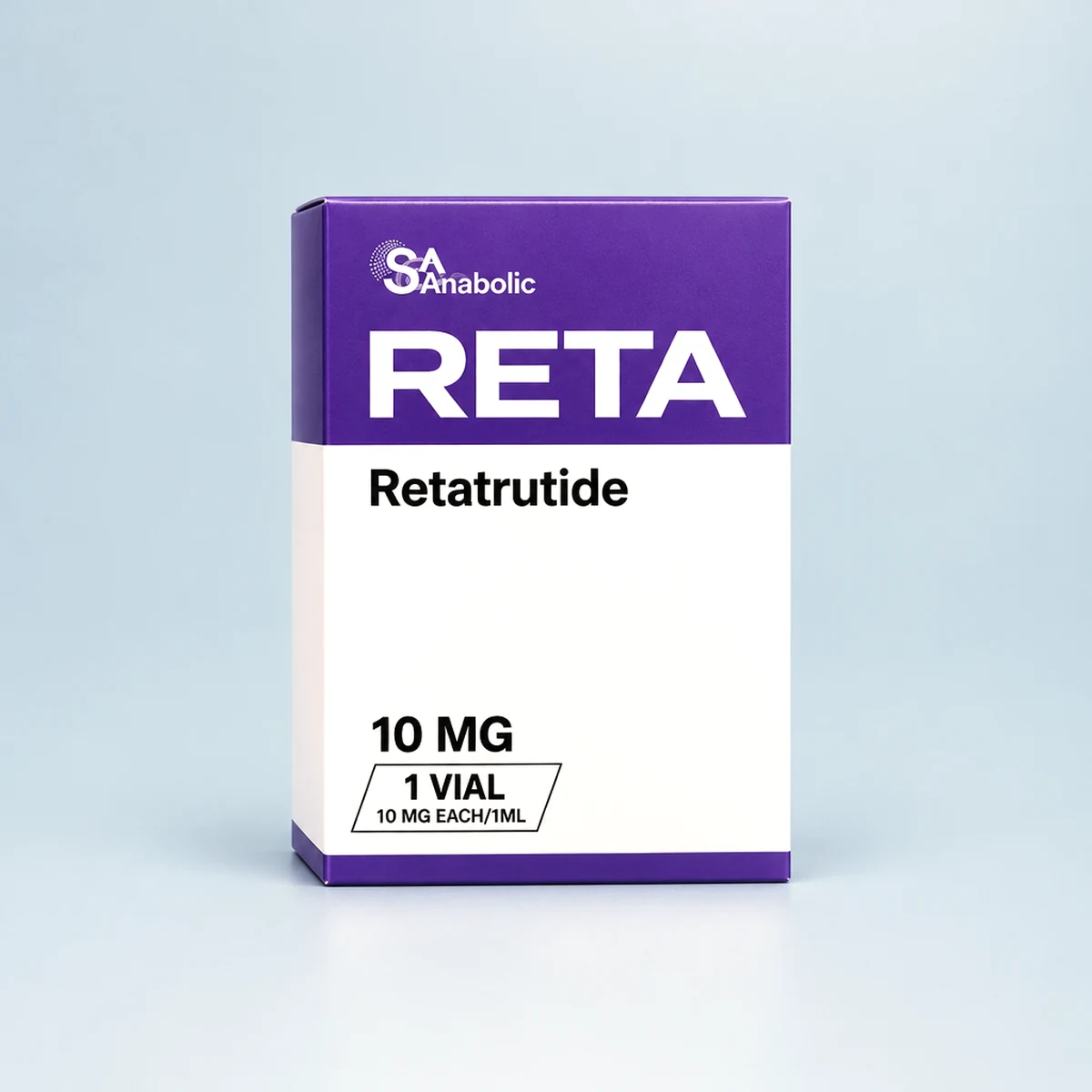
Reta 15mg | For body care
THB 4,200THB 6,500
 Juvelook (PDLLA): What It Is, What the Studies Show and Its Approval Status
 Skin Booster Results and Aftercare: How Long Until You See Results, and What to Avoid After Injection
 Exosome Facial and Exosome Skincare: What They Are, What the Studies Show and Approval Status
 Meso Fat vs Masseter Botox: How to Slim the Face
 Fat Dissolving Injections for Belly and Arms: The Facts
 Collagen Stimulators Explained: PLLA, PDLLA, PN, Profhilo and Exosomes Compared
 What Are Fat Dissolving Injections (Meso Fat)? A Guide
 Double Chin Injections: Kybella vs Meso-Fat Blends

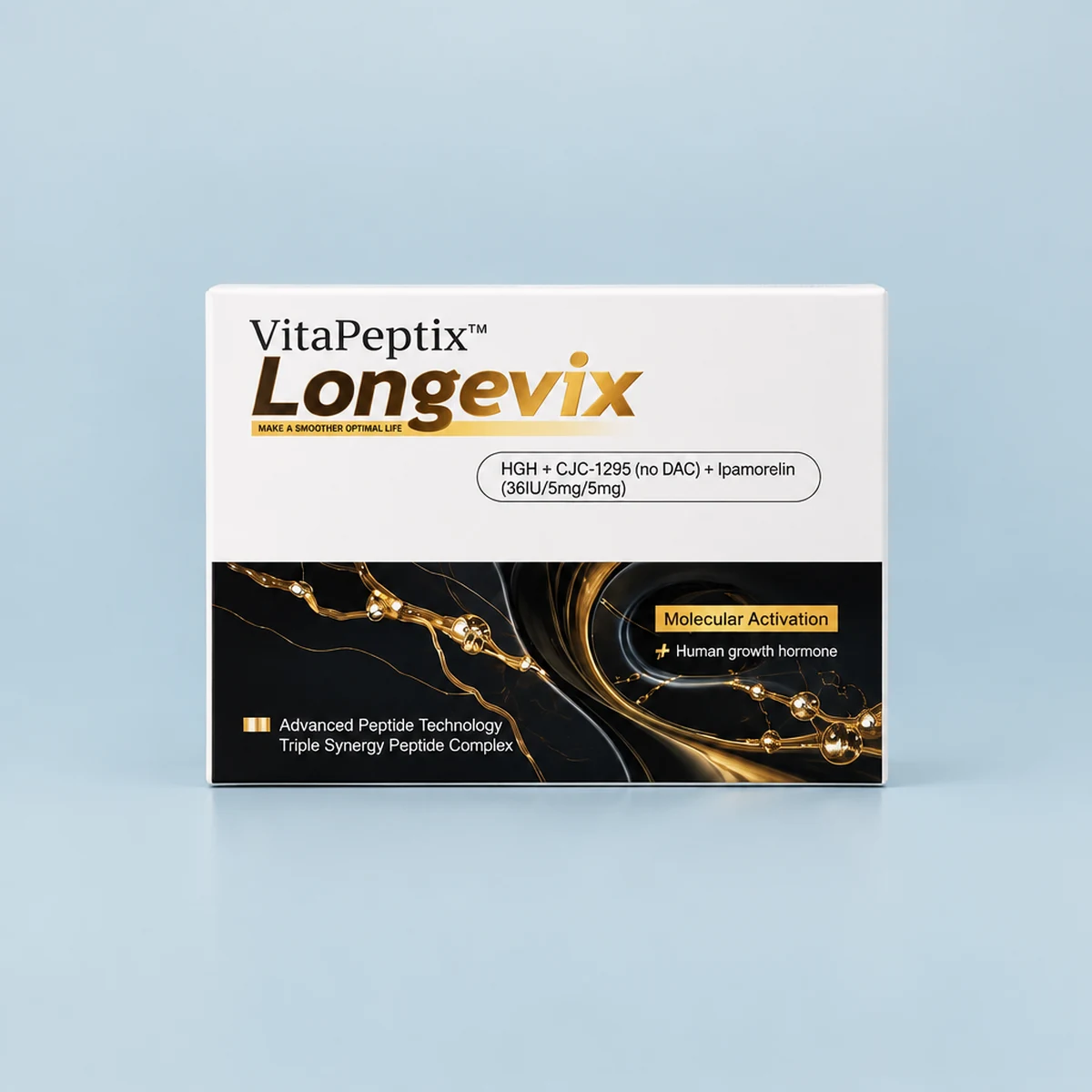
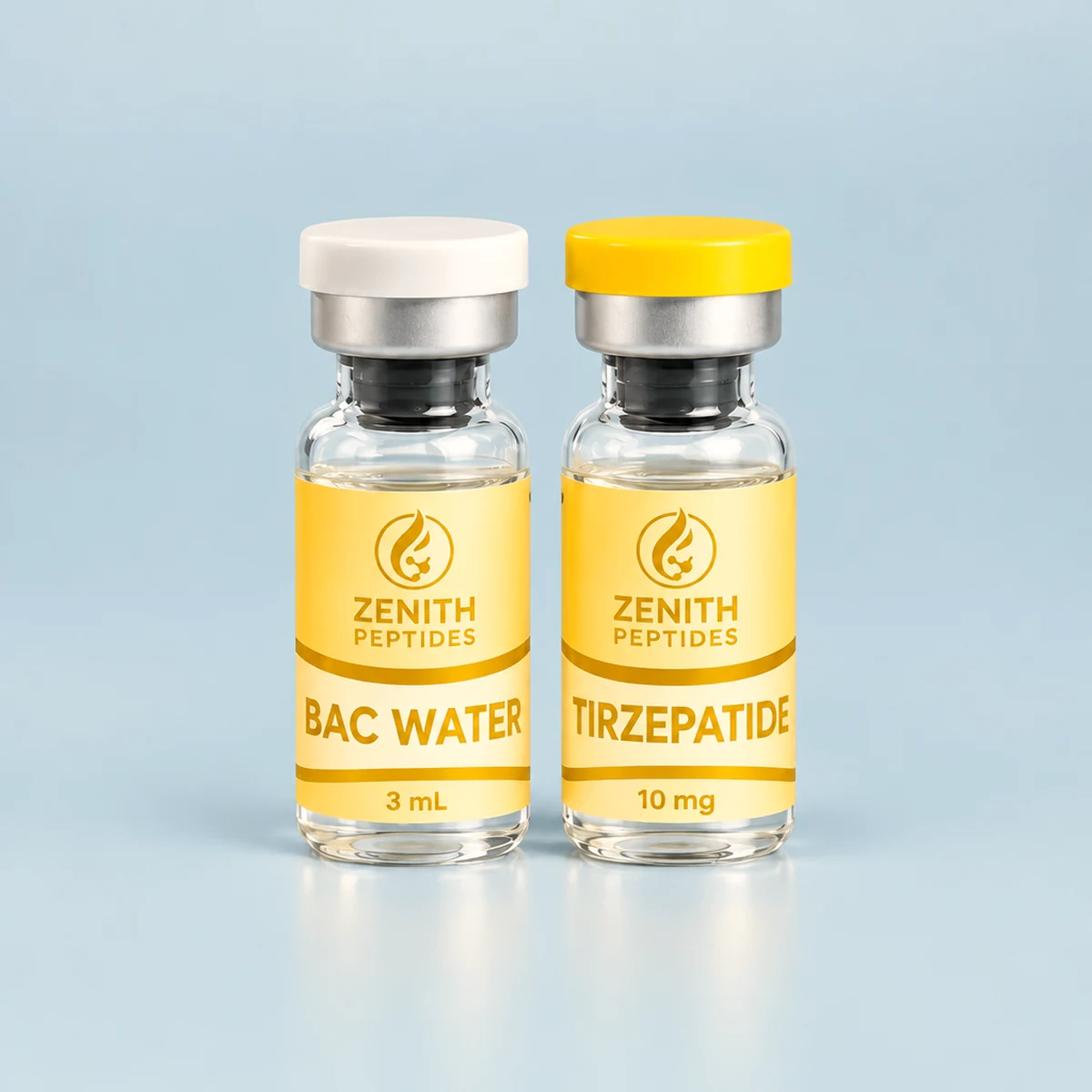
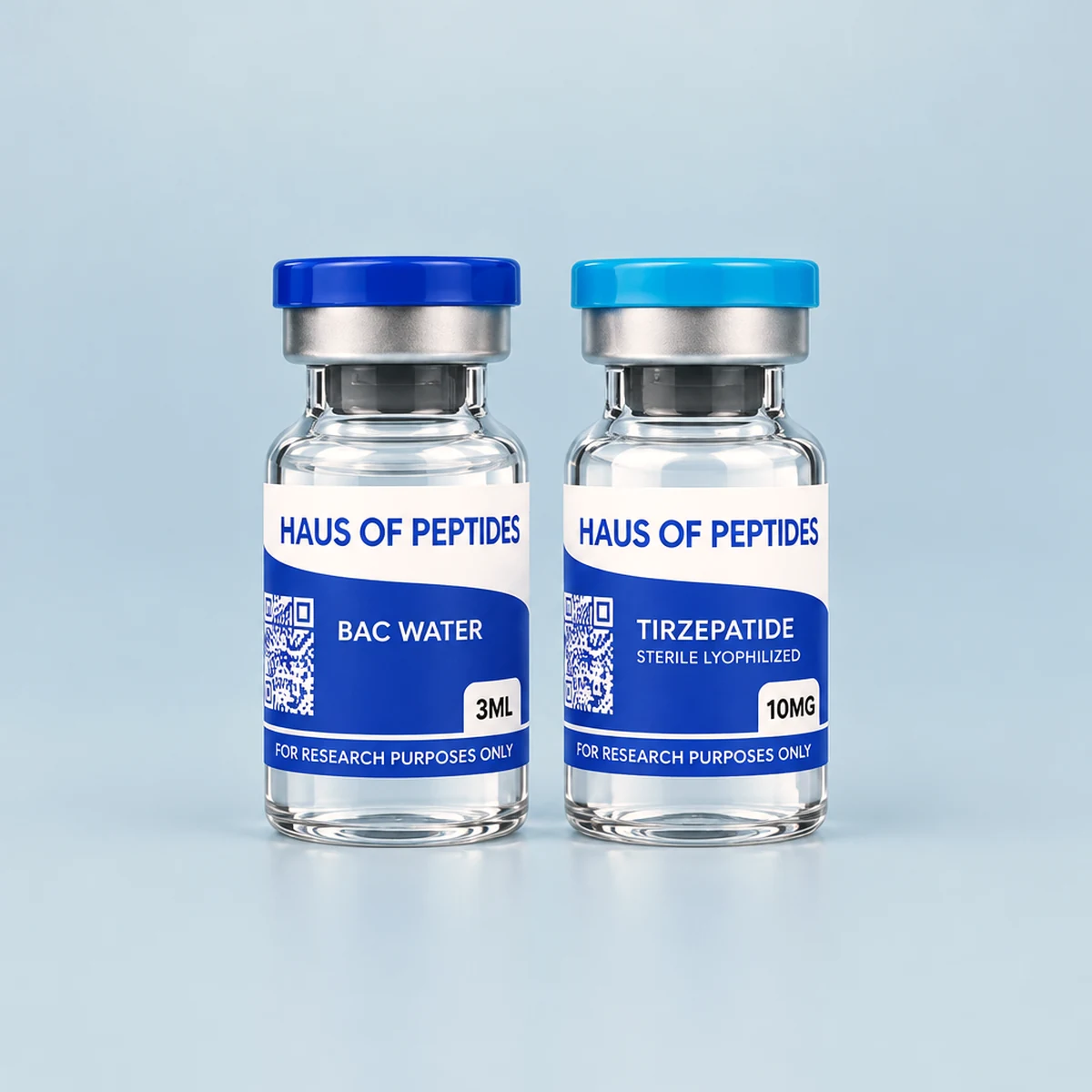
Weight-loss peptide is the everyday name for injectable products that act on the GIP and GLP-1 hormone receptors. This category holds vial products named after the tirzepatide and retatrutide groups, for readers who want to tell apart an approved ingredient from one still under research.
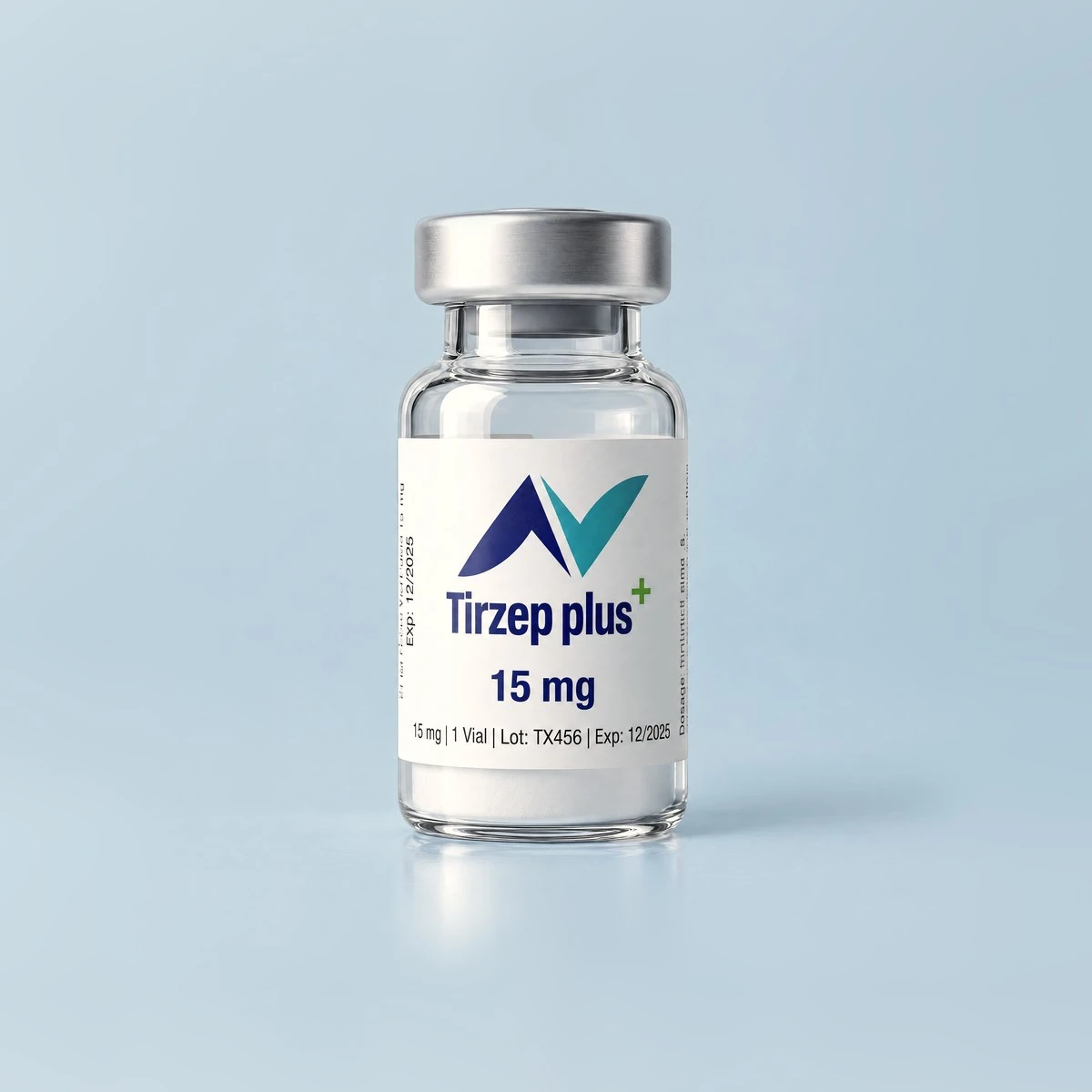
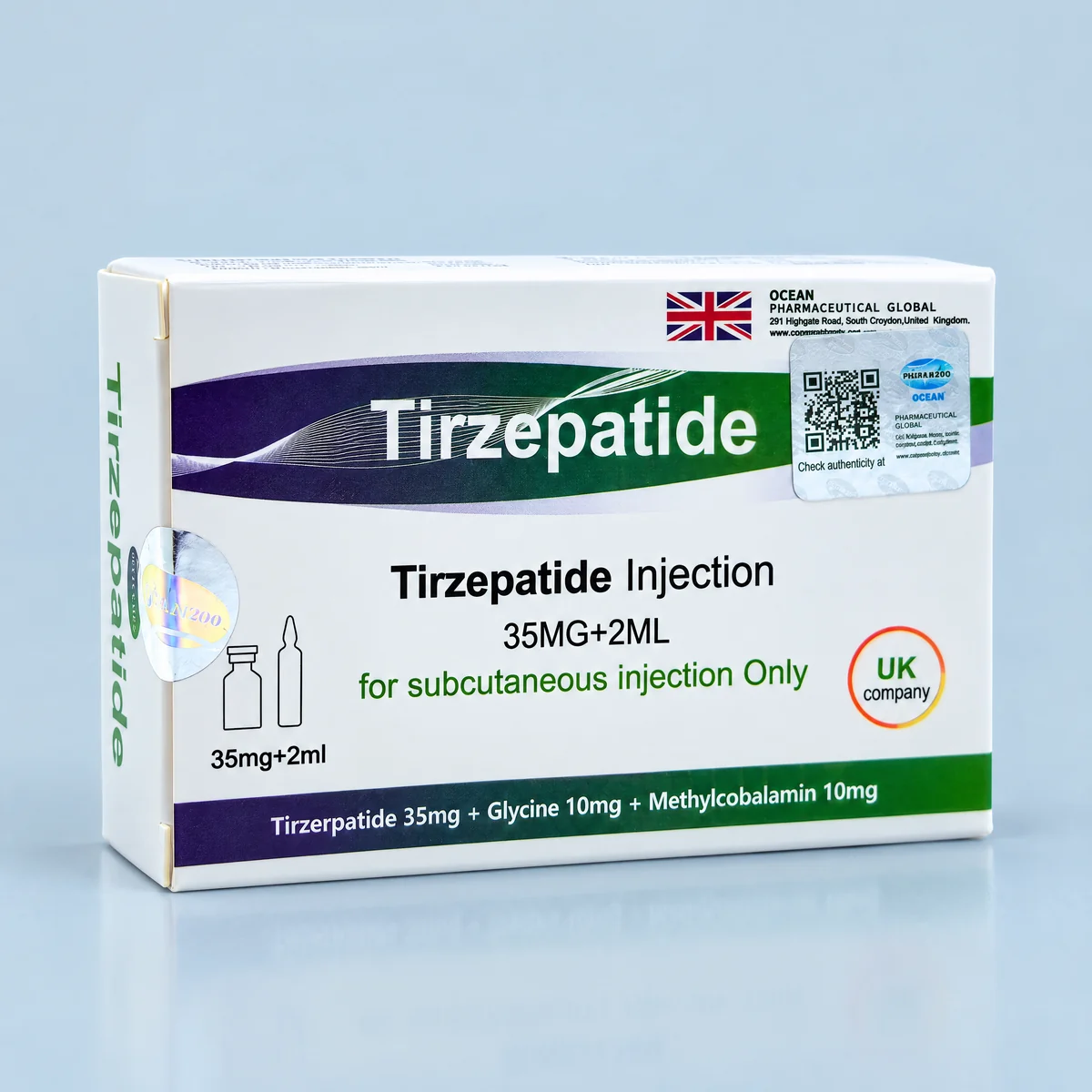
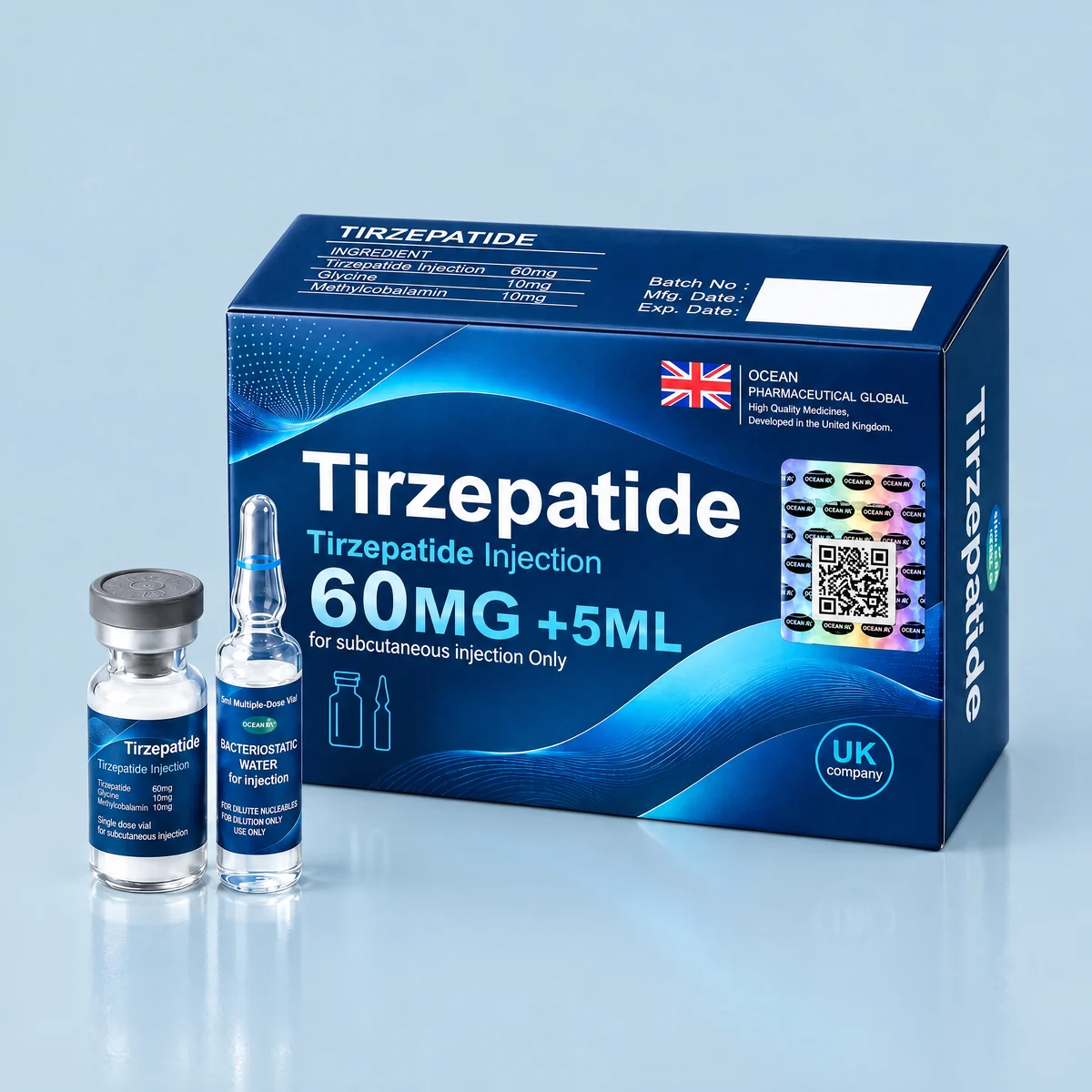
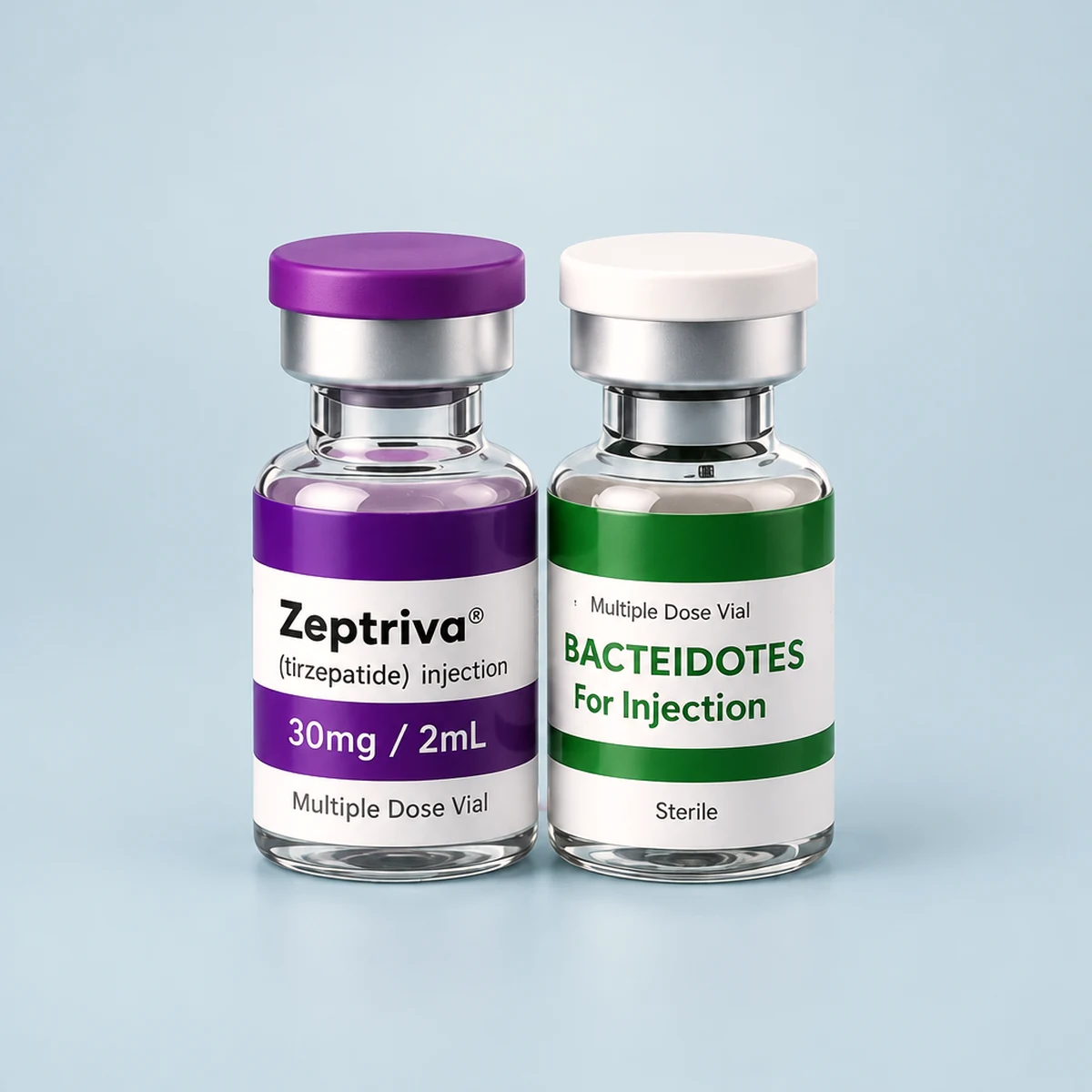
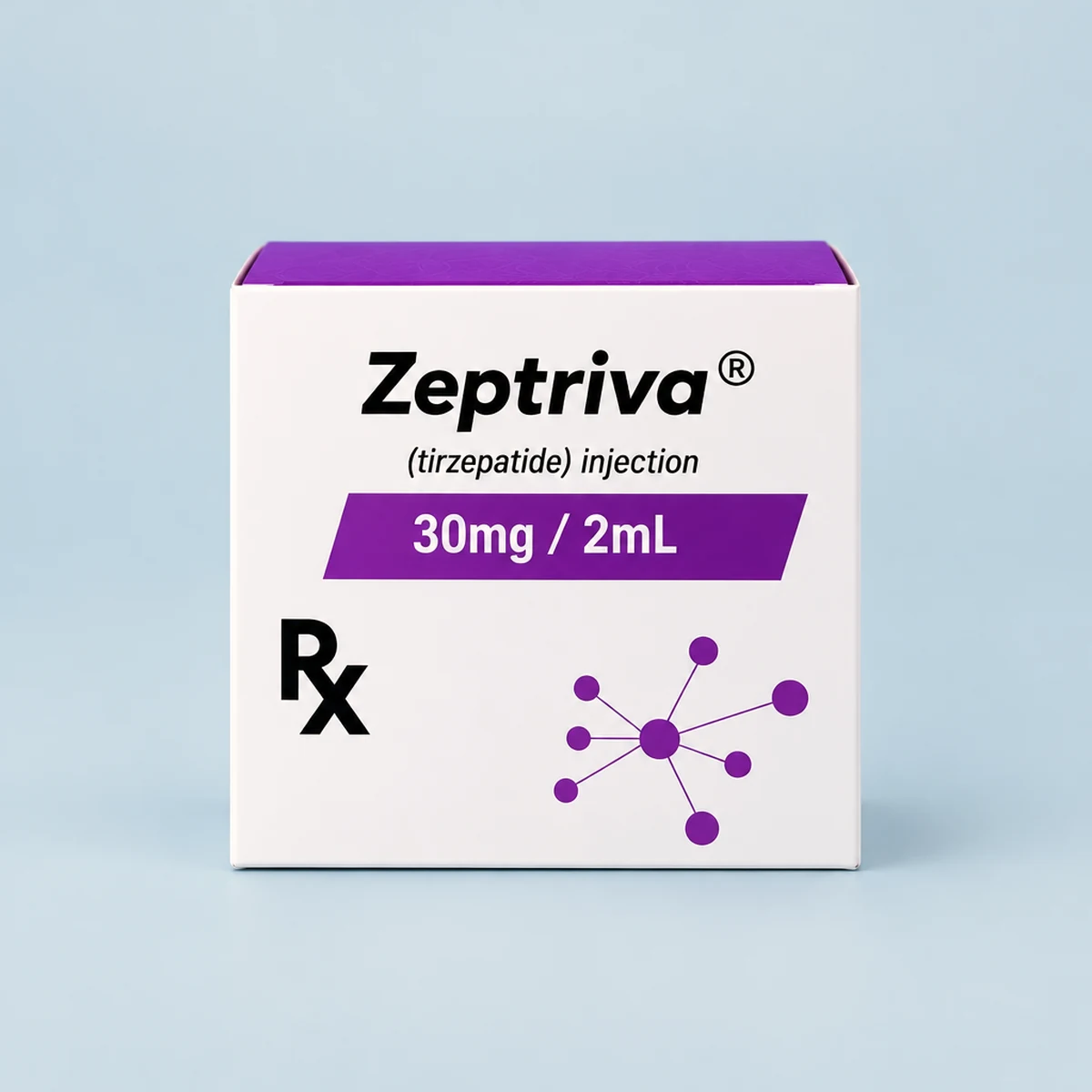
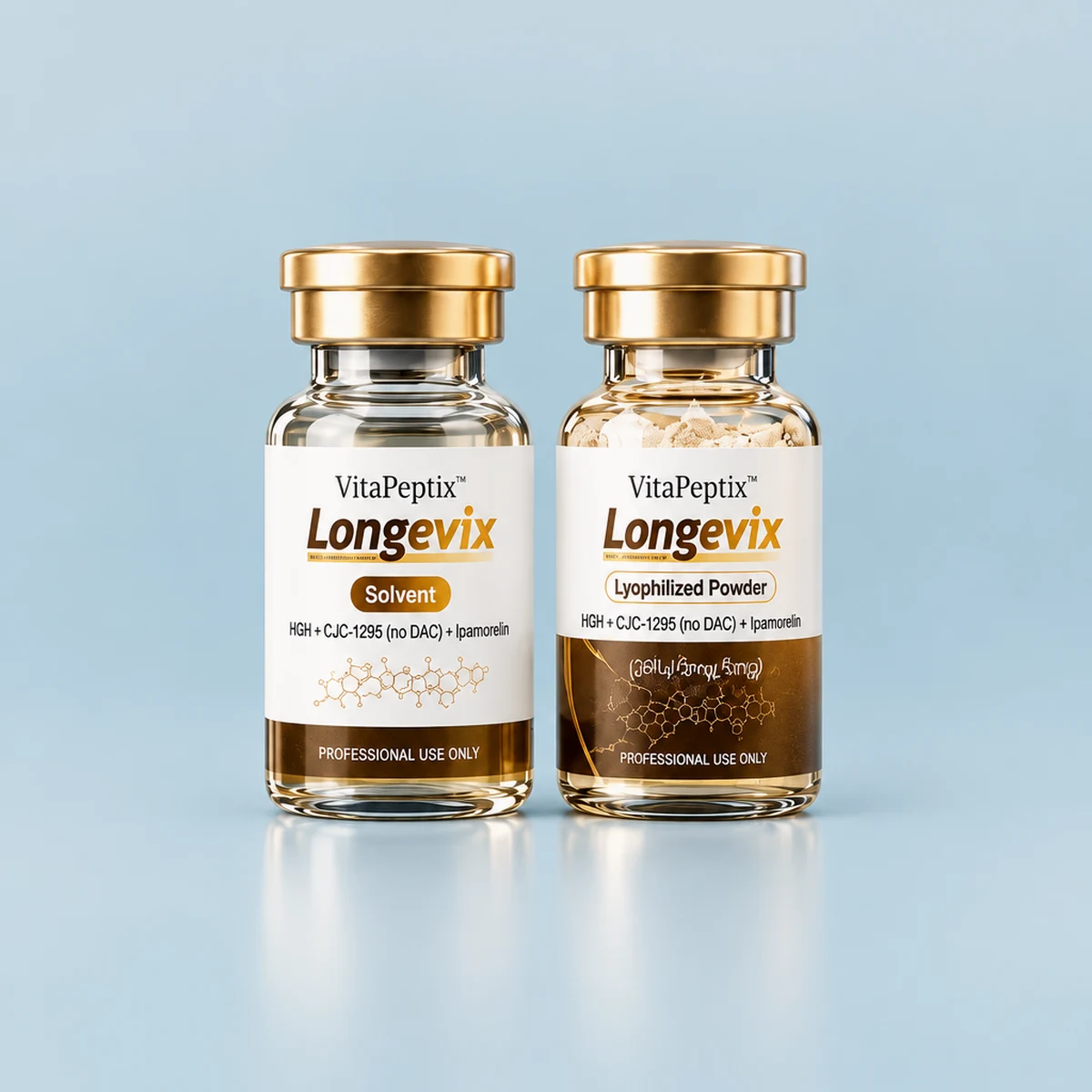
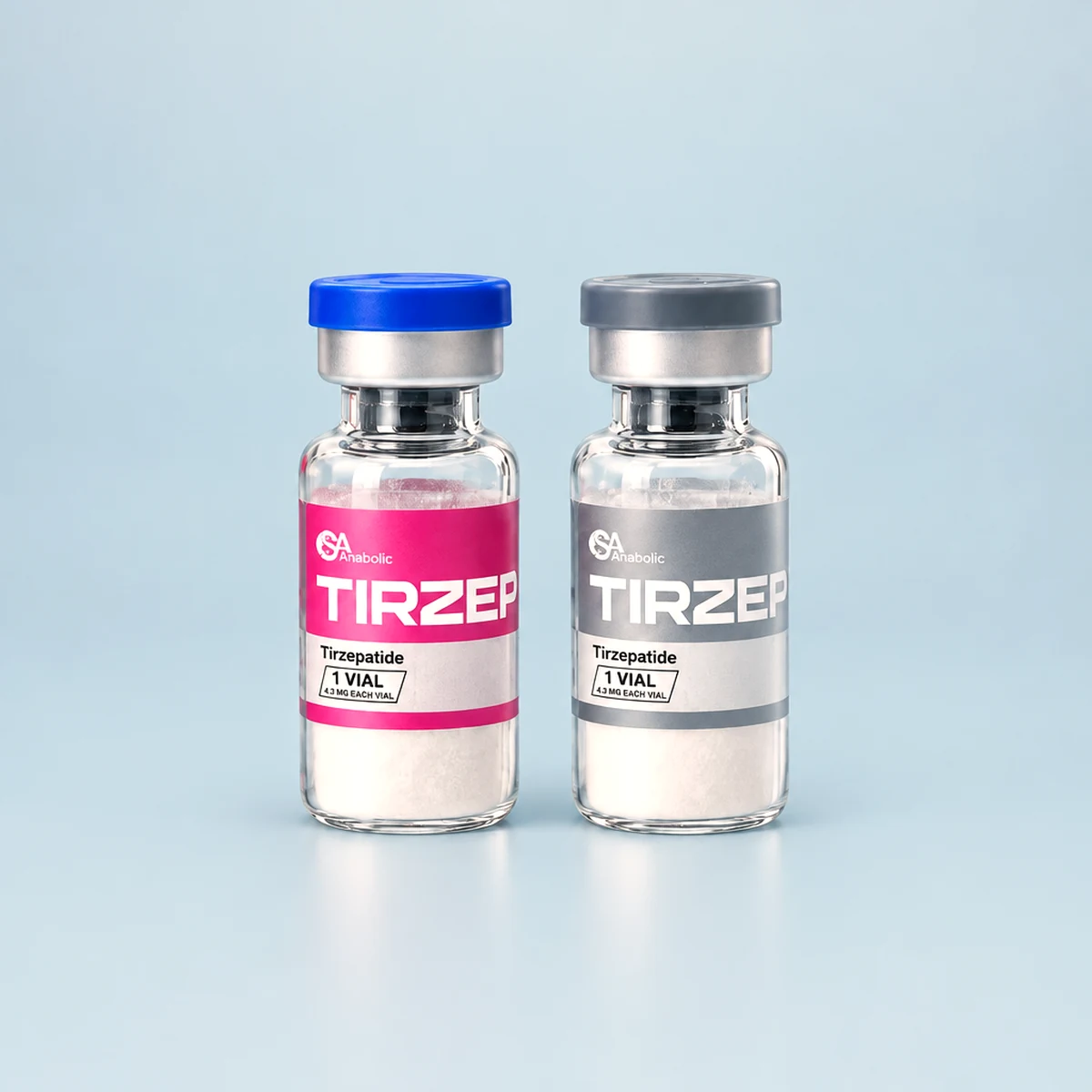
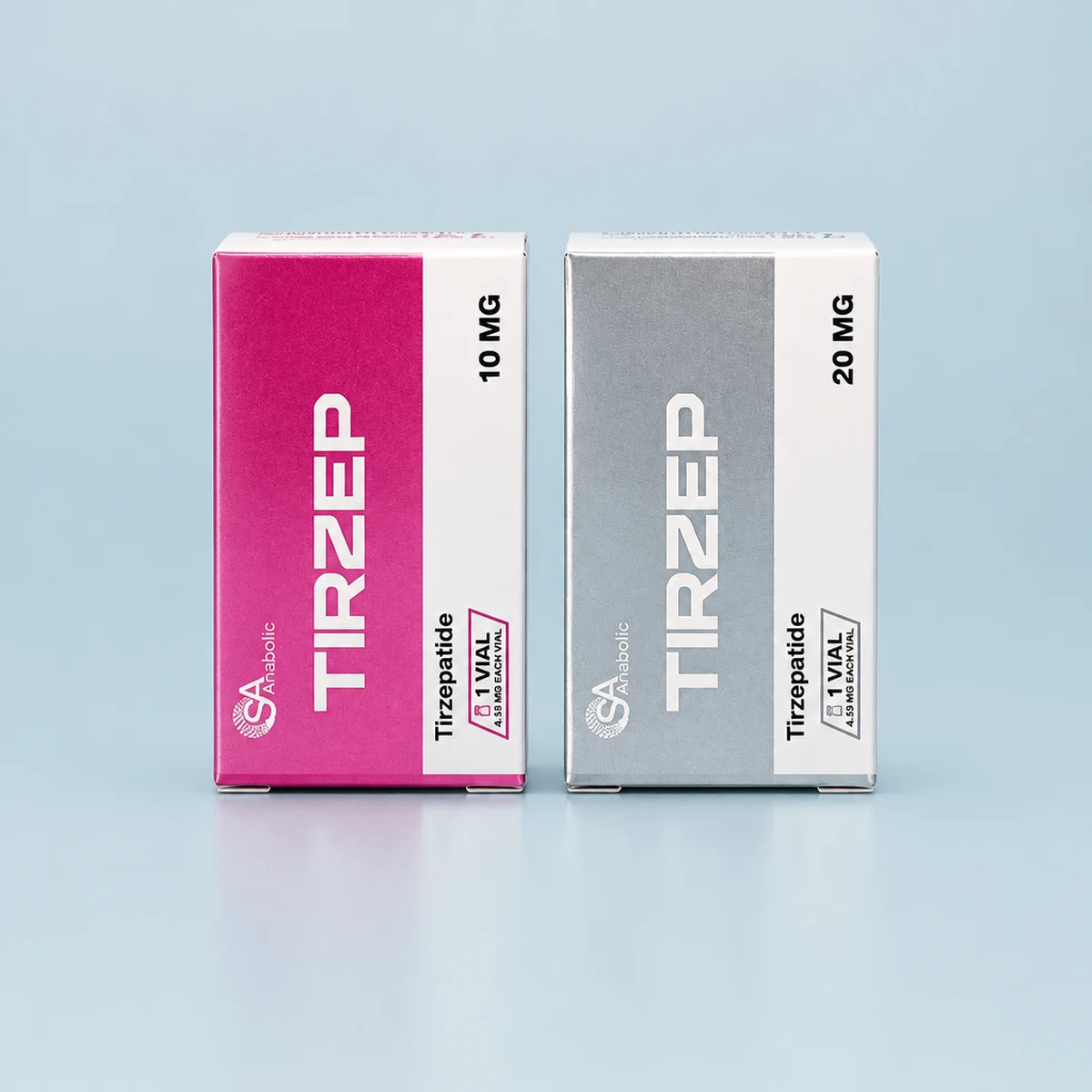
Names on a vial such as Tirzep Plus, Reta or Zeptriva are product names, not the brand names of the originator medicines Mounjaro and Zepbound from Eli Lilly. The status of each item therefore differs, so read the ingredient, the maker and the label before deciding what you are looking at.
Sale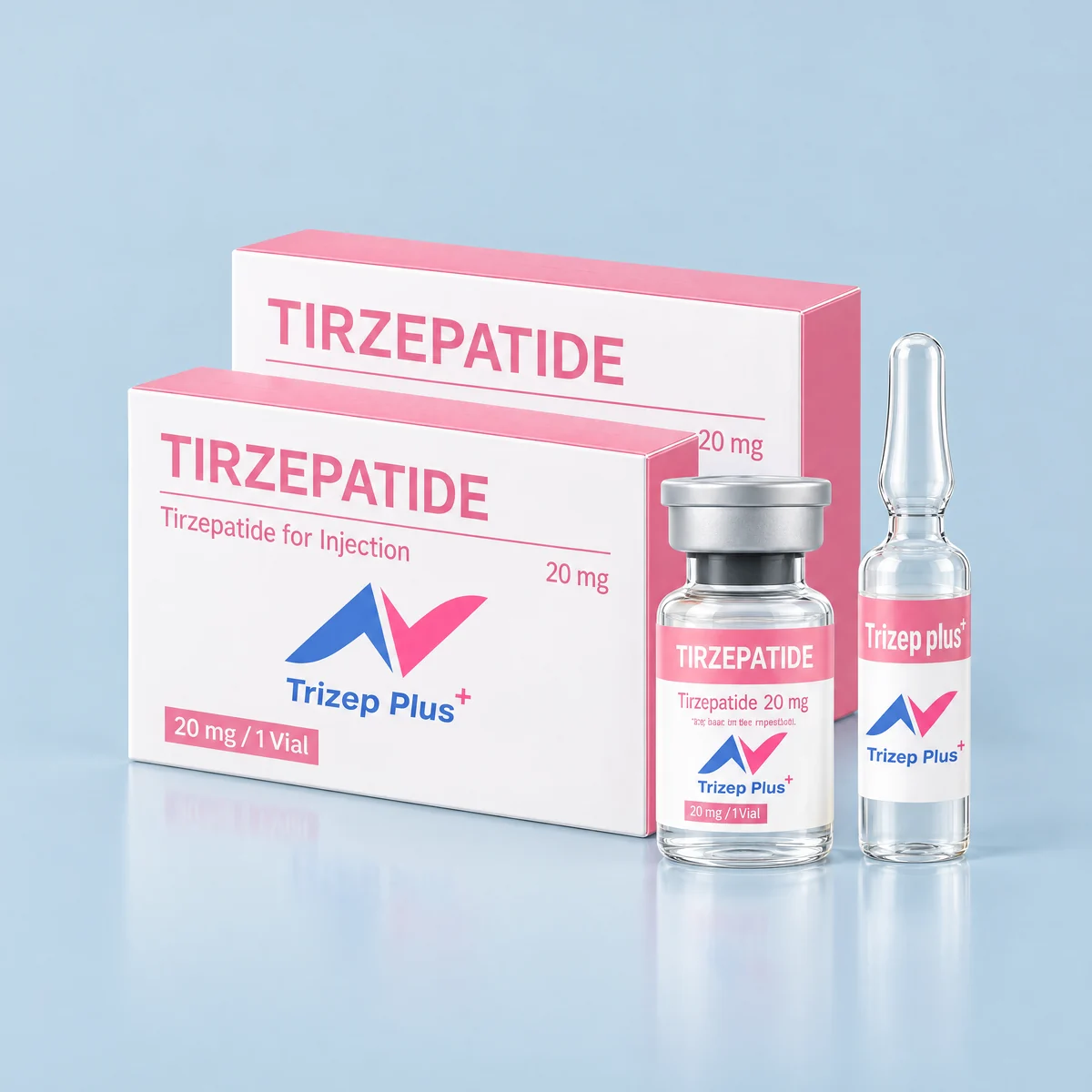
 Sale

References
Tirzepatide is an agonist of the GIP and GLP-1 receptors according to the Zepbound label from Eli Lilly. MedlinePlus groups it as an incretin mimetic: it helps the pancreas release insulin when blood sugar is high, slows stomach emptying and may reduce appetite.
Retatrutide acts on three receptors, GIP, GLP-1 and glucagon, as reported in the phase 2 trial in the New England Journal of Medicine. Peptide is therefore a broad word covering ingredients with different standing, so look at the ingredient name first.
Tirzepatide is an Eli Lilly ingredient sold as Mounjaro and Zepbound. MedlinePlus lists its uses as blood sugar control in adults with type 2 diabetes, obstructive sleep apnea in adults with obesity, and support for weight loss in people who meet the criteria. It is a prescription medicine.
MedlinePlus says the approved medicine comes as a vial, a single-use pen or a KwikPen. Those are the originator maker's products, so a vial sold under another name is not automatically the same brand.
Retatrutide (LY3437943) is an ingredient developed by Eli Lilly. The phase 2 trial in adults with obesity, published in NEJM in 2023, was randomised, double-blind and placebo-controlled. That is research on the ingredient, not product information for any vial on sale.
Wikipedia describes retatrutide as an experimental drug, and the FDA says retatrutide cannot be used in compounding under US federal law. Reported side effects are mostly gastrointestinal, and the safety profile is still being studied.
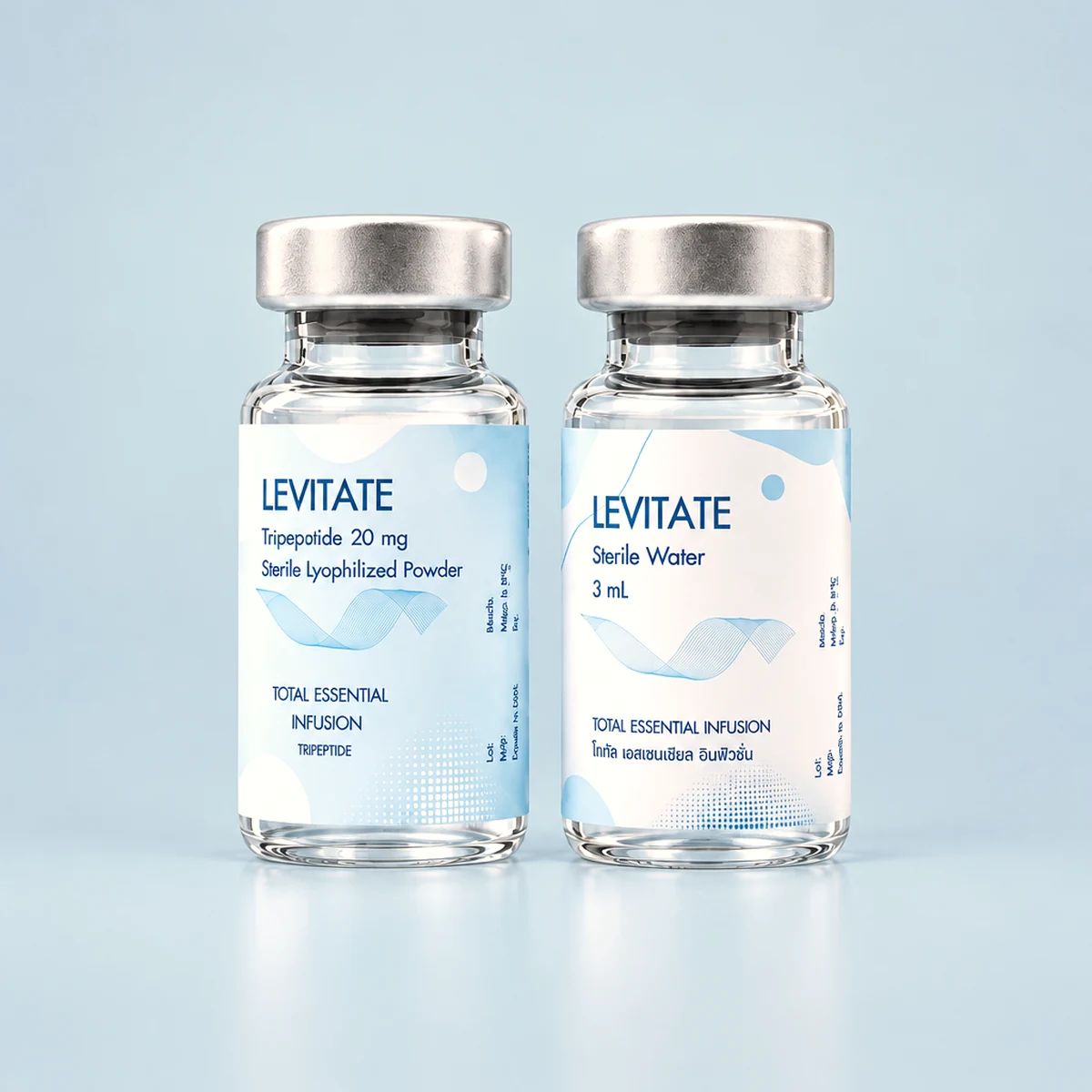
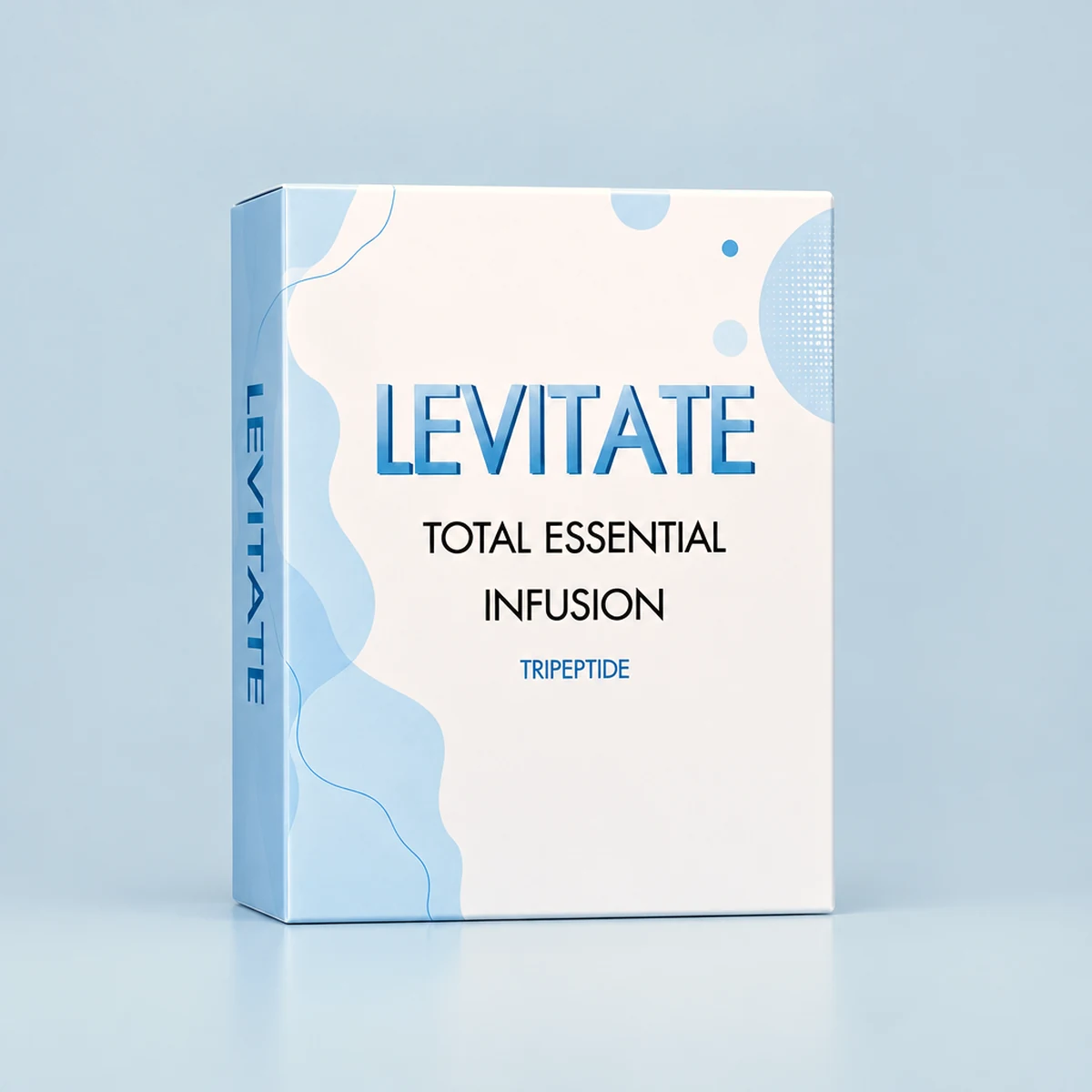
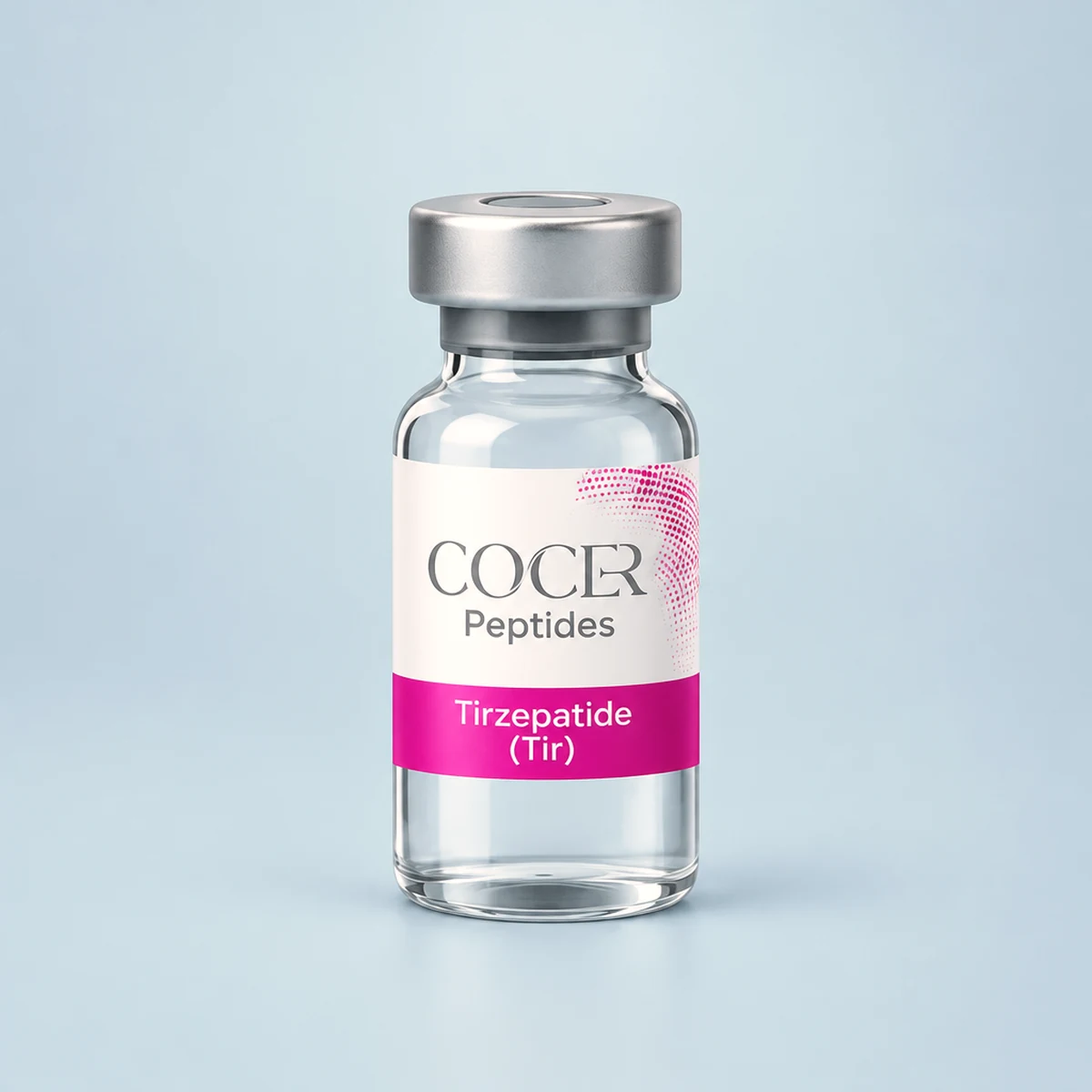
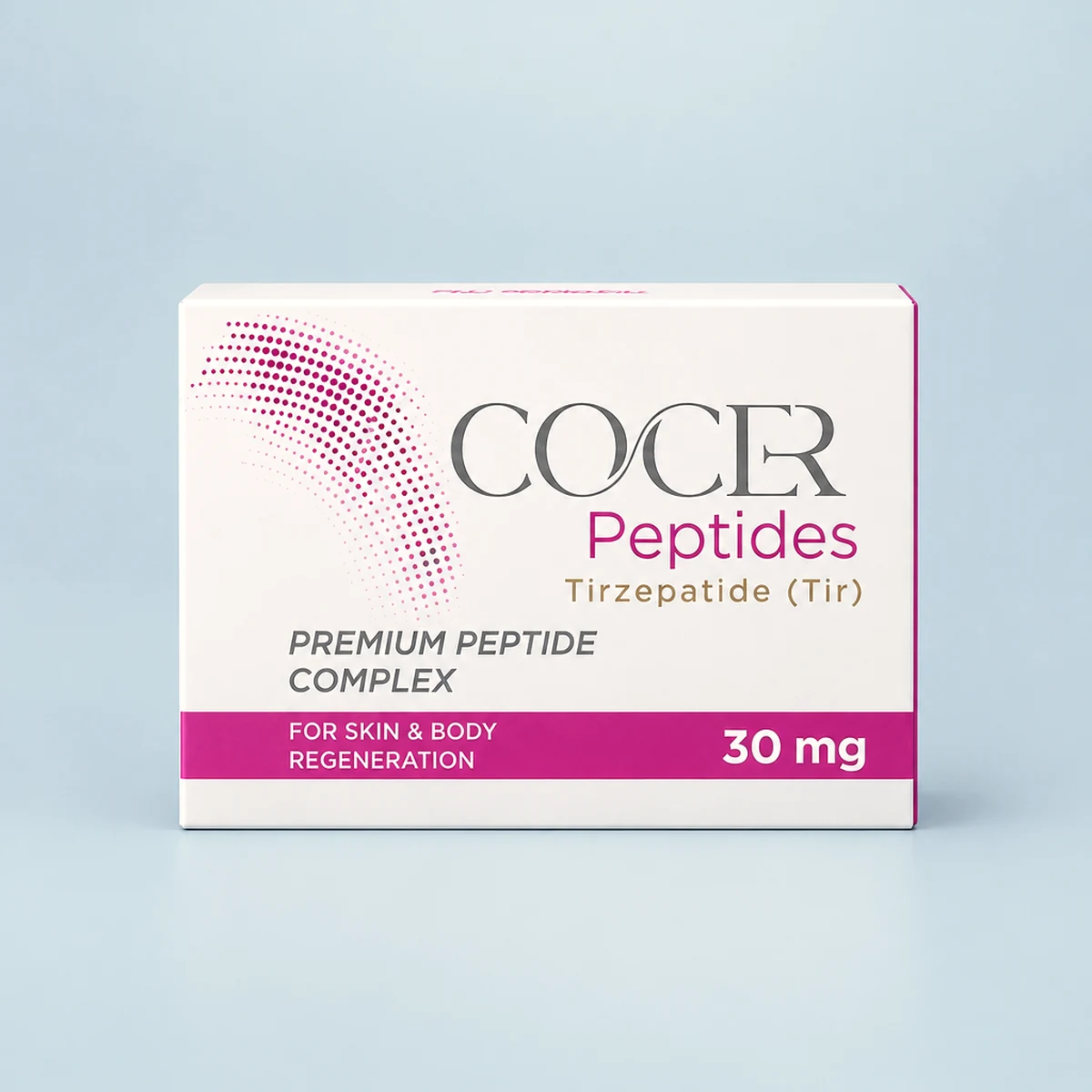
Mounjaro and Zepbound are the brand names Eli Lilly uses for tirzepatide. Names such as Tirzep Plus, Reta, Cocer, Zeptriva, Levitate and Novotrimplus are product names on vials in this category, not names of the originator medicine, and similar names do not mean the same approval.
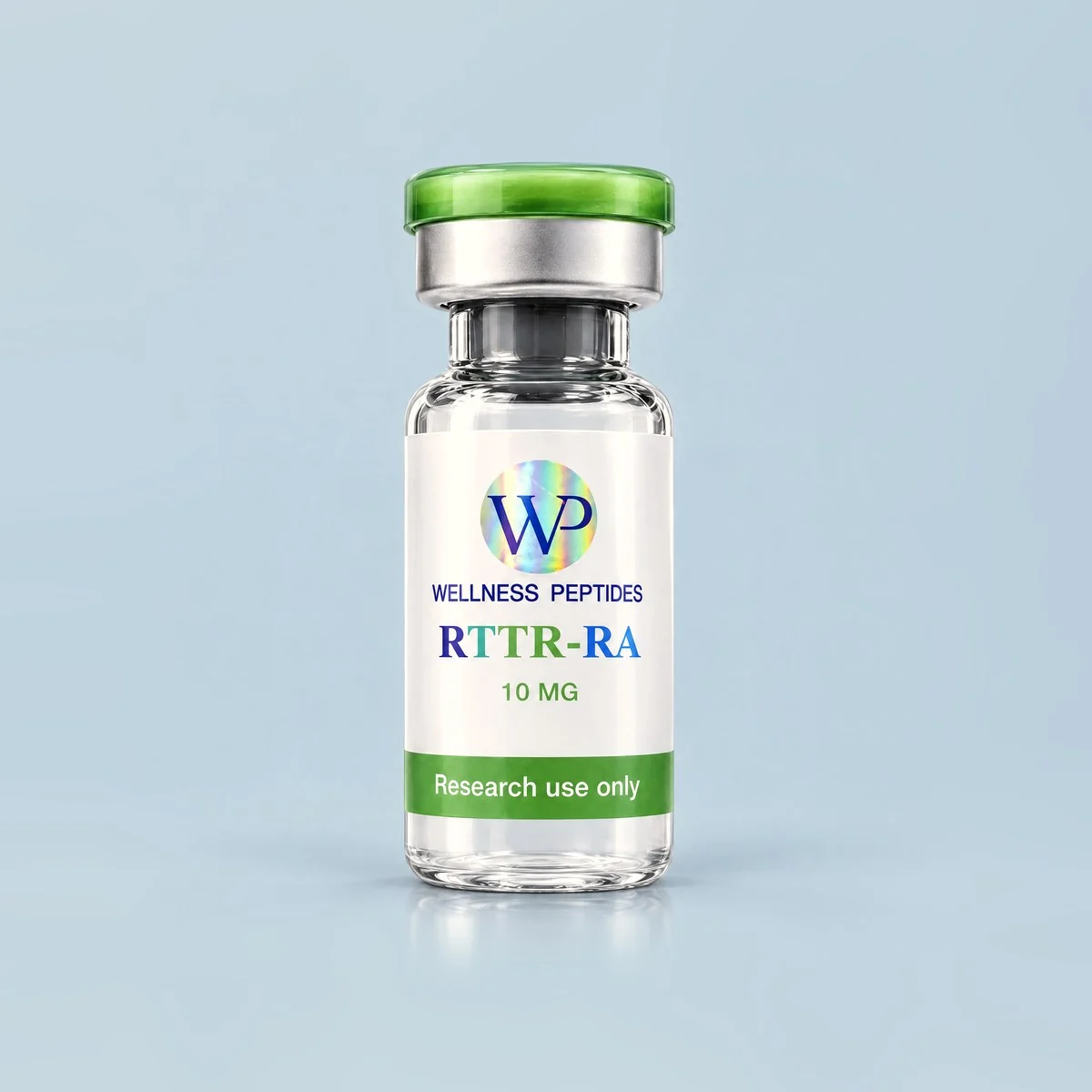
The US FDA has warned companies that sell products labelled for research purposes or not for human consumption directly to consumers with instructions for human use, and asks consumers not to buy them because quality is unknown. The status of each item has to be checked separately.
The FDA lists warning signs: claims that a product is the same as an approved drug, medicine that looks different from before, damaged packaging or no instructions, spelling errors on the label and a pharmacy name or address that does not match. A price that seems too good to be true is another sign. Counterfeits can contain the wrong ingredient, too much, too little, or none.
The FDA also says an injectable GLP-1 that arrives warm or without enough refrigeration may be affected, and that multi-dose vials need a new sterile needle and syringe each time. Check the ingredient, maker, batch number, expiry date and storage conditions on the box you will actually use.
The Zepbound label and MedlinePlus warn that tirzepatide caused thyroid tumours in rats and that the effect in people is not known. A personal or family history of medullary thyroid cancer or MEN 2 is a contraindication. A neck lump, hoarseness, trouble swallowing or shortness of breath must be reported to a doctor.
MedlinePlus says tirzepatide is kept in a refrigerator in its original carton to protect it from light. Conditions for other vials must come from that item's own label, since each maker sets its own. Storing by the label is separate from planning use, which is the doctor's task.
Weight-Loss Pen holds originator medicines supplied in pre-filled pens, such as semaglutide and liraglutide, while this category holds vials of the tirzepatide and retatrutide type. Both sit in the weight-management injection group but differ in ingredient, form and the status of each item.
Peptide, pen and weight-loss injection are search words that get mixed up. Similar category names do not mean the same ingredient, so compare ingredient, maker and the label of the item instead.