













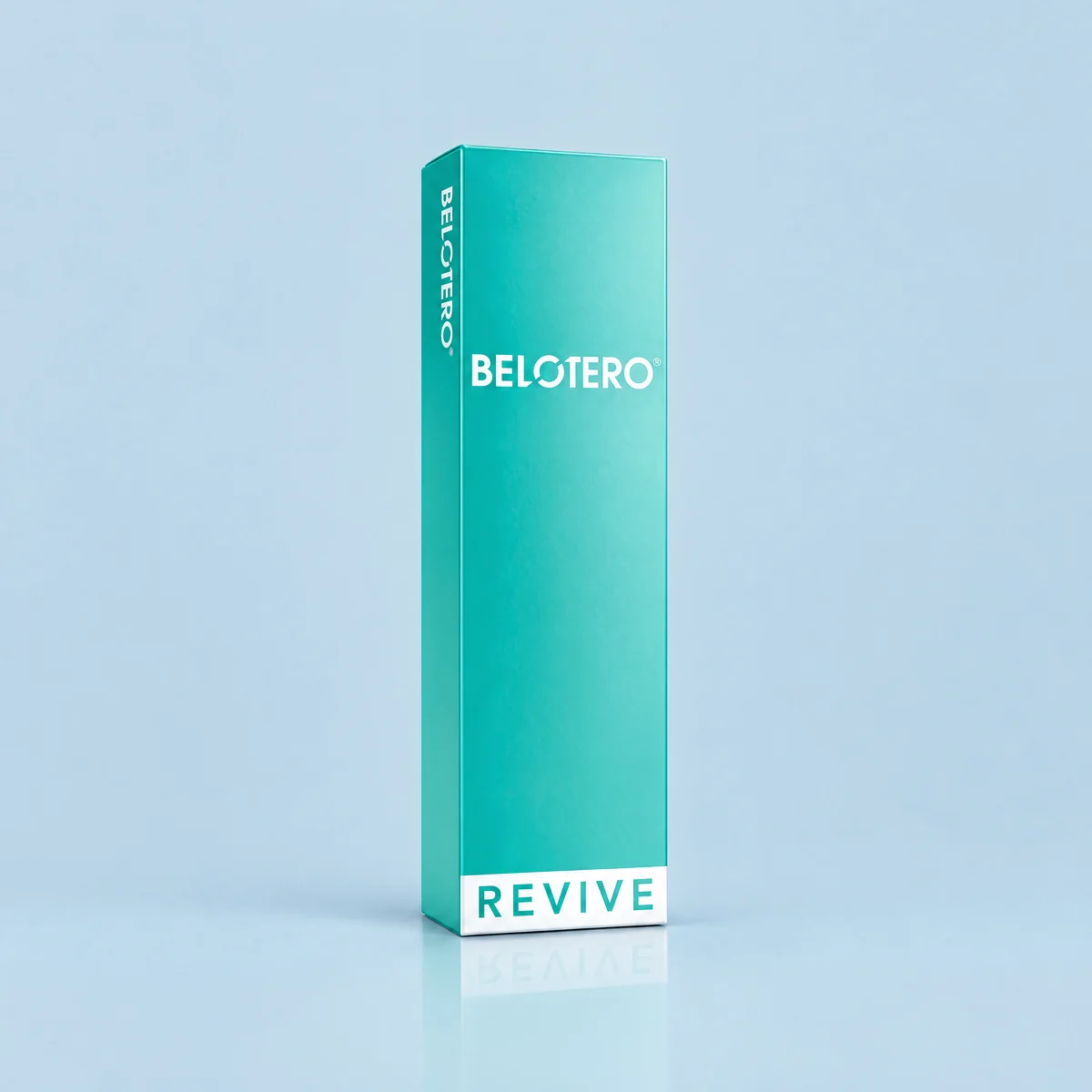
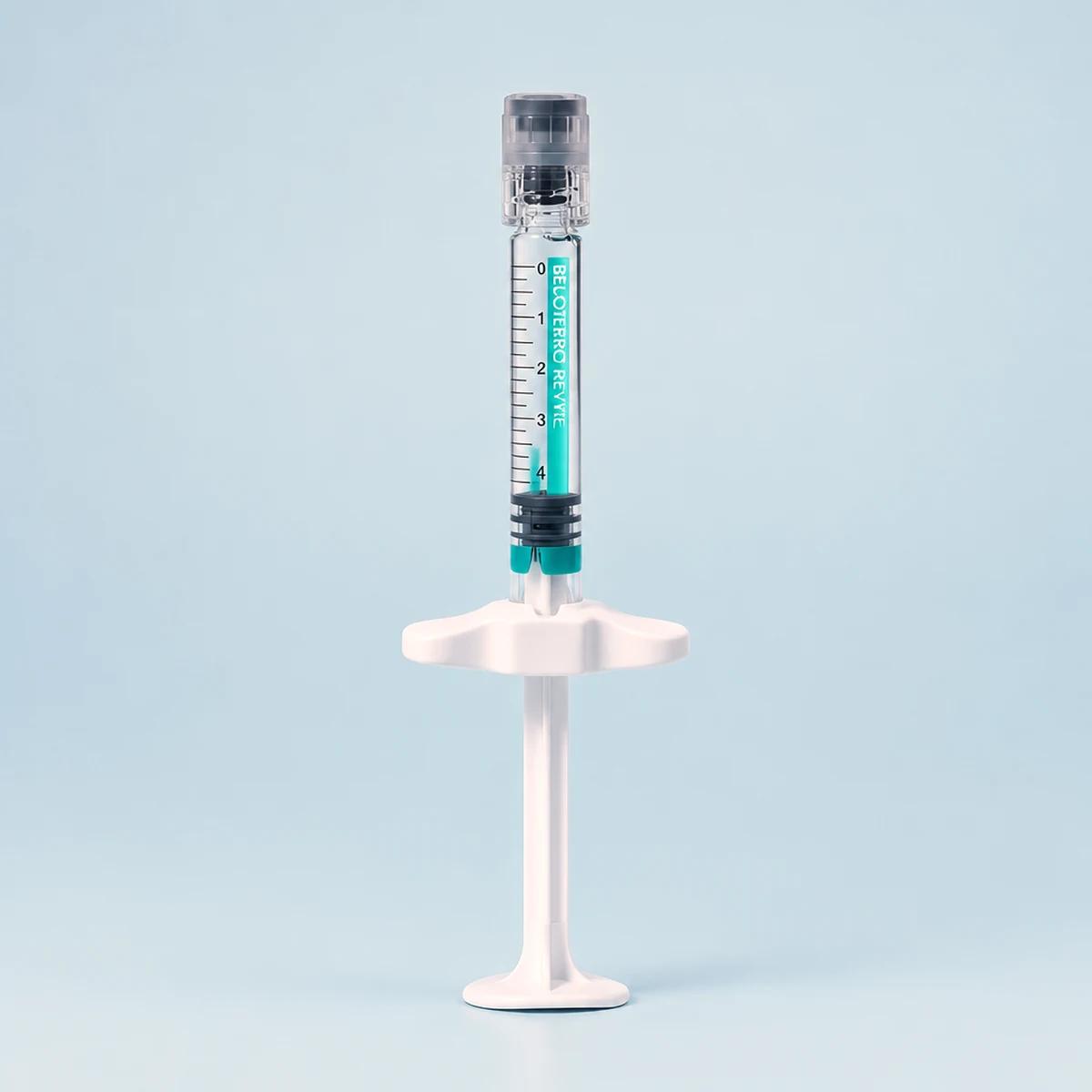

Belotero Revive
FromTHB 3,950
 Juvelook (PDLLA): What It Is, What the Studies Show and Its Approval Status
 Skin Booster Results and Aftercare: How Long Until You See Results, and What to Avoid After Injection
 Exosome Facial and Exosome Skincare: What They Are, What the Studies Show and Approval Status
 Meso Fat vs Masseter Botox: How to Slim the Face
 Fat Dissolving Injections for Belly and Arms: The Facts
 Collagen Stimulators Explained: PLLA, PDLLA, PN, Profhilo and Exosomes Compared
 What Are Fat Dissolving Injections (Meso Fat)? A Guide
 Double Chin Injections: Kybella vs Meso-Fat Blends

Filler is a material doctors use to add fullness to tissue in aesthetic procedures. This category covers hyaluronic acid gel filler from South Korea, for readers exploring under-eye areas, facial folds or lips before speaking with a doctor. The tissues differ by area, so suitability is assessed individually.
Start with the basics and areas of interest, then explore related categories, product names and label checks. Names, ingredients, form and origin help identify the item.
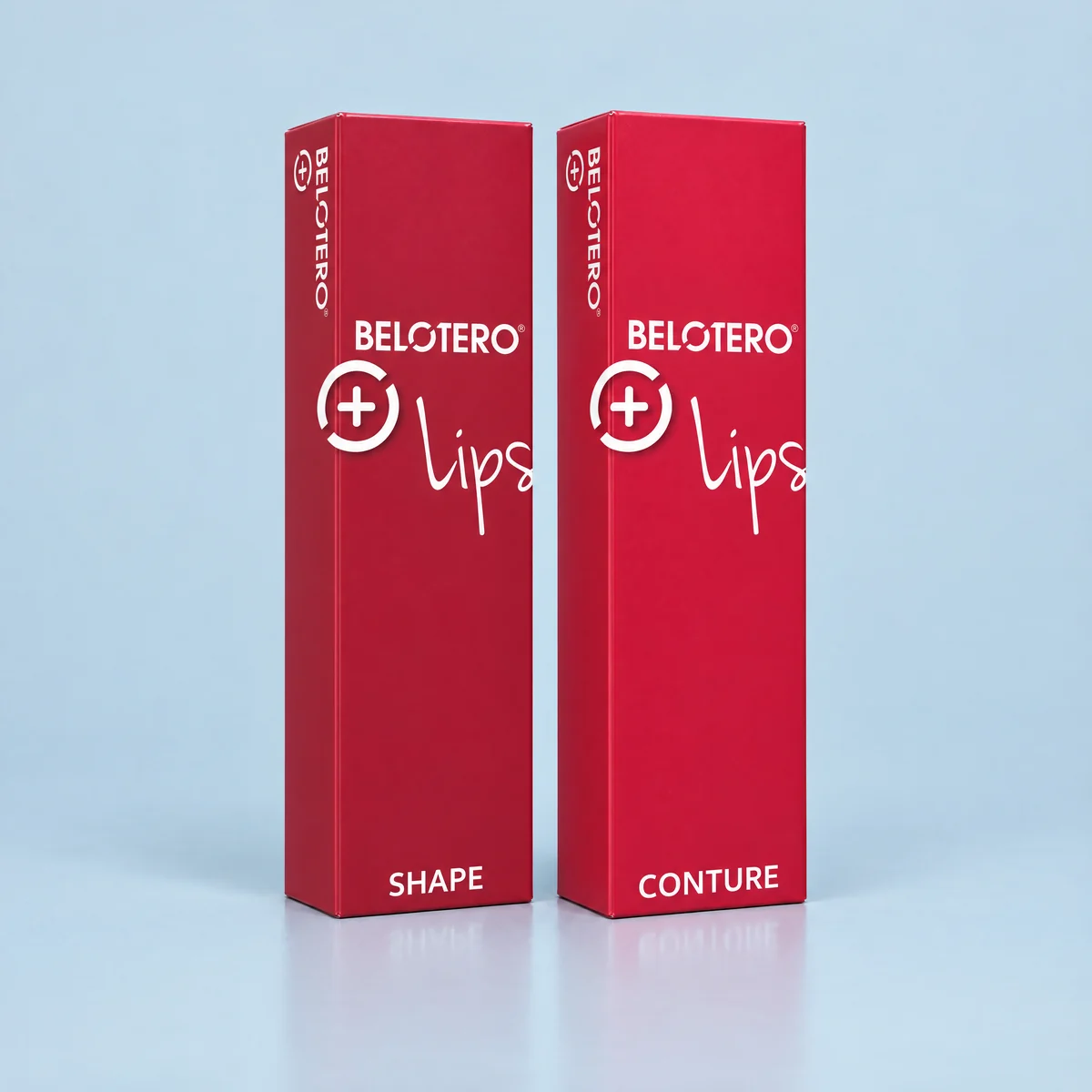
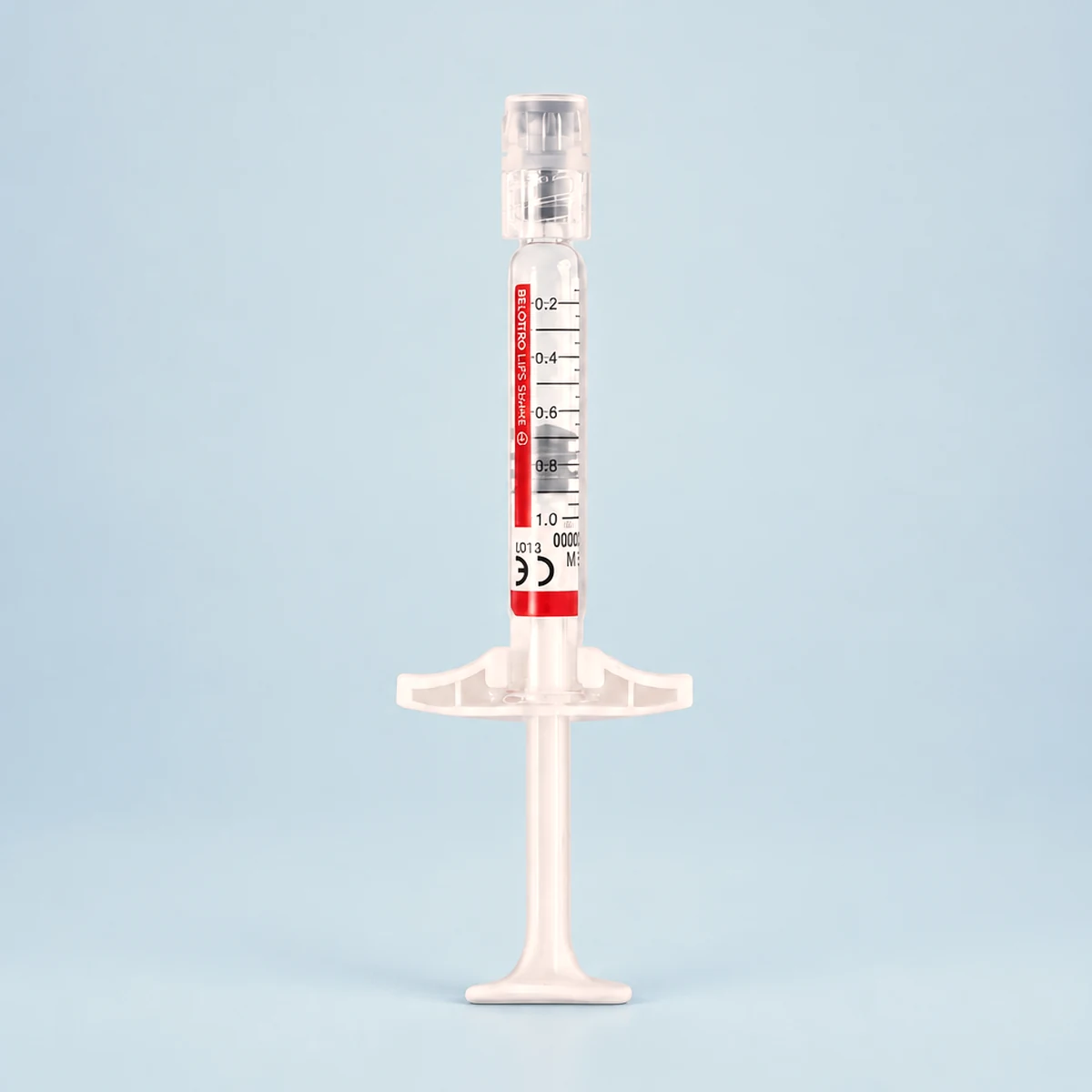 Thai label

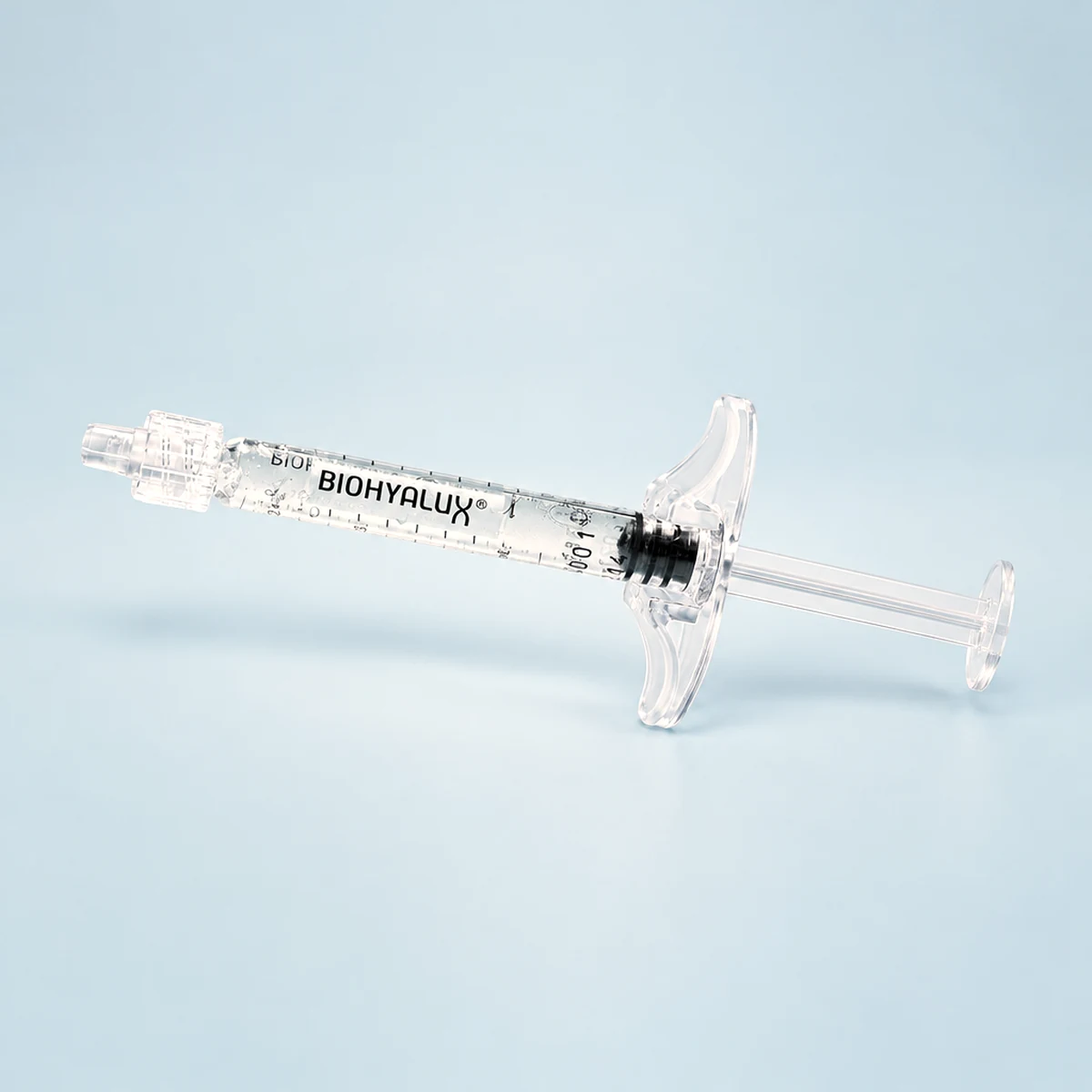 Thai label

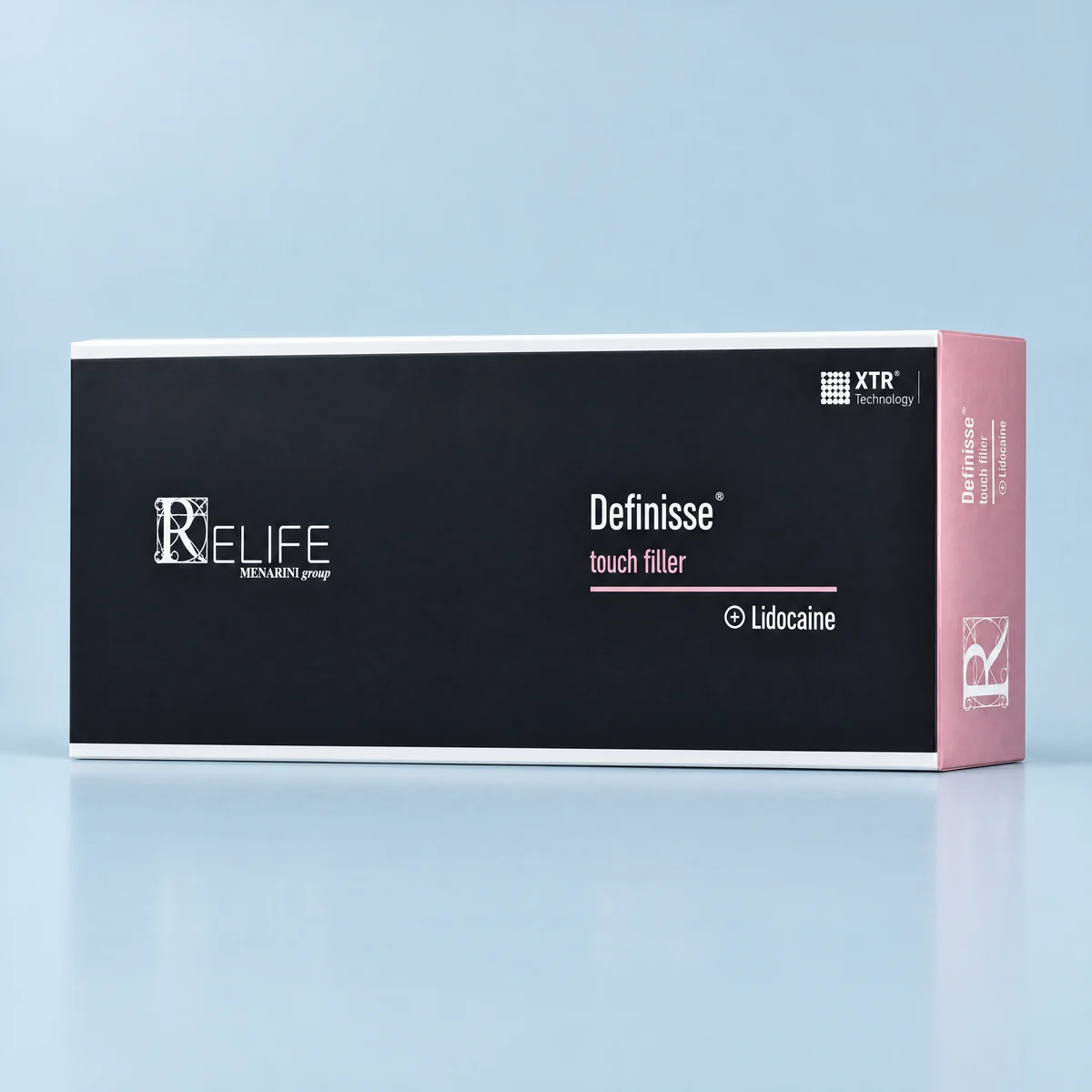
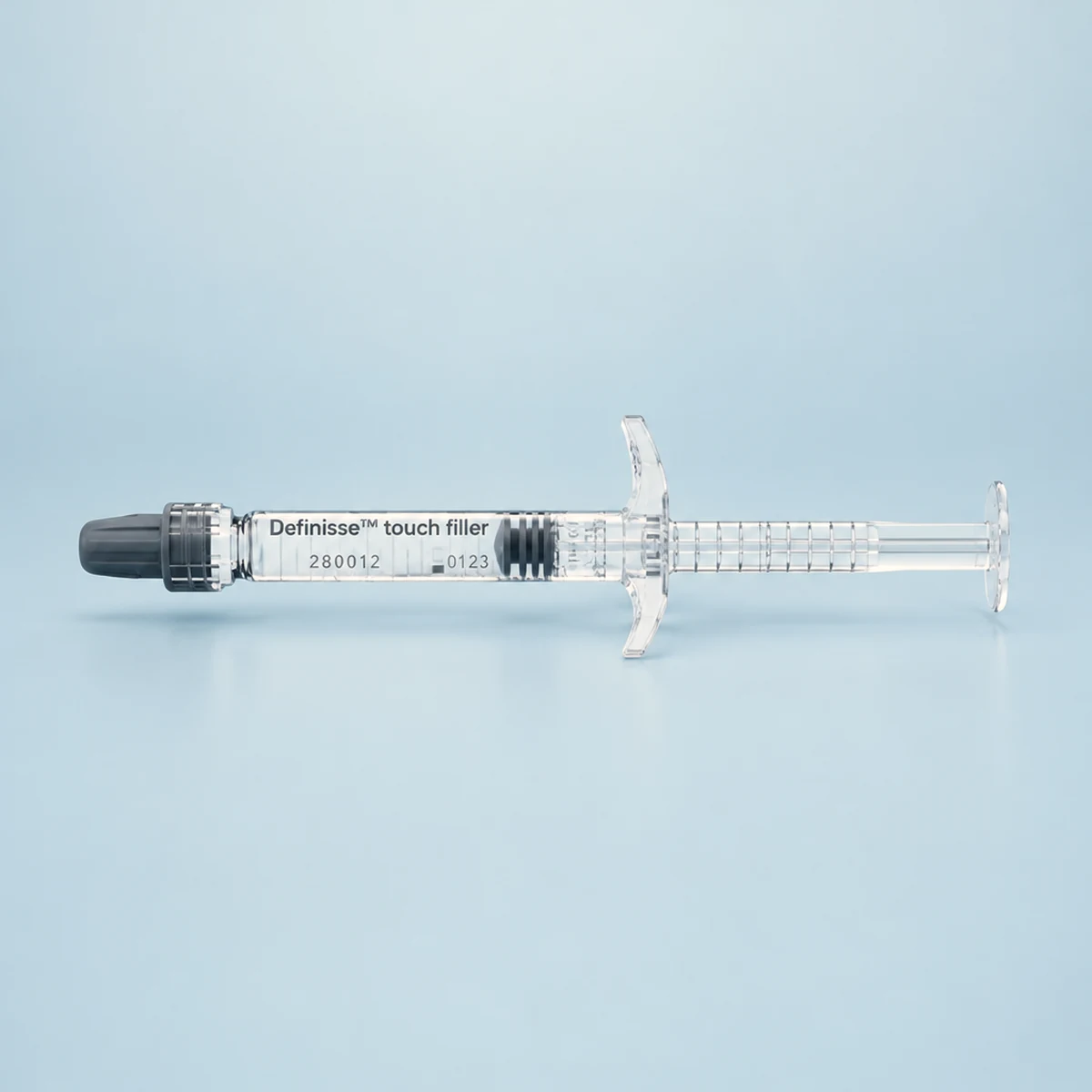 Thai label

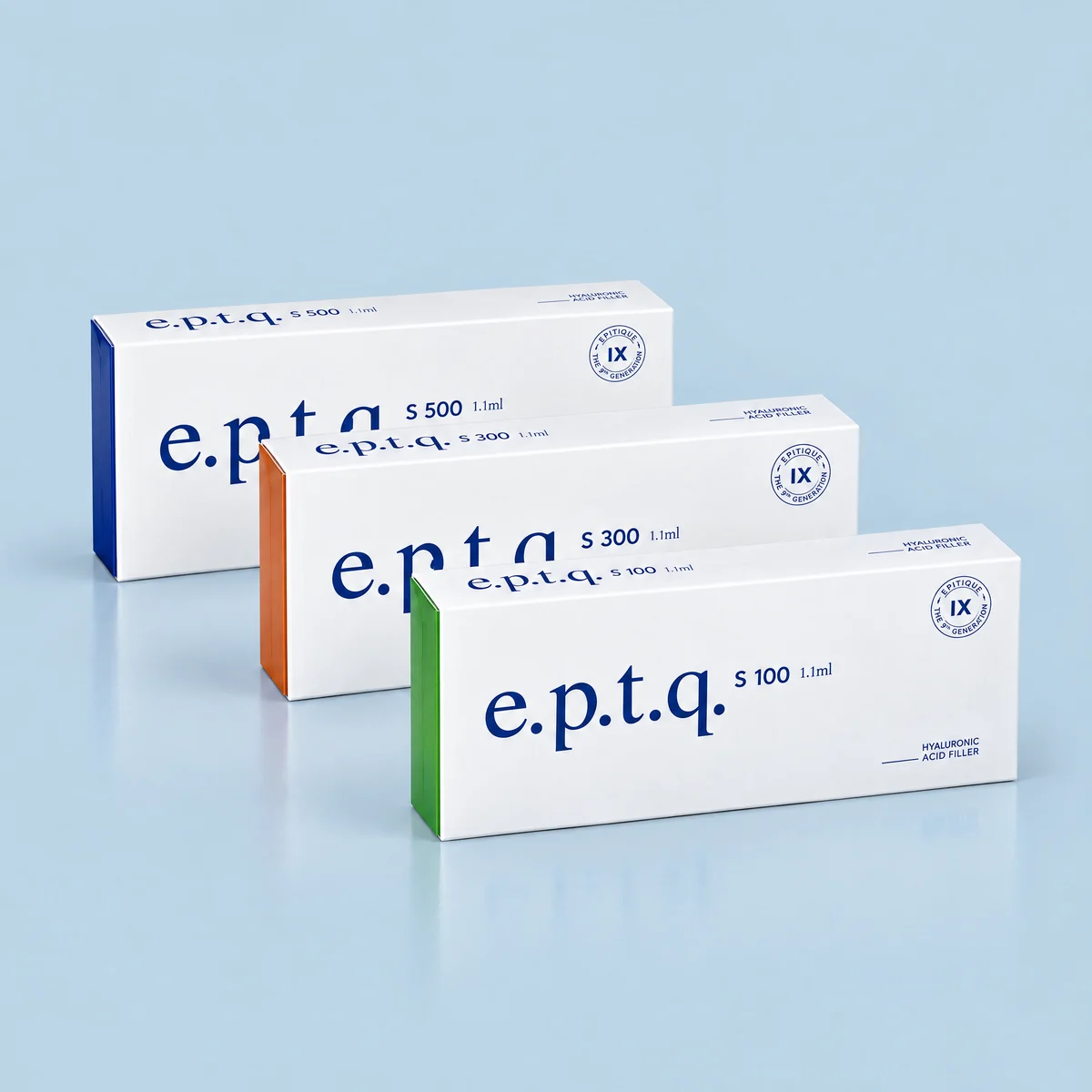
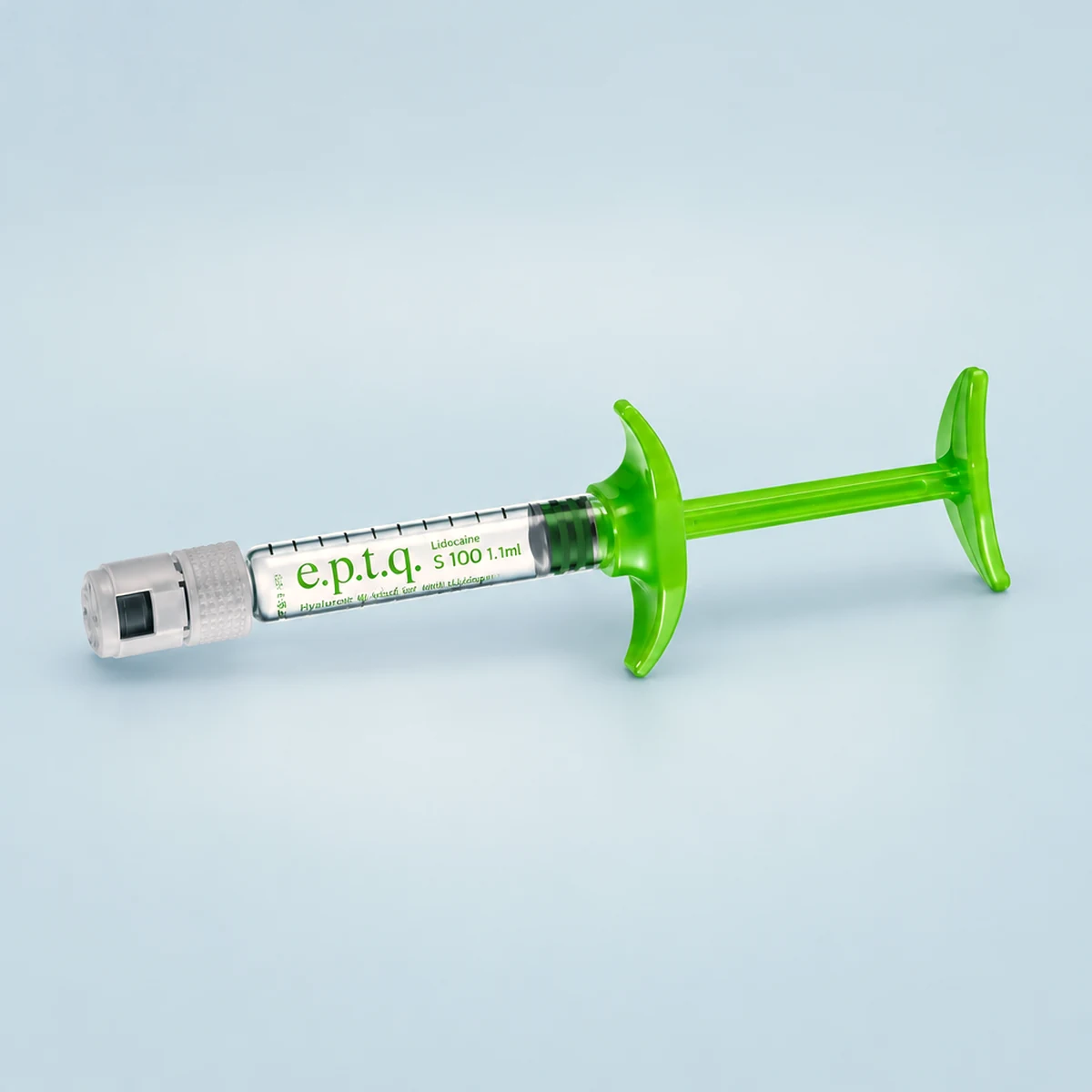
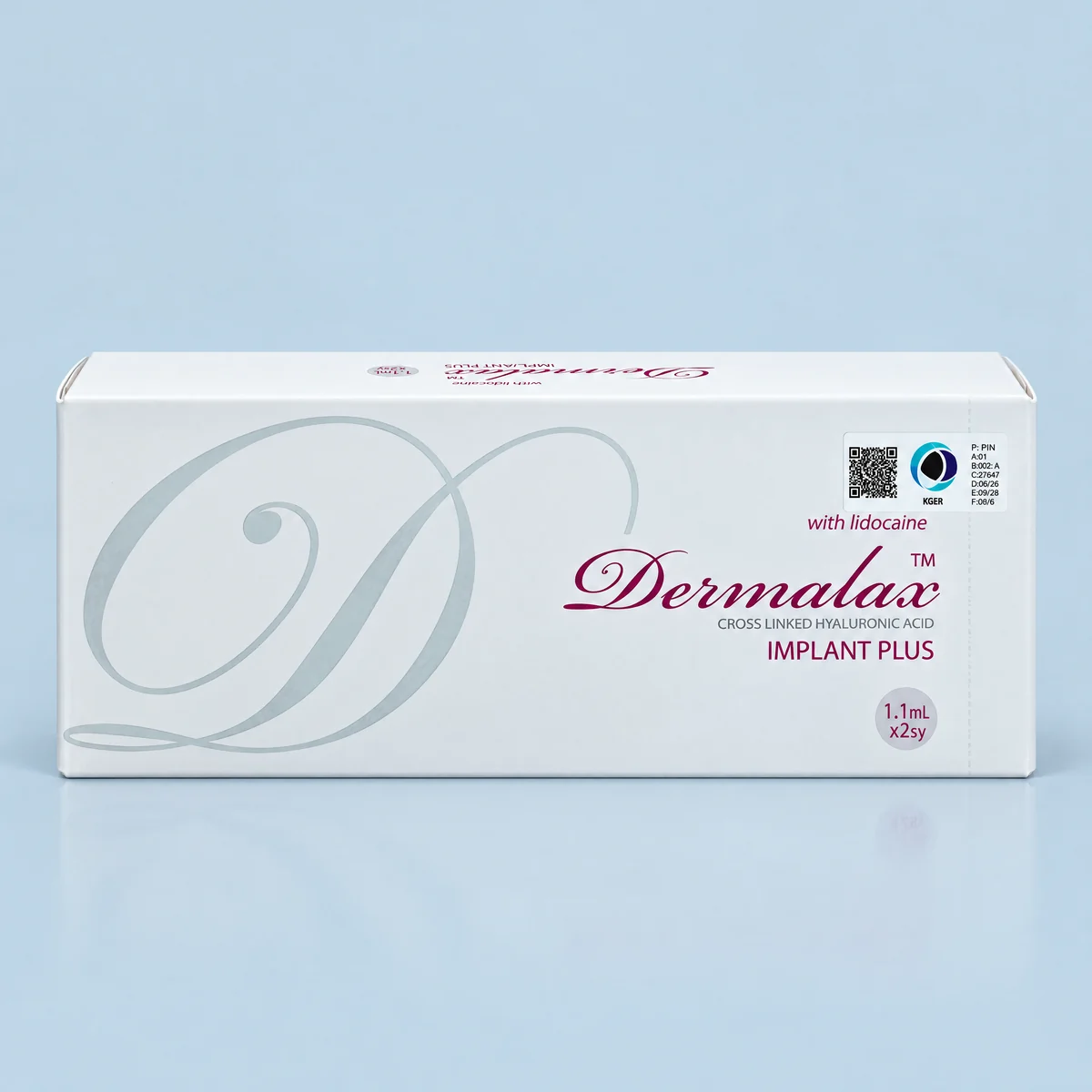
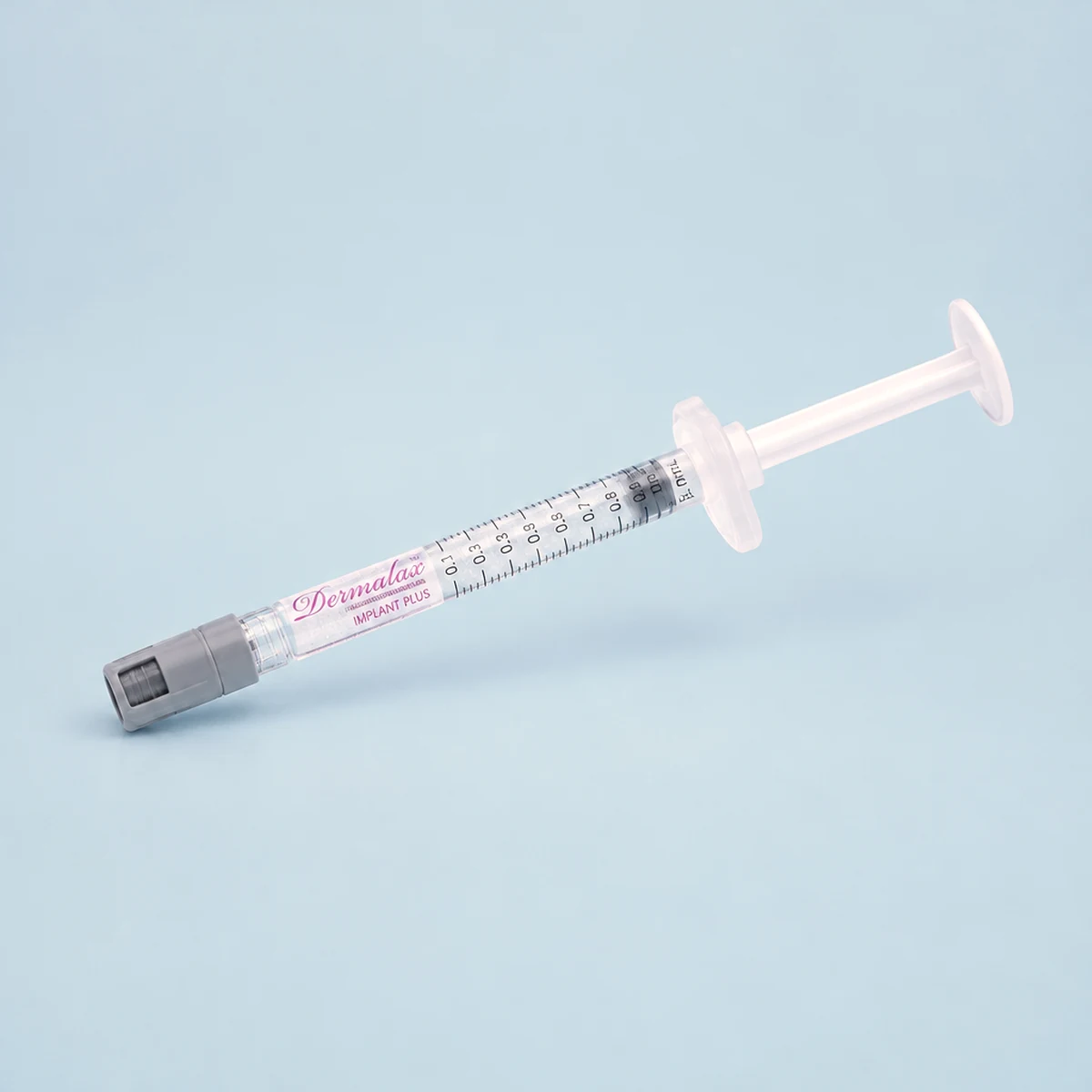
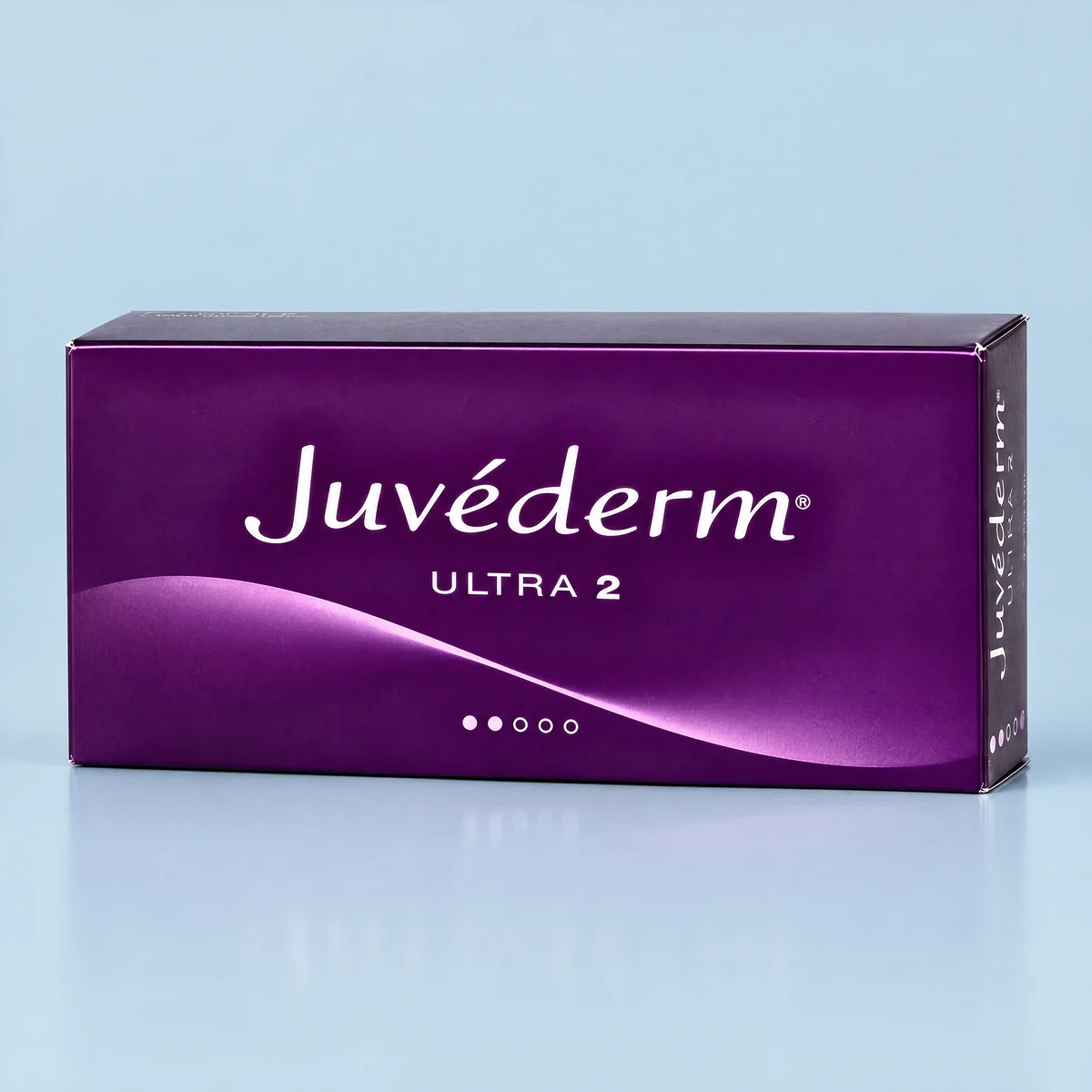
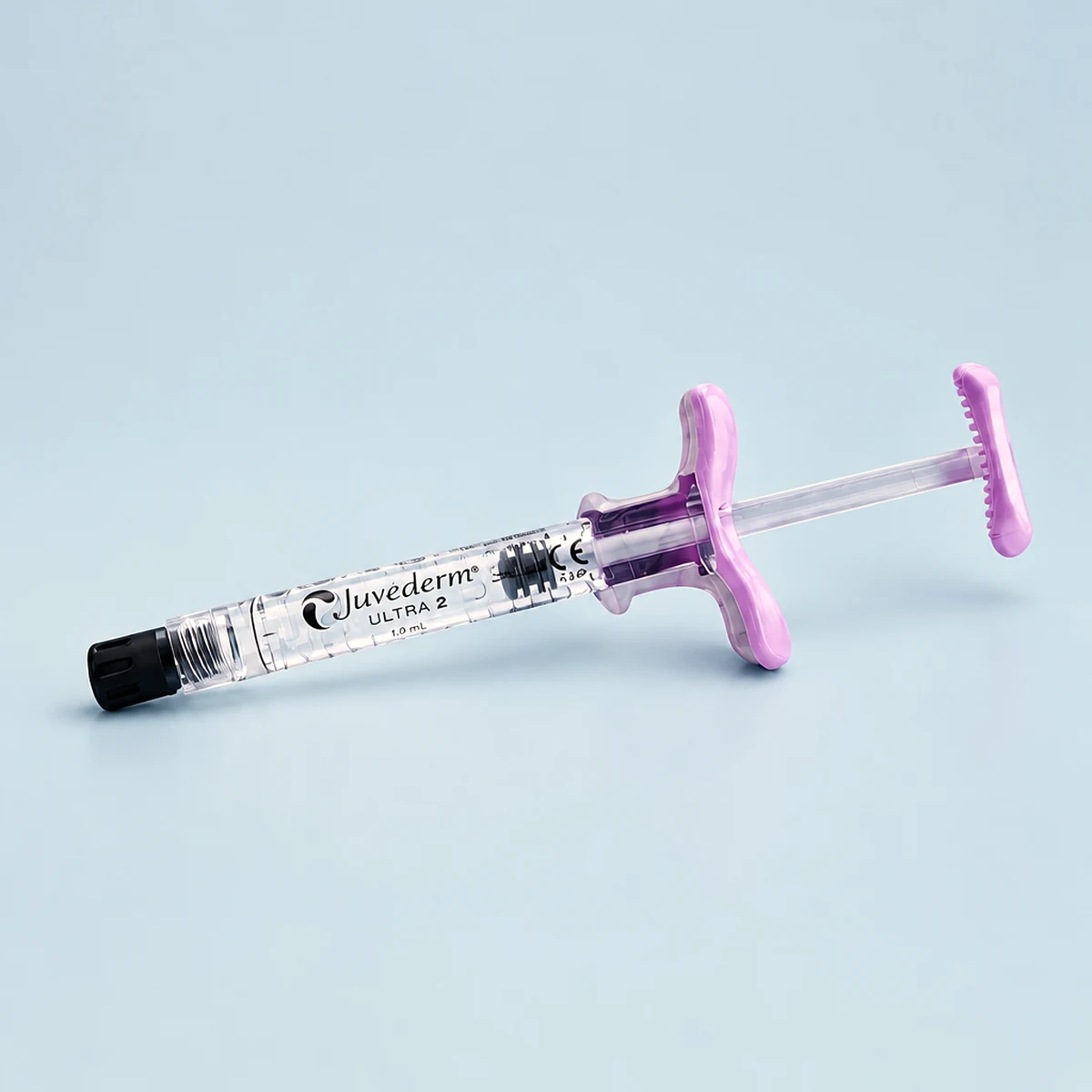

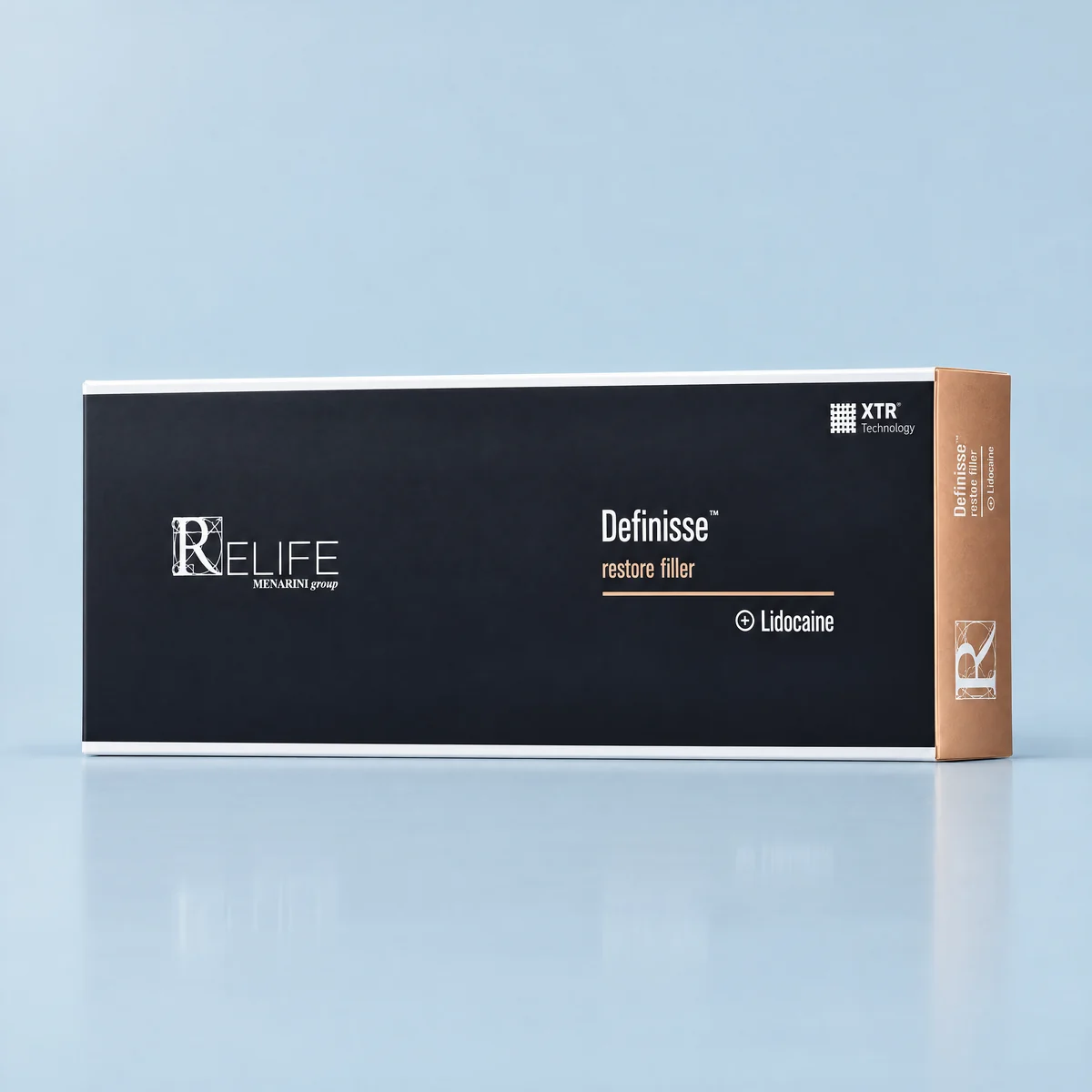
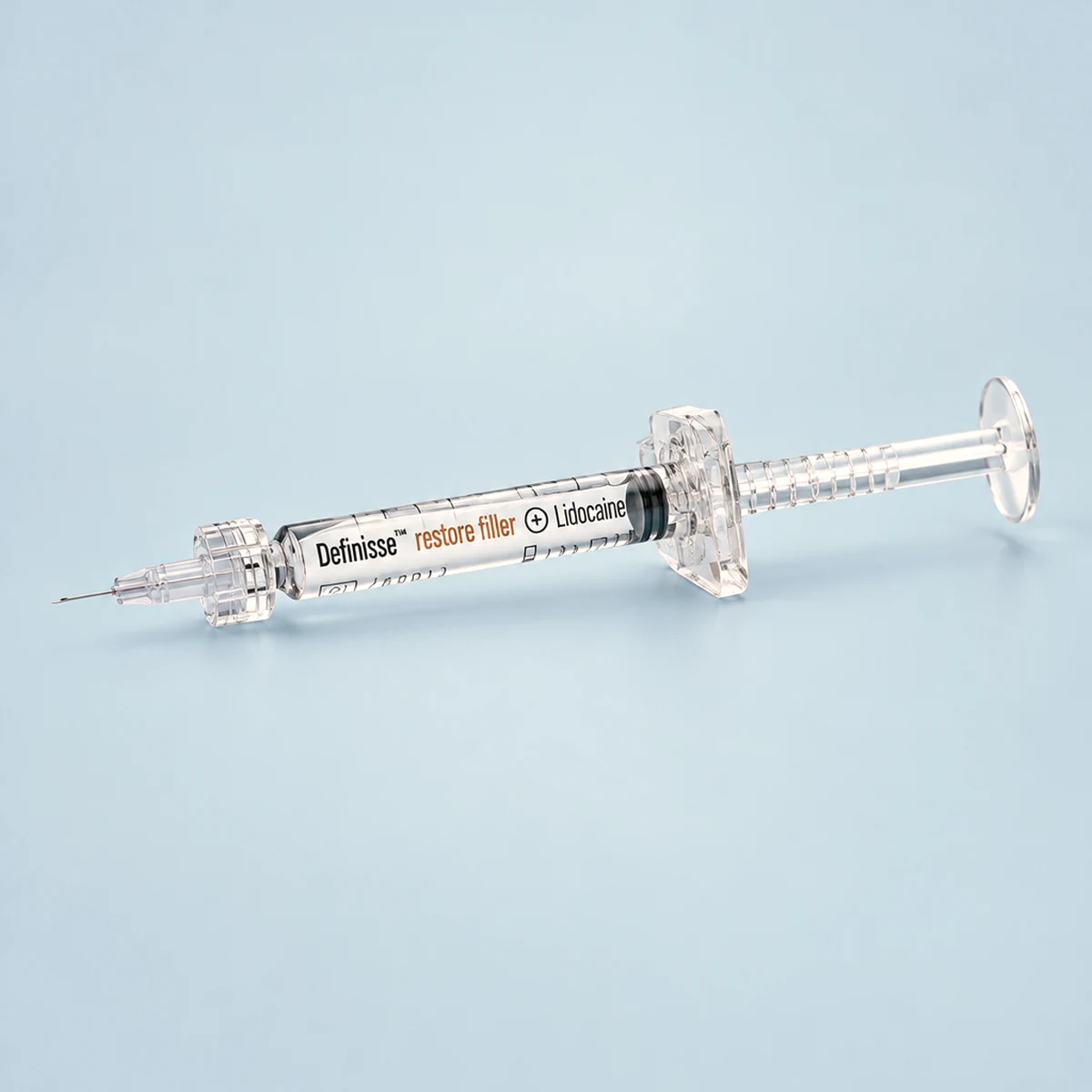 Thai label
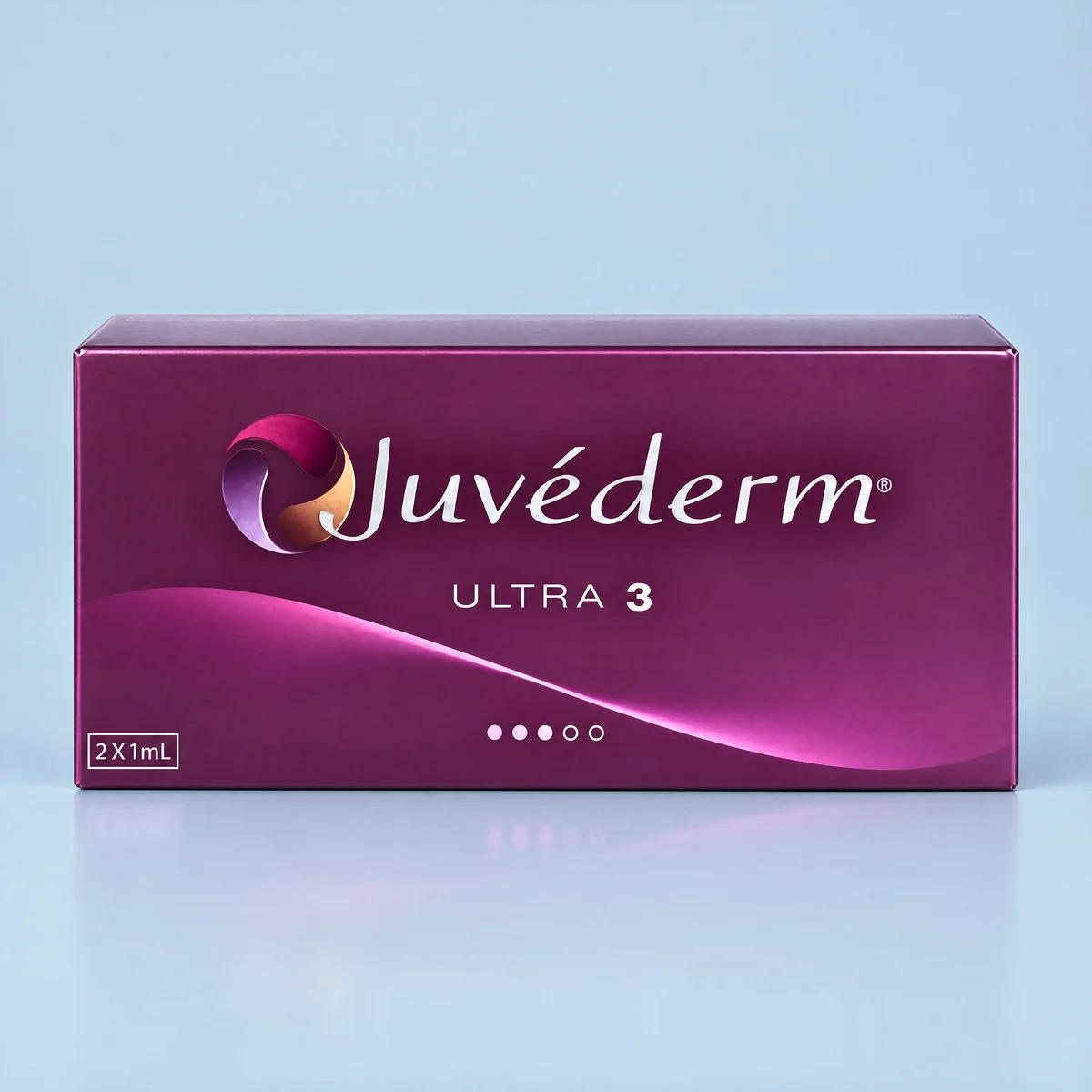
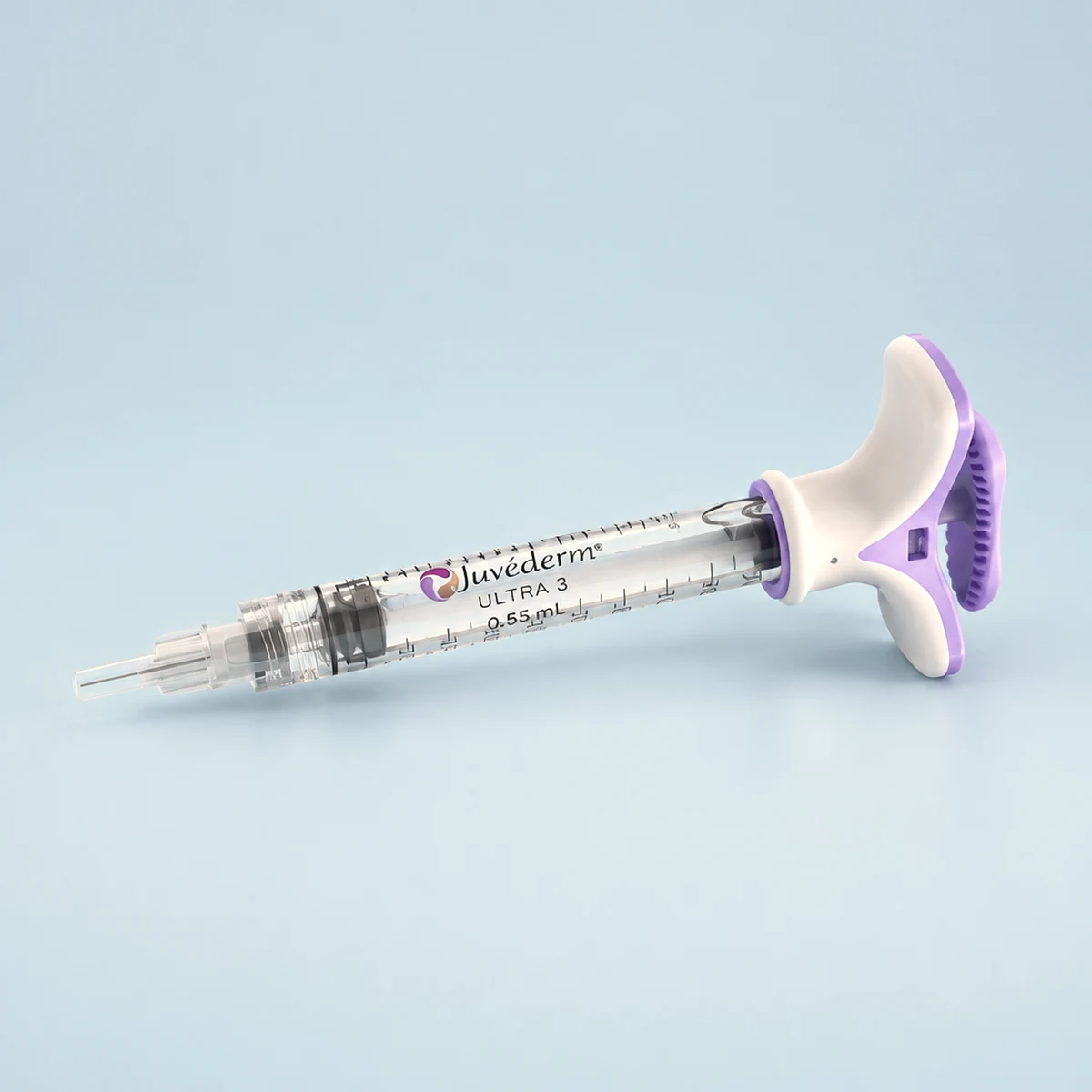
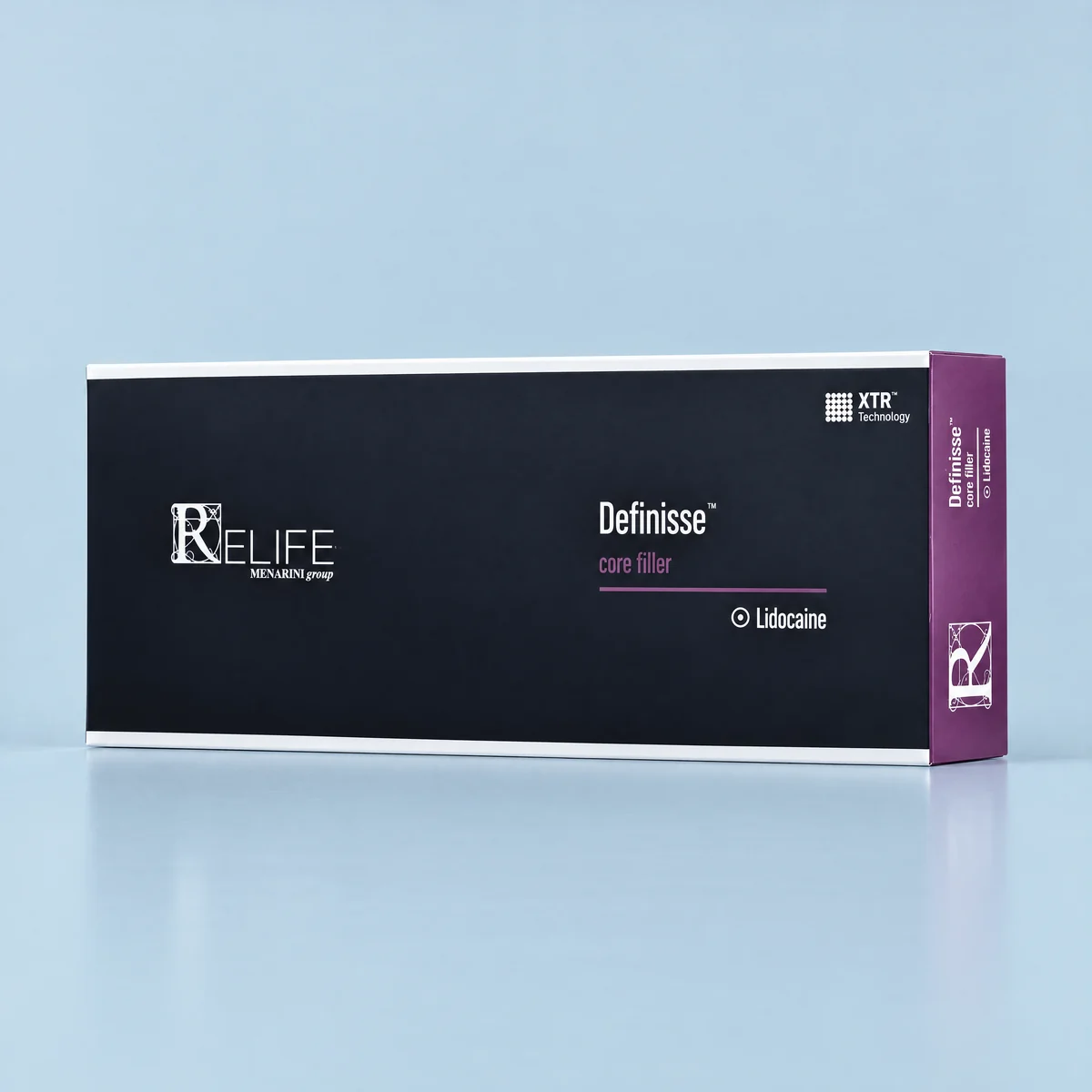
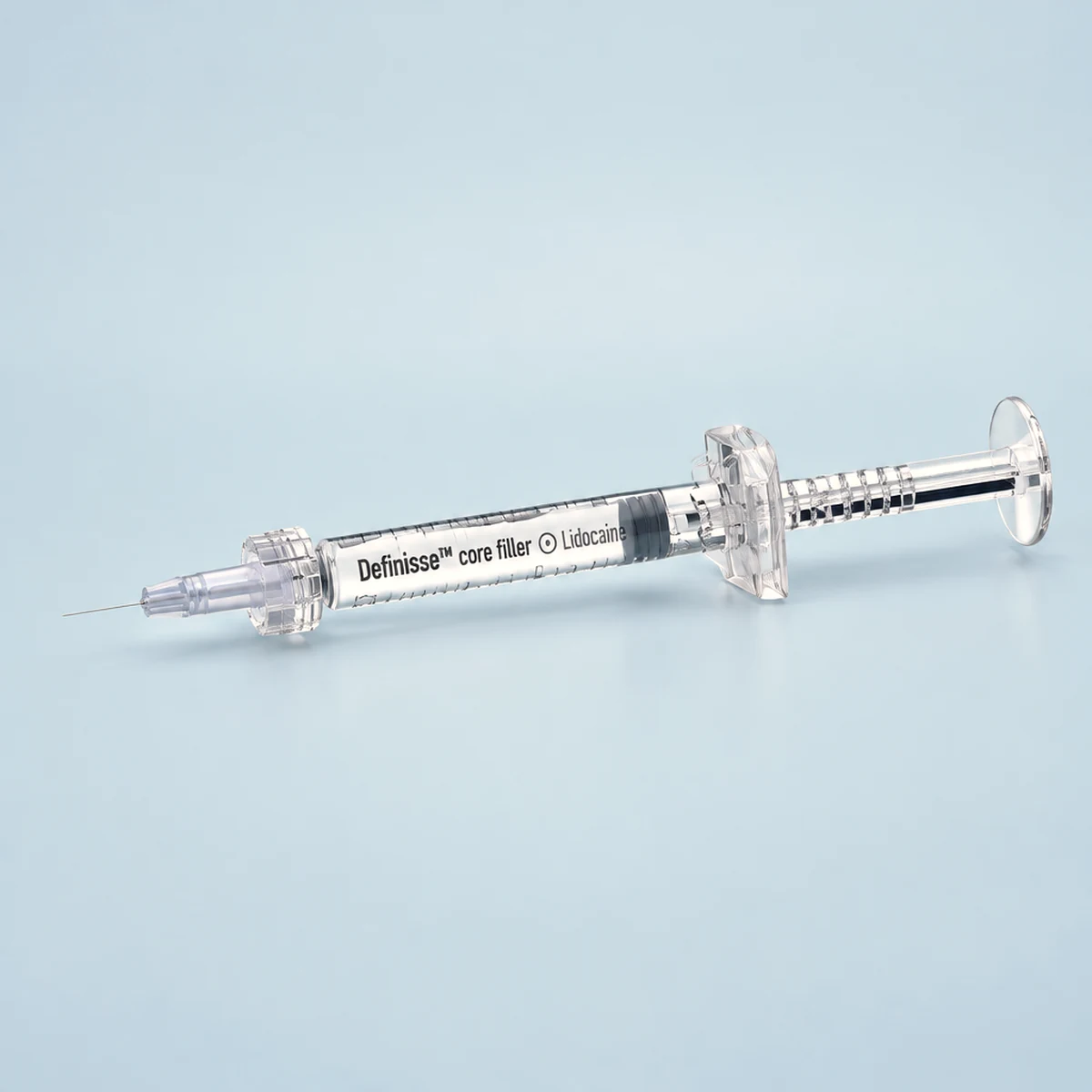 Thai label

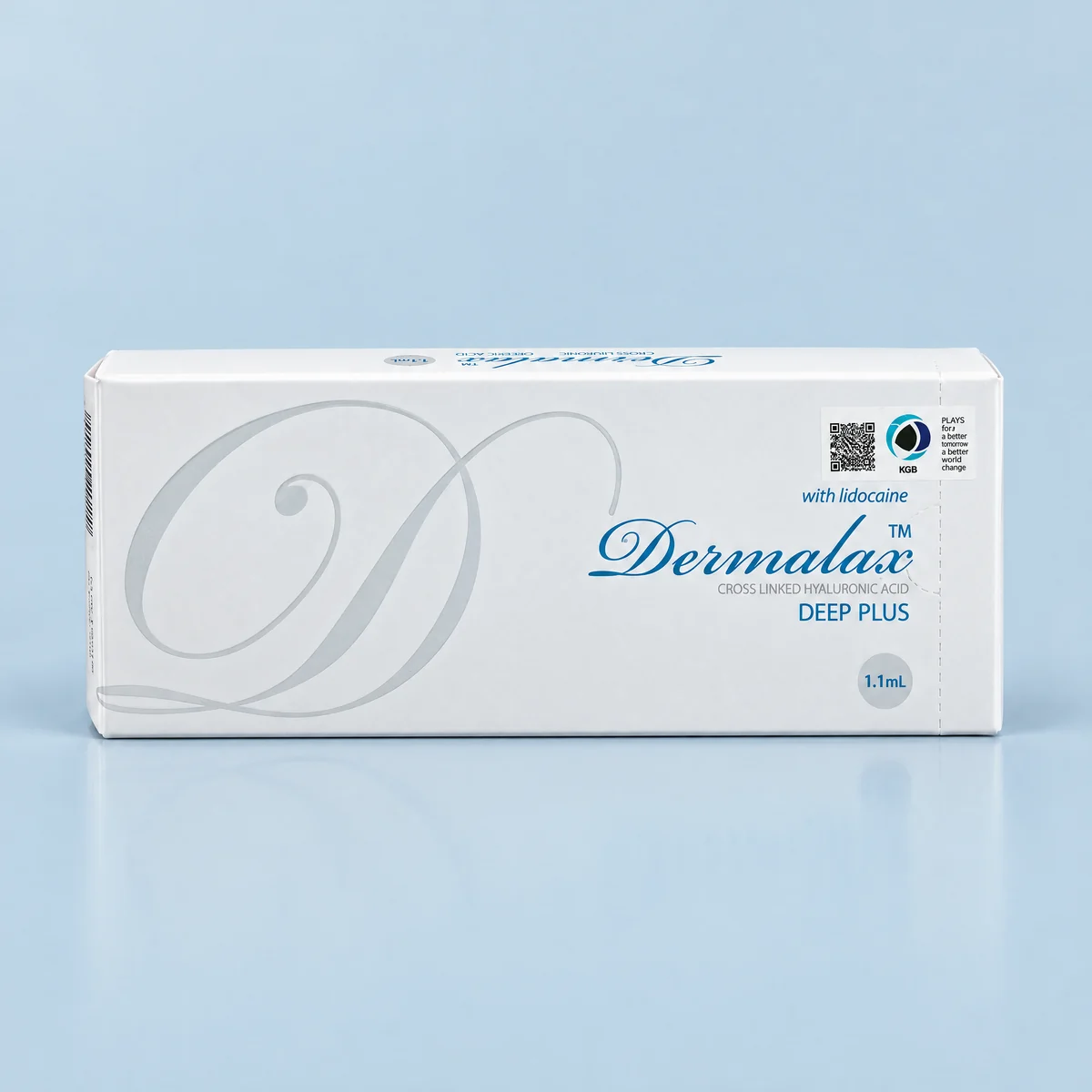

References
Filler is a category of materials used to add fullness to tissue. Hyaluronic acid is one substance used in filler and also occurs naturally in the body. It binds water. The word filler identifies the product category, while hyaluronic acid identifies an ingredient. Keeping those meanings separate makes product descriptions easier to read.
This category lists gel as the form. Read it alongside the ingredient rather than assuming the ingredient name describes the whole formula. The label and documents for each item explain its formulation in more detail.
Filler selection differs for under-eye areas, facial folds and lips because their tissues and movement differ. Under-eye concerns may involve skin, colour or tissue contours; folds and lips also require a look at surrounding structures. Naming the area identifies an interest, but does not explain the whole concern.
Before a consultation, separate what you notice from your expectations, and share previous procedures. An image can help explain an interest but cannot replace an examination. A doctor assesses suitability using tissue and product details.
Filler adds fullness to tissue, while Botox relates to muscle activity. The categories have different roles even when questions concern the same facial area. Skin, tissue and movement can each be involved, so grouping everything as an injectable product can obscure useful distinctions.
For questions about hydration, Skin Booster is a related category to explore. Compare ingredients and purpose for the specific items, rather than relying on a category name or a shared skin concern. Similar areas of interest do not make products interchangeable.
By origin, Exquiller is a hyaluronic acid filler from South Korea; by form, it is a gel. The listing identifies Exquil as the name on the box. Read the product line and packaging names together to identify the item, allowing for the difference in spelling described in the listing.
Start comparisons with ingredients, form and origin. This category does not detail individual gel formulas or their differences, so the product name cannot supply them. Match further documents to the name on the box to connect the product information with its packaging.
Anyone considering filler should speak with a doctor first, especially those with allergies, health conditions, current medicines, pregnancy or breastfeeding. Share previous procedures in the area and product names you know. These details help assess suitability and precautions beyond what is visible on the skin.
Explain concerns, symptoms and expectations openly. If you cannot recall a previous product name, bring available documents. A doctor decides whether to proceed or defer. An ingredient name or category listing does not confirm personal suitability.
Start with the product line and packaging names, then read ingredients, form, origin and manufacturer details. These identify the item. Batch details and expiry relate to the pack in front of you, so check that box directly rather than relying on text in an example image.
Check packaging condition and compare the label with documents for the same item. If the box name differs from the listing, read the description before assuming they refer to different products. Conflicting details need clarification; origin and box design cannot establish instructions for use.
Use the specific product label and documents for storage directions. Keep the item in its packaging as directed and check its condition before use. Gel form and origin do not specify storage conditions. Read the handling instructions directly; missing directions or abnormal packaging need review before clinical use.
A doctor sets the plan using the area, tissue, health history and product details. Storage checks and clinical planning each need attention. Ask about aftercare and follow-up for your own plan, rather than relying on someone else’s account.