













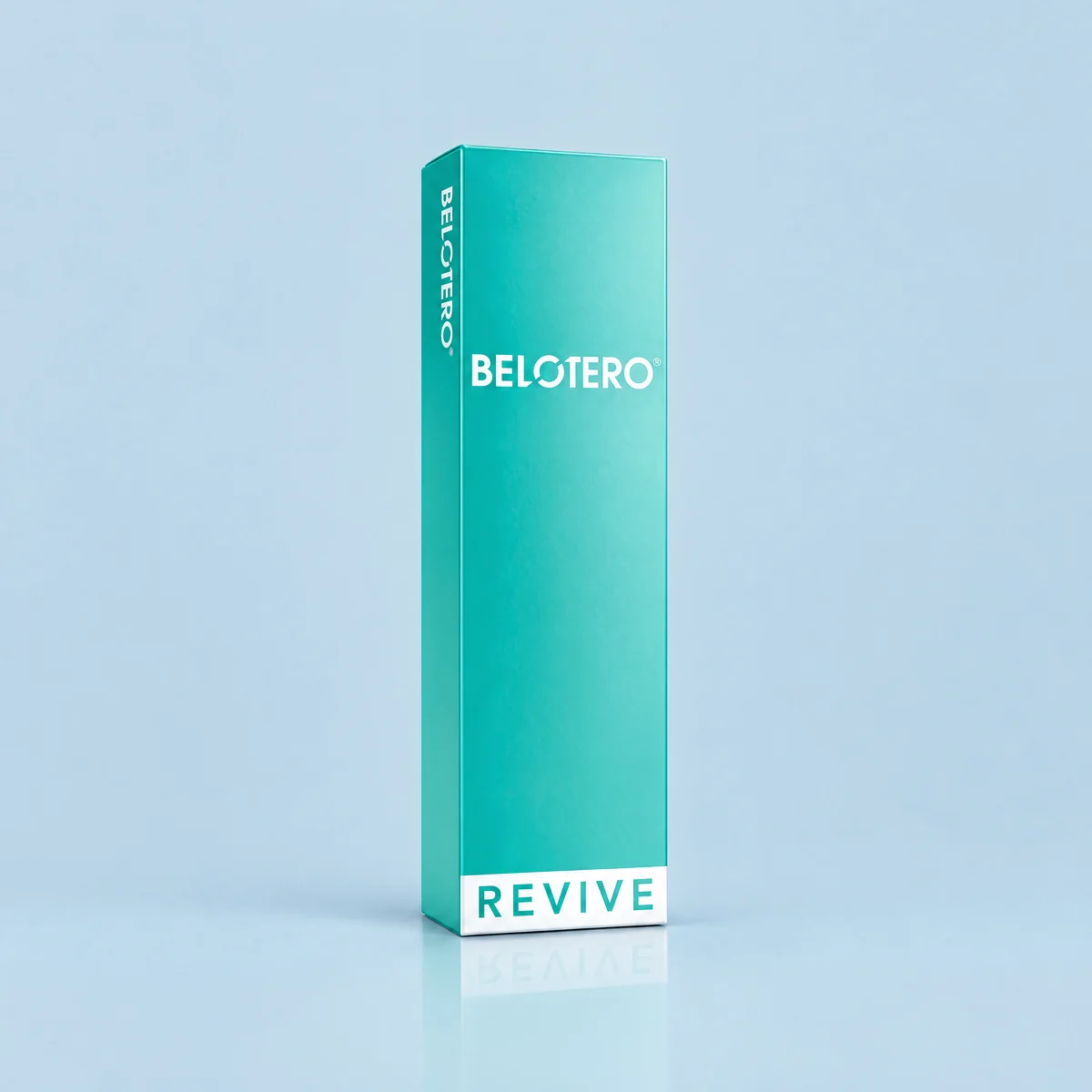
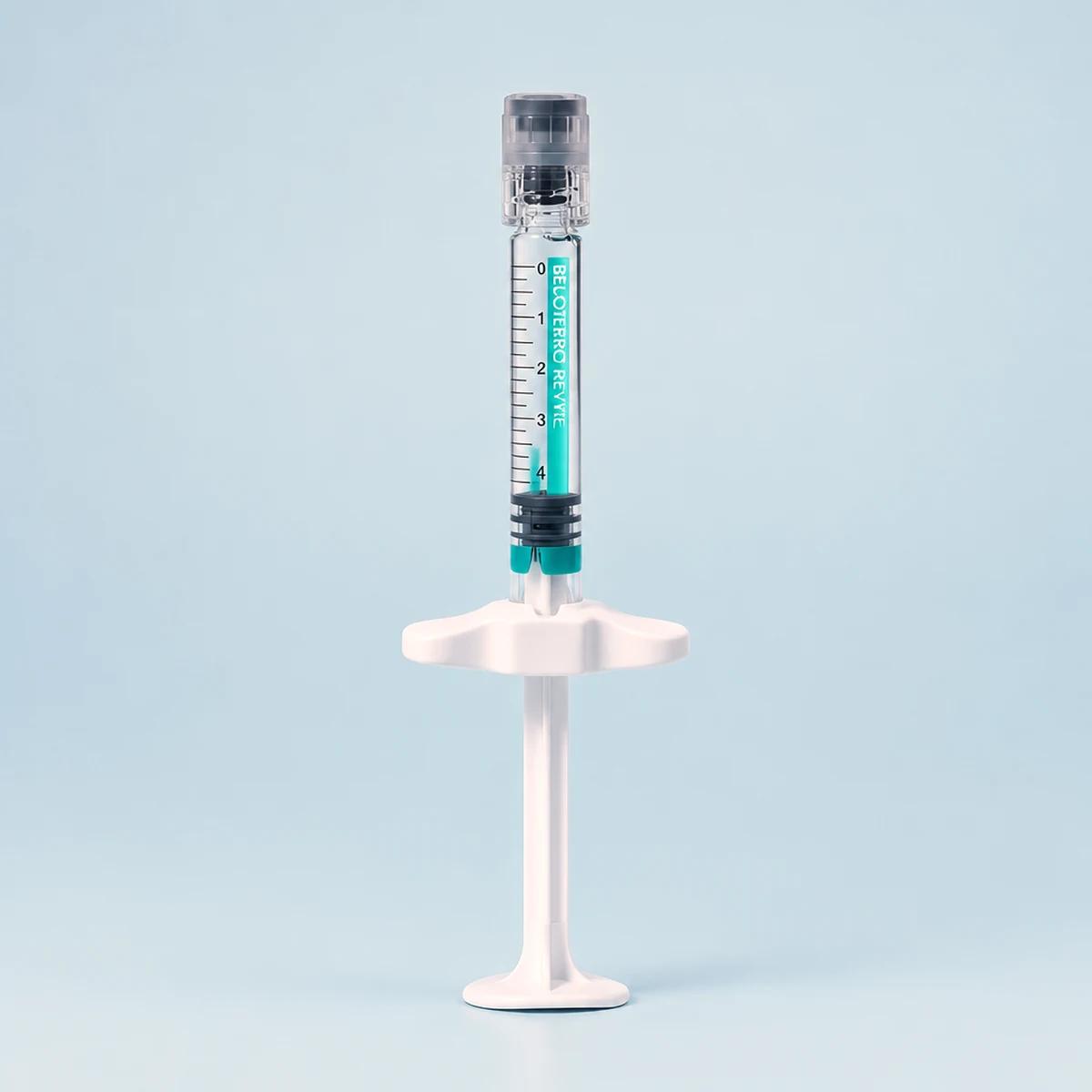

Belotero Revive
FromTHB 3,950
 Juvelook (PDLLA): What It Is, What the Studies Show and Its Approval Status
 Skin Booster Results and Aftercare: How Long Until You See Results, and What to Avoid After Injection
 Exosome Facial and Exosome Skincare: What They Are, What the Studies Show and Approval Status
 Meso Fat vs Masseter Botox: How to Slim the Face
 Fat Dissolving Injections for Belly and Arms: The Facts
 Collagen Stimulators Explained: PLLA, PDLLA, PN, Profhilo and Exosomes Compared
 What Are Fat Dissolving Injections (Meso Fat)? A Guide
 Double Chin Injections: Kybella vs Meso-Fat Blends
1 ml syringe, several models
Record an unboxing video every time, from before you open the parcel until it is unpacked, in one uncut take. Without the video, no claim can be accepted.
You can claim
No claim
Results vary from person to person
Biohyalux is a hyaluronic acid (HA) gel filler from Bloomage, a biomaterials company in China, with a 1 ml syringe in each box.
Bloomage is a biomaterials and biotechnology company that makes hyaluronic acid raw materials and finished products, including HA dermal fillers. Its profile says it operates in over 70 countries and regions and holds the CE mark for both its HA raw materials and its medical devices.
The company lists Biohyalux and Aqualuna as its brands at the IMCAS aesthetic-medicine congress, with HA fillers under its injectables.
Hyaluronic acid (HA) is a substance found naturally in the body; in cross-linked fillers the HA is chemically linked into a gel. A 2024 manufacturing review in Polymers notes that HA fillers are made mainly by microbial fermentation and then cross-linked to resist enzymatic breakdown.
A European distributor gives all four Biohyalux models as HA at 20 mg/ml, with an average particle size that differs by model.
The US FDA states that filler injection is a medical procedure: choose a licensed health care provider with experience who is trained in filler injection, and do not inject yourself.
Tell the doctor before treatment about skin inflammation or infection, a bleeding disorder, severe allergies, a tendency to raised scars, or pregnancy and breastfeeding, along with current medicines and earlier injections. The doctor decides case by case.
Seek medical help at once for unusual pain, changes in vision, or pale, grey or bluish skin near the injection site.
That depends on each person's health history and goals, which the injecting doctor assesses. Ask the doctor which model suits you.
Every filler carries risks. The US FDA lists bruising, redness, swelling, pain, tenderness, itching and rash as common after injection; lumps, infection and allergic reaction as less common; and, rarely, injection into a blood vessel, which can cause tissue death, vision problems or stroke.
One ml (cc), as printed on every box. The amount actually used is decided by the injecting doctor for each case.
They differ in model name and box colour. A distributor lists the average particle size as different for each model. The purple model, which has no name on the box, is called Base by some distributors and Derm Lines by others. The leaflet gives the details, and the doctor chooses the model.
The US FDA notes that the HA in some fillers is naturally absorbed over time. How long depends on the area, the technique and the individual, and the treating doctor explains it for your case.
The price depends on the model and the quantity.
This information is for general knowledge and does not replace a doctor's advice. Every procedure should be performed by a licensed doctor in a medical facility.
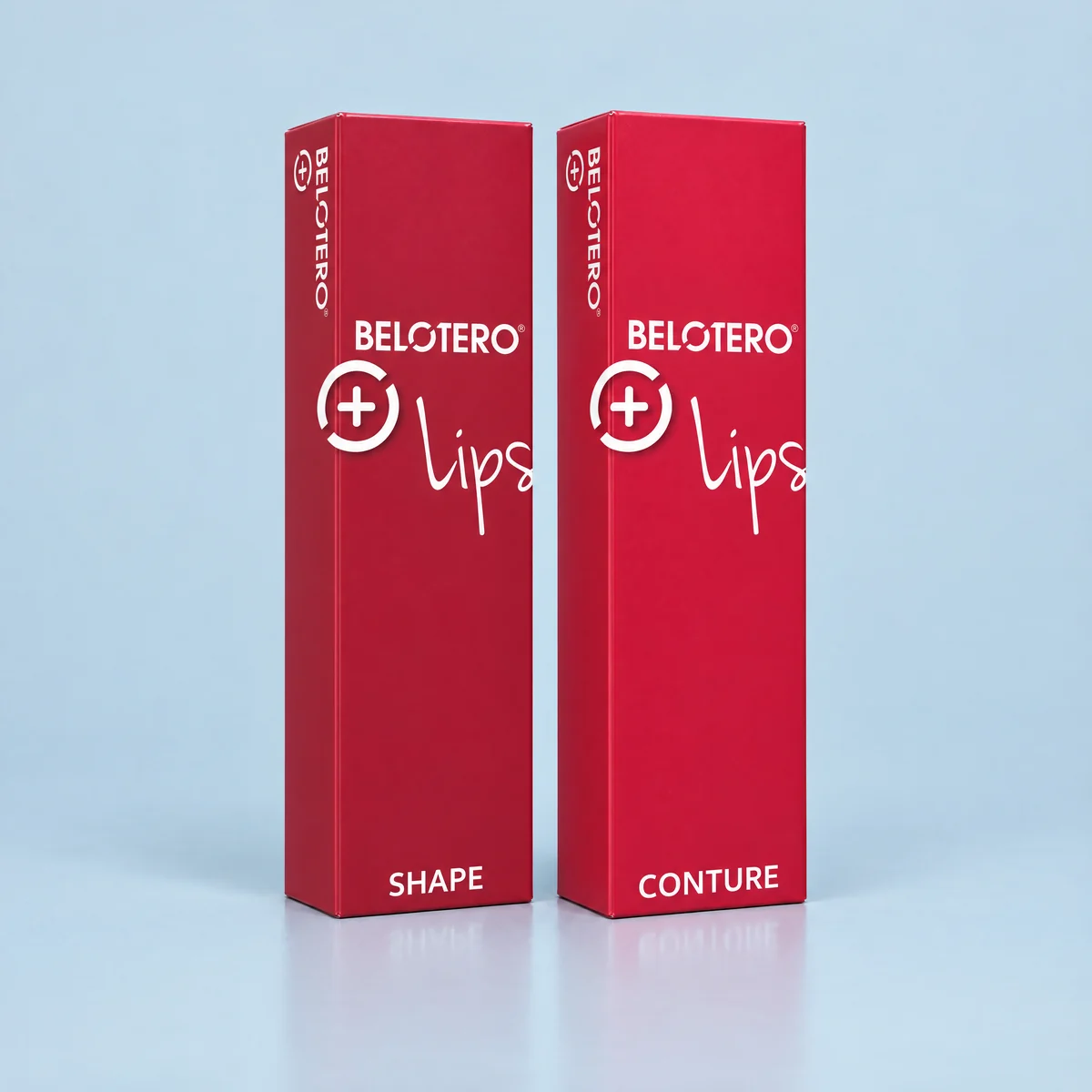
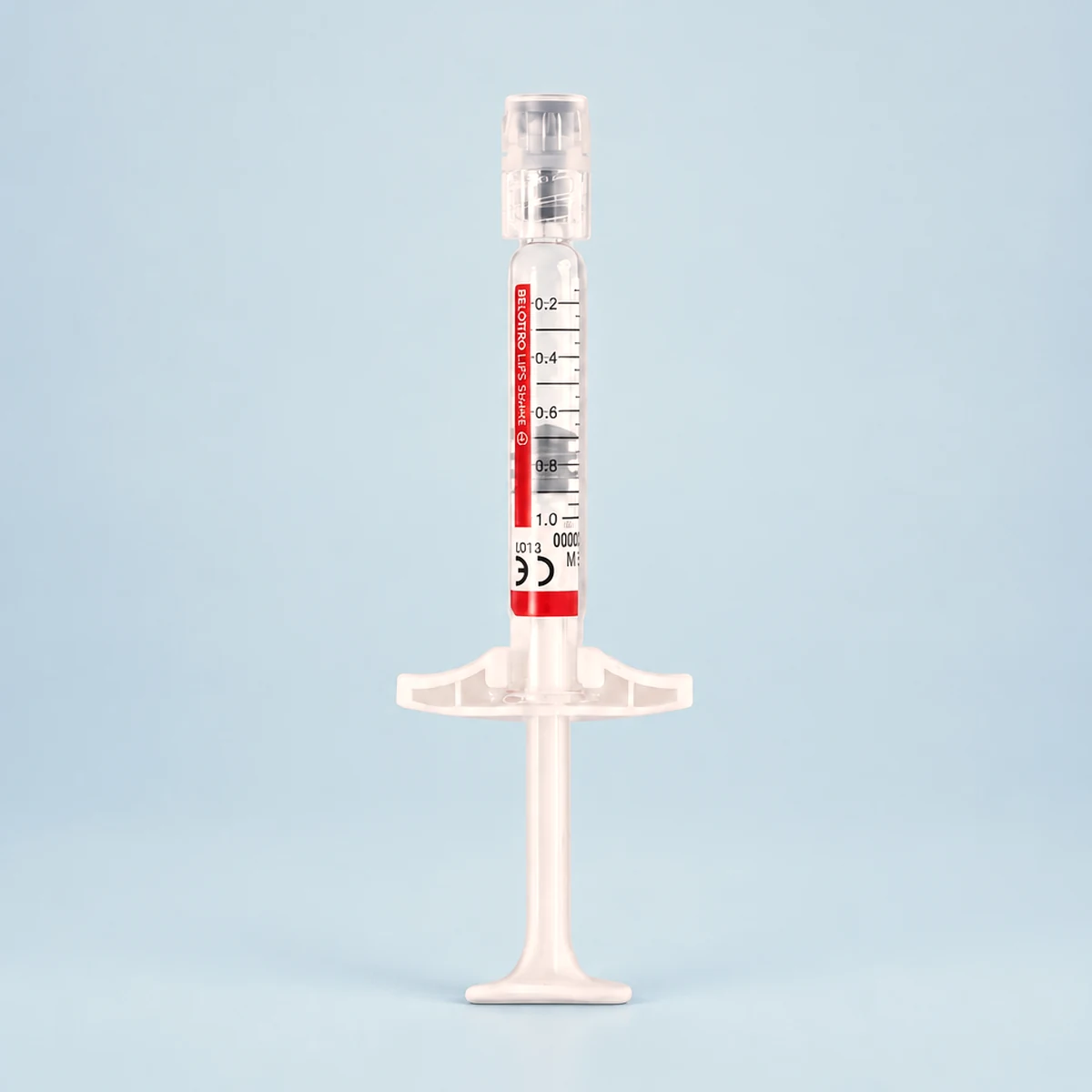 Thai label
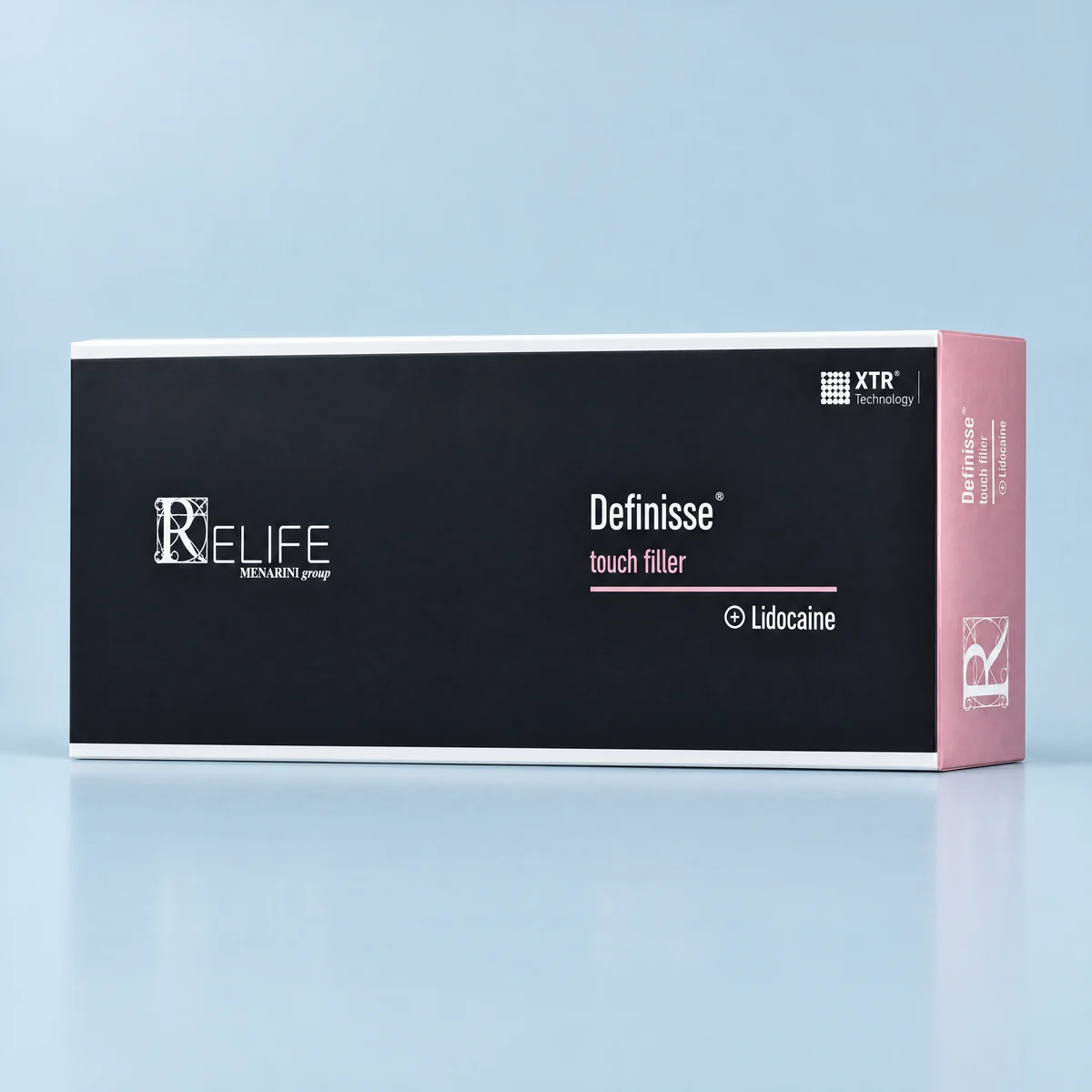
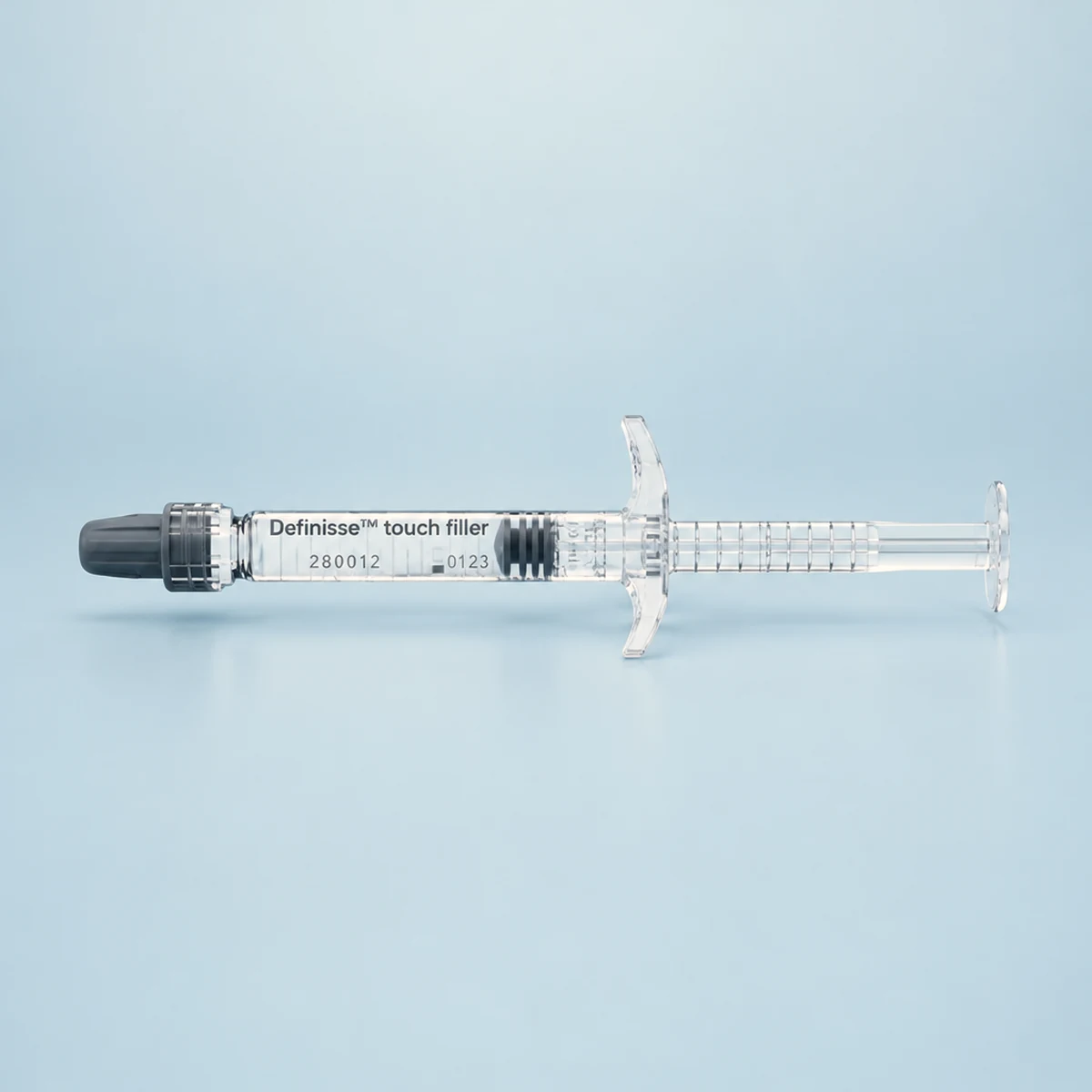 Thai label