













Guna Made Collagen
FromTHB 440
 Juvelook (PDLLA): What It Is, What the Studies Show and Its Approval Status
 Skin Booster Results and Aftercare: How Long Until You See Results, and What to Avoid After Injection
 Exosome Facial and Exosome Skincare: What They Are, What the Studies Show and Approval Status
 Meso Fat vs Masseter Botox: How to Slim the Face
 Fat Dissolving Injections for Belly and Arms: The Facts
 Collagen Stimulators Explained: PLLA, PDLLA, PN, Profhilo and Exosomes Compared
 What Are Fat Dissolving Injections (Meso Fat)? A Guide
 Double Chin Injections: Kybella vs Meso-Fat Blends

Skin Booster describes a group of products associated with clinic skin care and mesotherapy. This range includes hyaluronic acid solutions, peptide blends, essences and topical serums. Their forms and directions differ, so the category is a starting point for exploring each group.
This page is for shoppers preparing to speak with a doctor. Separate solutions from topical serums, then compare ingredients and stated origins. The sections explain formulas, labels and packaging checks.
 Thai label

 Thai label
 Thai label

 Thai label
 Thai label
 Thai label

 Full box


References
Skin Booster is a broad category often associated with skin hydration. Mesotherapy describes a way of introducing substances into the skin, rather than a shared ingredient or formula. Vial solutions and topical serums can appear in the same category; each description needs to identify the form and intended area of use.
The Serum category provides related topical product information. Essence can also appear in a solution’s name. Separate the product name from its form to compare products with similar uses more clearly.
Hyaluronic acid binds water and appears in various skin care products. This range includes a non-cross-linked hyaluronic acid solution and a peptide blend. Peptides are chains of amino acids; niacinamide is a form of vitamin B used in topical skin care. Compare ingredients alongside form, rather than judging by a substance name alone.
When reading the Filler category, check each product’s purpose and directions. Shared hyaluronic acid does not make products interchangeable. Read solution and topical serum labels separately.
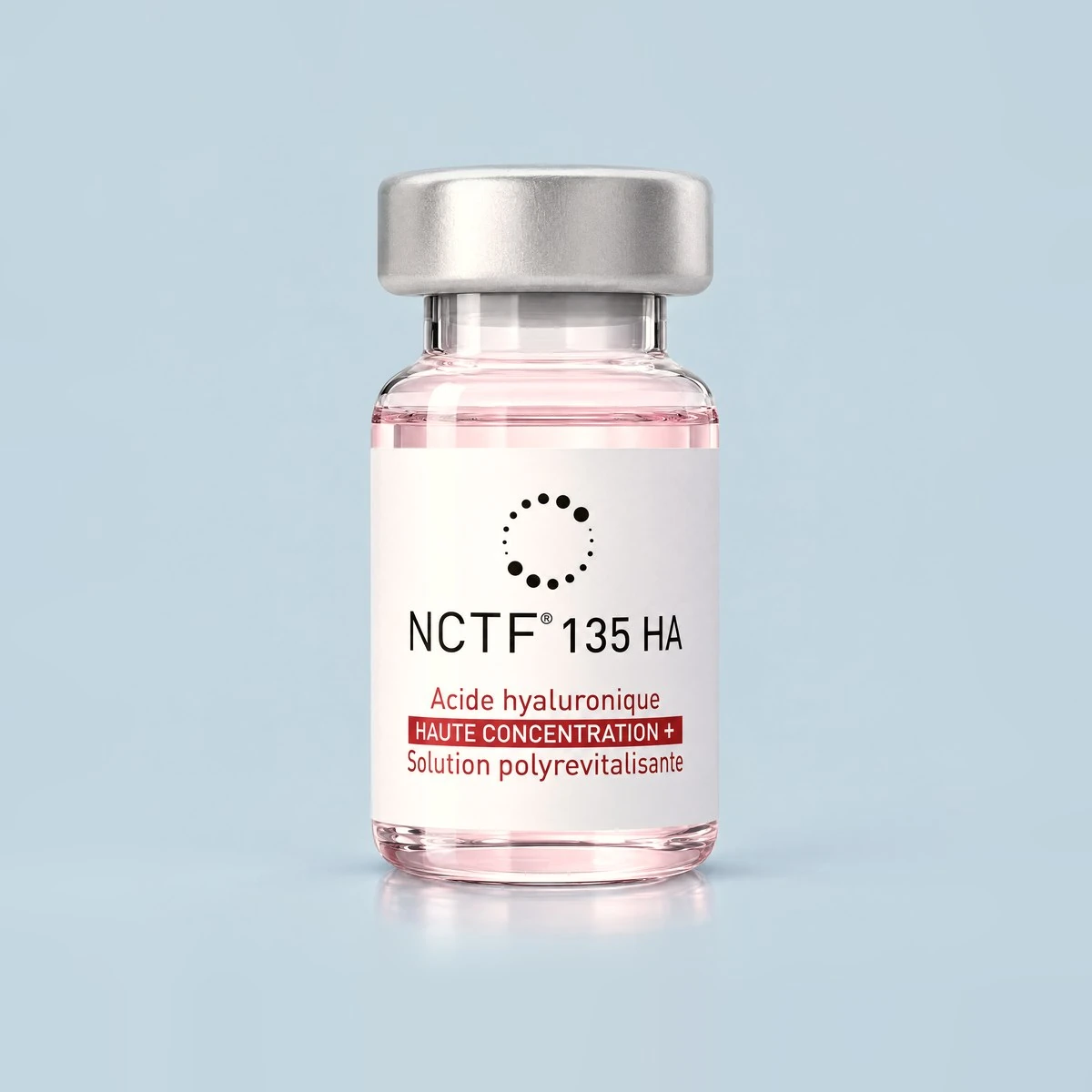
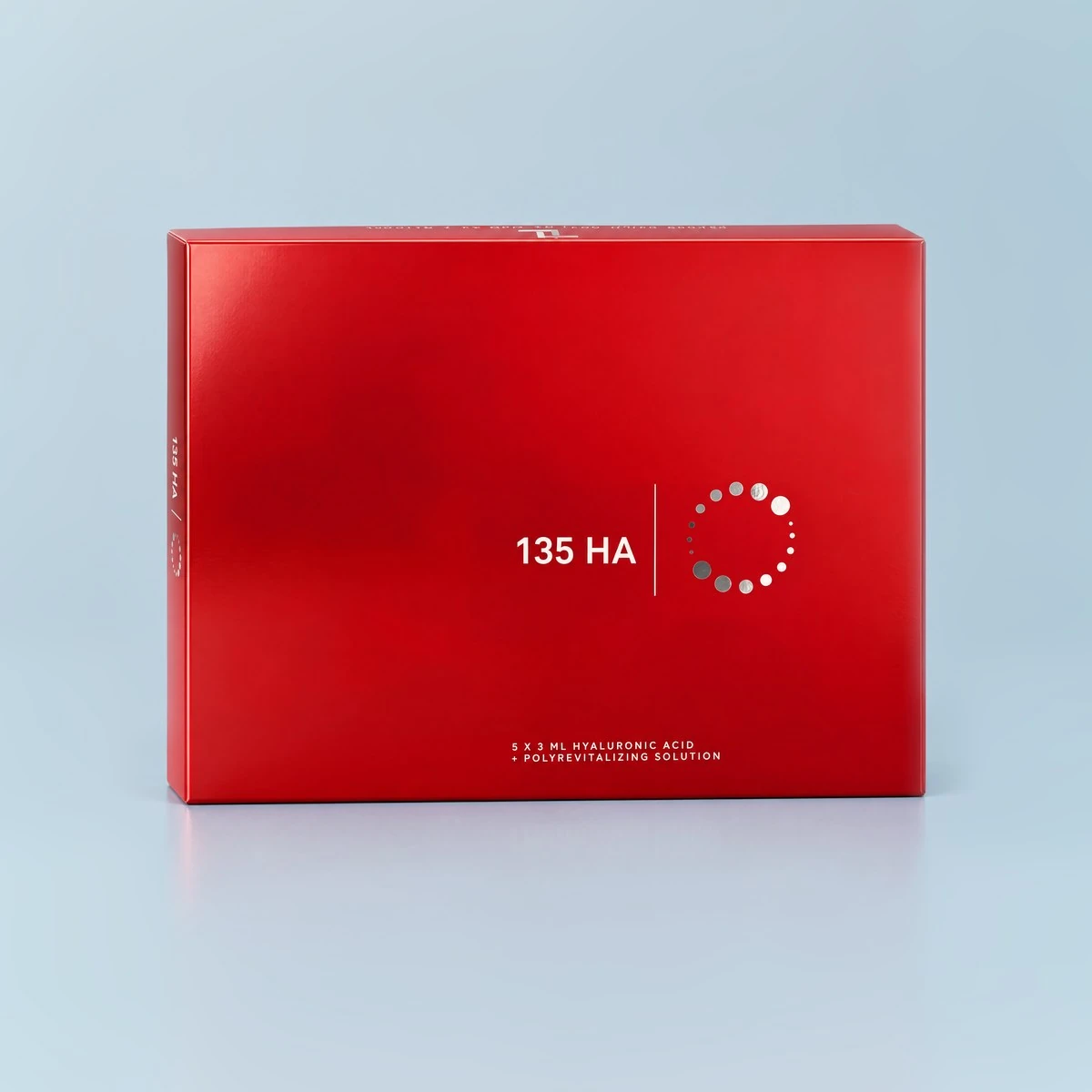
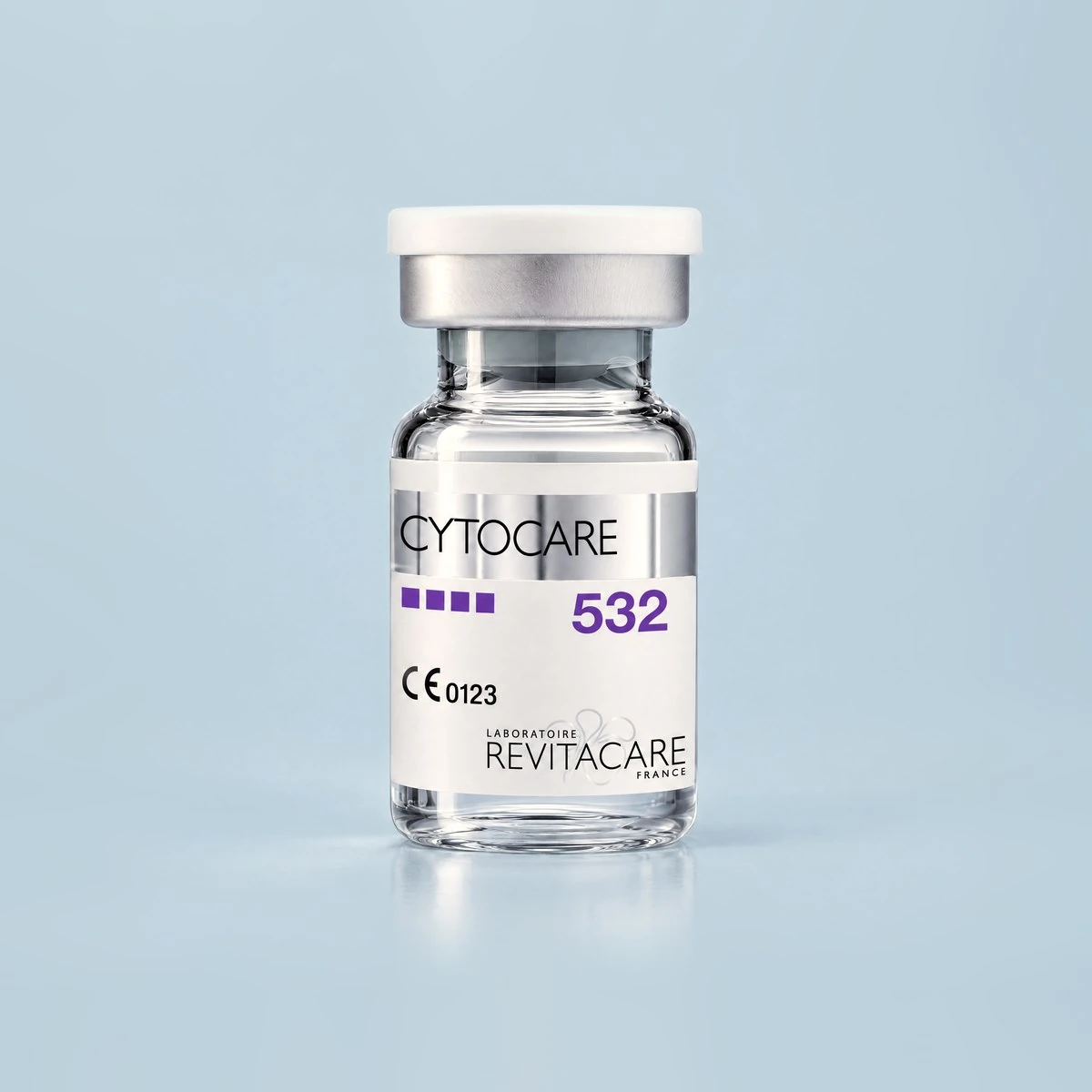
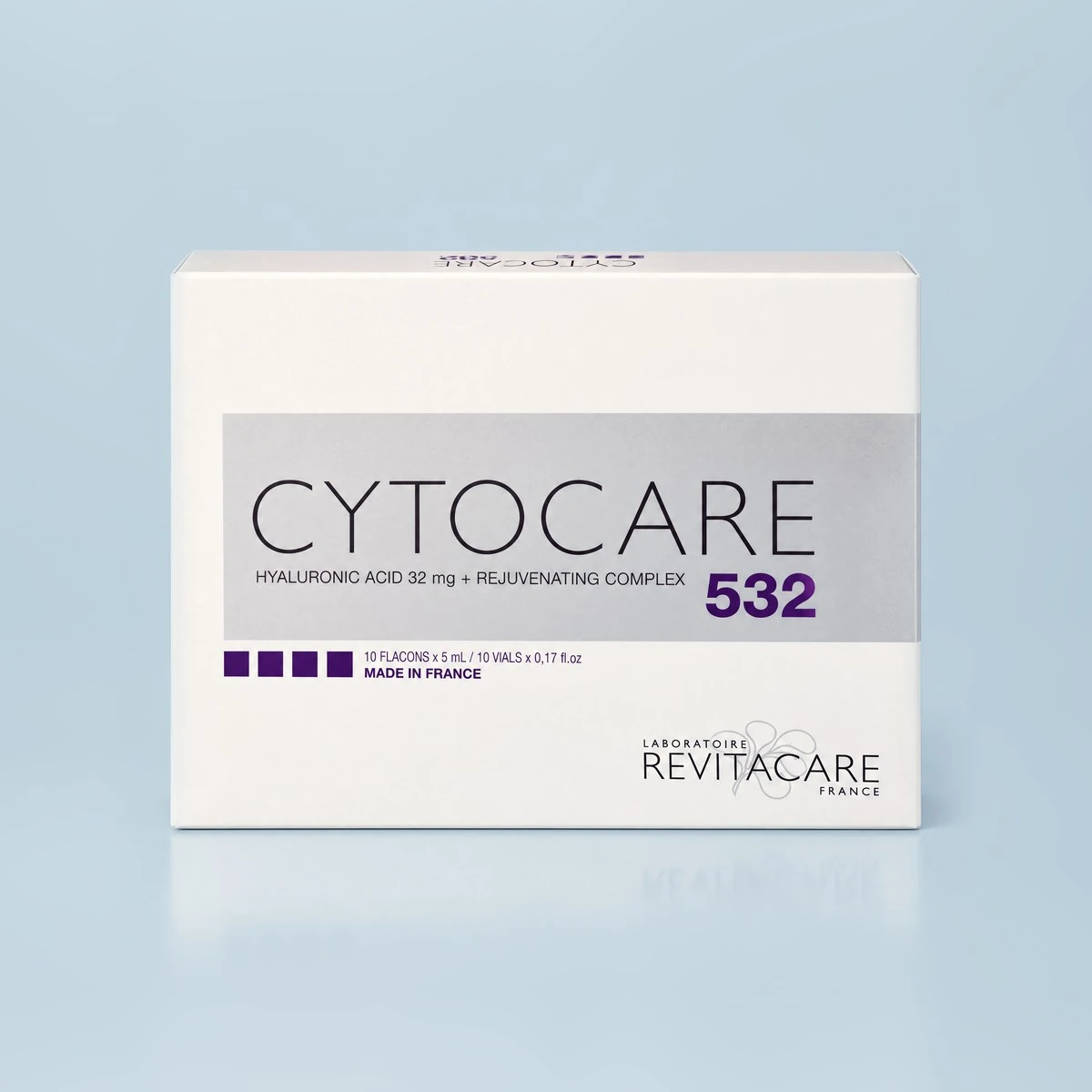
Hyaluronic acid products include Aquatic HA by AexelBioMed and Filorga, listed as a solution. Cytocare is a French non-cross-linked formula. Keep manufacturer, form and stated origin distinct when reading each line.
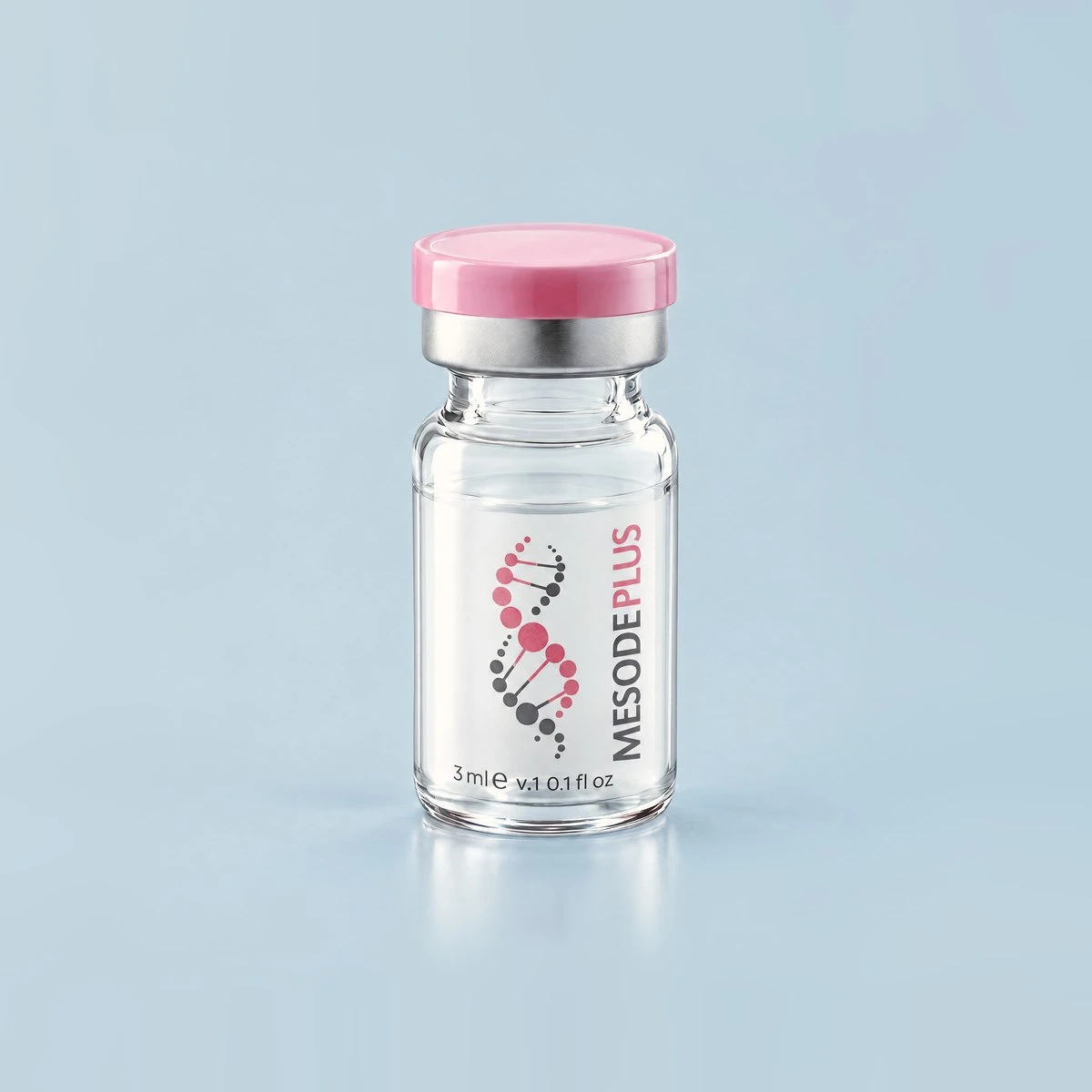
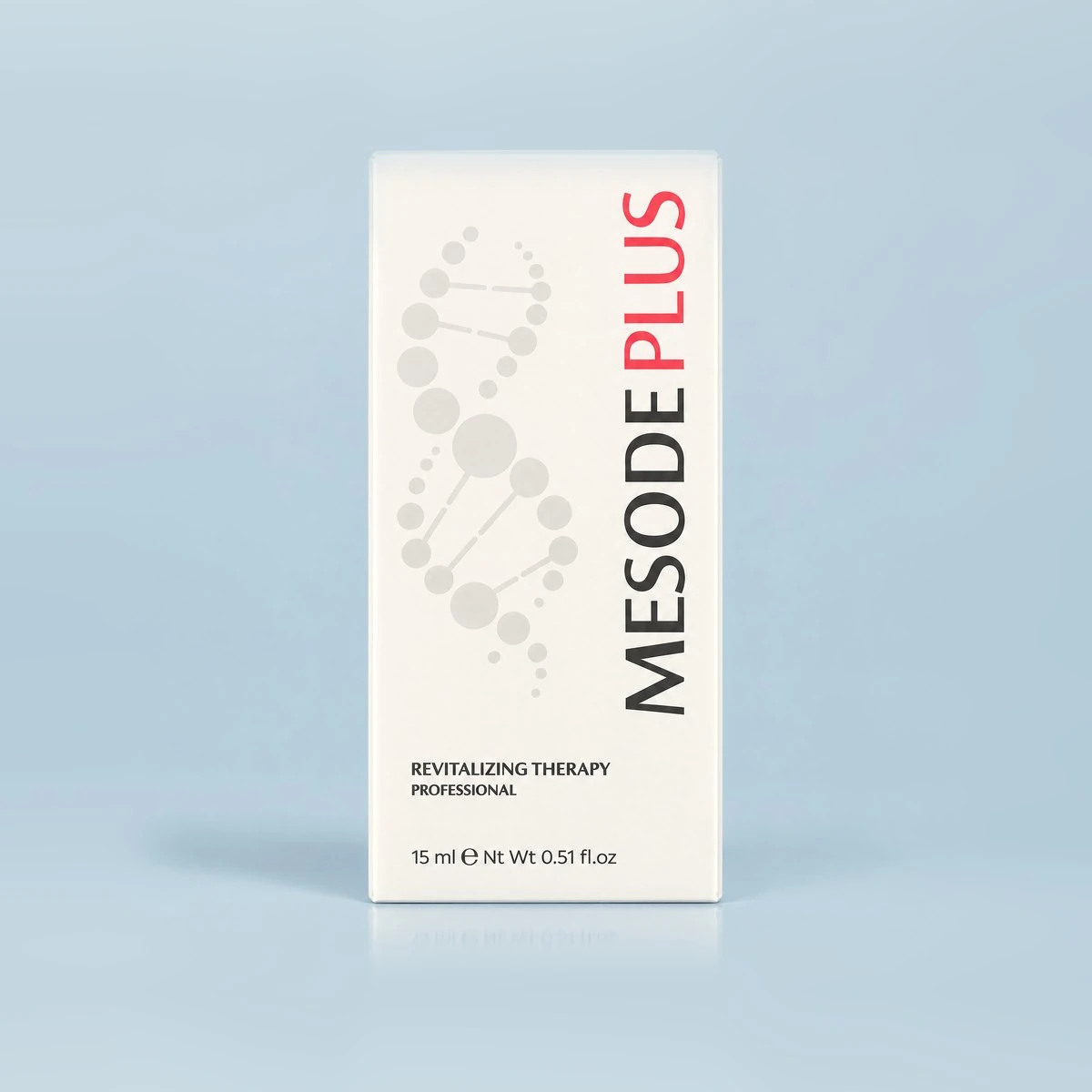
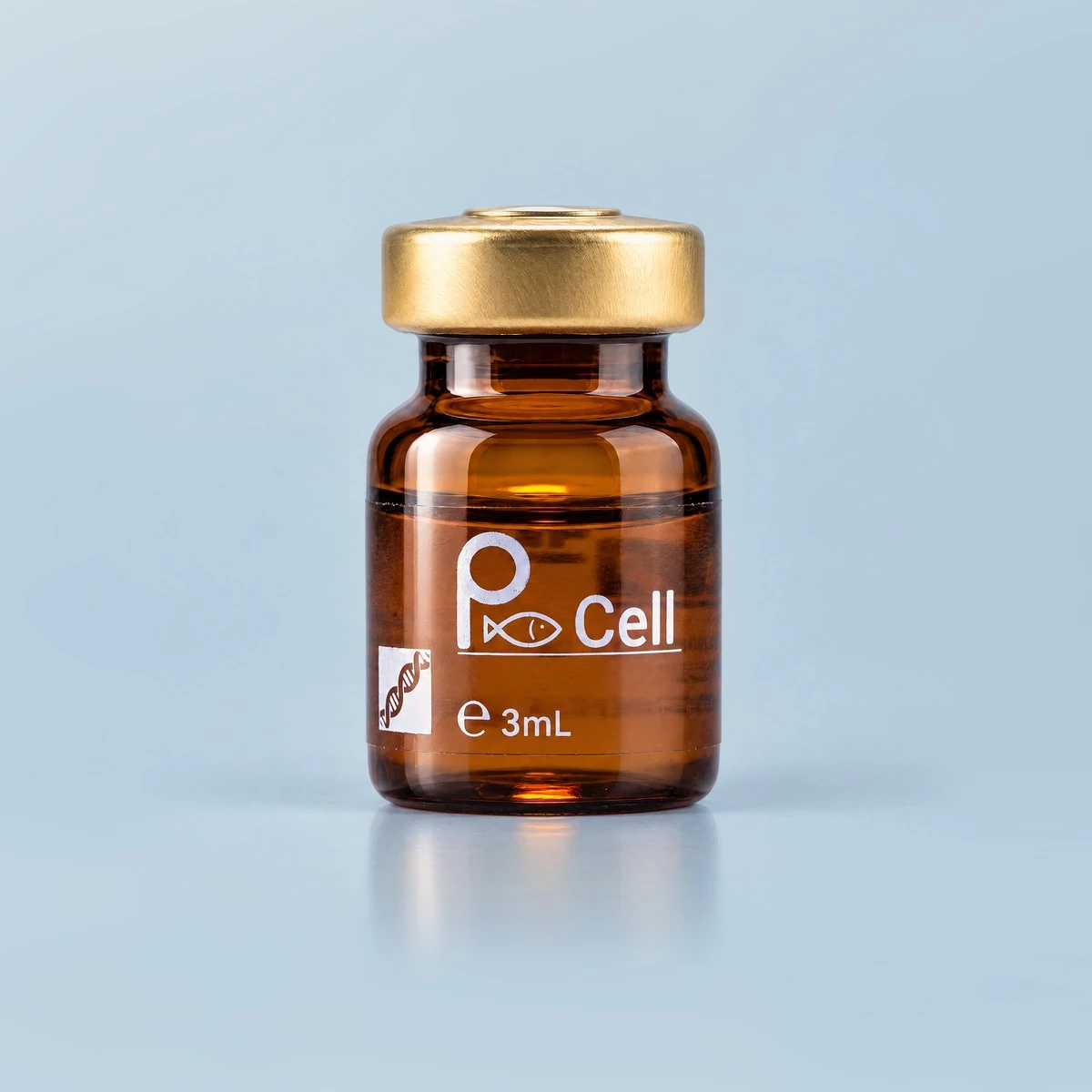
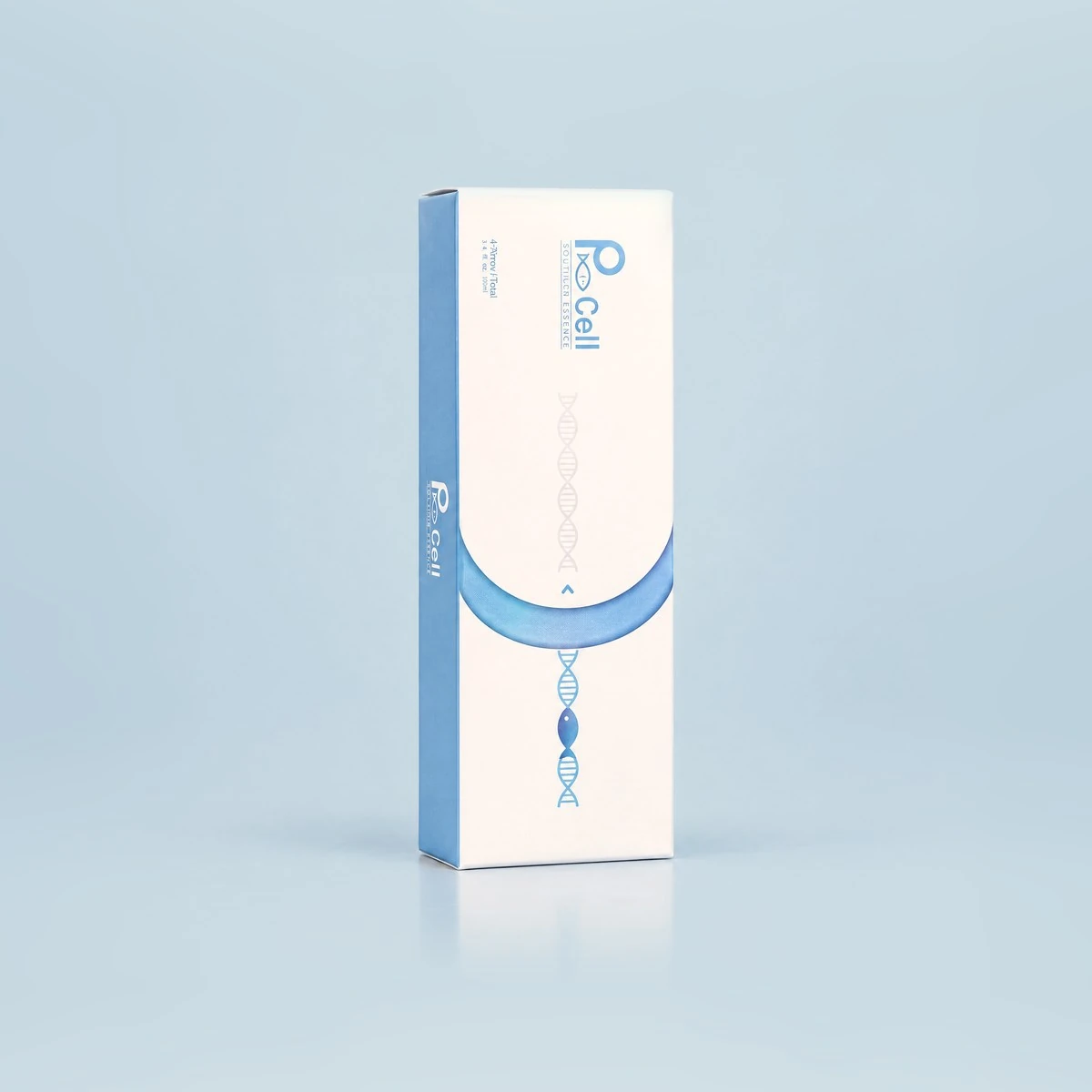
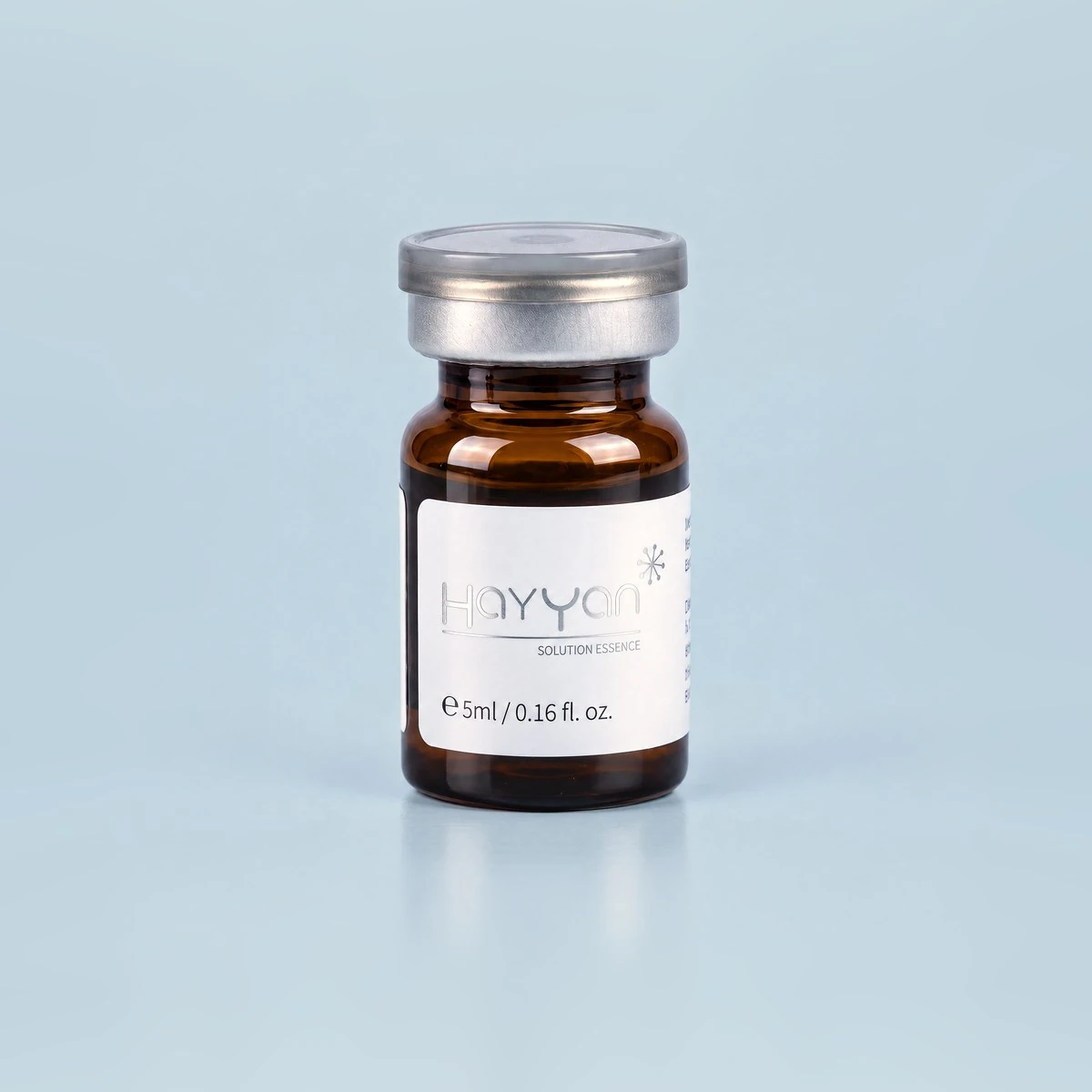
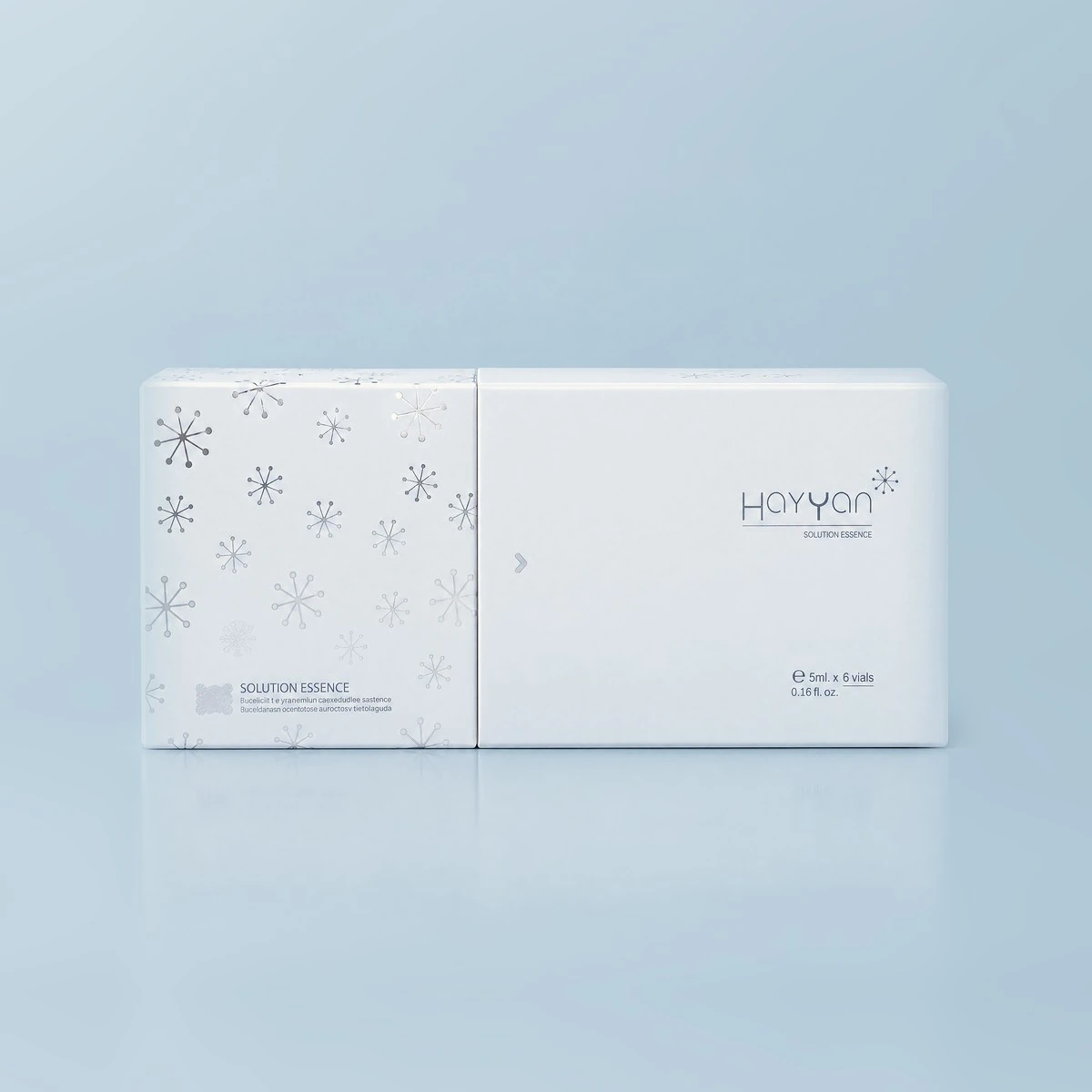
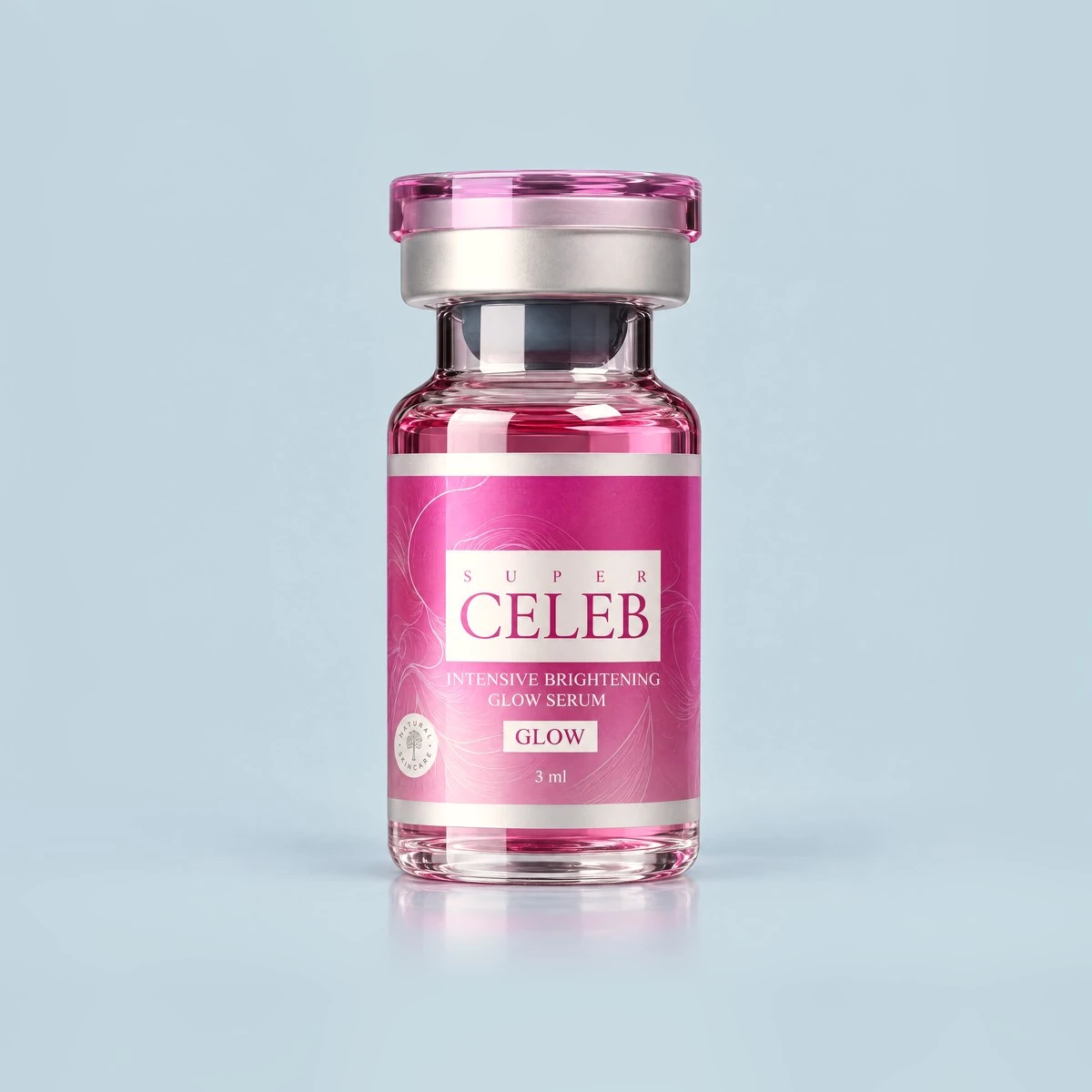
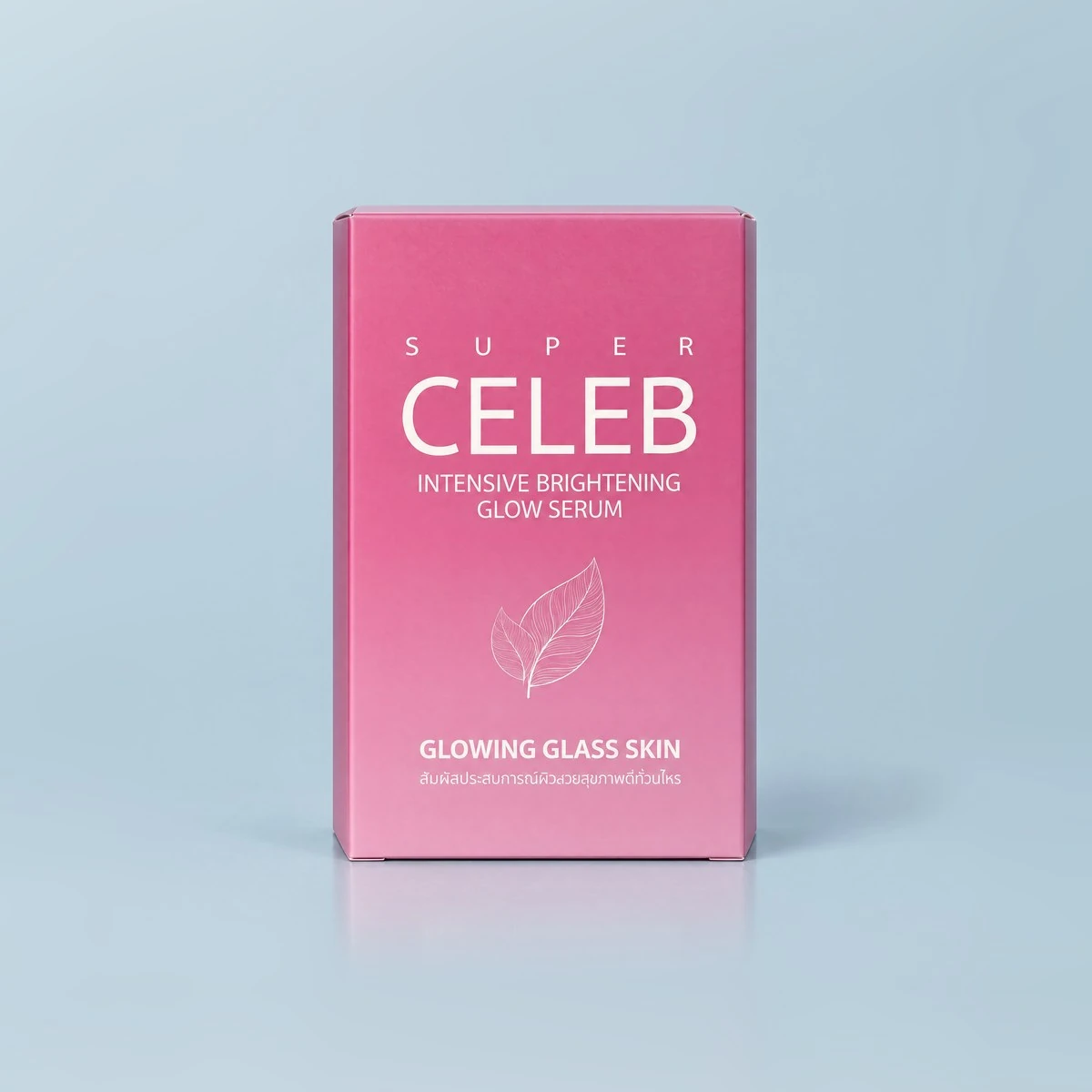
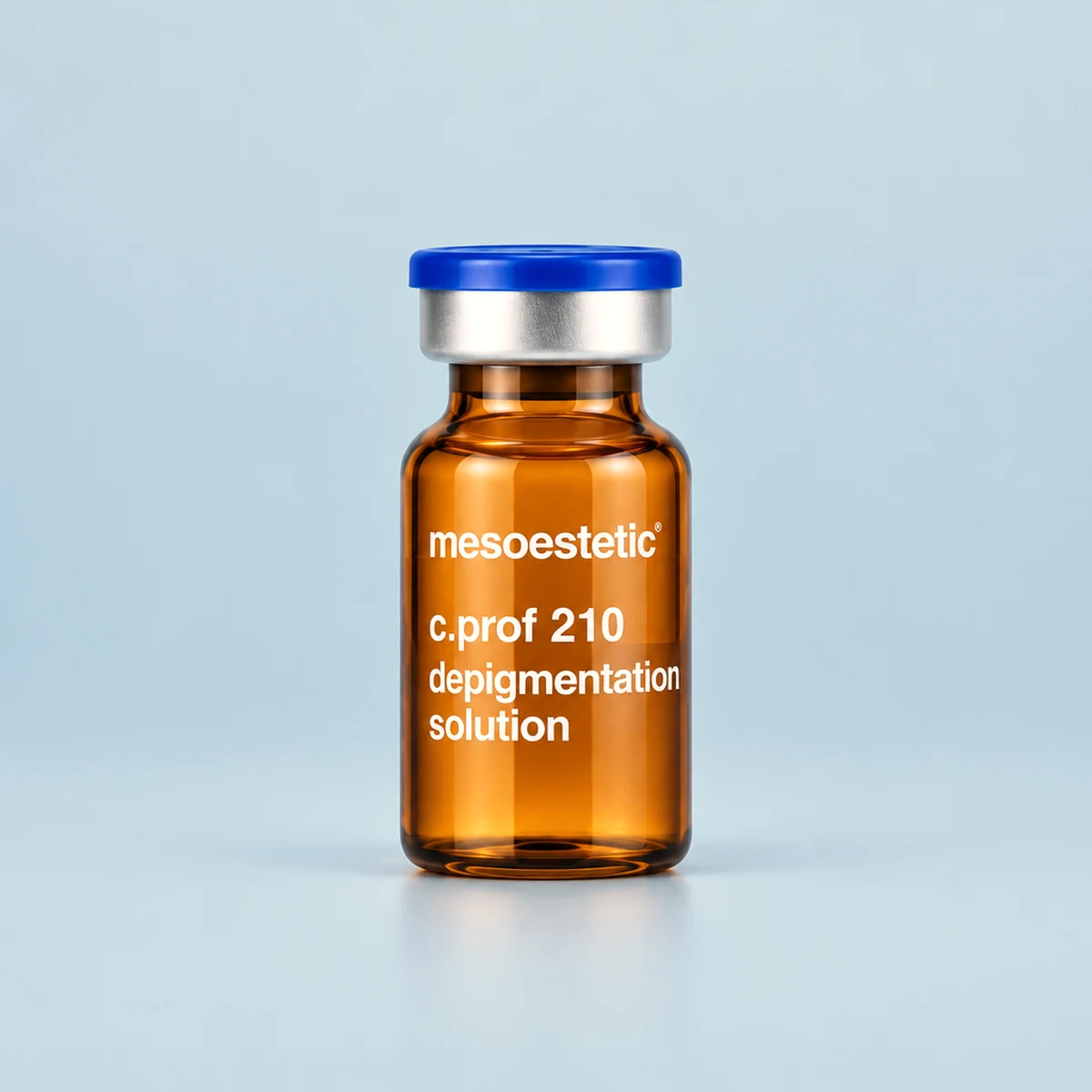
Mesotherapy and essences include Korean Hayyan Solution Essence and Thai Mesode Plus, a peptide and hyaluronic acid blend. P-Cell Solution Essence comes in amber bottles; Super Celeb / Mezo Celeb is a mesotherapy solution with a Thai label. Label language does not establish origin; leave unstated details open.
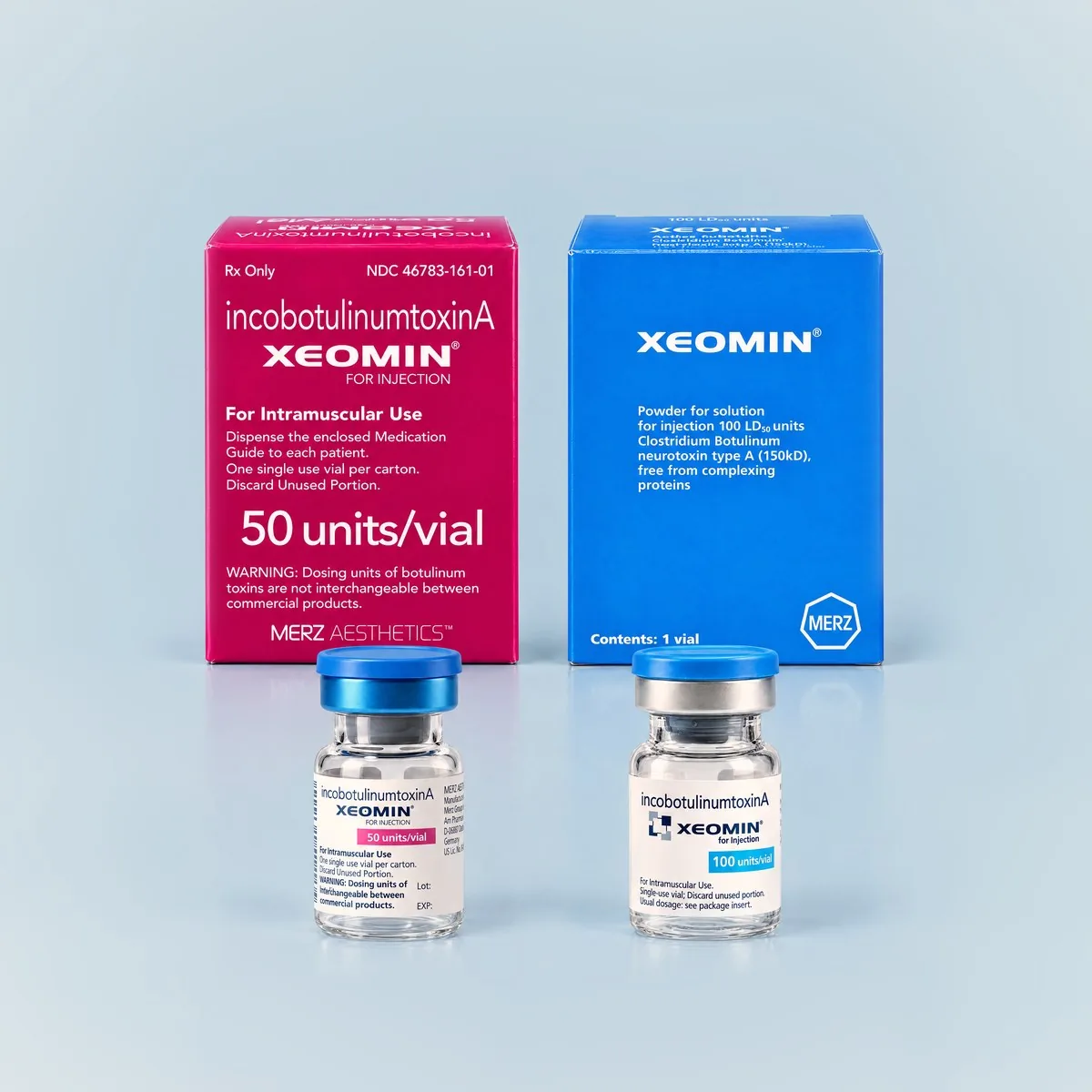
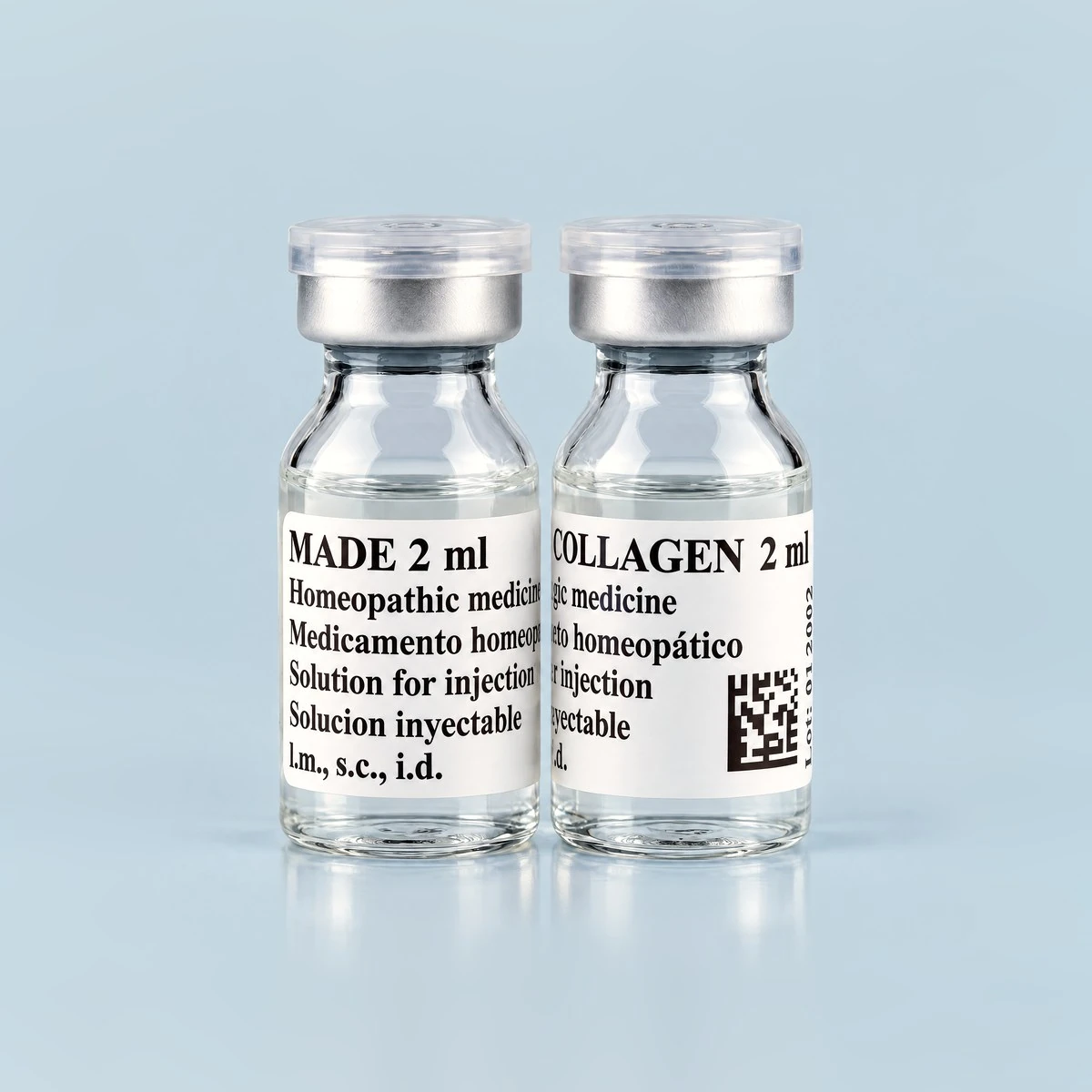
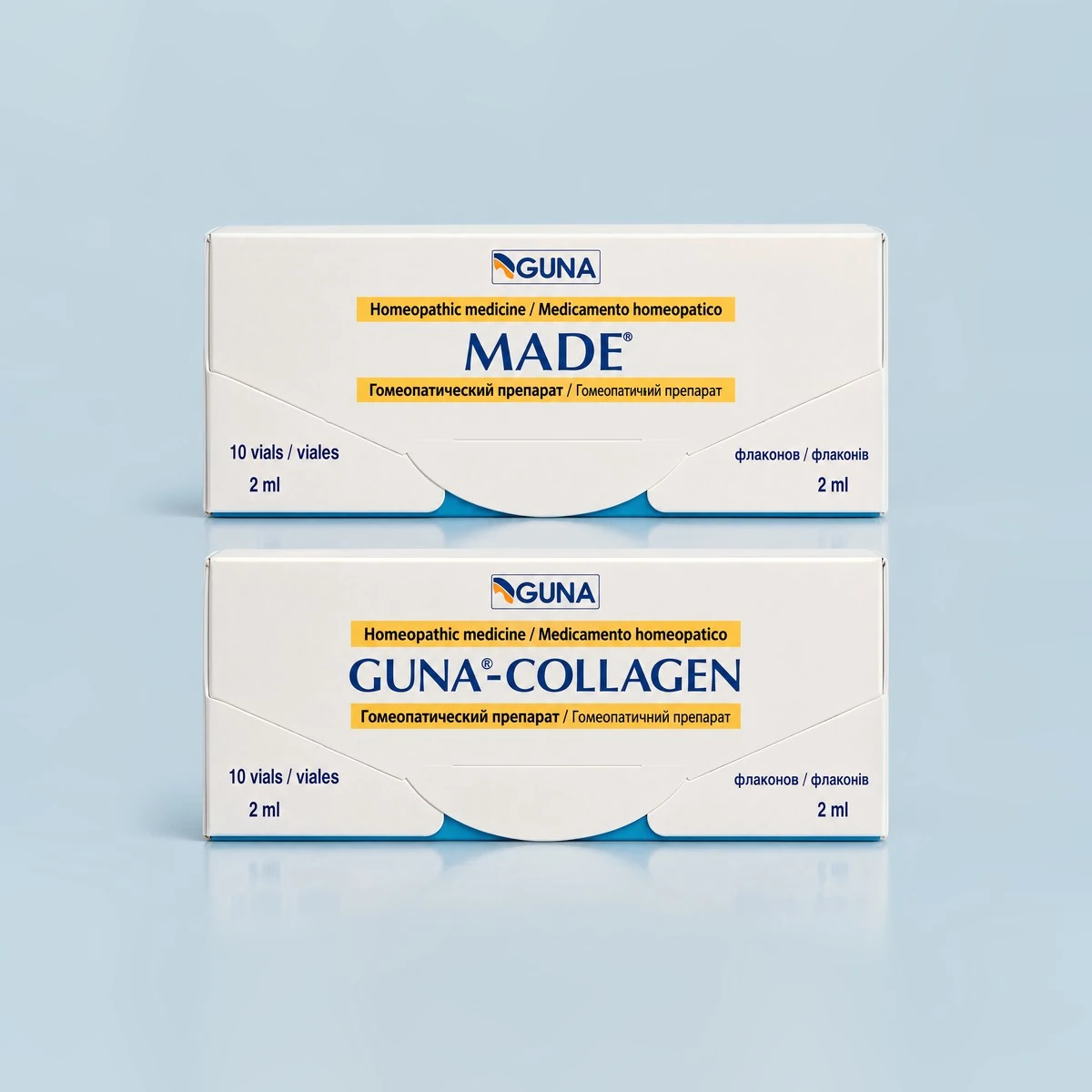
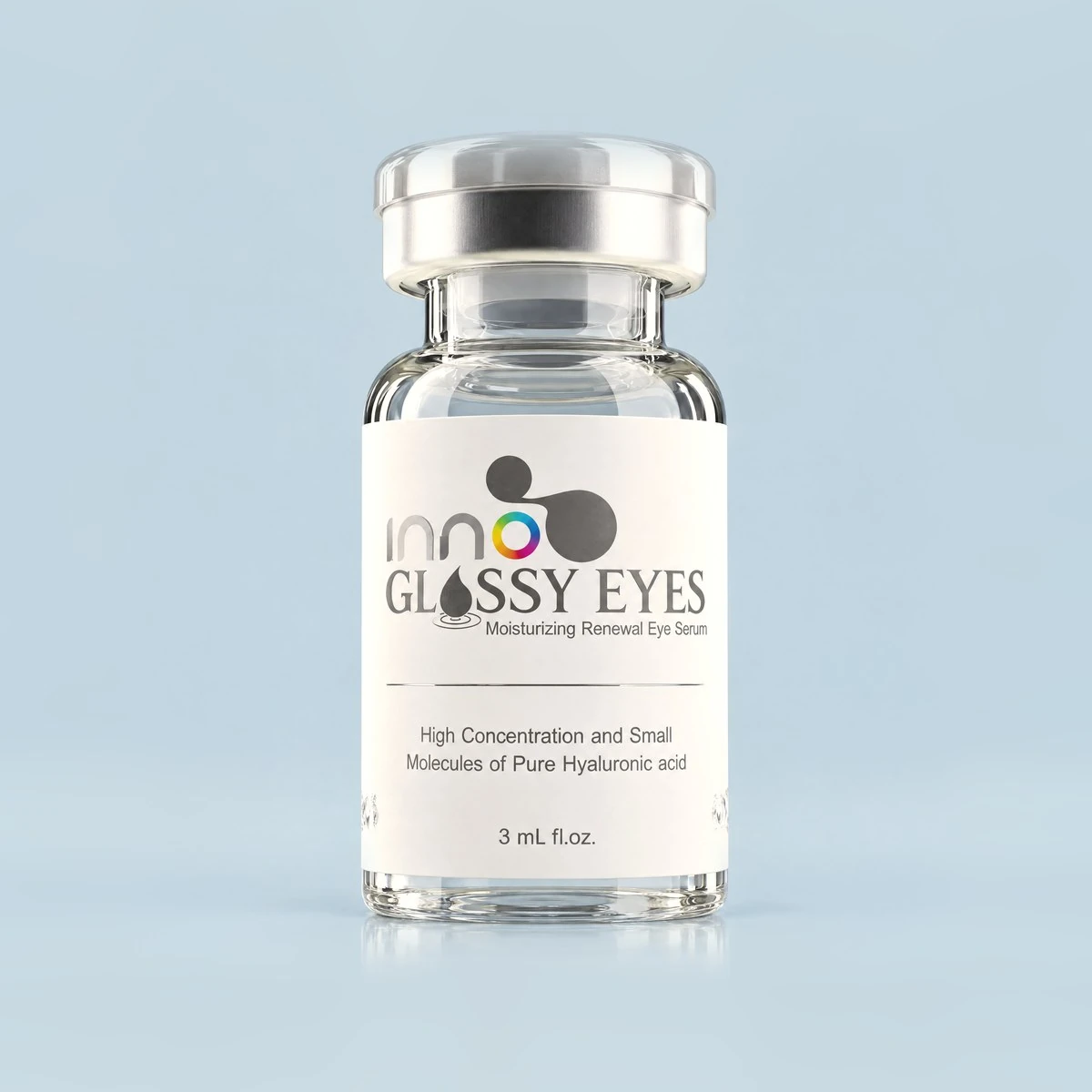
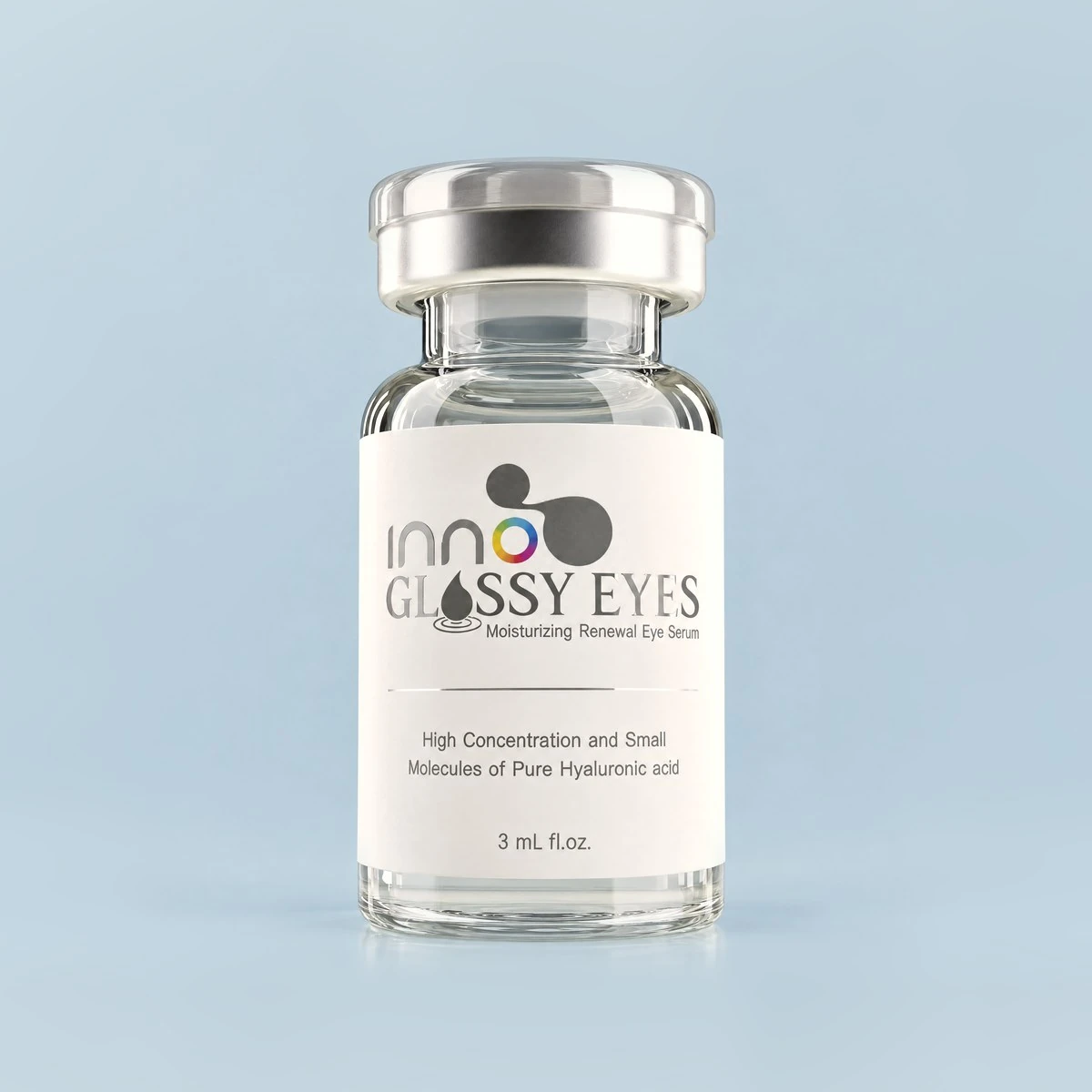
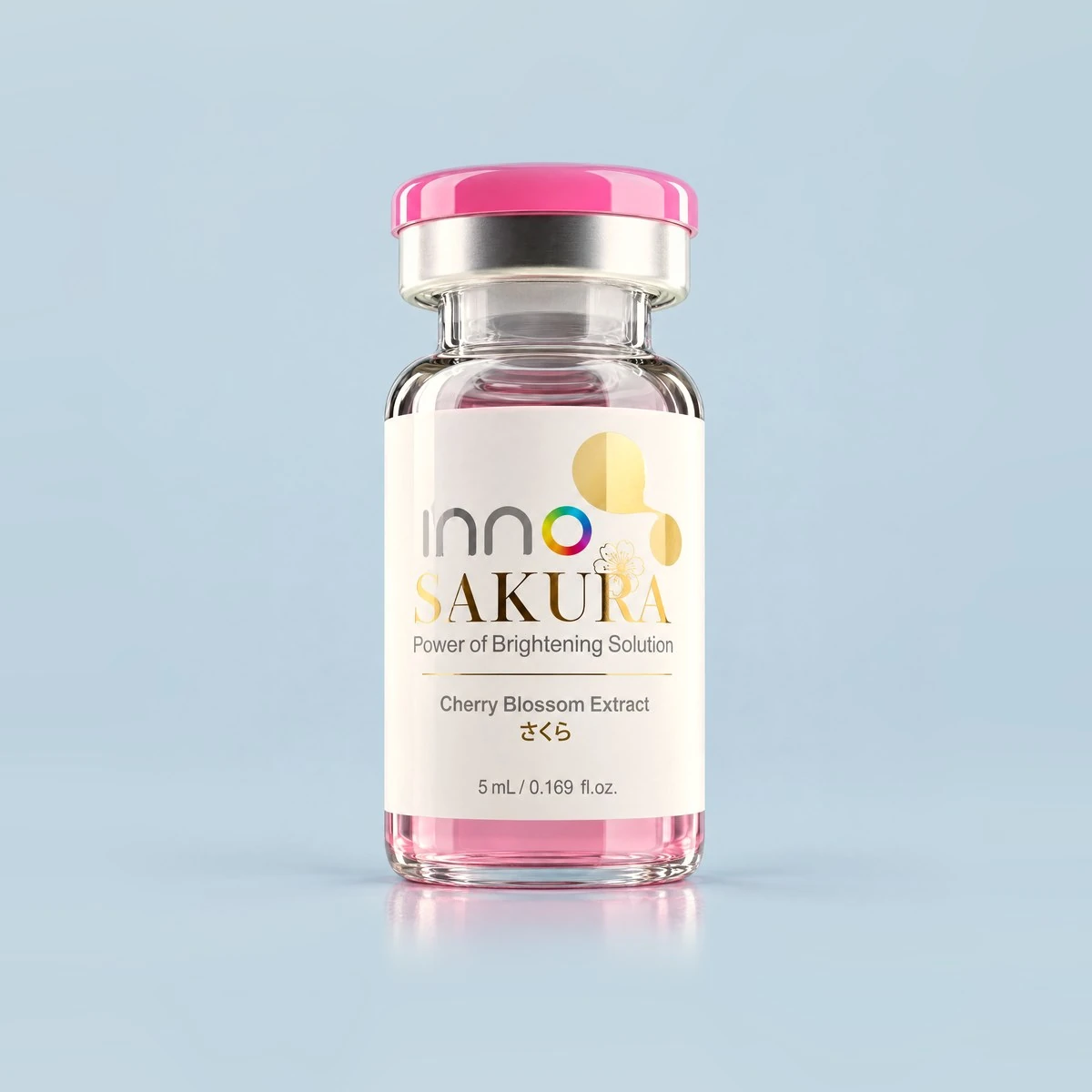
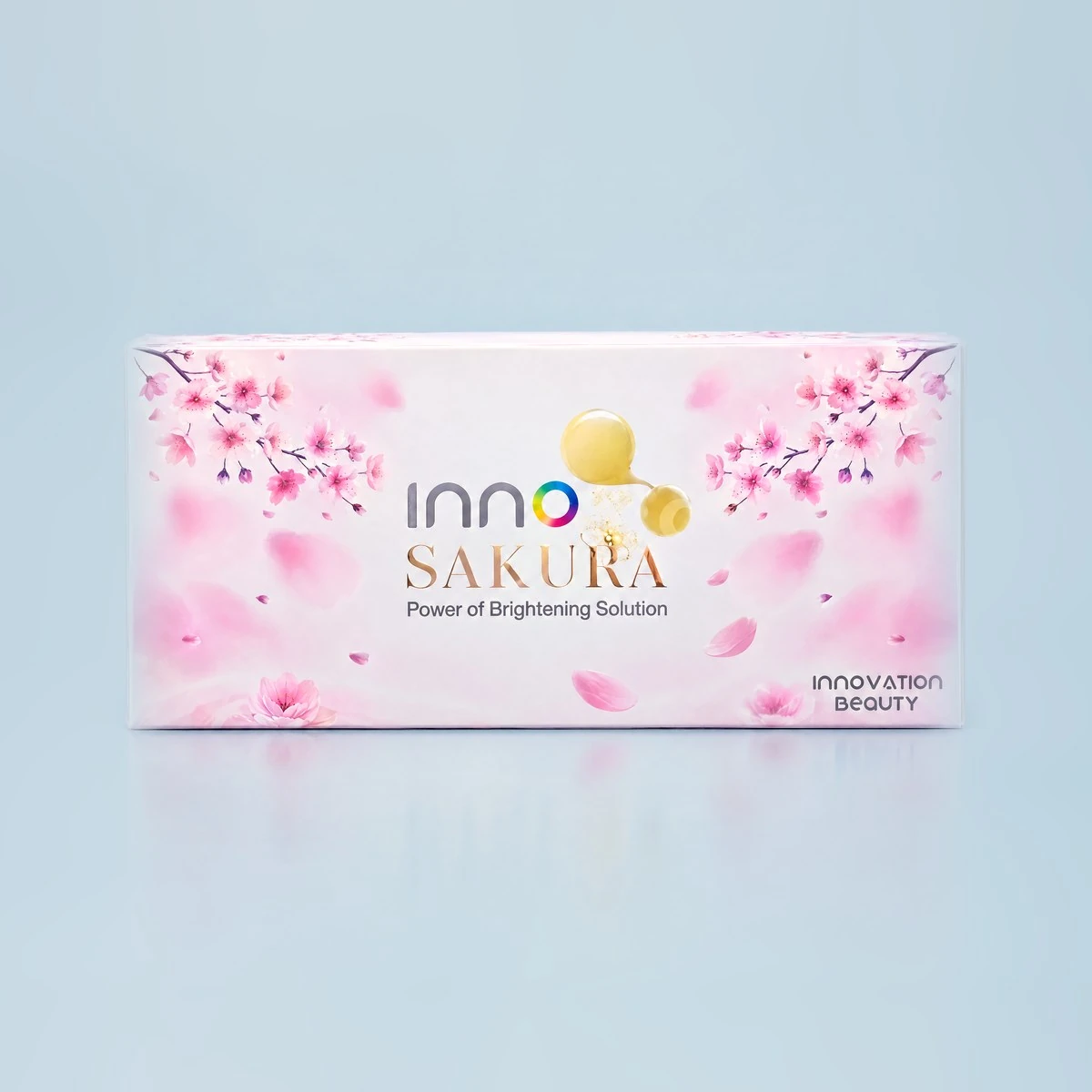
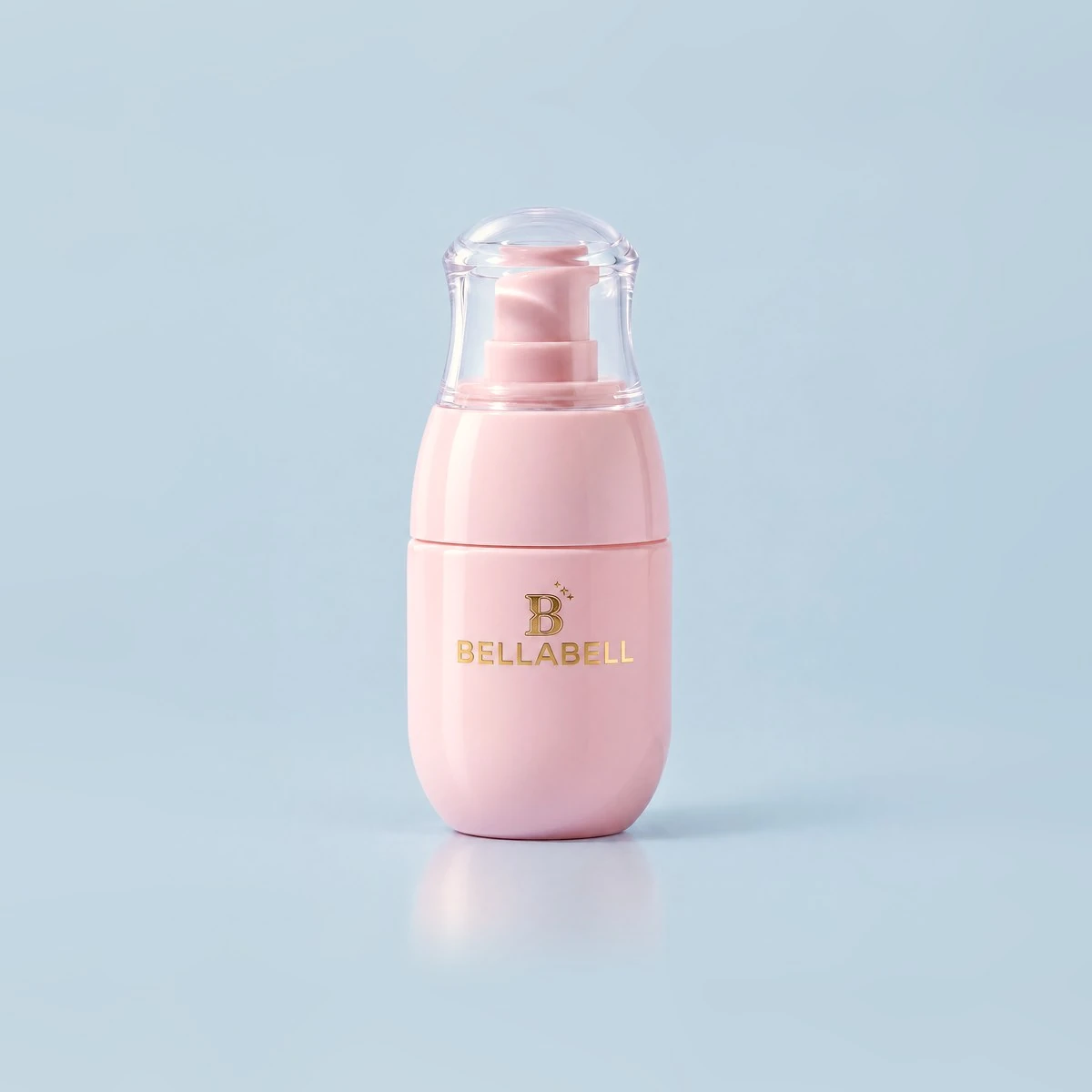
Product descriptions identify different forms. BELLABELL is a topical niacinamide serum; InnoGlossy is an under-eye serum by Innovation Beauty. Japanese InnoSakura contains a cherry blossom extract blend, while Italian Guna is a homeopathic vial set. Read each group by its stated form.
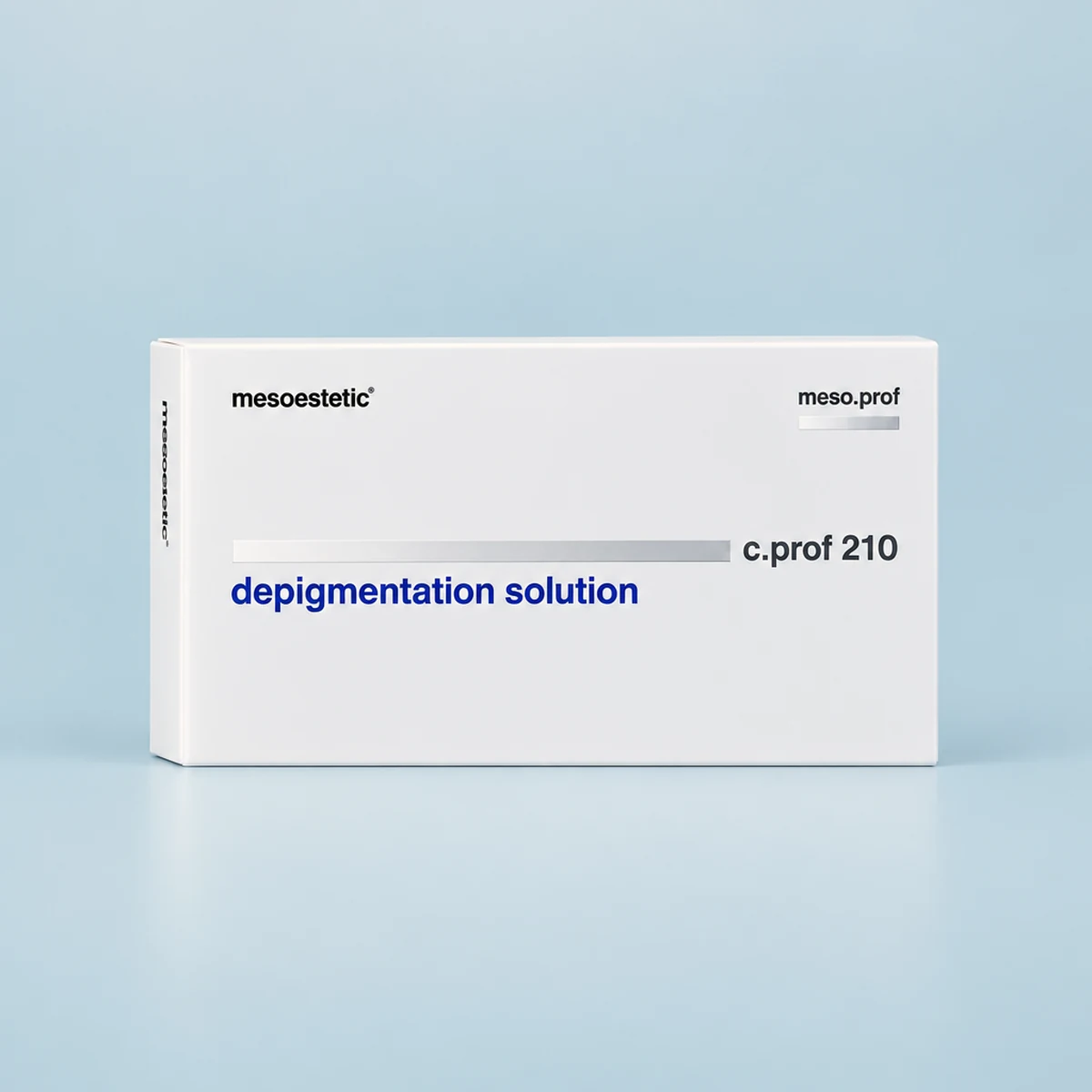
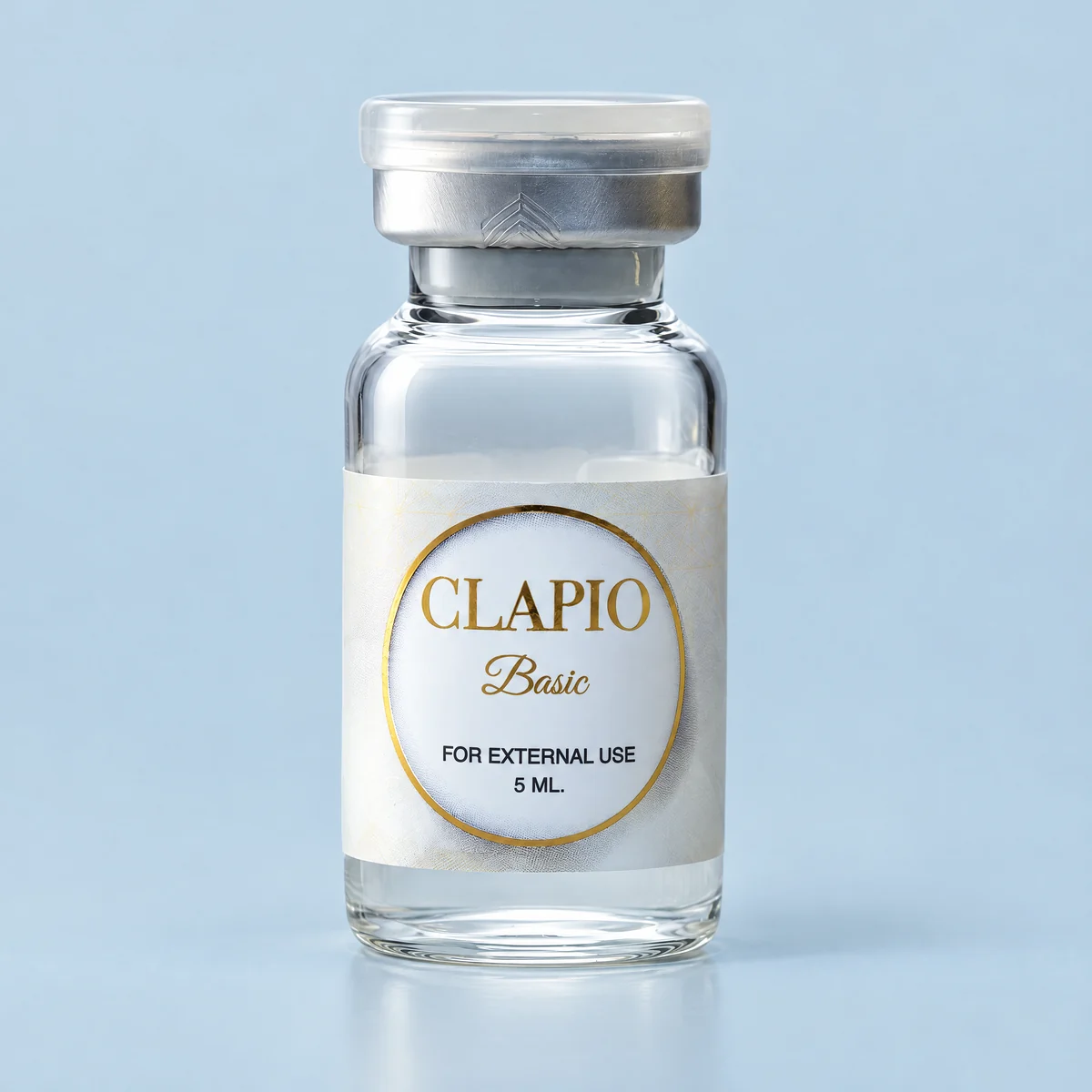
Check formula name, ingredients, directions, precautions, batch and expiry details. Similar bottles or the word essence do not imply shared use. Resolve conflicting descriptions before use; distinguish ingredients from manufacturer and origin details.
Discuss ingredient allergies, irritation and current medicines with a doctor before choosing. Pregnancy, breastfeeding and existing health conditions also matter. Previous skin care experience does not establish suitability for a new formula or method, especially when moving from topical products to clinic care.
Bring a list of medicines, topical products and previous procedures. Explain dryness or discomfort, and identify any product linked to a past reaction. Your skin and history help the doctor decide whether to wait or consider another approach.
Follow label storage conditions; solutions and serums may have different requirements. Check packaging, seals, batch details and expiry dates. Bottle colour or shape does not indicate a storage temperature. Ask the clinic professional to review damaged bottles or unclear details; set affected products aside pending review.
Open and handle solutions used in procedures according to product directions and clinic practice. Avoid improvised mixing or repackaging. Topical serums need their own directions; products in the same category may require different handling.
A doctor sets a plan based on your skin, health history and the specific product. Amounts, frequency and follow-up depend on the individual; formula names or origin cannot define them. Discuss all products used together, including clinic solutions and the topical serums already in your routine.
Clarify goals, precautions and aftercare. Ask which products the plan includes and what symptoms to report to the clinic. Costs depend on the doctor’s plan. If unusual symptoms occur after use, contact the doctor with formula details and a list of current products.