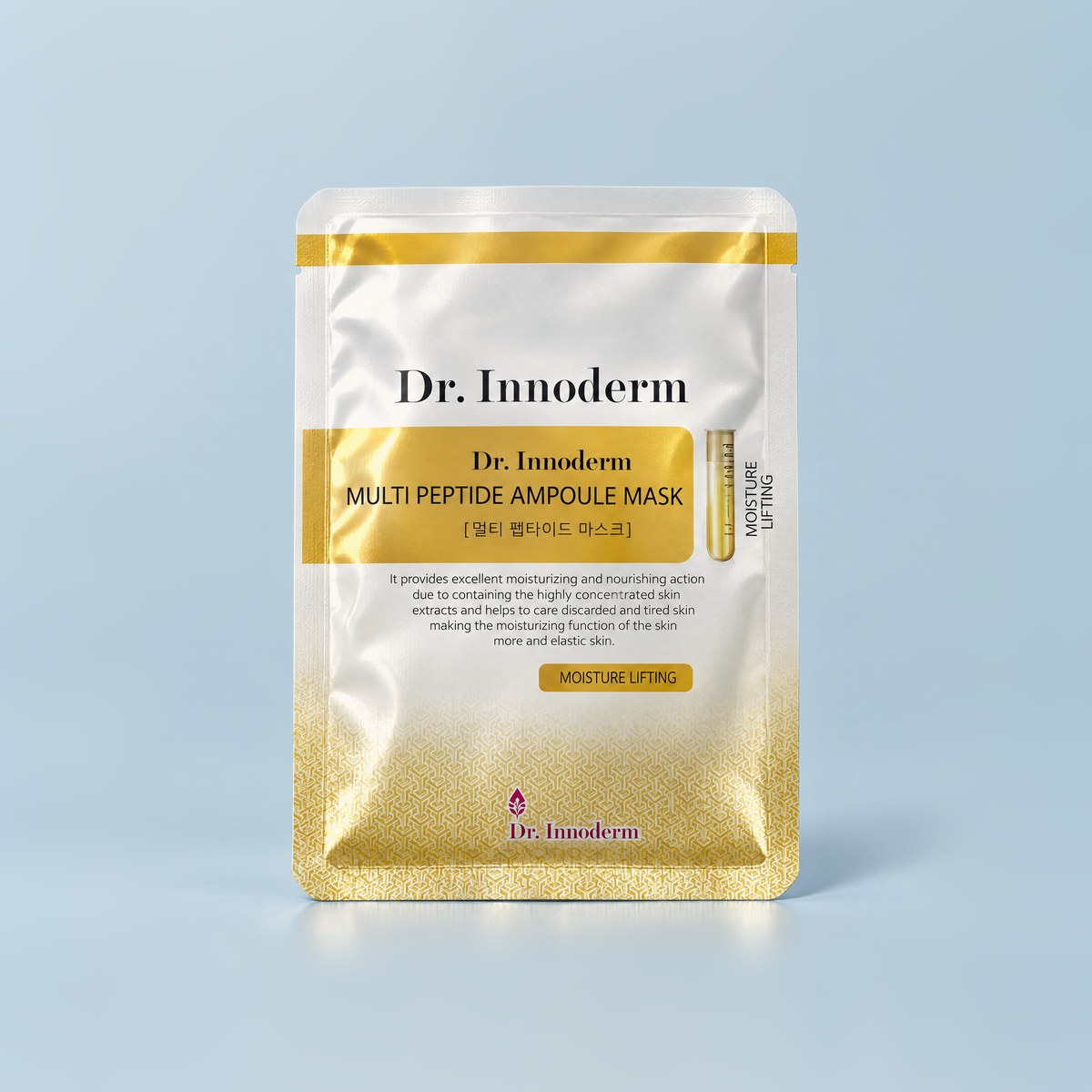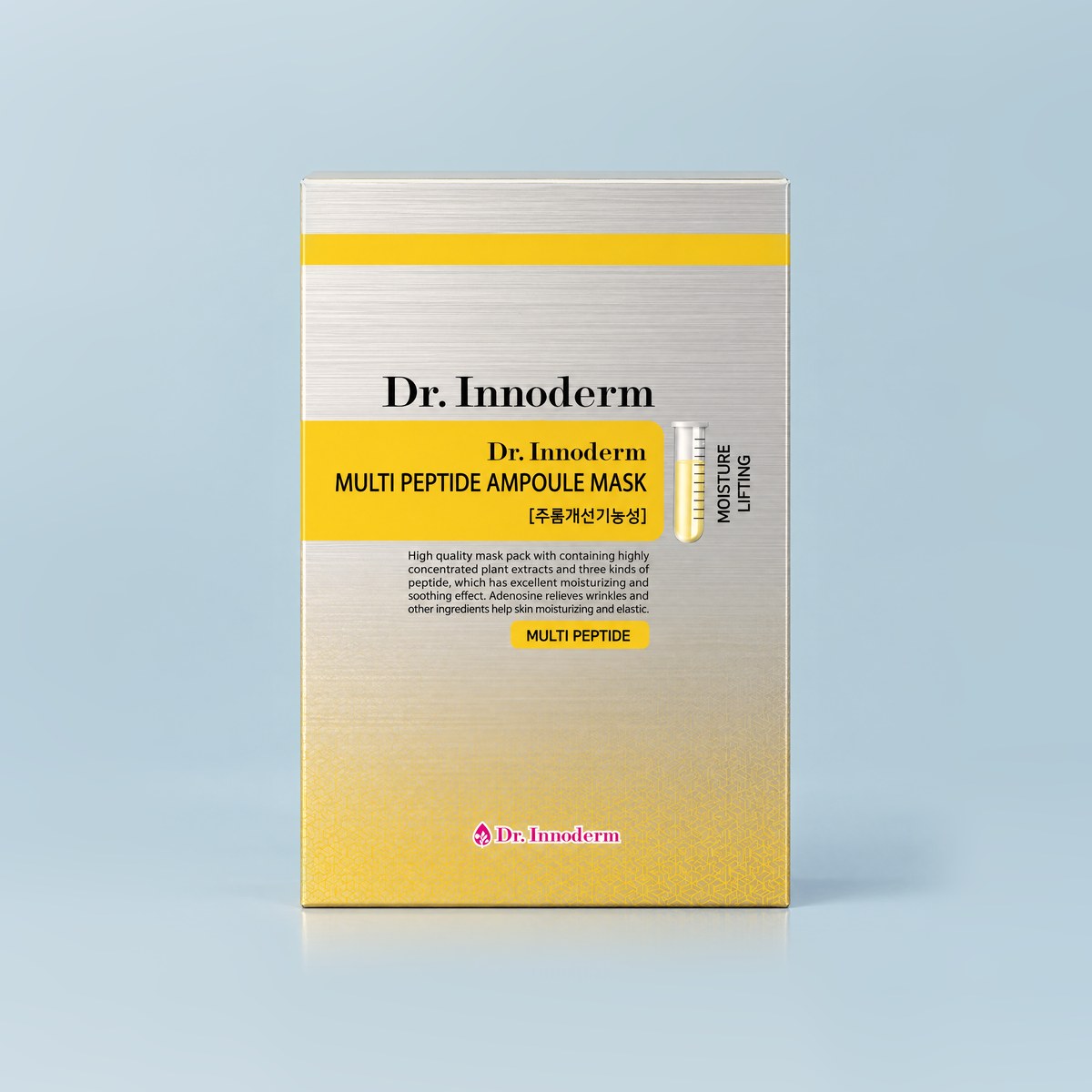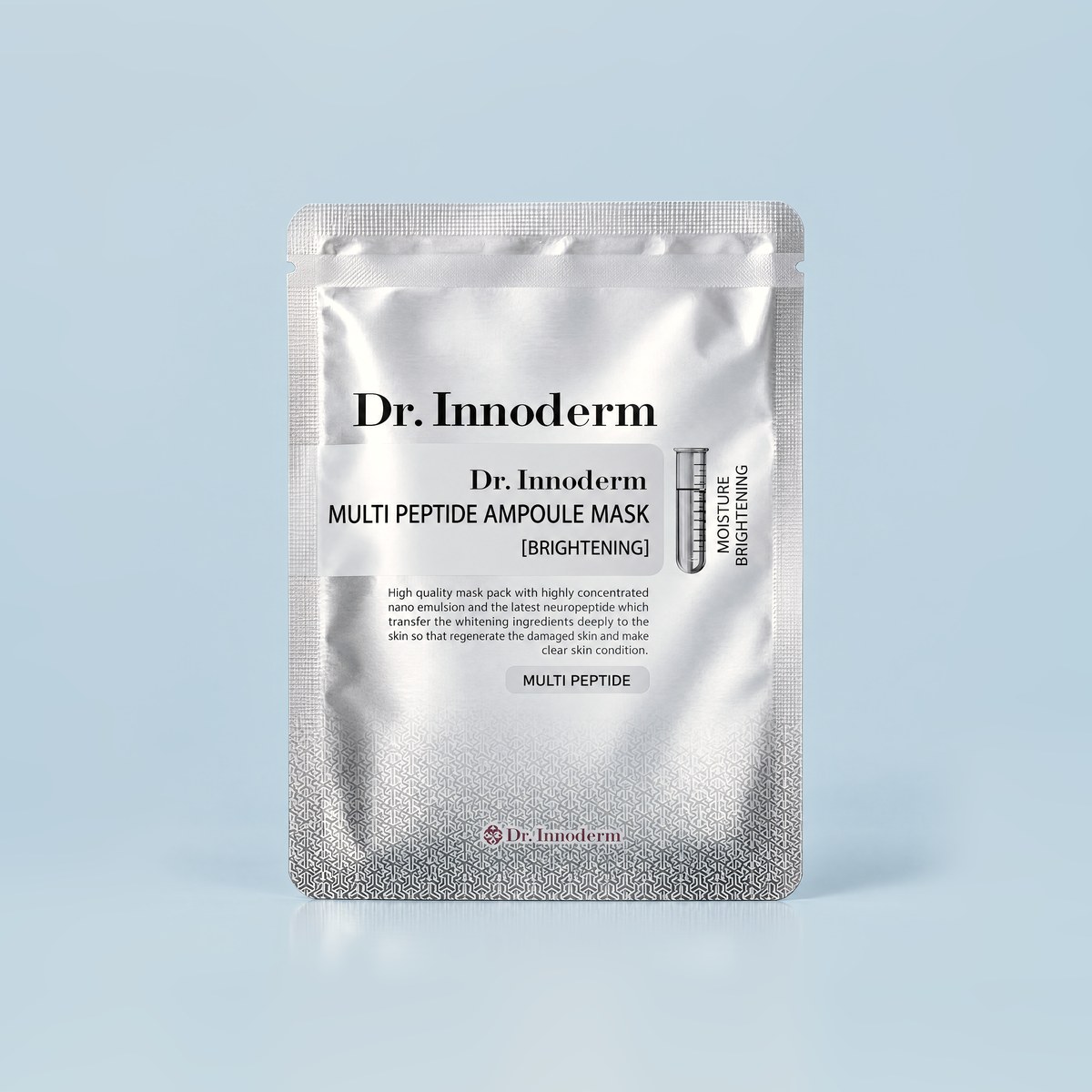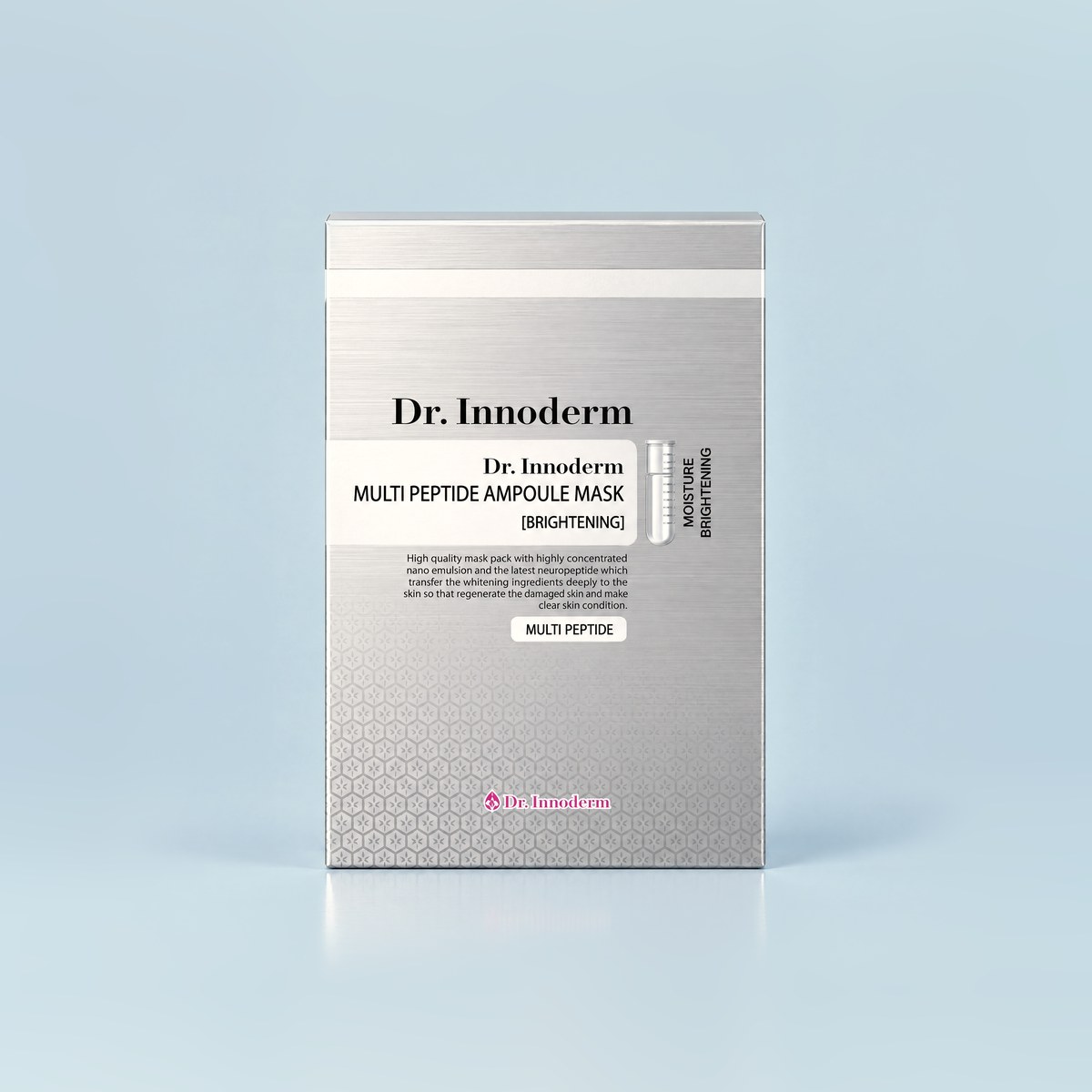








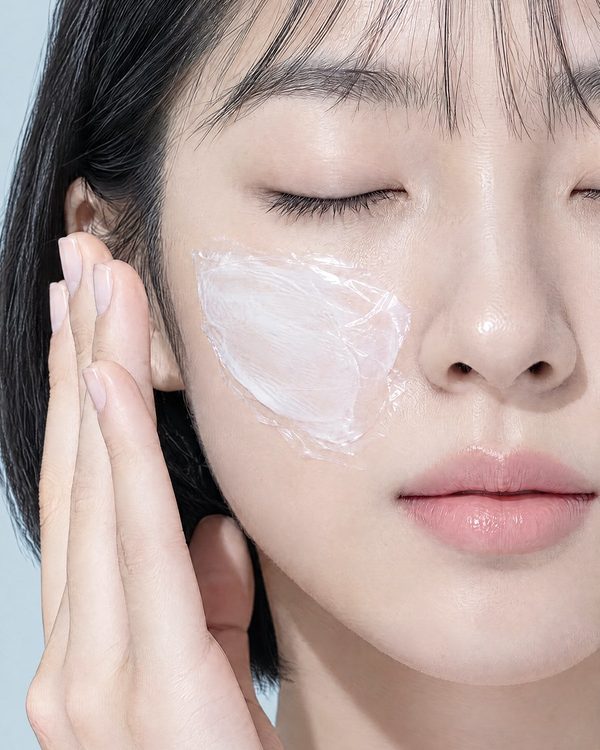




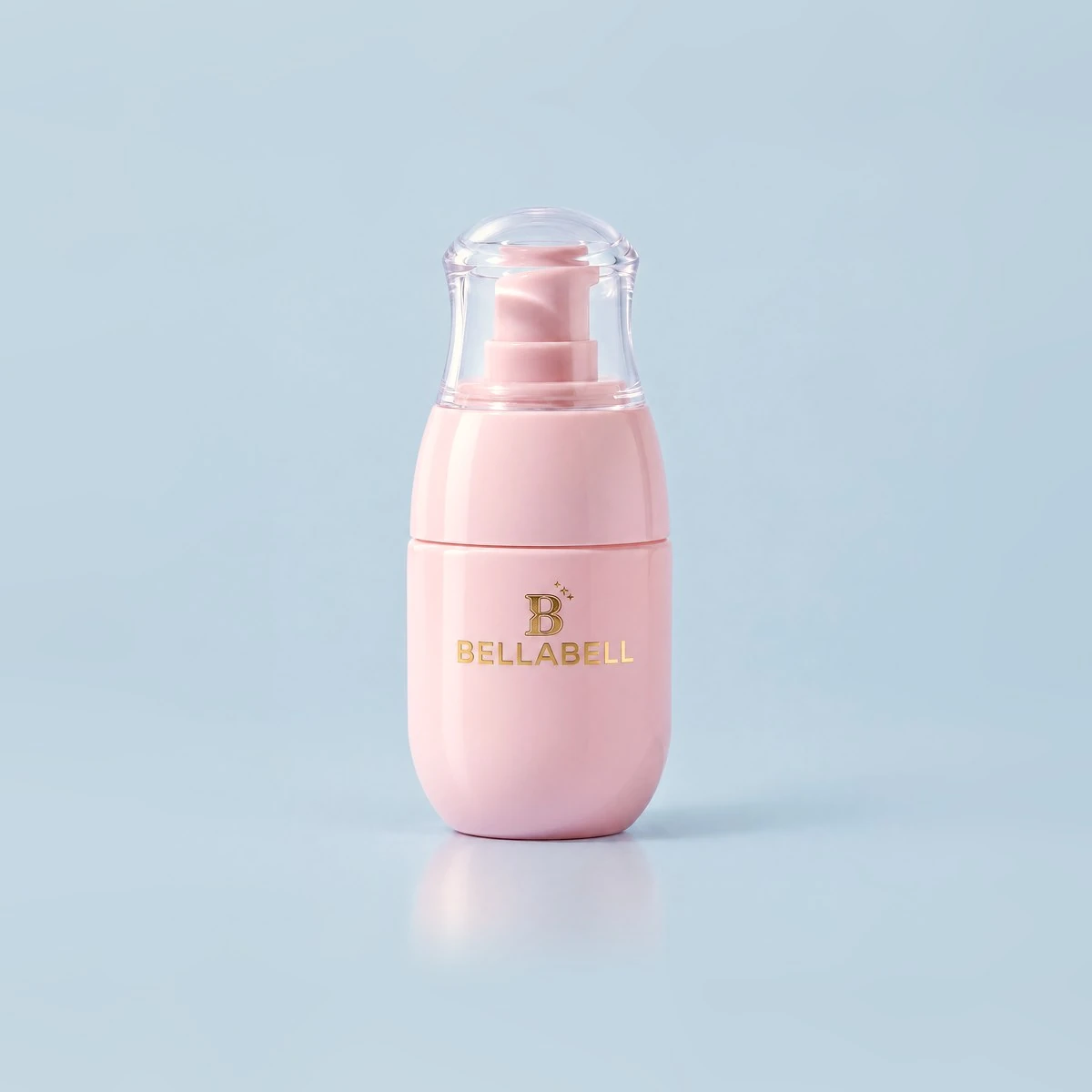
BELLABELL Skin Radiance Serum 30ml : Peptide serum for fair, smooth skin, reduces dark spots
FromTHB 430
 Juvelook (PDLLA): What It Is, What the Studies Show and Its Approval Status
 Skin Booster Results and Aftercare: How Long Until You See Results, and What to Avoid After Injection
 Exosome Facial and Exosome Skincare: What They Are, What the Studies Show and Approval Status
 Meso Fat vs Masseter Botox: How to Slim the Face
 Fat Dissolving Injections for Belly and Arms: The Facts
 Collagen Stimulators Explained: PLLA, PDLLA, PN, Profhilo and Exosomes Compared
 What Are Fat Dissolving Injections (Meso Fat)? A Guide
 Double Chin Injections: Kybella vs Meso-Fat Blends

Serum is a skin care product for external application, often lighter in texture than cream. This category features a topical serum described as containing niacinamide, for shoppers comparing skin care or exploring care after a procedure.
This page explains textures, ingredient names and label details. Start with the format, then read ingredients, directions and precautions together. Seek a doctor’s advice before adding a product if your skin is irritated or you have had a procedure.
References
Serum and cream are topical skin care formats. Serum often feels lighter, while cream tends to be thicker, but texture depends on the formula. The format name does not tell you ingredient concentration or suitability for every skin type. Compare formulas and label directions.
The item here is a topical serum. When considering it with a cream, look at each product’s role in your routine and your skin’s moisture needs. Light texture does not mean serum can always replace cream; a thicker texture does not mean the ingredients match.
Niacinamide and vitamin C are different ingredients. Niacinamide is a form of vitamin B, named in this serum’s description. Read the other label when comparing it with vitamin C serum. Mentioning vitamins does not mean every vitamin is in a formula.
The product data groups this serum under peptides, chains of amino acids; check the label for the full formula. Bakuchiol and arbutin are other skin care ingredients, not synonyms for niacinamide or listed ingredients here. Keeping these names distinct makes descriptions easier to follow.
Serum and cream describe formats. Placenta names an ingredient source; sheep placenta specifies an animal source. These terms describe different aspects of skin care. A cream with that name does not share every serum’s formula. Separate texture terms from ingredient names.
This topical niacinamide serum is listed without identifying sheep or horse placenta ingredients. Other product names do not describe this formula. Check its ingredient list to verify sources. Other placenta formats need separate checks of purpose and directions, especially for procedures.
Start with the product name and intended application, then read ingredients, directions and precautions. Niacinamide in the description identifies part of the formula, so check the label of the item you are considering. Read texture descriptions separately from instructions.
Manufacturer details, batch information and expiry dates help identify the item; the label gives storage directions. Clarify unfamiliar ingredients or conflicting descriptions before choosing. Names, language and packaging images do not establish origin. Compare details for the same product.
Grouped by format, BELLABELL is a topical skin serum for external use. Its description names niacinamide, while the product data places it in the peptide group. These details introduce the item without giving a full ingredient list. Read them alongside its label and directions.
The supplied data gives neither origin nor manufacturer, so grouping is by format. The brand identifies the item; its description and label provide formula and application details. Keep the product name, ingredients and format distinct when comparing skin care.
Follow the treating doctor’s advice after a procedure, as skin condition and restrictions on topical products may vary. Serum or lightweight cannot establish suitability. Bring the formula, your product list and details of irritation before adding a step to your routine.
If you read about Skin Booster or Filler, keep procedure information separate from serum directions. Share your procedure history when asking about skin care. External-use directions do not apply to injectables. Report redness, stinging or unusual symptoms to your doctor before continuing use.
Follow the label’s storage directions, as formulas and packaging may have different requirements. Generally, close the container and keep it away from heat or direct sunlight. Not every serum needs refrigeration. The original container keeps the label and product details together.
Use clean hands and avoid touching the dispenser to skin or other surfaces. Check the container, expiry date, colour, smell and texture before use. Investigate unusual changes before applying. Closing the container and clean handling support hygiene; follow the label for storage details.