













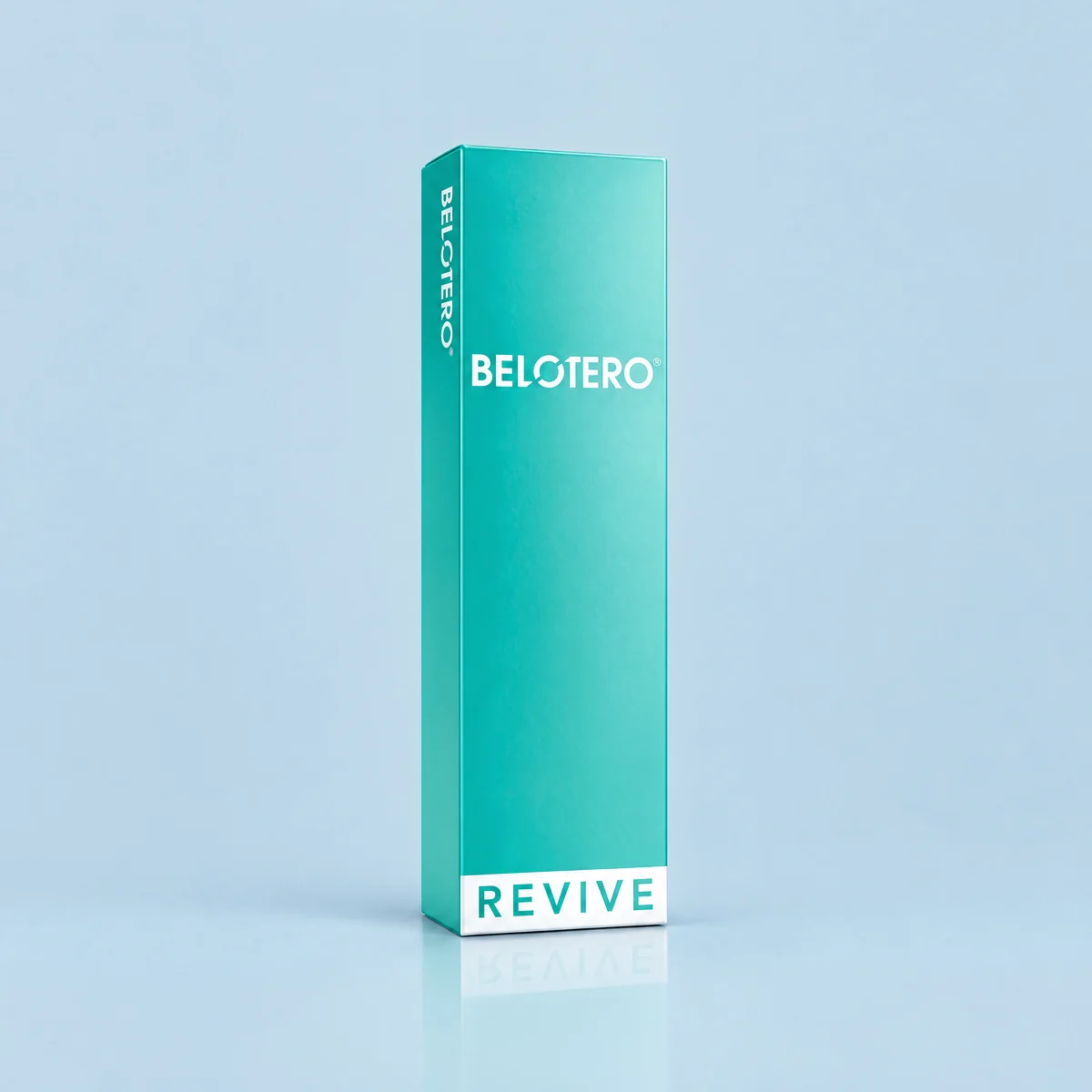
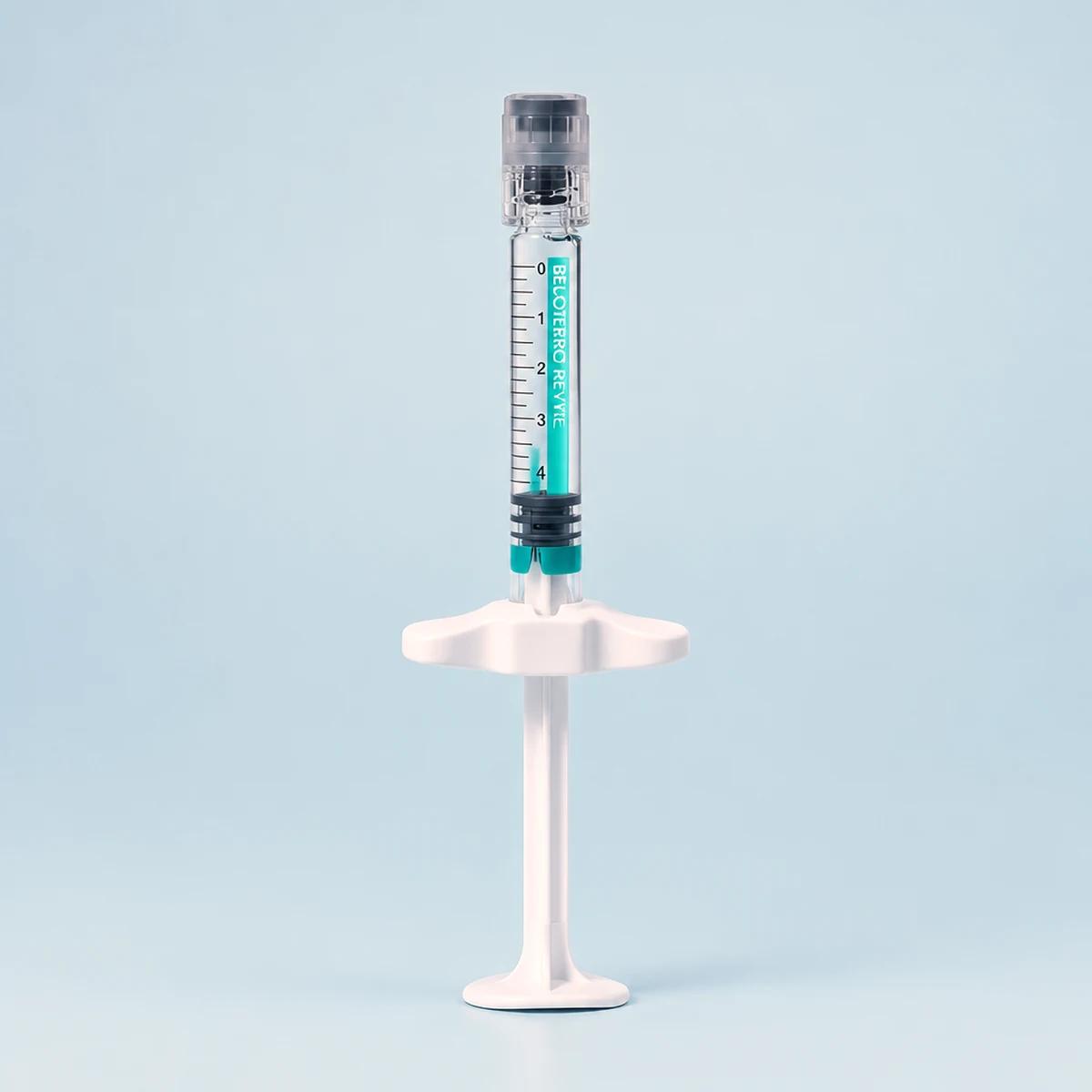

Belotero Revive
FromTHB 3,950
 Juvelook (PDLLA): What It Is, What the Studies Show and Its Approval Status
 Skin Booster Results and Aftercare: How Long Until You See Results, and What to Avoid After Injection
 Exosome Facial and Exosome Skincare: What They Are, What the Studies Show and Approval Status
 Meso Fat vs Masseter Botox: How to Slim the Face
 Fat Dissolving Injections for Belly and Arms: The Facts
 Collagen Stimulators Explained: PLLA, PDLLA, PN, Profhilo and Exosomes Compared
 What Are Fat Dissolving Injections (Meso Fat)? A Guide
 Double Chin Injections: Kybella vs Meso-Fat Blends
Hyaluronic acid filler with 0.3% lidocaine, glass syringe
Record an unboxing video every time, from before you open the parcel until it is unpacked, in one uncut take. Without the video, no claim can be accepted.
You can claim
No claim
Results vary from person to person
Restylane Classic (named Restylane Lidocaine on the box) is a hyaluronic acid gel filler with 0.3% lidocaine hydrochloride, made by Q-Med AB (Galderma) of Sweden and supplied in a glass syringe.
The manufacturer lists three indications: facial tissue augmentation, correction of wrinkles, and lip augmentation.
The injection technique and sites are the doctor's decision for each person, and the doctor explains them at the consultation.
The manufacturer says it should not be used in people with a history of streptococcal protein allergy, since the product may contain trace amounts of this protein; in people with a history of severe allergy such as anaphylaxis; or in people allergic to lidocaine or amide-type local anaesthetics.
It must not be injected into a blood vessel, which can block the vessel and cause ischaemia or tissue death. Rare serious events such as visual disturbance or blindness, stroke-like events and skin necrosis have been reported. Changes in vision, stroke-like symptoms, whitening of the skin or unusual pain during or soon after injection mean the injection must stop at once and a doctor must be seen.
Treatment should be postponed if the area is inflamed, infected or has a tumour. People who bleed easily, or take medicines affecting platelets, thrombolytics or anticoagulants, may bruise or bleed more at the injection site. The manufacturer says safety in pregnancy, in breastfeeding and under age 18 has not been established.
After injection, bruising, redness, itching, swelling, pain or tenderness at the site can occur, usually clearing within a few days to a week, according to the manufacturer. Avoid strong sun, UV and extreme temperatures until the initial swelling and redness settle, and ask the injecting doctor before laser, chemical peels or other skin-stimulating procedures.
The manufacturer says to store it at no more than 25 °C, not to freeze it, and to keep it out of sunlight.
It is single-use and must not be re-sterilised. The syringe, needle and any remainder are discarded immediately after treatment.
It varies by person and by the area treated. The injecting doctor explains this at the consultation.
No. The manufacturer says it is to be used by legally authorised personnel trained in injection technique.
Lidocaine hydrochloride at 0.3% is mixed into the gel to reduce the pain of the injection.
It is the main ingredient of the gel. In this product it is the stabilised type of non-animal origin, and it is biodegradable.
Mainly people allergic to lidocaine or amide-type anaesthetics and people with a history of severe allergy. The risks tab has the full list, and the doctor assesses each person.
The price depends on the model and the quantity.
This information is for general knowledge and does not replace a doctor's advice. Every procedure should be performed by a licensed doctor in a medical facility.
 Thai label
 Thai label

 Thai label